



Report Highlights Growing Fossil Fuel Financing Amid Climate Chaos: The 2026 Update
Growing Concerns on Fossil Fuel Financing: Insights from the 2026 Report
A recent collaborative press release announced the findings of the "Fossil Fuel Finance Report 2026" released by the Rainforest Action Network (RAN) and other NGOs. This report provides a comprehensive look at fossil fuel financing, assessing the involvement of the world's major banks in supporting fossil fuel companies and its implications for climate change.
Overview of the Report's Findings
The report encapsulates financial data from approximately 2,900 fossil fuel companies, detailing how the top 65 banks globally have provided a staggering $906 billion to the fossil fuel industry in 2025—an 8% increase from the previous year. Over the span of ten years since the Paris Agreement came into effect, banks have funded fossil fuel companies to the tune of $8.7 trillion. This report stands as the most comprehensive open data regarding funding by private banks to fossil fuel ventures.
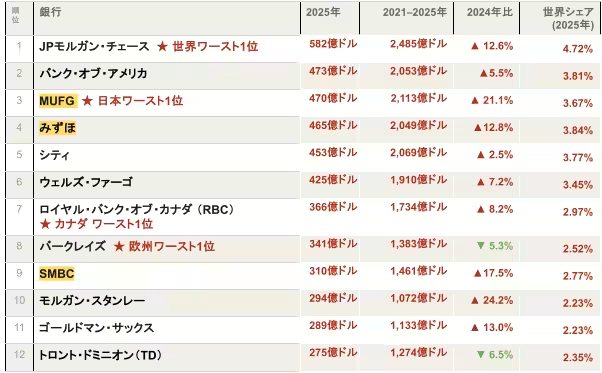
Figure 1: World Ranking in Fossil Fuel Financing for 2025 (amounts in USD)
In this year's report, JPMorgan Chase has once again been identified as the largest funder of fossil fuels, with investments rising to $58 billion, representing a 12.6% increase from the previous year. Bank of America came in second with $47 billion, closely followed by Japan's Mitsubishi UFJ Financial Group (MUFG), also at $47 billion but marking a 21% increase.
Other major banks included Mizuho Financial Group, ranking fourth, and Sumitomo Mitsui Financial Group at ninth. Collectively, the top twelve banks accounted for nearly 40% of the overall funding from around 2,000 banks globally.
The report highlights a significant surge in financing to companies actively expanding fossil fuel operations, which rose by 27% to $508 billion in 2025. Such financial activities starkly contrast with the global aim of restraining global warming to 1.5 degrees Celsius.
Global Energy Crisis and Its Implications
The ongoing energy crisis, fueled by geopolitical tensions and conflicts, particularly the Russia-Ukraine war, has underscored the structural risks linked with reliance on fossil fuels. Roughly three-quarters of the world's population live in fossil fuel-importing nations, bearing the repercussions each time supply issues arise.
Key Findings of the 2026 Report
The report indicates a trend that illustrates how substantial investments continue to flow into the fossil fuel sector despite the pressing need for climate action. Notable findings include:
- - Total Funding to Fossil Fuel Companies in 2025: $932 billion (up 9% from 2024).
- - Cumulative Funding Post-Parr Agreement (2016-2025): $8.6 trillion across oil, gas, and coal sectors.
- - Funding to Expanding Fossil Fuel Companies in 2025: $508 billion (up 27%).
American banks accounted for 32% of the total fossil fuel financing globally, increasing from 28% in 2021, while European banks have shown a clear declining trend in these activities. For example, BNP Paribas has cut fossil fuel-related dealings by 28%, and UBS has reduced it by 36%. In contrast, Standard Chartered saw an increase of 28%.
The report underscores the limited impact of banks' voluntary climate initiatives and the need for stronger regulatory frameworks. Following the collapse of the "Net Zero Banking Alliance," many banks weakened their policies. Out of 15 surveyed North American banks, 12 lacked substantial fossil fuel-related policies, and notable players like JPMorgan Chase and Goldman Sachs reversed their commitments regarding financing coal and Arctic projects.
Trends Among Japan's Major Banks
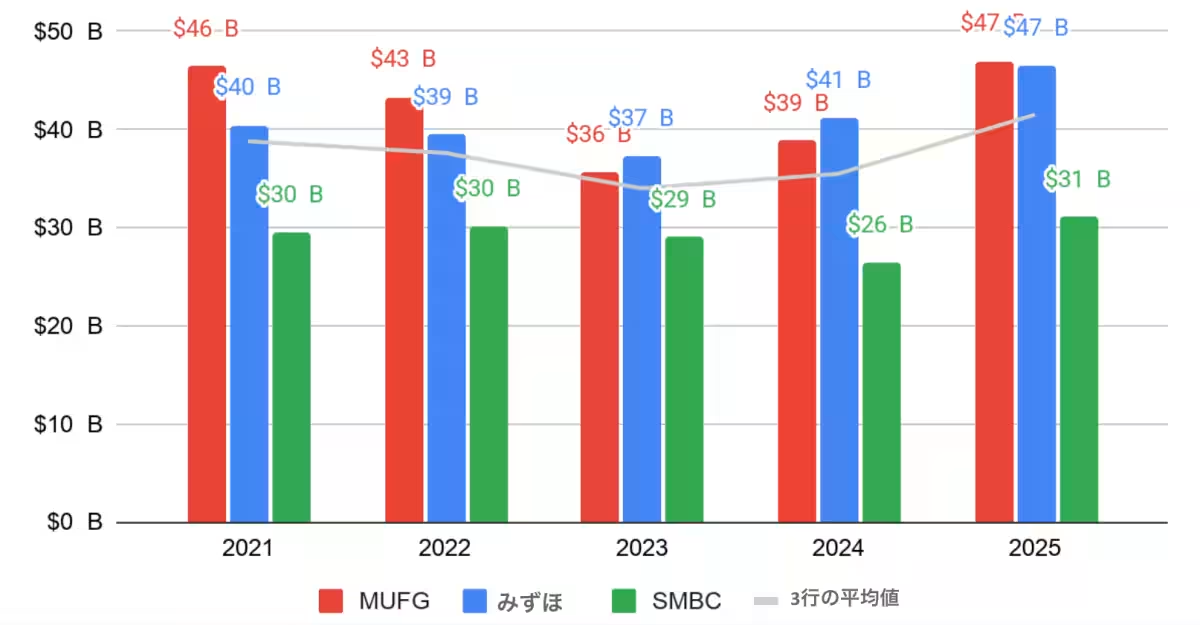
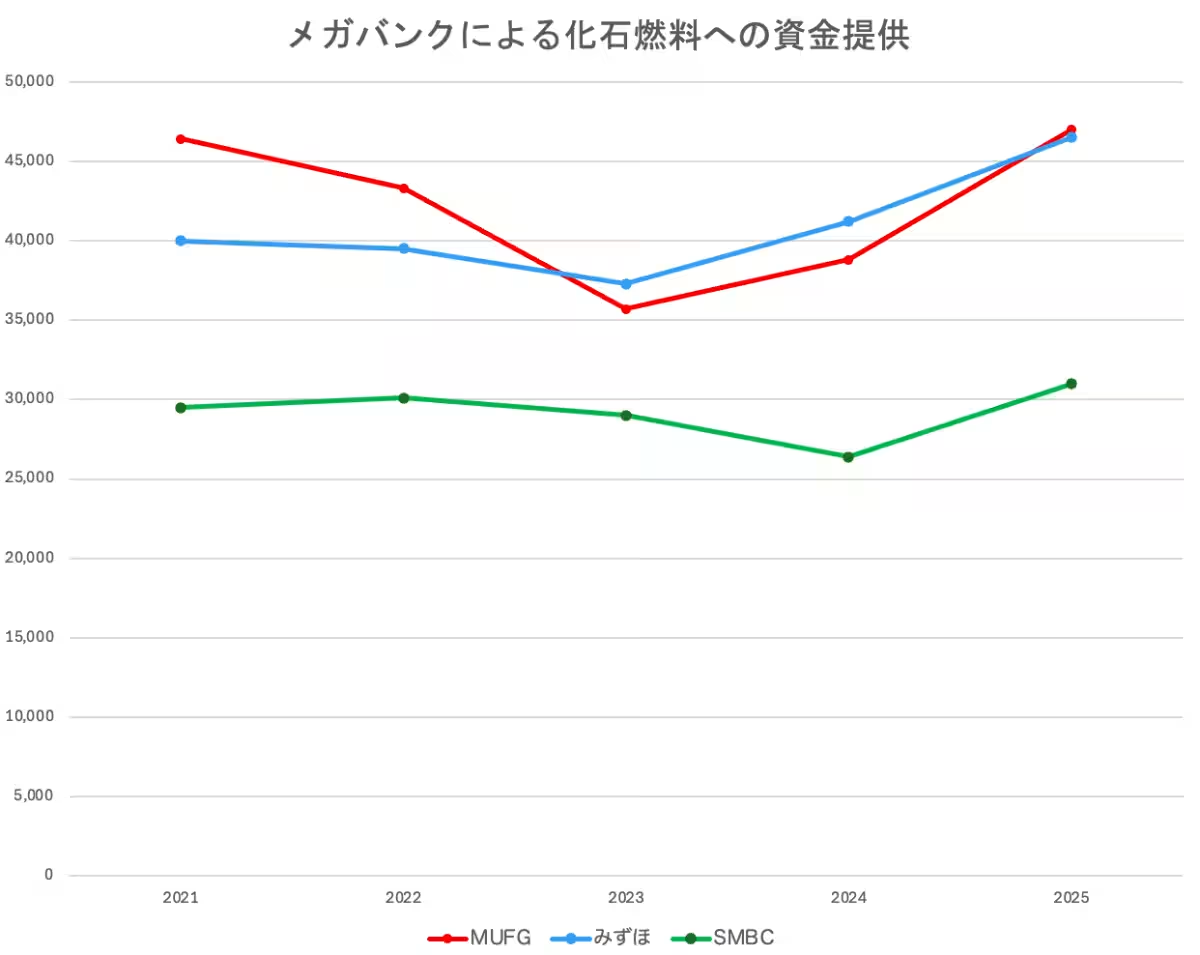
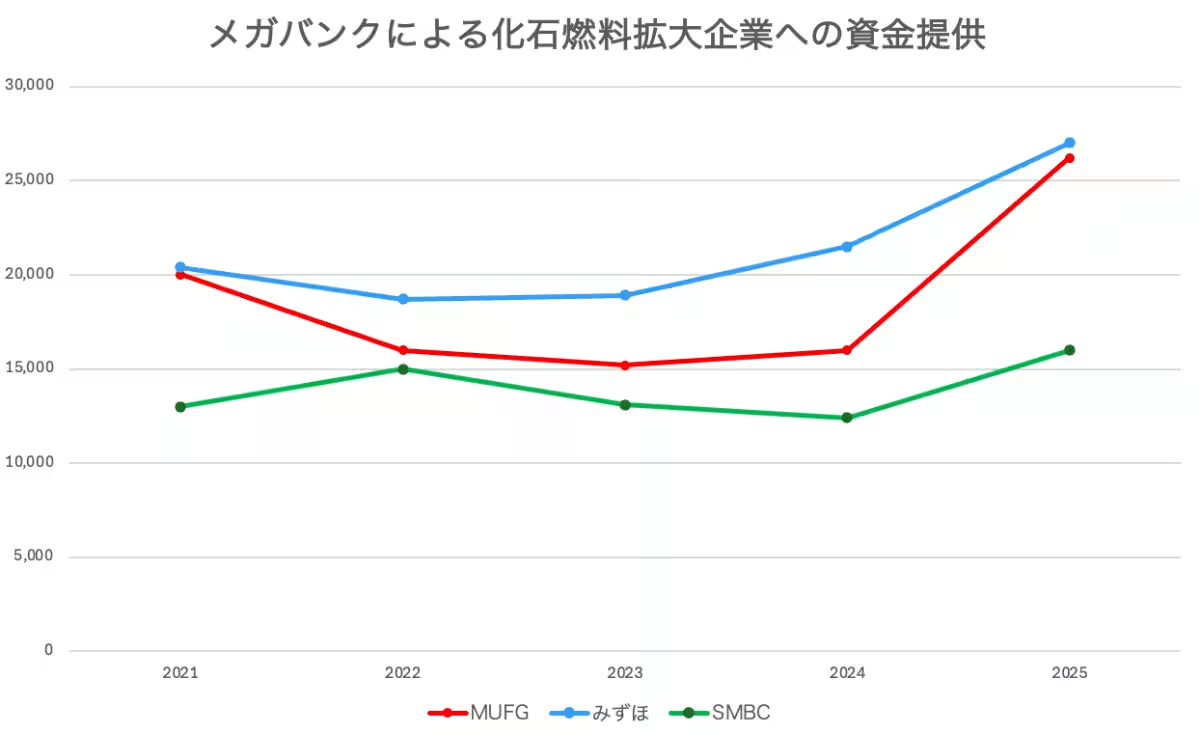
Japan's three megabanks found themselves among the bottom twelve in terms of fossil fuel financing in 2025: MUFG ranked third, Mizuho fourth, and SMBC ninth, cumulatively constituting over 13.7% of total financing among the 65 banks surveyed. The significant increase in financing to companies expanding fossil fuel operations highlights a glaring failure in risk management among these banks.
Figure 2: Comparison of Fossil Fuel Financing by Megabanks (in million USD)
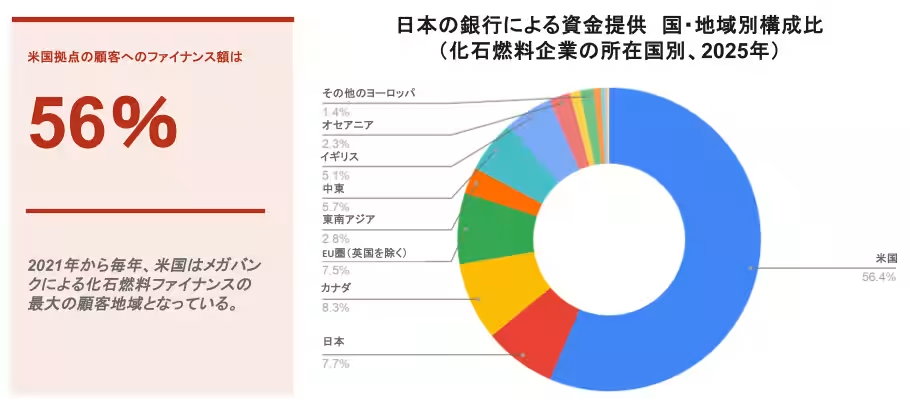
Moreover, these megabanks are heavily inclined toward funding enterprises expanding the LNG sector. In funding amounts for companies with extensive LNG expansion plans, MUFG ranked first, Mizuho third, and SMBC fifth in 2025, indicating a predominant trend toward financing U.S.-based fossil fuel companies.
Funding Trends by Sector
Key observations include significant growth in funding across various fossil fuel sectors:
- - Midstream and LNG boom: Funding for midstream fossil fuel companies surged by 184%, amounting to $116 billion in 2025.
- - Upstream (Extraction and Exploration): Funding increased from $192 billion to $217 billion.
- - Gas Power Generation: Funding rose from $154 billion to $199 billion.
- - Coal Mining Expansion: A staggering 77% increase reached a total of $84 billion.
Comments from Key Contributors
Nico Luciani, Research Director at RAN, stated that Wall Street's primary concern remains profit protection, while the focus should shift toward tackling climate change and human rights. The data presented in this report indicates that voluntary cessation of funding for the climate crisis is not on the horizon.
Rie Aso, responsible finance campaigner at RAN Japan, highlighted the inconsistency in the actions of Japanese megabanks concerning climate change, asserting that these institutions are continuing reckless funding practices against the backdrop of global climate woes.
As we forge ahead, legal accountability regarding banks' funding practices and their role in exacerbating climate change needs to be taken seriously, as emphasized by various stakeholders involved in this pressing issue.
Conclusion
Ultimately, the findings of the "Fossil Fuel Finance Report 2026" are critical, delineating a path for regulatory reform and highlighting the urgent need for action from financial institutions. As the world pivots towards renewable energy solutions, the glaring dependency on fossil fuel financing by major banks necessitates immediate reassessment and response from government authorities and civil society alike.
Topics Policy & Public Interest)

【About Using Articles】
You can freely use the title and article content by linking to the page where the article is posted.
※ Images cannot be used.
【About Links】
Links are free to use.