



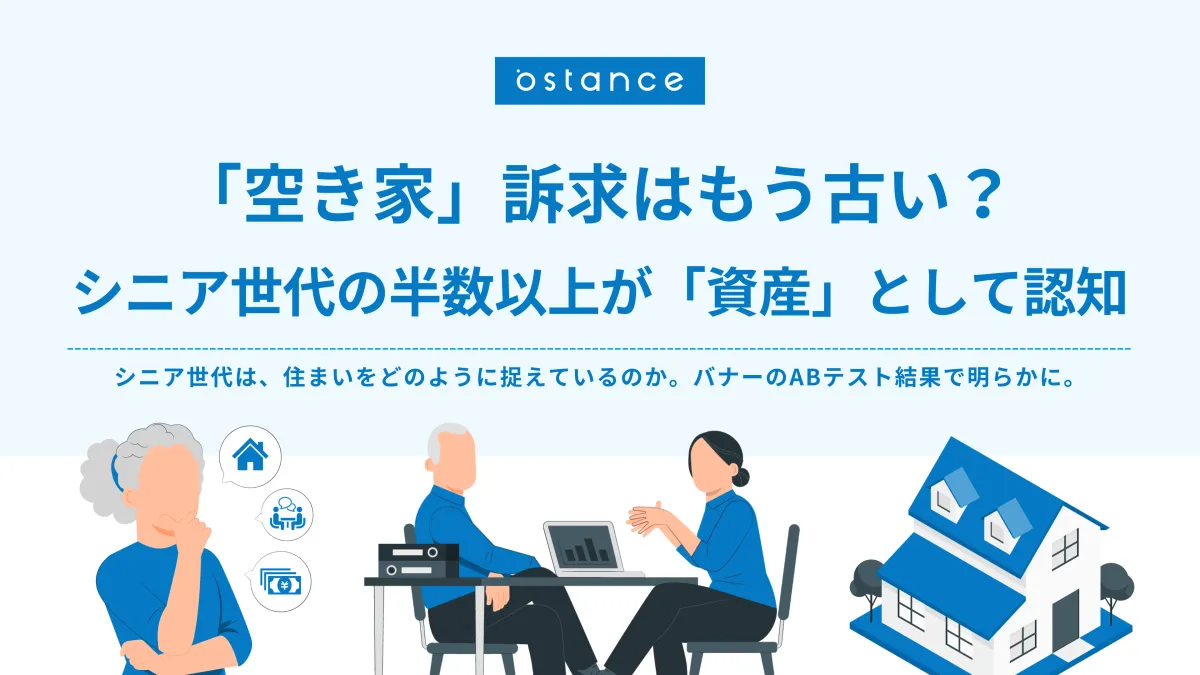
Insights on Senior Housing Awareness and Trends in Japan's Aging Society
Understanding Senior Housing Awareness in Japan
As Japan approaches 2025, with more than half of its population expected to be aged 50 and above, the perceptions and behaviors regarding housing among the senior demographic are becoming increasingly important. A recent survey conducted by Ostance Inc., which manages "Shumijin Club," the largest community service for seniors in the country with a membership of over 420,000, examined these aspects among 553 members aged 45 and older.
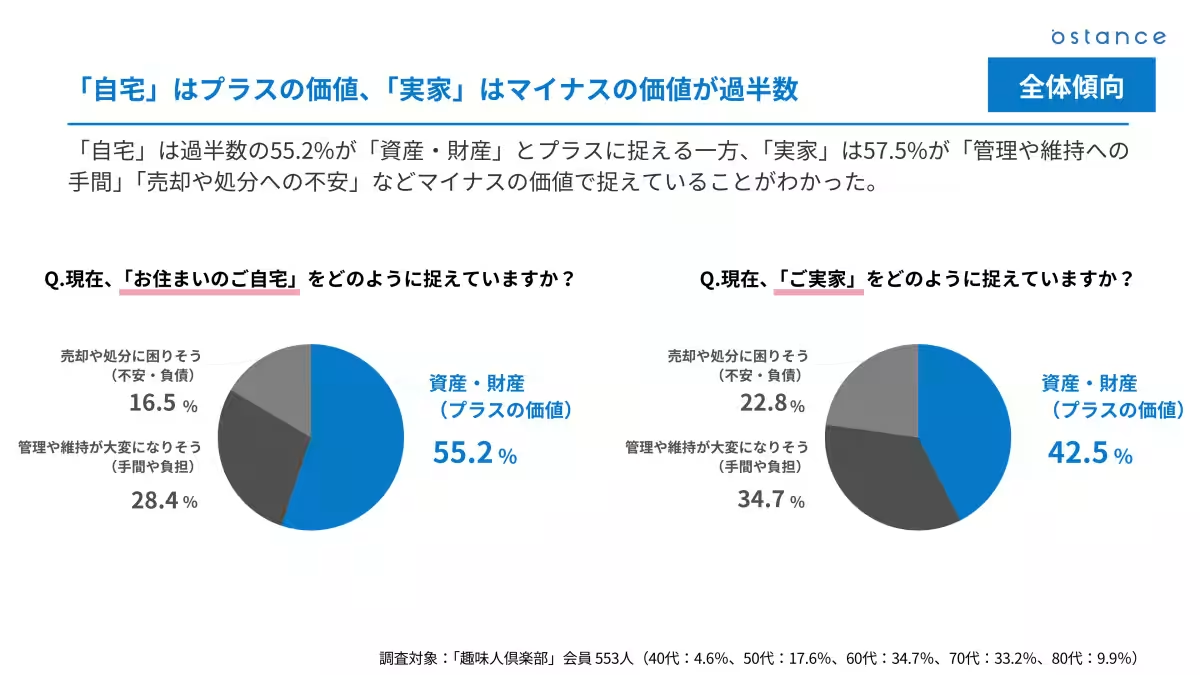
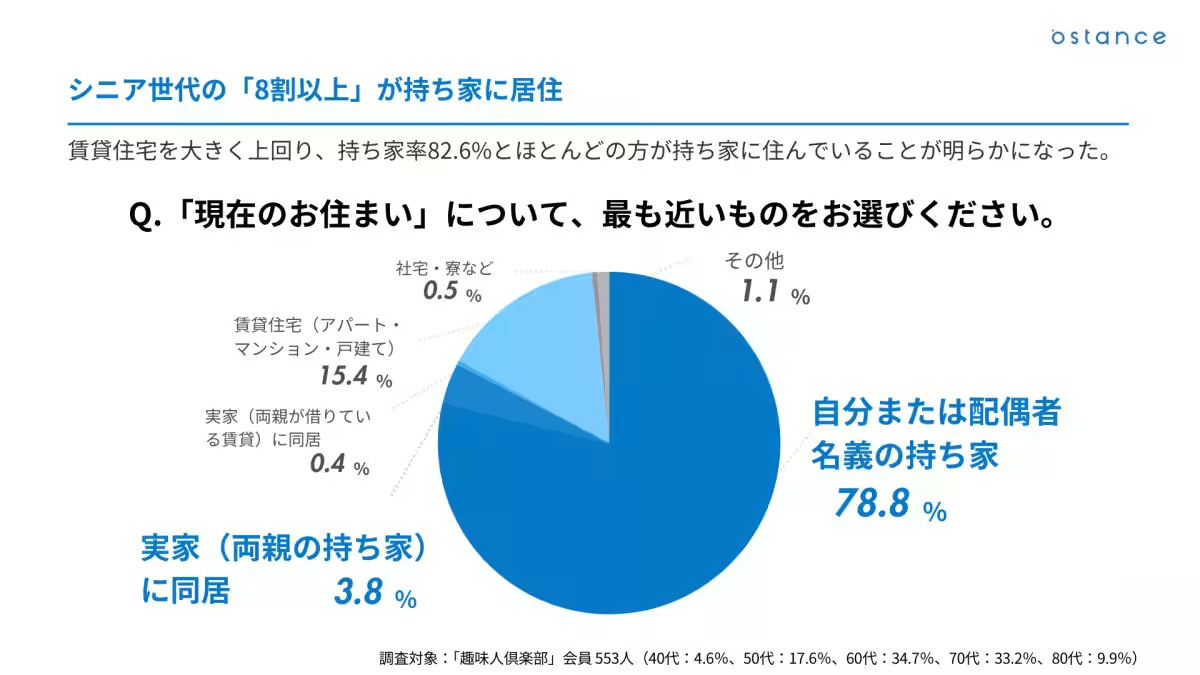
The findings reveal that a significant portion of this population holds a positive view of their residences. Approximately 85.6% of the respondents live in owned properties. However, while 55.2% view their primary residences as valuable assets, 44.9% experience anxiety about management and maintenance burdens.
Motivations for Housing Considerations
The survey also uncovered that life changes often serve as triggers for reevaluating housing situations. Key life events such as the death of a parent (44.2%), illness or caregiving (18.7%), and retirement (15.5%) presented critical points for participants to rethink their living arrangements. The results indicate that motivations for managing properties vary widely across different demographic areas, showcasing a pronounced rural versus urban divide in interest in vacant homes versus asset realization.
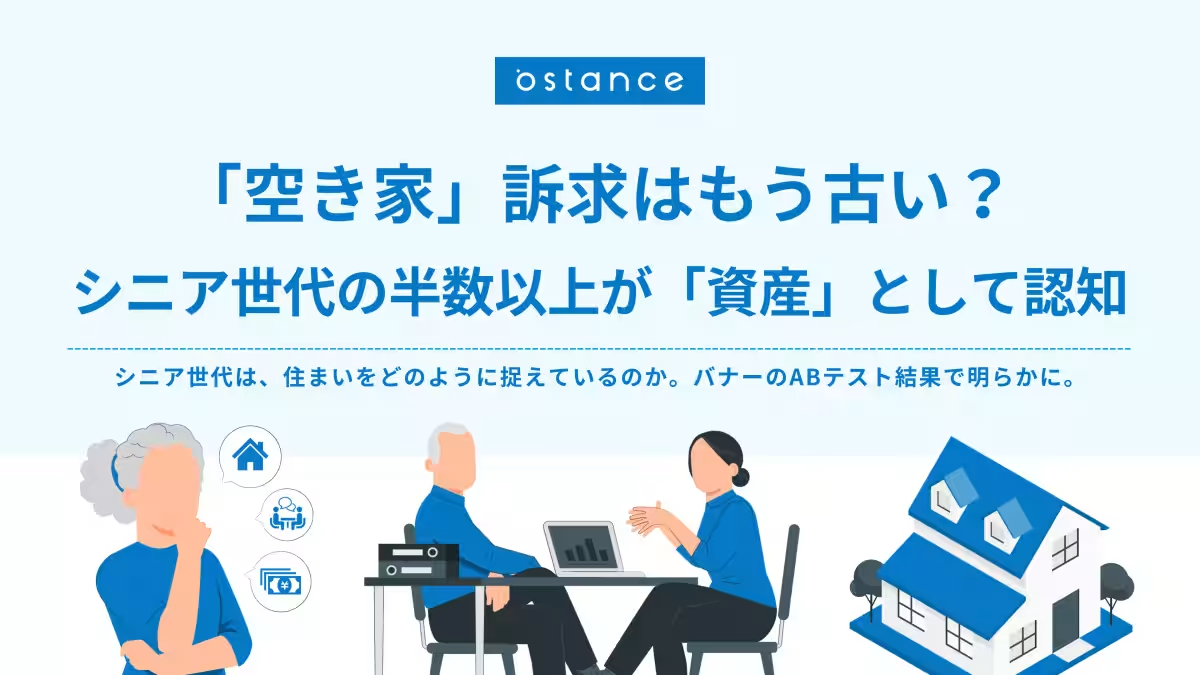
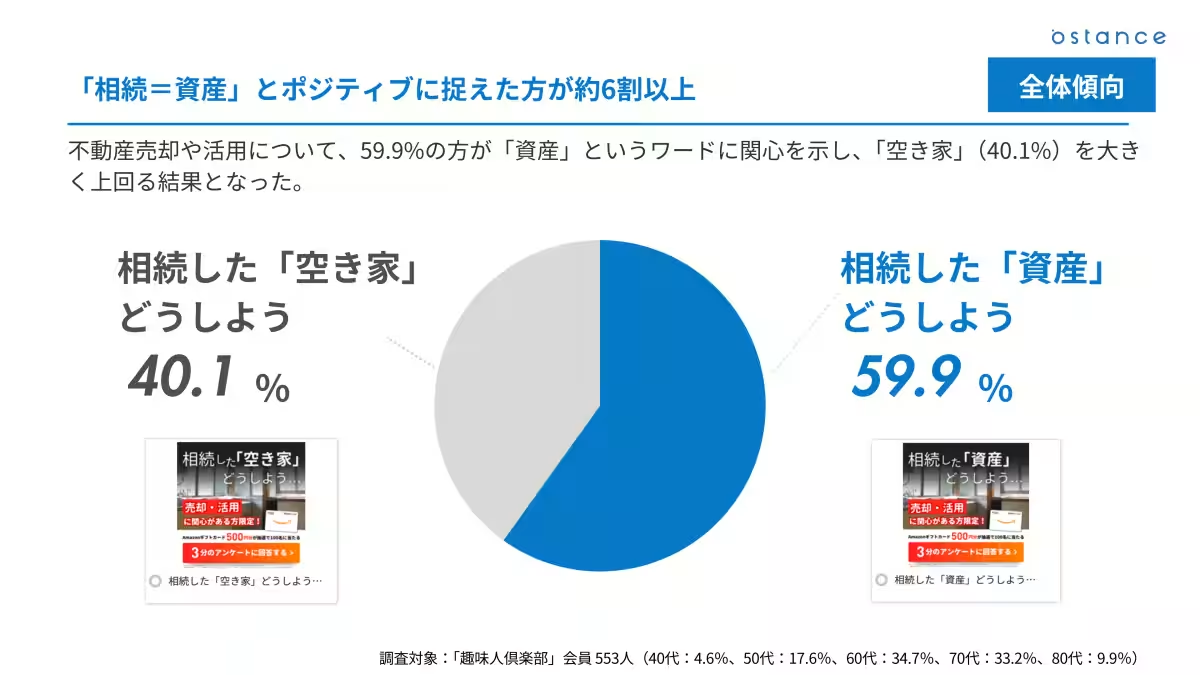
Moreover, tests conducted have shown that focusing on the asset perspective of properties results in approximately a 20% higher click-through rate compared to discussions centered on "vacant homes," emphasizing the positive association that can be forged when discussing property management.
The Divide in Perceptions
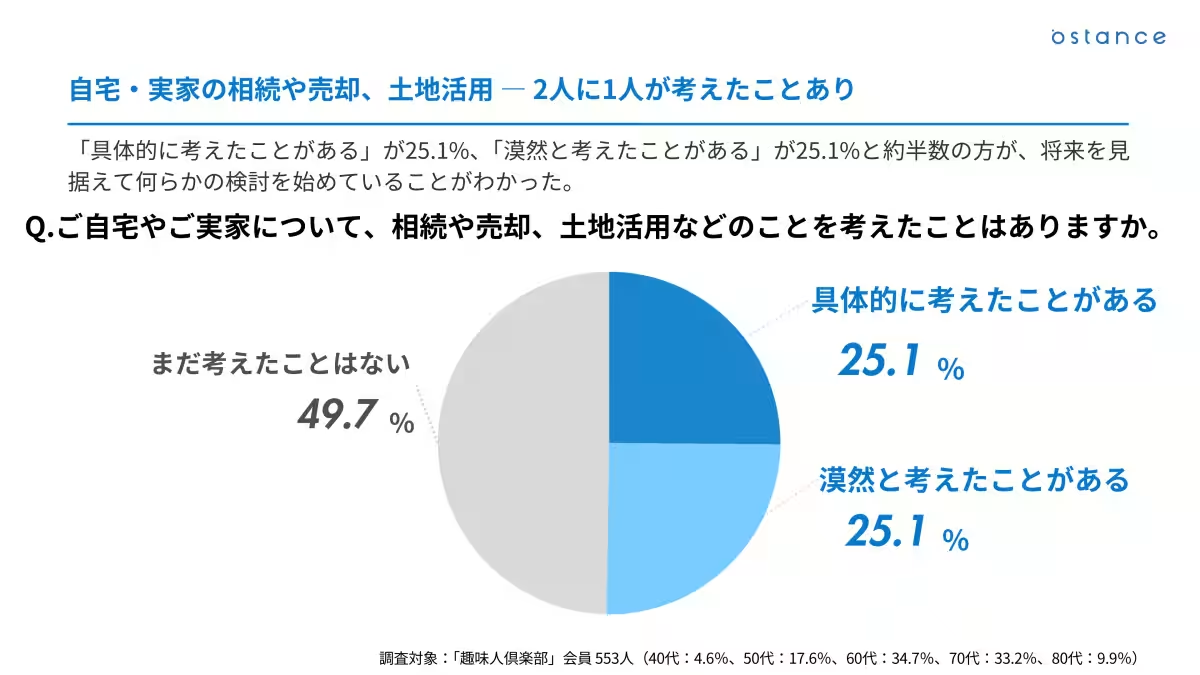
Interestingly, while urban areas display an inclination toward viewing homes as assets, rural populations exhibit a greater concern for the implications of vacant homes. The survey highlighted the reality that over 80% of senior respondents reside in owned homes, and half have considered the inheritance or sale of their residences. However, the duality of perceptions arises: many see their own homes positively, while family homes often carry negative associations concerning costs and ownership burdens.
Implications for Businesses
The findings from this survey underline the importance of nuanced approaches for businesses targeting the senior market. As the senior demographic's needs and interests are becoming more diverse, companies must tailor their communication and support services based on location, age group, and individual circumstances. Providing information and creating avenues for support based on these varying perspectives could be critical for capturing business opportunities within the aging real estate market.
About Ostance Inc. and Senior DX Lab
Ostance is committed to supporting the senior demographic through various services that contribute to enjoyable and fulfilling lives. Their business services extend to assisting companies that target seniors with exceptional support in terms of development, customer growth, research, and advocacy.
The Senior DX Lab aims to utilize technology to bring positive changes to the lives of seniors. By leveraging the vast amounts of data gathered through its community engagement, Ostance plans to collaborate with experts to push forward research that can help address the ongoing challenges faced by senior citizens today.
In conclusion, as the population ages and more seniors start to reconsider their living situations, understanding the emerging trends and perspectives on housing in this generation will be key for businesses aiming to meet their needs effectively.

Topics Consumer Products & Retail)
【About Using Articles】
You can freely use the title and article content by linking to the page where the article is posted.
※ Images cannot be used.
【About Links】
Links are free to use.