



Recent Study Shows R-1 EPS Boosts Immune Response Against COVID-19
R-1 EPS Shows Promise in Delaying COVID-19 Virus Replication
Recent findings from a collaborative study between Meiji Co., Ltd., Meiji Holdings Co., Ltd., and the Kitasato University Omura Chihiro Memorial Institute demonstrate that exopolysaccharides derived from
Lactobacillus delbrueckii ssp. bulgaricus OLL1073R-1, known as R-1 EPS, significantly inhibit the replication of coronaviruses, including SARS-CoV-2.
Overview of the Research
The groundbreaking research focused on immune factors produced by human immune cells stimulated with R-1 EPS. The study confirmed that these factors activate the type I interferon (IFN) pathway, crucial for defending against viral infections. Published in the international journal Scientific Reports on August 27, the findings were also shared at the 48th Annual Meeting of the Molecular Biology Society of Japan on December 5.
Key Findings
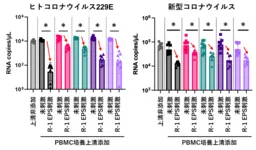
1. Inhibition of Coronavirus Replication: Immune cells from human peripheral blood mononuclear cells (PBMC) stimulated with R-1 EPS when cultured with human lung-derived cells showed reduced replication of both the human coronavirus 229E and SARS-CoV-2.
2. Mechanism of Action: The activation of the type I interferon pathway, which plays a key role in antiviral defense, was suggested to be responsible for the observed inhibition of viral replication.
3. Implications: The study indicates that immune cell-derived factors from R-1 EPS-stimulated PBMC promote the activation of the type I interferon pathway in human lung cells, potentially leading to a reduction in coronavirus replication.
The Impact of COVID-19
As the pandemic persists with new variants emerging, the development of methods to bolster natural immunity remains essential. This research builds a model to mimic the action mechanisms in vivo, revealing the suppressive effects of R-1 EPS against several coronaviruses. Given the involvement of type I interferon, the study hints at broader defensive capabilities against various infectious diseases.
Purpose of the Study
While vaccination and antiviral treatments have made strides in controlling COVID-19, ongoing defense against emerging mutations is vital. This study explored the antiviral properties of R-1 EPS, known for its immune-boosting effects, specifically targeting its efficacy against coronaviruses.
Study Methodology
The study involved stimulating PBMC with R-1 EPS and comparing their effects against unstimulated cells. The conditioned media was then applied to normal human diploid lung fibroblasts (MRC-5), followed by infection with either HCoV-229E or SARS-CoV-2. Several assays were conducted:
- - Viral Load Measurement: Evaluating the quantity of viruses in the culture medium.
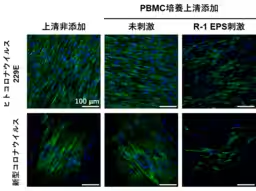
- - Immunofluorescence Analysis: Observing the specific spike protein levels associated with viral infection.
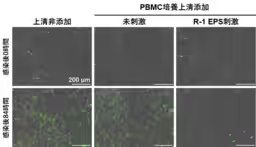
- - Real-Time Imaging: Assessing cell death post-infection.
- - RNA Sequencing: Analyzing genetic expression influenced by the treatment.
Results
- - The R-1 EPS-stimulated PBMC media exhibited increased production of numerous cytokines and chemokines.
- - Following treatment, a substantial reduction in the viral loads and spike protein levels of HCoV-229E and SARS-CoV-2 was noted.
- - Furthermore, less cell death was observed in lung cells infected with HCoV-229E when treated with the stimulated PBMC conditioned media.
- - RNA sequencing suggested the activation of the type I interferon pathway in lung cells treated with the R-1 EPS-derived PBMC media.
Discussion
The results indicate successful activation of the vital type I interferon pathway, elucidating that enhanced cellular defenses likely contributed to the inhibition of both HCoV-229E and SARS-CoV-2 replication. This discovery underscores the breadth of R-1 EPS's antiviral properties, hinting at its potential utility in protective measures against a spectrum of viral threats, including COVID-19.
Topics Health)
【About Using Articles】
You can freely use the title and article content by linking to the page where the article is posted.
※ Images cannot be used.
【About Links】
Links are free to use.