



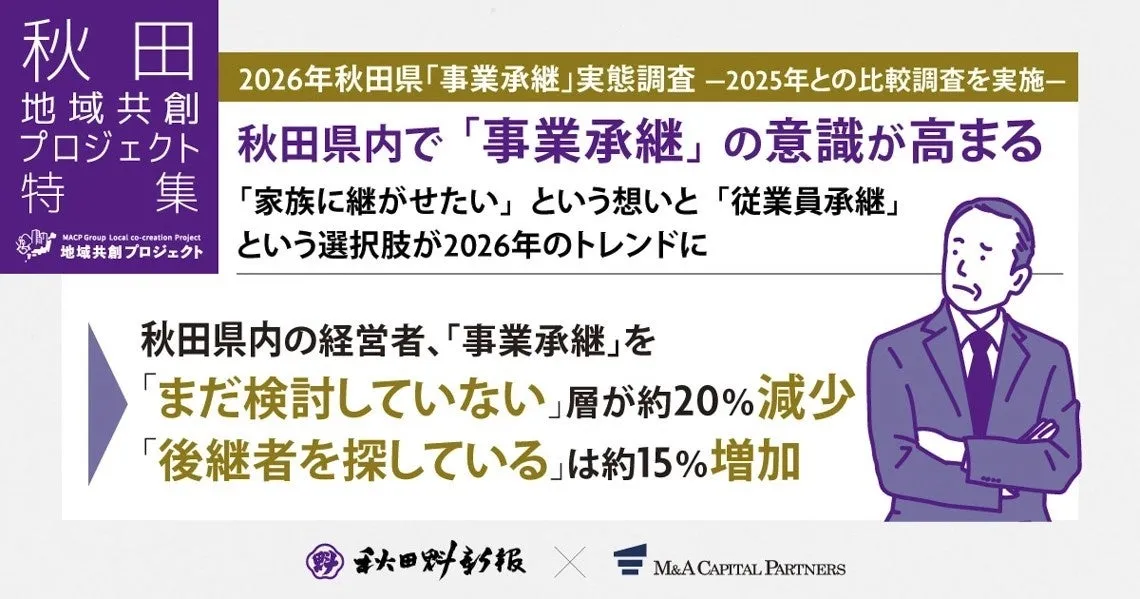
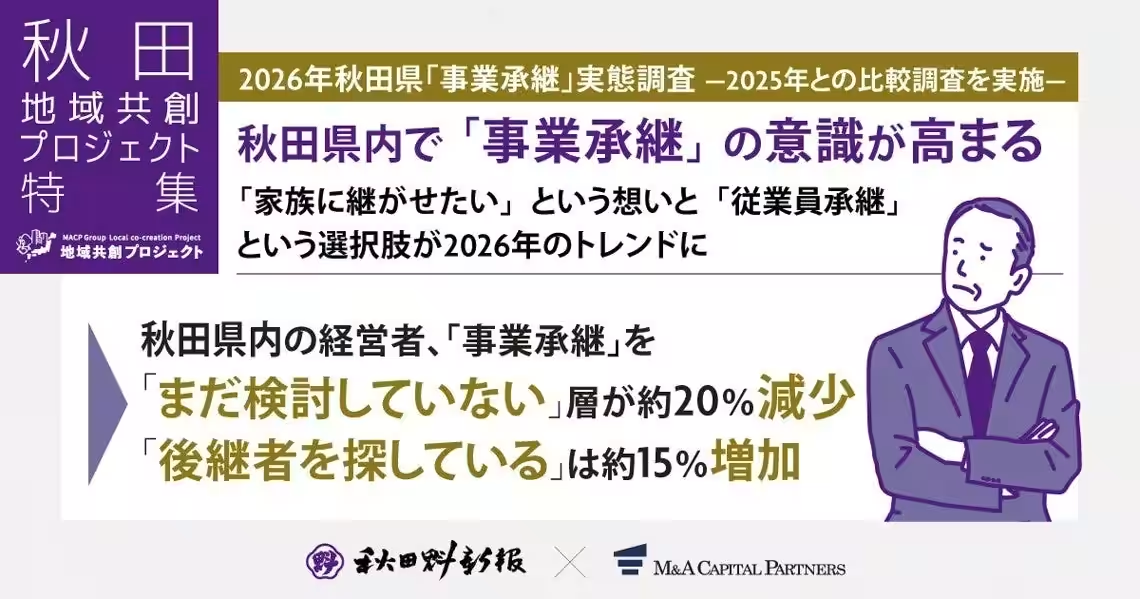
Significant Increase in Business Succession Awareness in Akita Prefecture Reported in Recent Study
Rising Awareness in Business Succession in Akita Prefecture
In a revealing study conducted by M&A Capital Partners, the landscape of business succession in Akita Prefecture has shown remarkable change over the past year. The survey involved 71 executives from the region, comparing results from 2025 and 2026 to assess shifts in perspective regarding business succession strategies.
Survey Overview
The research, which utilized the IDEATECH's market research platform, examined responses from 30 executives in 2026 compared to 41 the previous year. The subjects were surveyed from April 7 to April 14, 2026, with the goal of evaluating the current state of business succession awareness in Akita.
Key Findings:
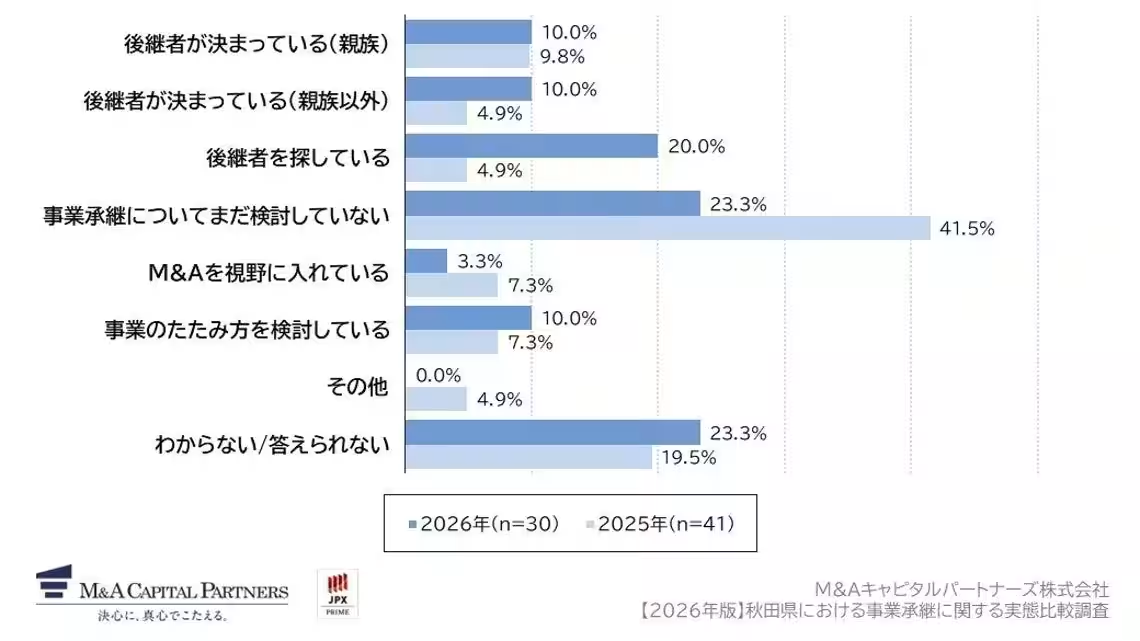
- - The percentage of respondents who have not considered business succession dropped significantly by 18.2 points, demonstrating a rising awareness of the issue.
- - Concurrently, the number of executives actively looking for successors rose by 15.1 points, indicating a tangible shift in attitude towards succession planning.
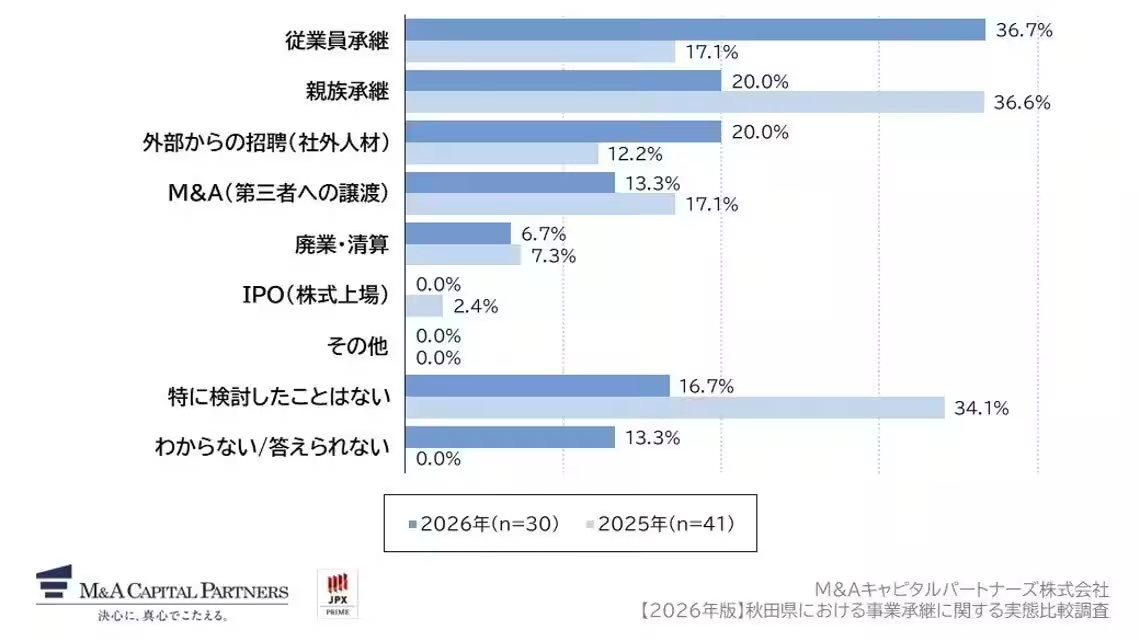
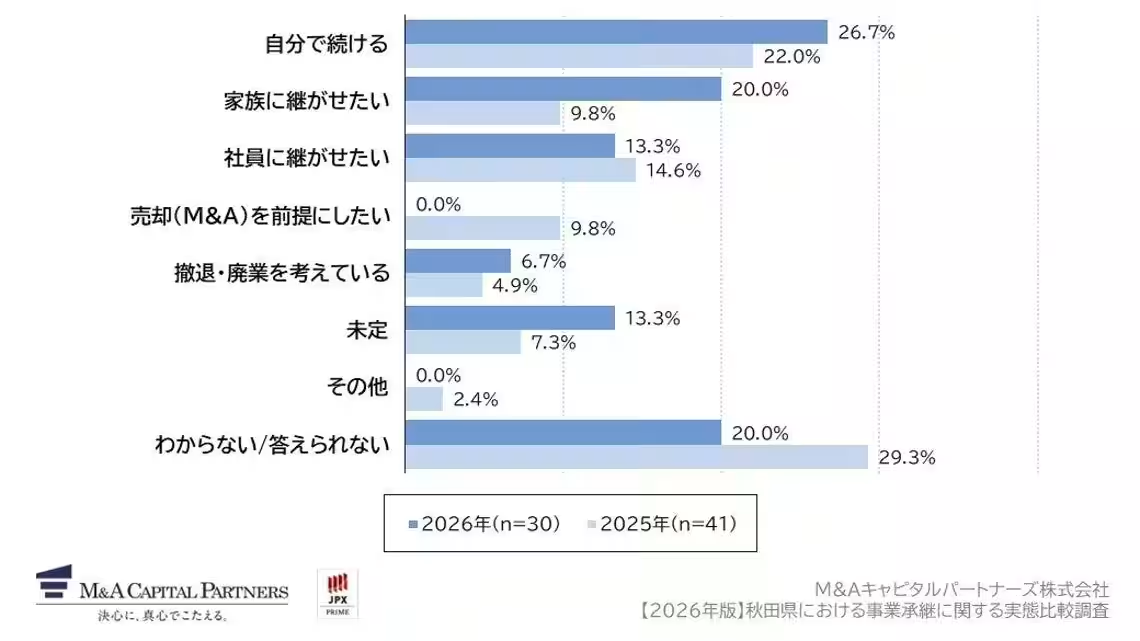
- - Importantly, the desire to pass on businesses to family members rose by 10.2 points, although there was a marked increase in considering employee succession, which spiked by nearly 20 points and superseded familial succession in interest.
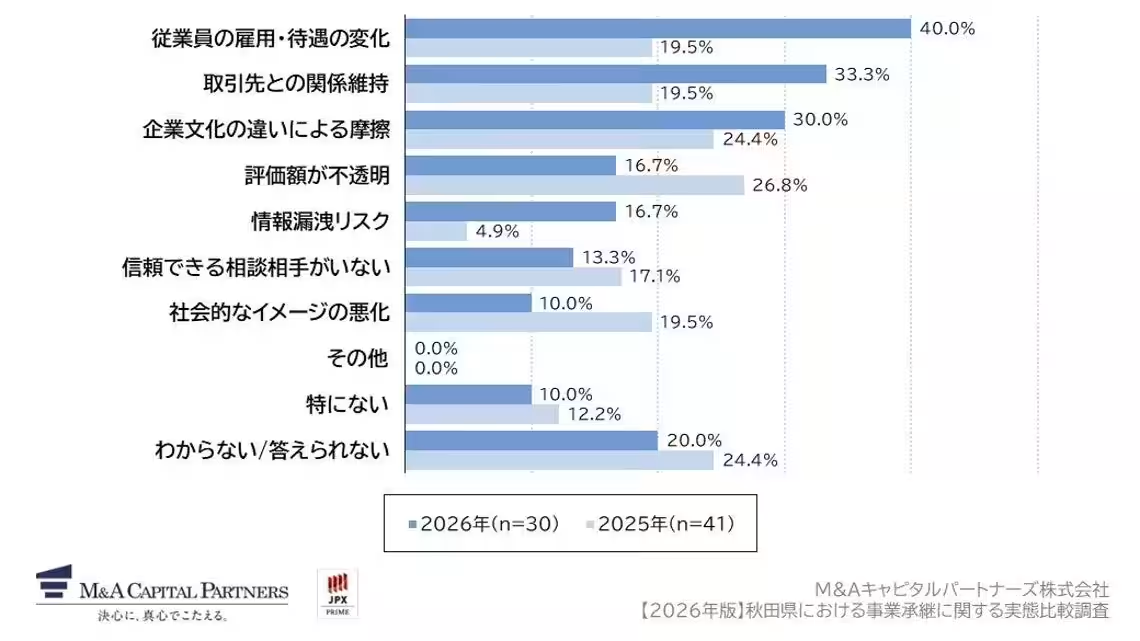
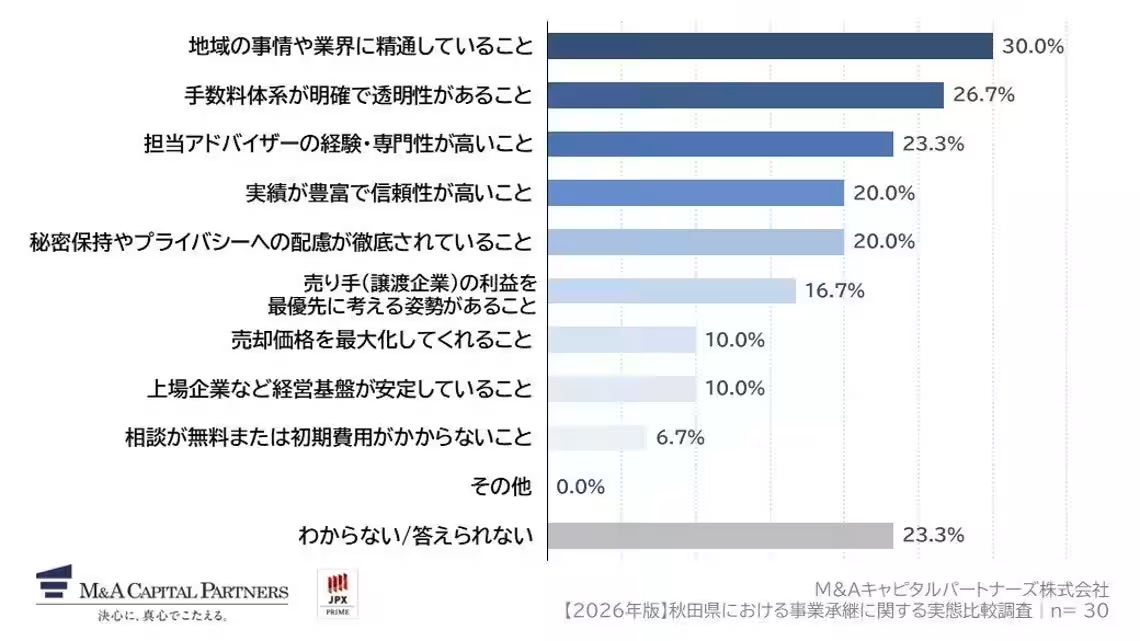
The findings align with a national trend where employee succession is gaining traction as a viable option amid changing business landscapes. The heightened focus on retaining employee jobs during transitions has become a priority for many in the region. In fact, 40% of participants ranked employee job security as vital when evaluating potential M&A (mergers and acquisitions) opportunities compared to previous concerns about valuation transparency.
Shifts in Succession Preferences
The survey results reveal a crucial evolution in how business owners in Akita are approaching succession. While 2025 saw 36.6% favoring familial succession, that number fell sharply to 20% in 2026. Conversely, the preference for employee succession rose considerably, now at 36.7%. This transition signals a broader recognition of the necessity for sustainable business practices that ensure job security for employees while satisfying succession needs.
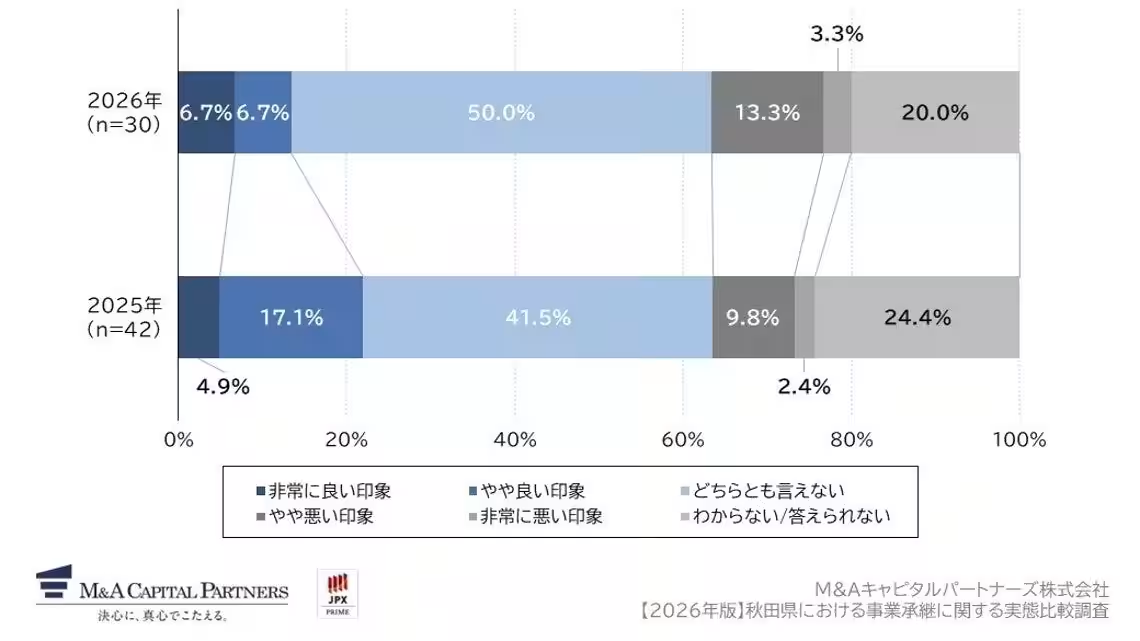
Additionally, interest in M&A as a succession strategy appears to be shifting. In the 2025 survey, only 4.9% of executives expressed a very positive view of M&A, but this increased to 6.7% in 2026. The neutrality toward M&A also grew, suggesting that while many are still assessing this route, there is growing openness to its possibilities.
Employment Considerations in M&A
One of the key areas of concern for business owners considering M&A revolves around the implications for employee employment and treatment. In 2026, 40% of respondents highlighted concerns over potential job security and changes in employee conditions, indicating a marked shift from previous years, where valuation was the primary concern.
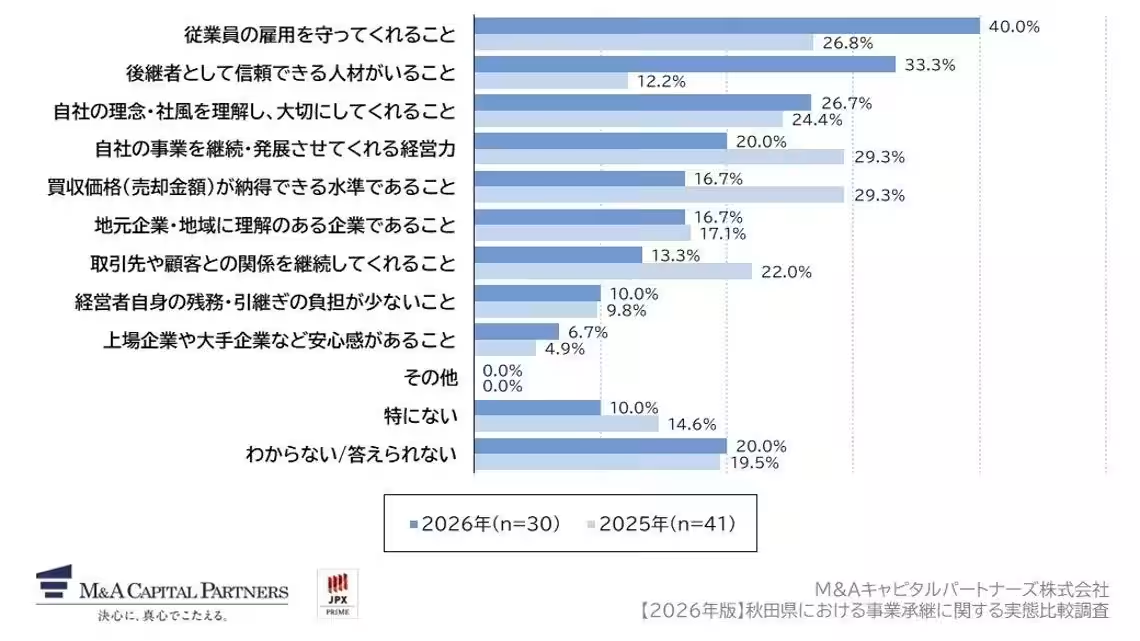
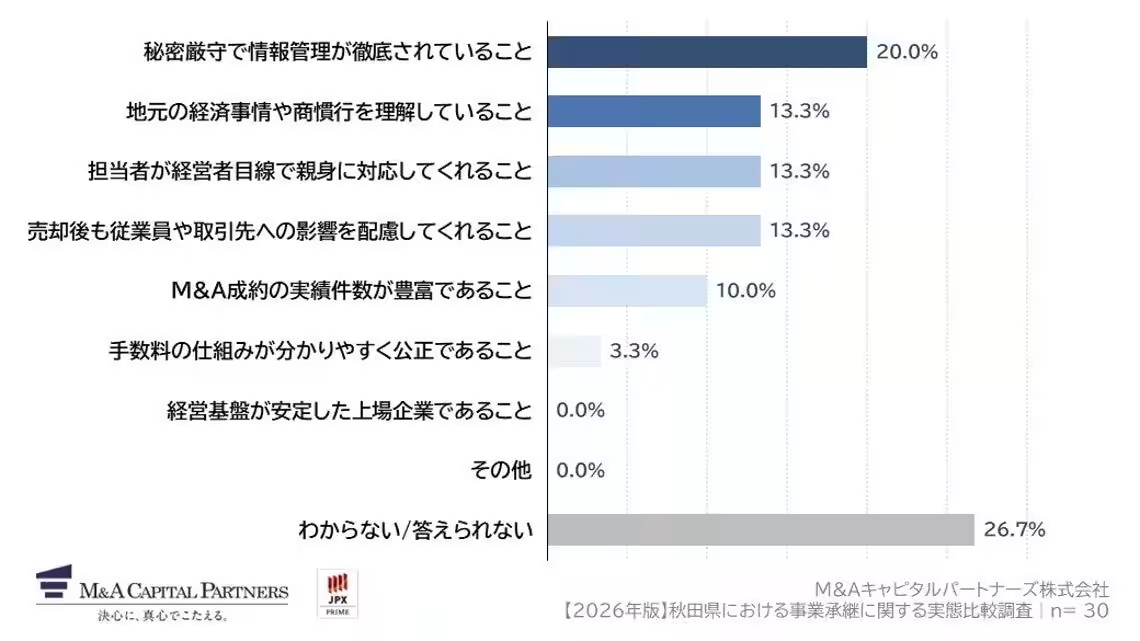
Moreover, when considering potential buyers, the desire for assurances regarding employee job security surged, reflecting a more compassionate approach to business transitions. This trend illustrates a growing understanding among business owners of the importance of workforce stability in the face of corporate change.
Looking Forward
M&A Capital Partners continues to support local enterprises in Akita through initiatives like the Akita Regional Co-Creation Project, underlining the urgency of addressing the succession crisis heightened by the demographic challenges facing the region. As of now, the successor vacancy rate in Akita remains alarmingly high at 73.7%—another indication of the pressing need for effective succession planning.
In conclusion, the dramatic increase in awareness and consideration for employee succession as a viable path highlights the changing landscape of business ownership in Akita. The unique challenges that Akita faces demand innovative solutions that prioritize business sustainability, employee security, and community engagement. As the awareness of these issues grows, it becomes paramount for leaders to act decisively to improve succession outcomes for future generations.

Topics Business Technology)
【About Using Articles】
You can freely use the title and article content by linking to the page where the article is posted.
※ Images cannot be used.
【About Links】
Links are free to use.