



Senior Mobility Support Services: Insights from the Latest Survey Reveal Preferences and Pricing
Understanding Senior Mobility Support Needs
The recent research conducted by Cosmo Health, a marketing platform specialized for seniors, sheds light on the mobility and outing behaviors of individuals aged 50 and above. This survey, focusing on how seniors travel and their preferences for movement support services, offers vital insights into their daily lives and needs.
Key Findings from the Survey
Dependency on Personal Vehicles
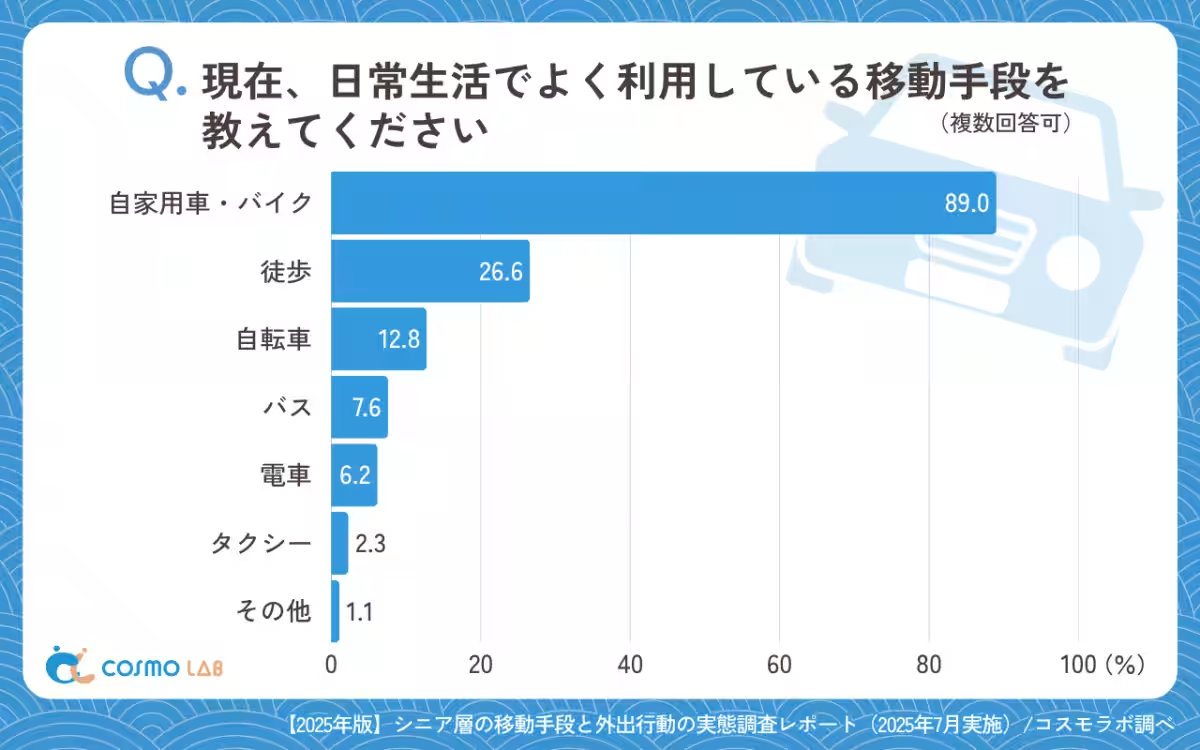
A striking 89.0% of participants rely primarily on personal vehicles, including cars and motorcycles, highlighting a significant dependence compared to public transportation options. This reveals the value seniors place on the freedom and convenience offered by personal mobility, illustrating that for this demographic, personal vehicles are essential for daily living, given their challenges with public transit.
Active Outing Frequency
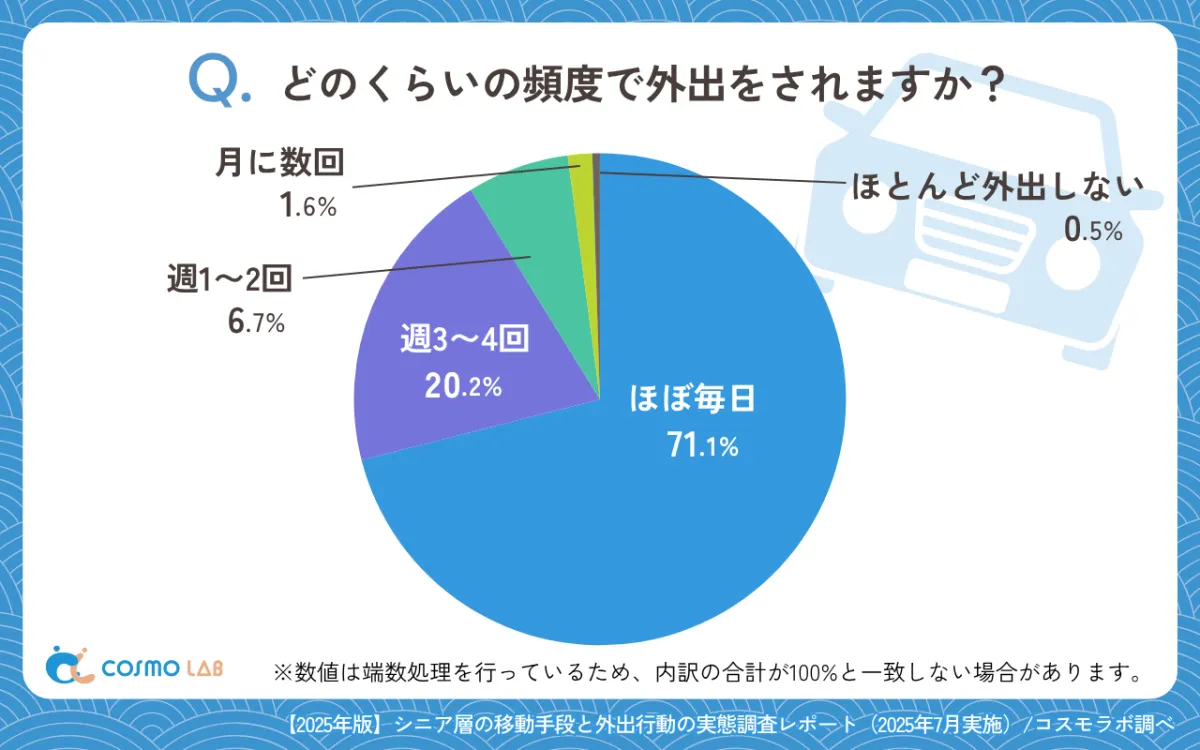
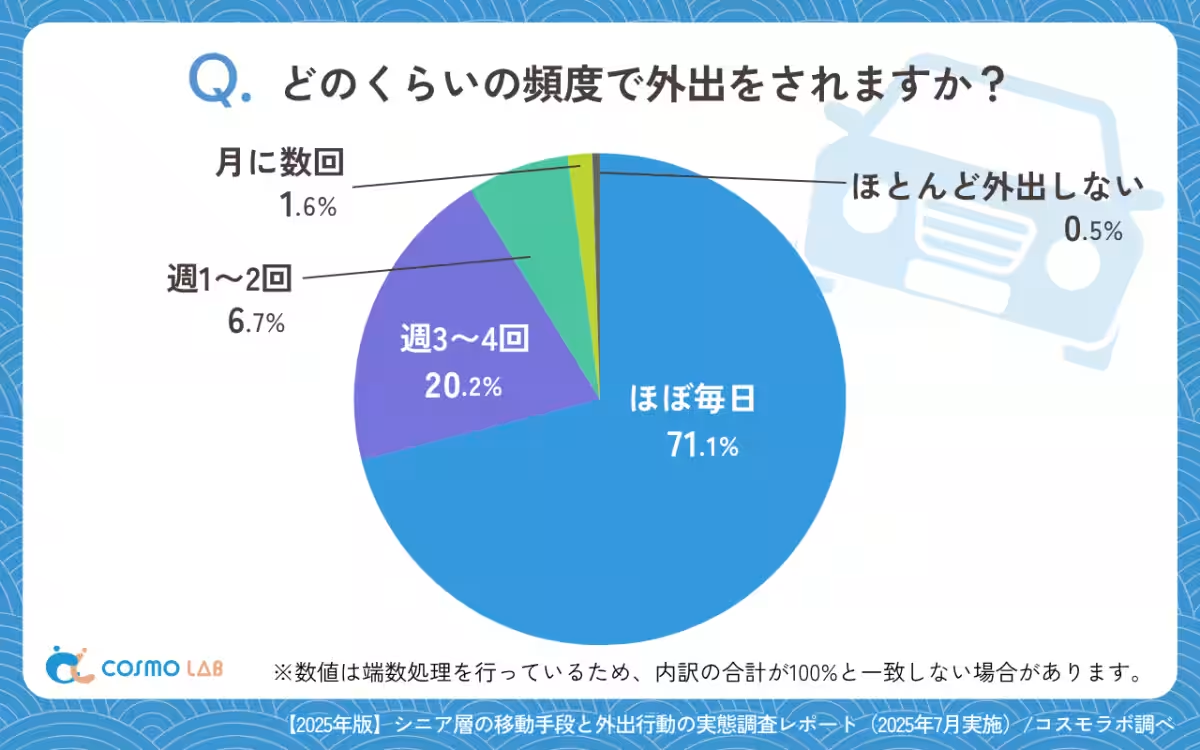
The survey results revealed that 71.1% of seniors venture outside almost daily. This challenging conventional assumptions about the activity levels of older adults, demonstrating that many remain socially engaged and active. The need for reliable transportation thus becomes crucial, closely tied to their quality of life.
Economic Considerations Impacting Service Use
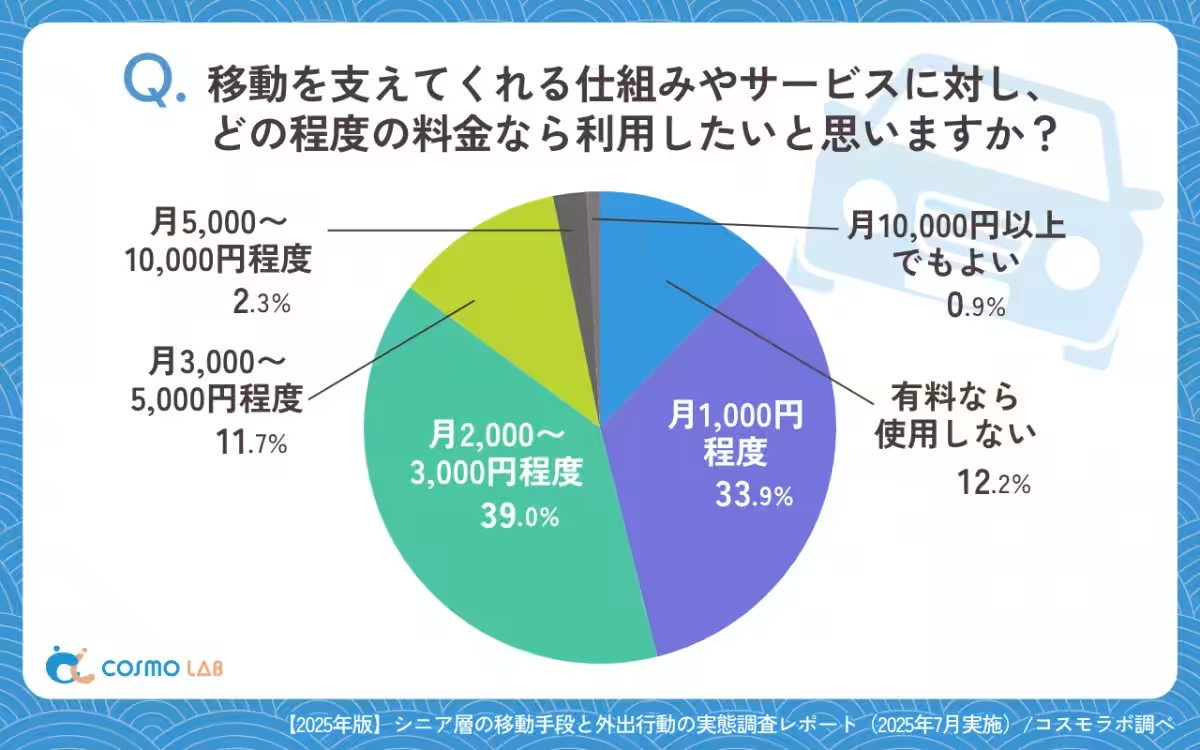
The findings also indicate that 39.0% of seniors prefer mobility support services that cost around 2,000 to 3,000 yen per month. A significant 33.9% are inclined towards services around 1,000 yen per month. Cost-efficiency plays a critical role in influencing subscription decisions, suggesting that low-cost options may encourage wider usage.
Challenging Mobility Barriers
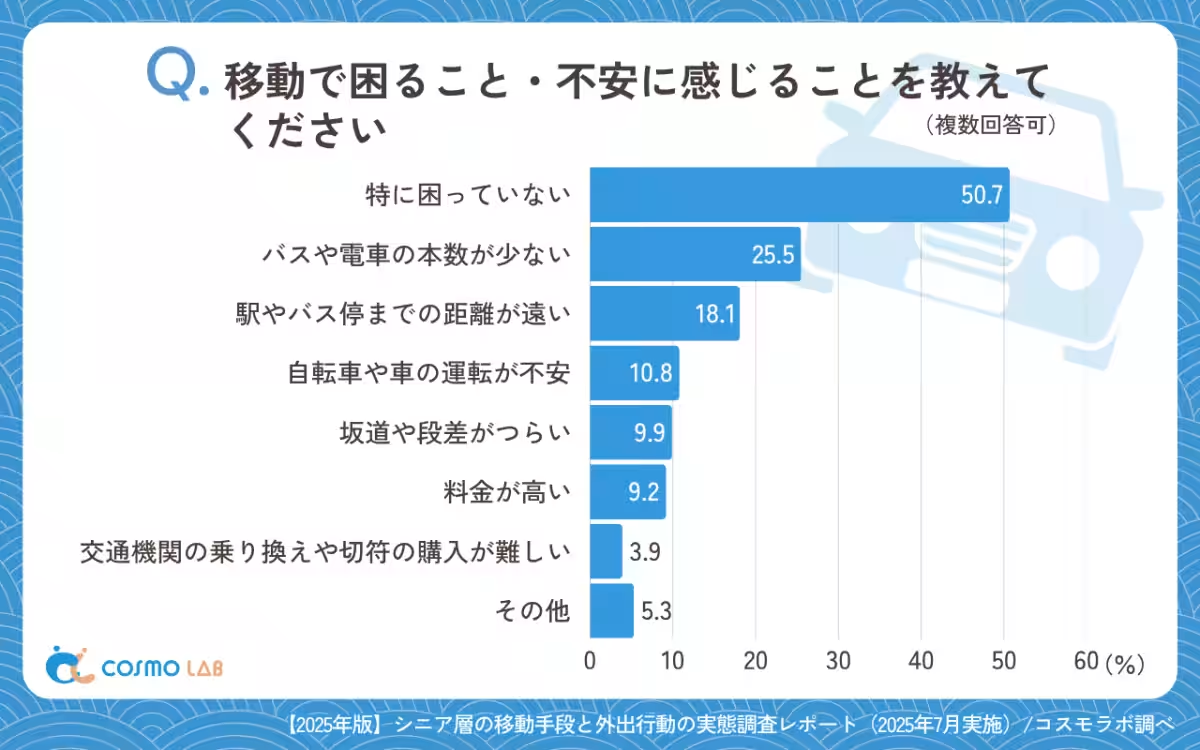
Despite the high percentage stating they have no particular mobility concerns (50.7%), roughly 25.5% cited issues like limited public transport options and far distances from bus stops as barriers. This points to a need for improvement in infrastructure to support independent mobility.
Comparing Past and Present Outing Frequencies
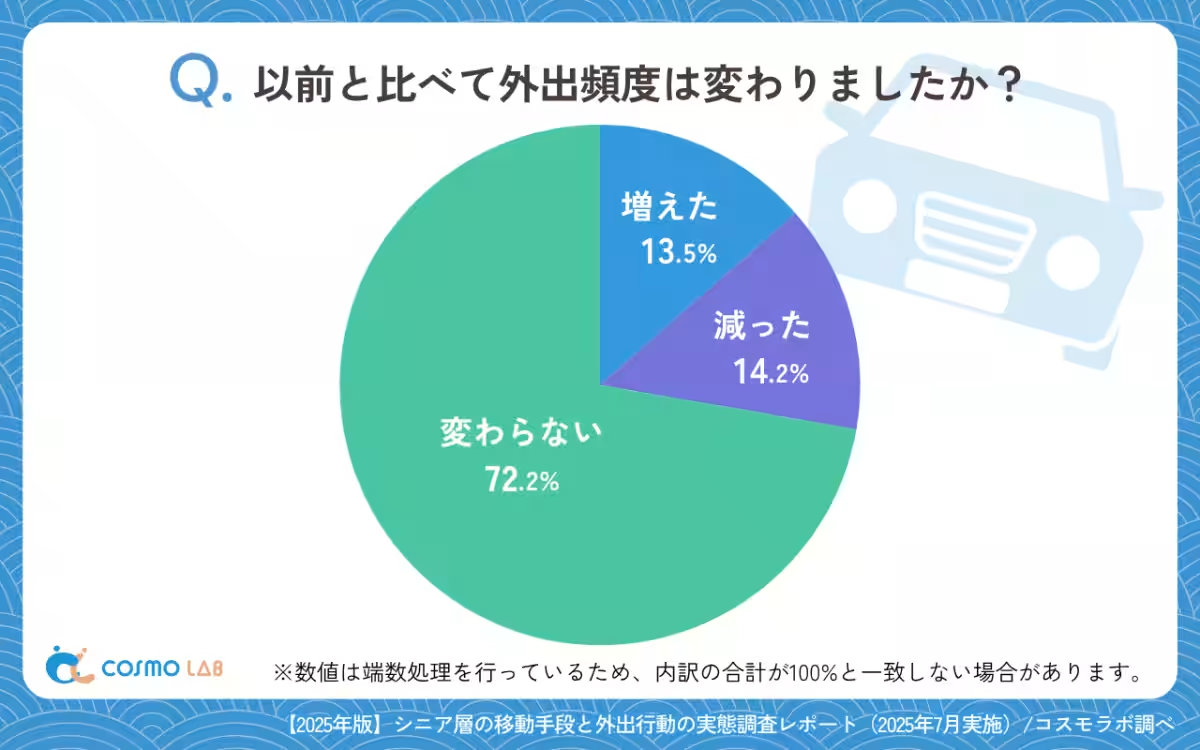
An overwhelming 72.2% of seniors reported that their outing frequency remains unchanged, reflected in 14.2% indicating they go out less, and 13.5% stating they have increased their outings. This stability indicates that most seniors manage to maintain their social activities effectively.
Desired Mobility Solutions
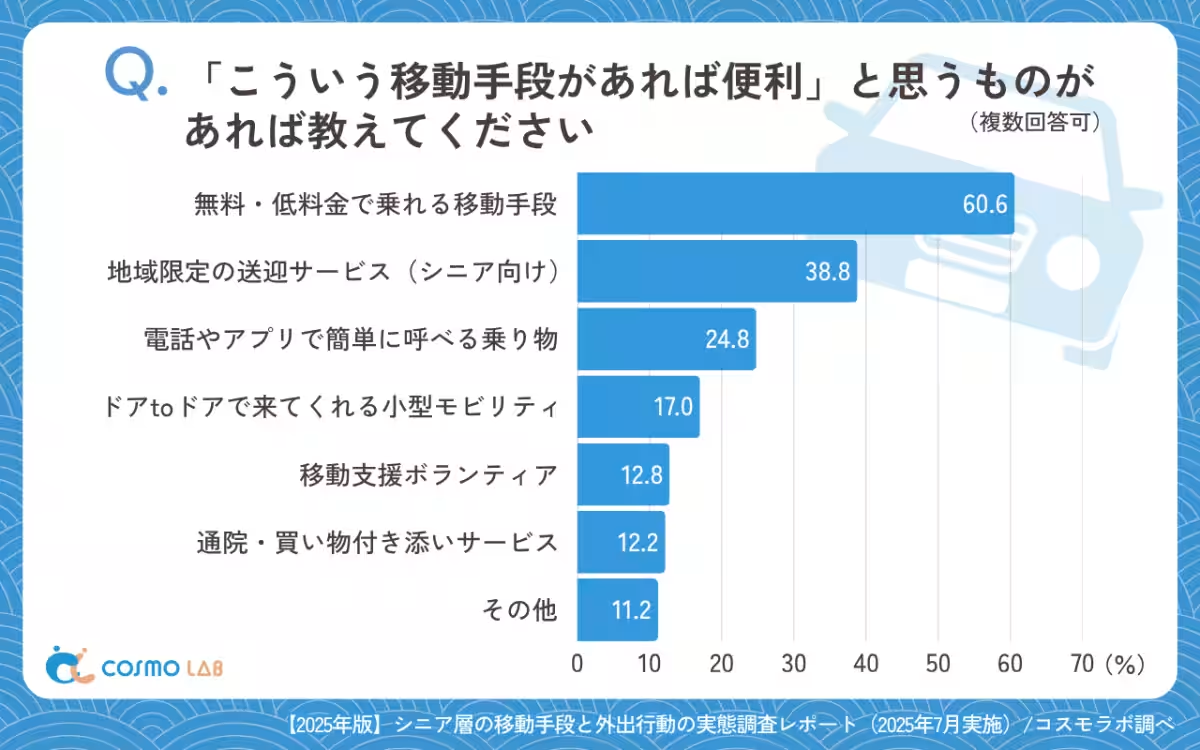
When asked about ideal mobility solutions, 60.6% highlighted the need for affordable rides, while 38.8% expressed interest in community-based transport services tailored for seniors. Suggestions for user-friendly booking options through phone or apps were also noted by 24.8%.
Willingness to Pay for Mobility Services
In terms of pricing preferences, 39.0% would be willing to pay 2,000 to 3,000 yen, while 33.9% would opt for 1,000 yen. Only a minority, 12.2%, indicated they wouldn't consider paid services at all.
Conclusion
The analysis from Cosmo Health provides insightful revelations about seniors' mobility preferences and behaviors. A strong attachment to traditional mobility modes and a cautious shift to digital services were observed in the seniors' shopping behavior. Regular visits to stores remain prevalent, with 41.6% going out once or twice weekly and 36.3% three to four times a week.
A staggering 86.7% of seniors have never used online grocery services, and the predominant factor for resistance was a desire to handle products personally, as expressed by 56.8%. Such insights emphasize the reliance on quality and tactile engagement in shopping experiences among seniors.
To further enhance the adoption of digital services, a focus on quality assurance, ease of use, varied payment options, and confidence-building through positive experiences will be essential. Understanding these seniors’ needs is paramount in developing effective mobility support solutions in the future.
Cosmo Lab, with its extensive resources, continues to explore various aspects of senior living, providing clear pathways for enhancing their daily experiences and overall quality of life.
Topics Consumer Products & Retail)
【About Using Articles】
You can freely use the title and article content by linking to the page where the article is posted.
※ Images cannot be used.
【About Links】
Links are free to use.