



Surge in Multi-Gene Testing for Lung Cancer Patients in Japanese Hospitals
Surge in Multi-Gene Testing for Lung Cancer Patients
A recent analysis concerning lung cancer treatment has unveiled a significant uptick in the rates of multi-gene testing among patients across 300 hospitals in Japan. Conducted by Global Health Consulting Japan (GHC) and the Alliance for Lung Cancer (A4LC), this study sheds light on how advancements in genetic testing are changing cancer therapies, specifically for non-small cell lung cancer (NSCLC).
The Role of Multi-Gene Testing
Multi-gene tests, known as multiplex companion diagnostics, allow healthcare providers to perform multiple genetic analyses simultaneously. Unlike traditional single-gene tests that were commonly conducted just a few years ago, these modern tests can analyze numerous genes in one go, which has been crucial for discovering suitable targeted therapies for cancer patients. Given that targeted drugs can often be more effective than conventional chemotherapy, understanding the underlying genetic mutations is essential for optimal treatment.
In fact, this report comes in conjunction with the pending approval of several drugs that target 11 different driver gene mutations associated with NSCLC. By June 2025, 23 medications are anticipated to be approved, indicating a burgeoning landscape for lung cancer treatment options.
Recent Findings from the Study
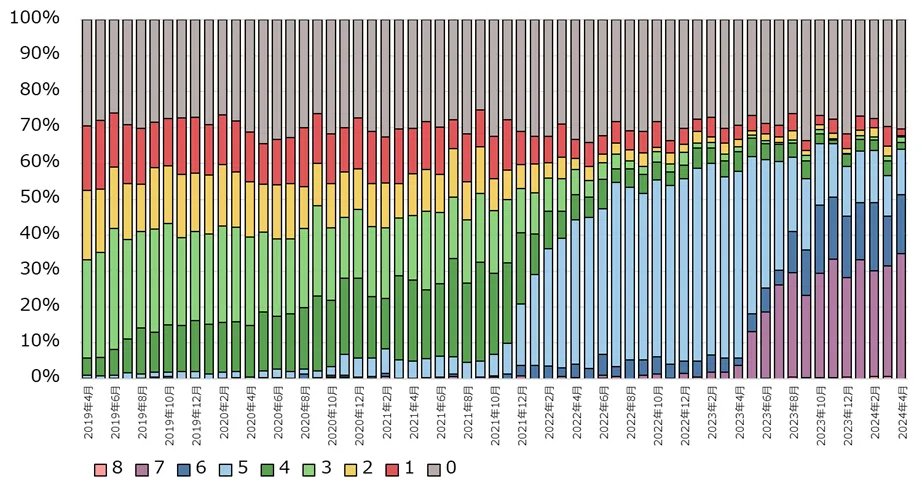
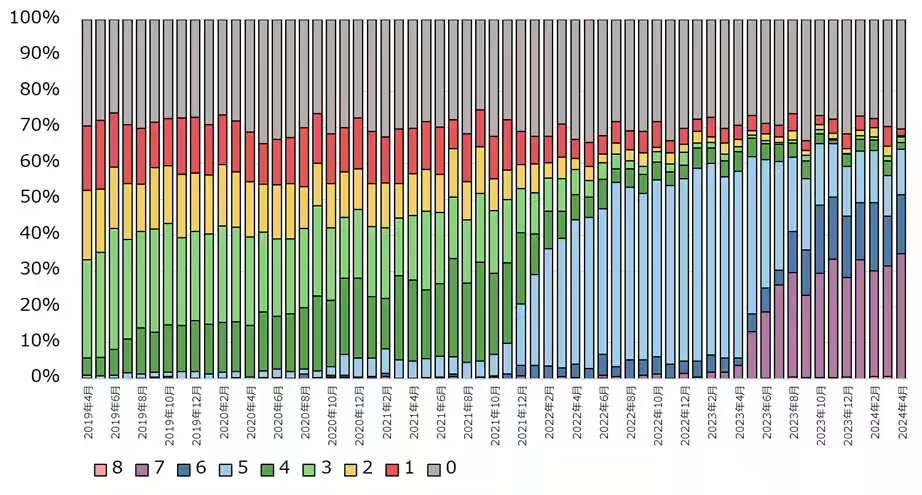
The joint study, with a detailed examination of 24,047 lung cancer patients from the DPC database, highlights the evolution of genetic testing protocols in Japanese hospitals. Findings from the analysis show that a typical testing panel consisted of three genetic markers in early 2019, whereas by 2022, the number of tested genes had risen to five. As of 2023, hospitals are now commonly testing for seven different genetic markers, which account for roughly one-third of all tests conducted.
These advancements reflect how the integration of more comprehensive testing is enhancing the availability of targeted therapies. Many patients, previously found to be unsuitable for specific drugs based on earlier tests, may now discover that they do, in fact, have suitable therapeutic options through multiplex testing.
Implications of Genetic Testing for Patients
The implications of these findings are profound, particularly in the context of improving patient outcomes. For lung cancer patients, gaining access to effective targeted therapy based on genetic testing can transform their treatment journey and significantly enhance their quality of life. The increasing adoption of multiplex companion diagnostics suggests a positive trend toward personalized medicine — tailoring treatment protocols to the genetic profiles of individual patients.
Moreover, the report also presents various insights into age-based testing rates and the distribution of specific genetic mutation tests among different groups. This granularity allows stakeholders to understand not only the general trends but also the demographic nuances of lung cancer treatment efficacy.
As the field progresses, continuous monitoring and analysis through established platforms like the DPC database will be instrumental in tracking the changing landscape of lung cancer therapies. Both GHC and A4LC are committed to further investigating these developments, as evidenced by their upcoming 2025 white paper, which will continue to delve into the complexities surrounding driver gene tests in lung cancer.
Conclusion
The surge in multi-gene testing among lung cancer patients signifies a pivotal shift towards more effective and personalized treatment solutions. As testing protocols improve and more targeted medications become accessible, the future landscape of cancer treatment in Japan looks promising. Stakeholders must continue to prioritize these advancements in genetic testing to ensure that all patients receive optimal therapeutic care based on their unique genetic profiles.
Topics Health)
【About Using Articles】
You can freely use the title and article content by linking to the page where the article is posted.
※ Images cannot be used.
【About Links】
Links are free to use.