



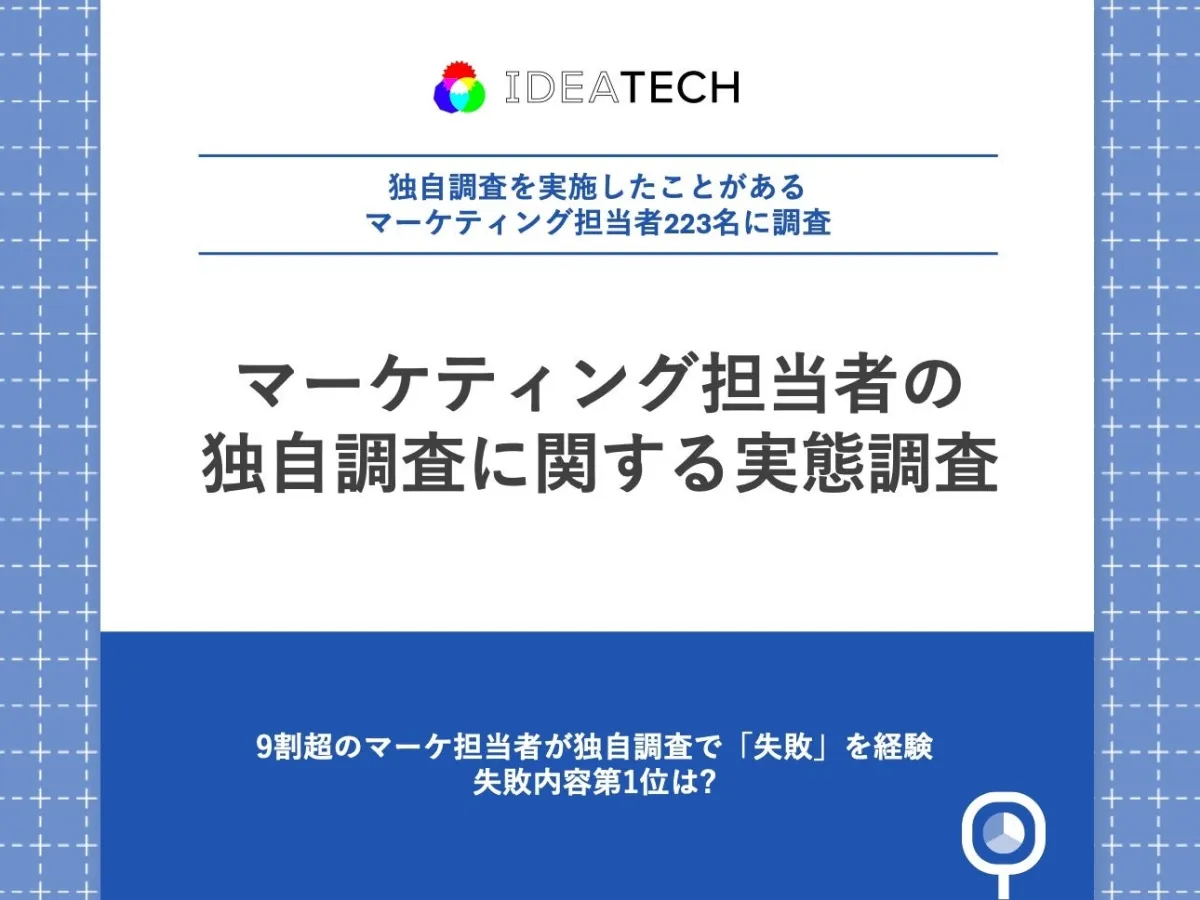
The Pitfalls of Data-Driven Marketing: Insights from IDEATECH's Survey
The Pitfalls of Data-Driven Marketing: Insights from IDEATECH's Survey
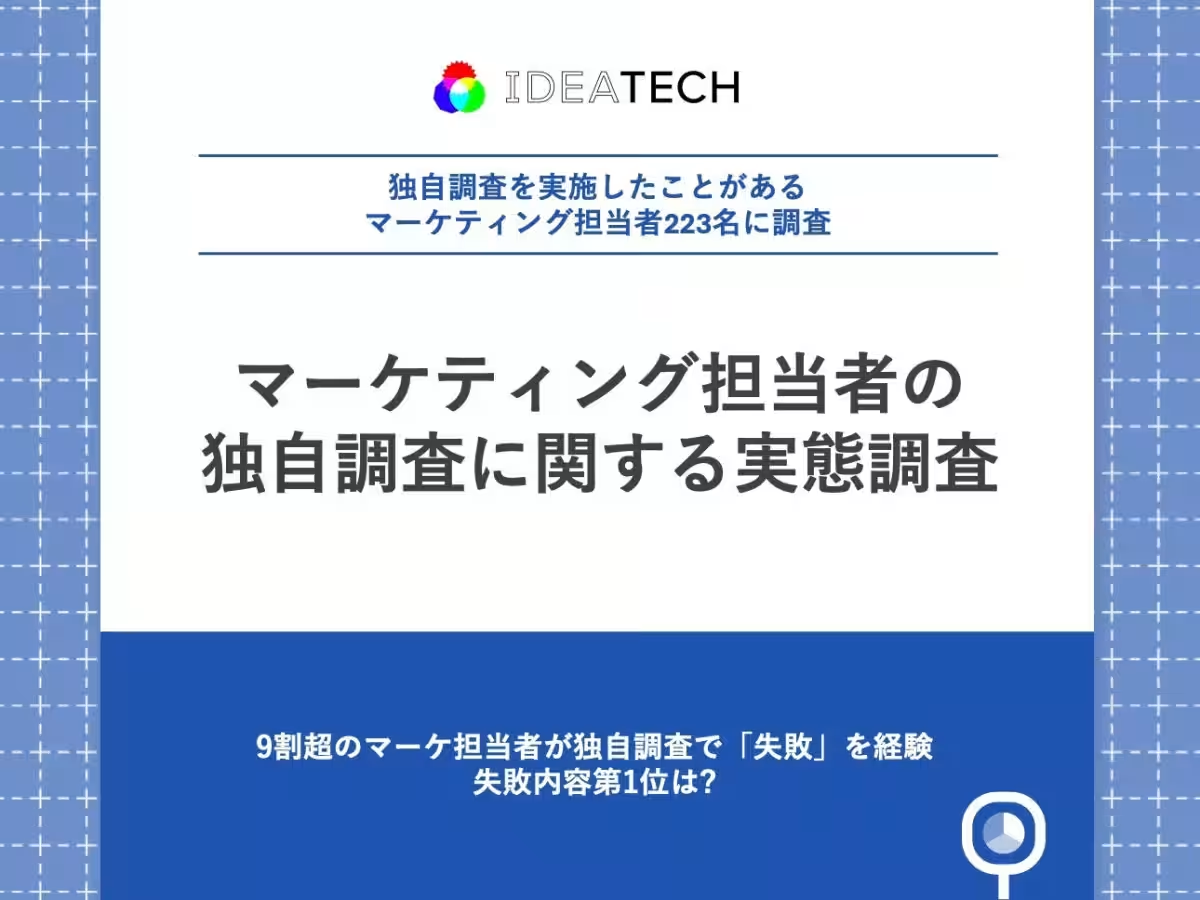
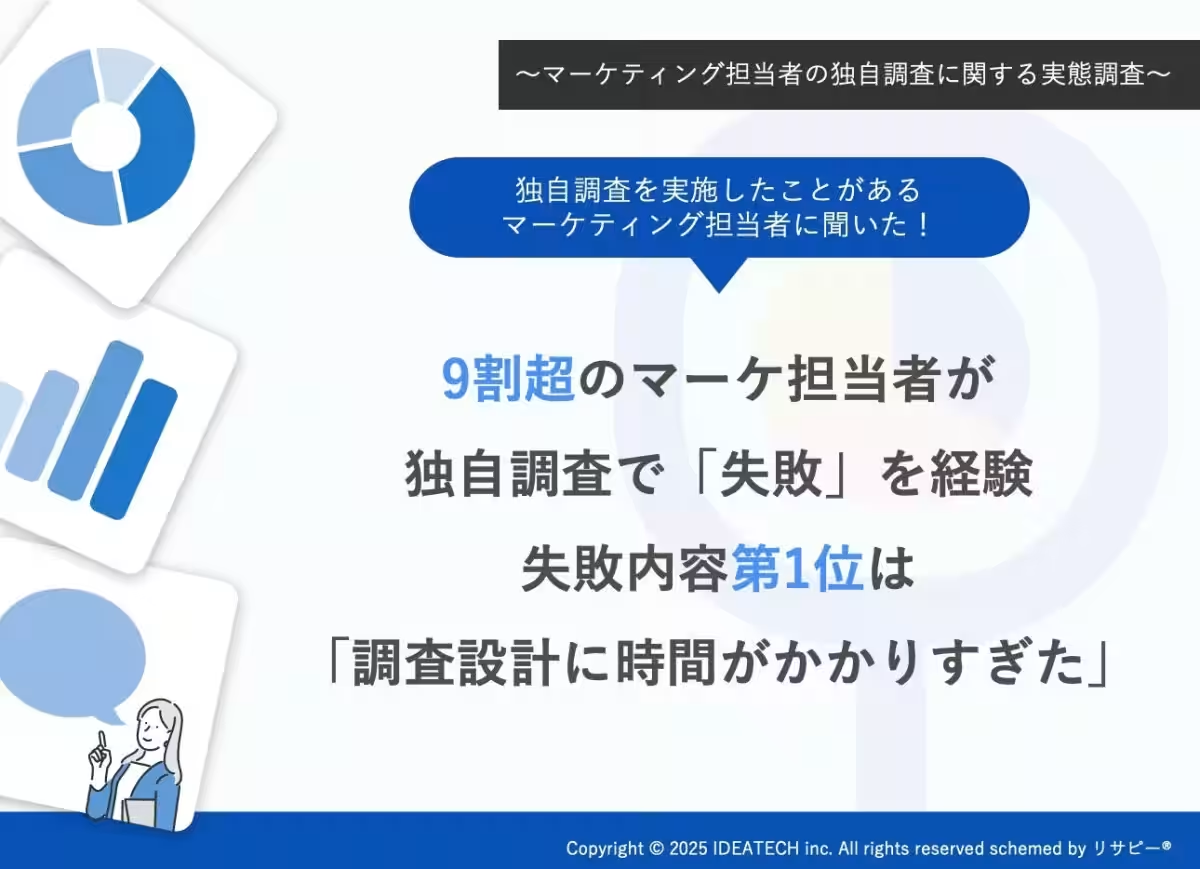
Data-driven marketing is increasingly becoming a necessity for businesses aiming to thrive in today’s competitive landscape. However, a recent survey conducted by IDEATECH has unveiled a disconcerting trend: over 90% of marketers have experienced failures in their own unique research efforts. This article delves into the key findings of the study, shedding light on the common challenges faced by marketing professionals.
Survey Overview
IDEATECH, based in Minato, Tokyo, operates the research marketing service “Lisapee®.” To better understand the realities faced by marketers conducting their own research, they surveyed 223 marketing professionals who have conducted their own unique surveys. The objective of the survey was to explore both the purpose and the outcomes of conducting such research;
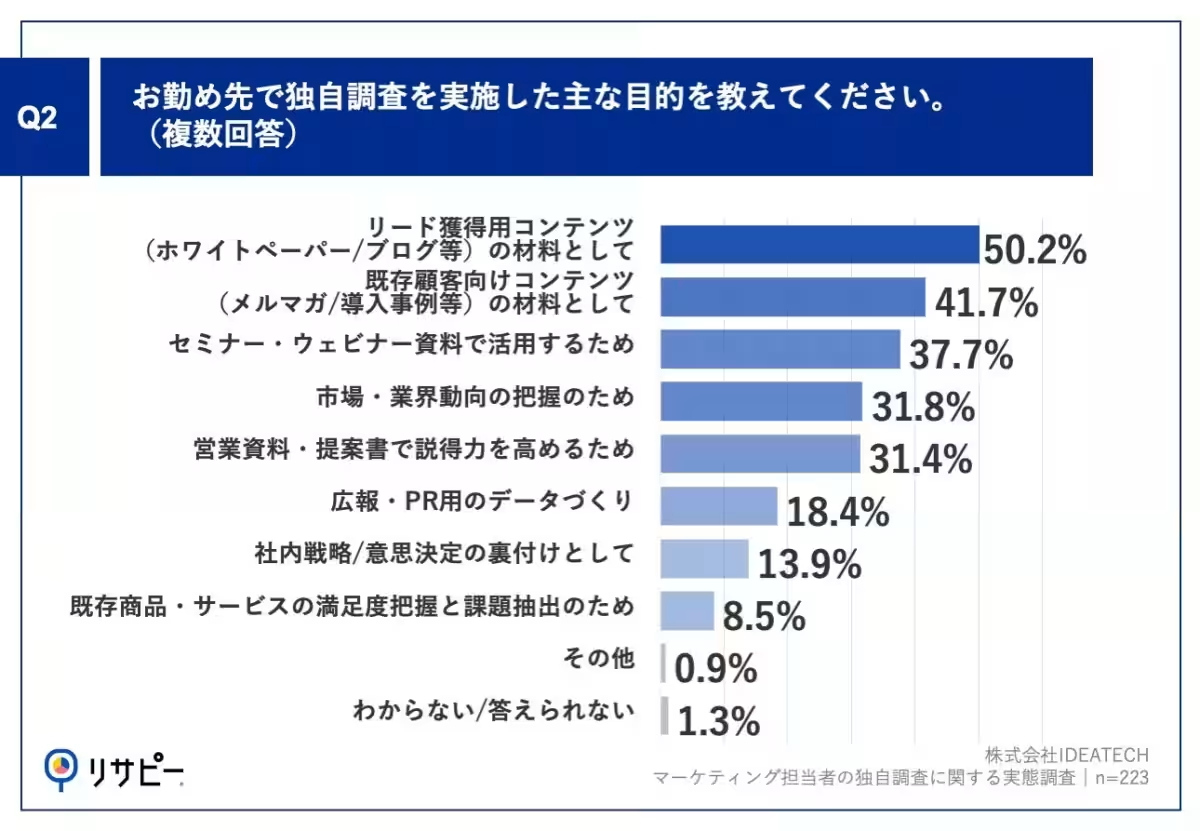
- - Largest Purpose for Conducting Research: More than half, or 50.2%, stated that the primary reason for conducting research is to gather material for lead generation content (e.g., white papers and blogs). The second most common reason, cited by 41.7%, was to generate material for content intended for existing customers.
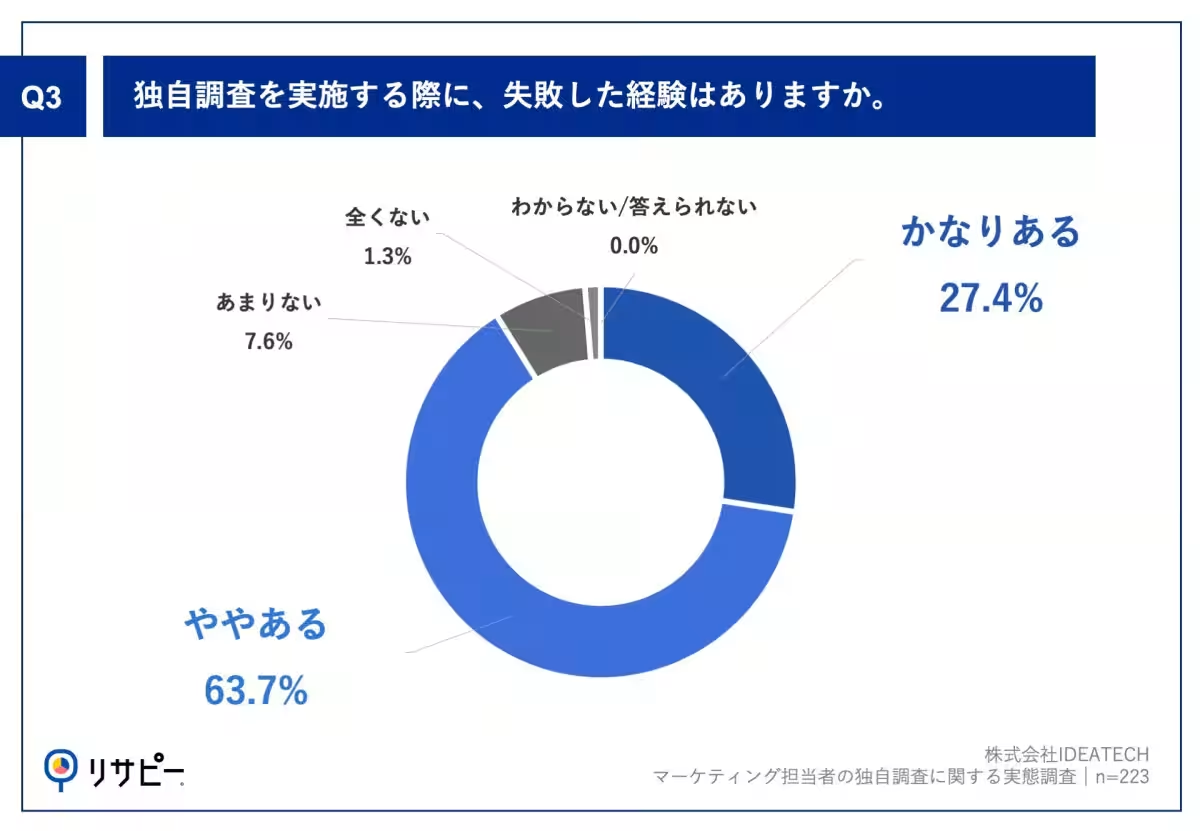
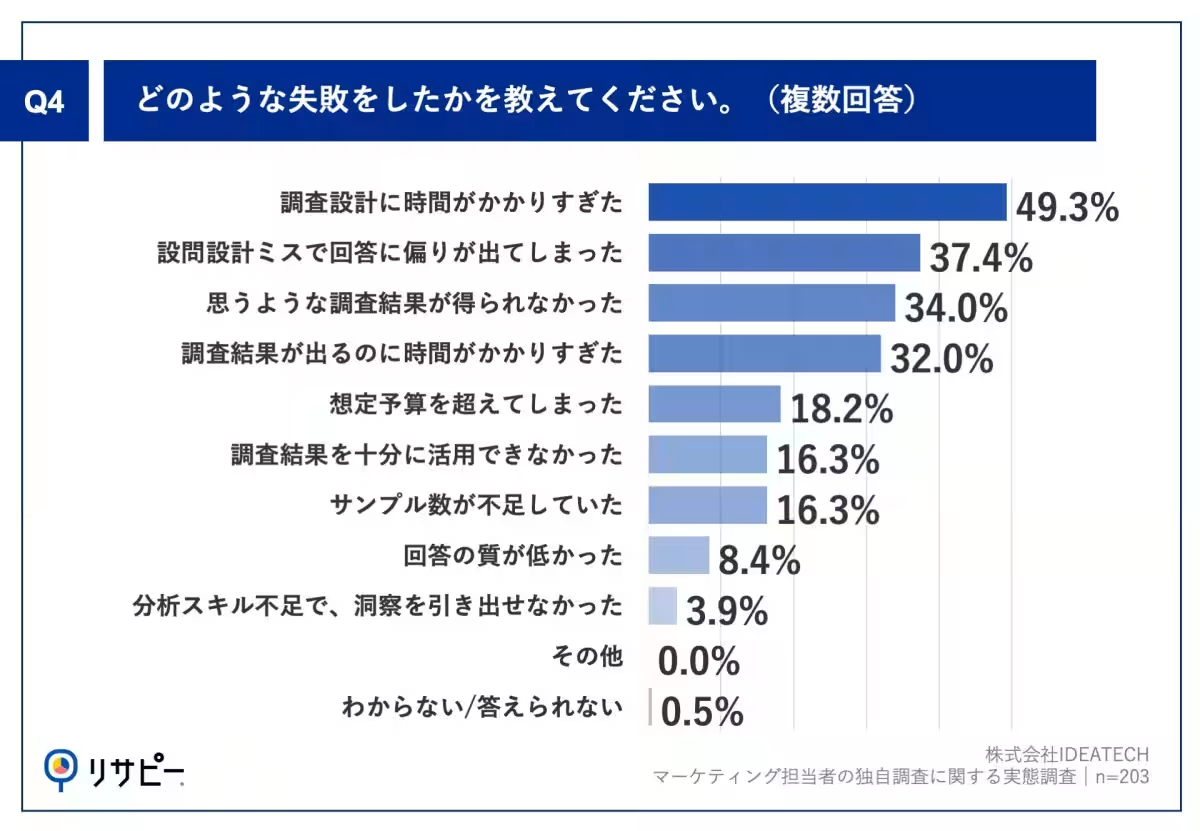
- - Common Reasons for Failure: When asked about their experiences, 91.1% admitted to having failures in their research endeavors. Notably, 49.3% indicated that the most common mistake was taking too long on research design, followed by design errors that led to biased results cited by 37.4%.
Key Findings
1. Research Challenges:
The survey highlighted the primary challenges faced by marketers in the research process. The most frequently cited issue was the extended time spent on research design (49.3%), emphasizing the importance of efficient planning and execution. This indicates that many marketers struggle with balancing the quality of research with necessary timelines.
2. Types of Research Methods:
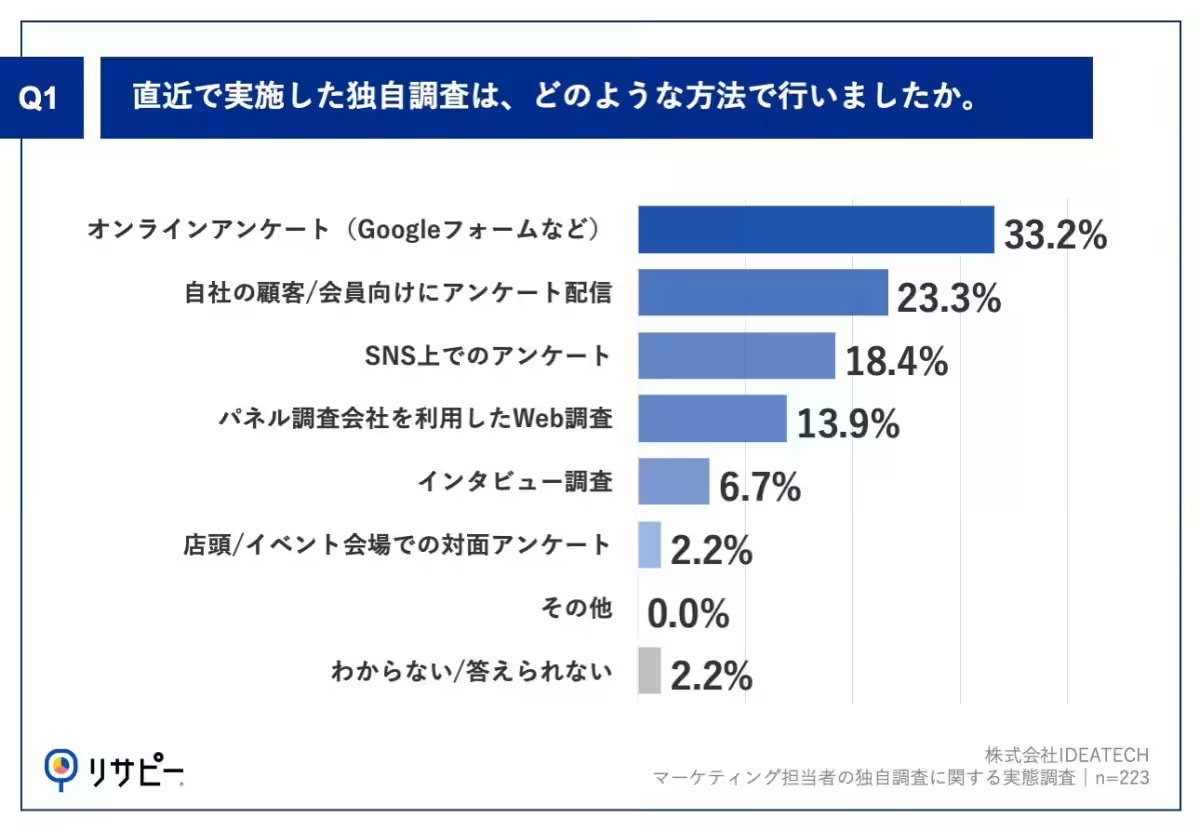
Among the various methodologies employed, a significant portion (33.2%) relied on online surveys, such as Google Forms, for their recent research. Other methods included sending out questionnaires to in-house customers/members (23.3%) and utilizing social media polls (18.4%). This diversity in research methods shows that organizations are adapting to leverage multiple channels for gathering insights.
3. Usage of Findings:
The insights gathered from these surveys are crucial. A total of 50.2% of participants employed their research as material for content aimed at acquiring leads, while 41.7% used it to provide existing clients with valuable information through newsletters or case studies. It's evident that research plays a pivotal role in content strategy and customer engagement.
Conclusion
The data from IDEATECH's survey clearly illustrates a landscape where many marketers recognize the profound potential of independent research. However, these insights also underline significant obstacles that hinder their success in executing these endeavors. The acknowledgment that 91.1% of respondents experienced setbacks in their research indicates a crucial need for improved strategies and better resource management.
Marketing professionals are thus encouraged to explore effective tools and support systems designed to enhance research efficiency and output quality. IDEATECH stands ready to assist in meeting these challenges head-on with their comprehensive research marketing solutions.
Upcoming Seminar
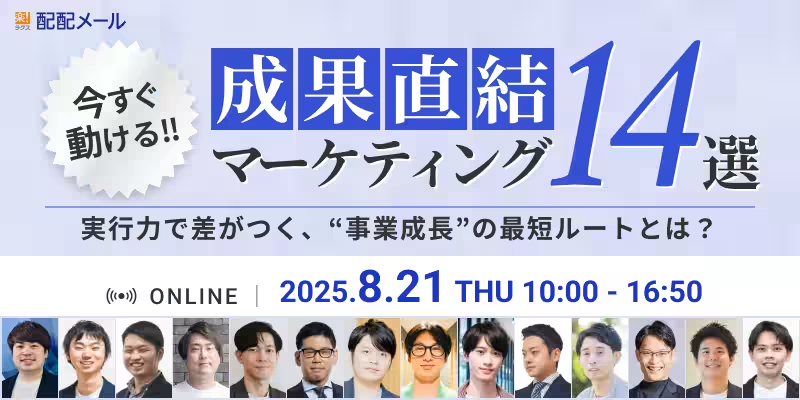
Mark your calendars for an essential seminar on August 21, 2025, entitled “14 Directly Effective Marketing Strategies – What are the Shortest Routes to Business Growth?”
This event will feature engaging discussions led by IDEATECH executives, focusing on innovative methods to enhance lead acquisition and market positioning through data-driven approaches.
To download the full survey findings, please visit this link.
Topics Business Technology)
【About Using Articles】
You can freely use the title and article content by linking to the page where the article is posted.
※ Images cannot be used.
【About Links】
Links are free to use.