



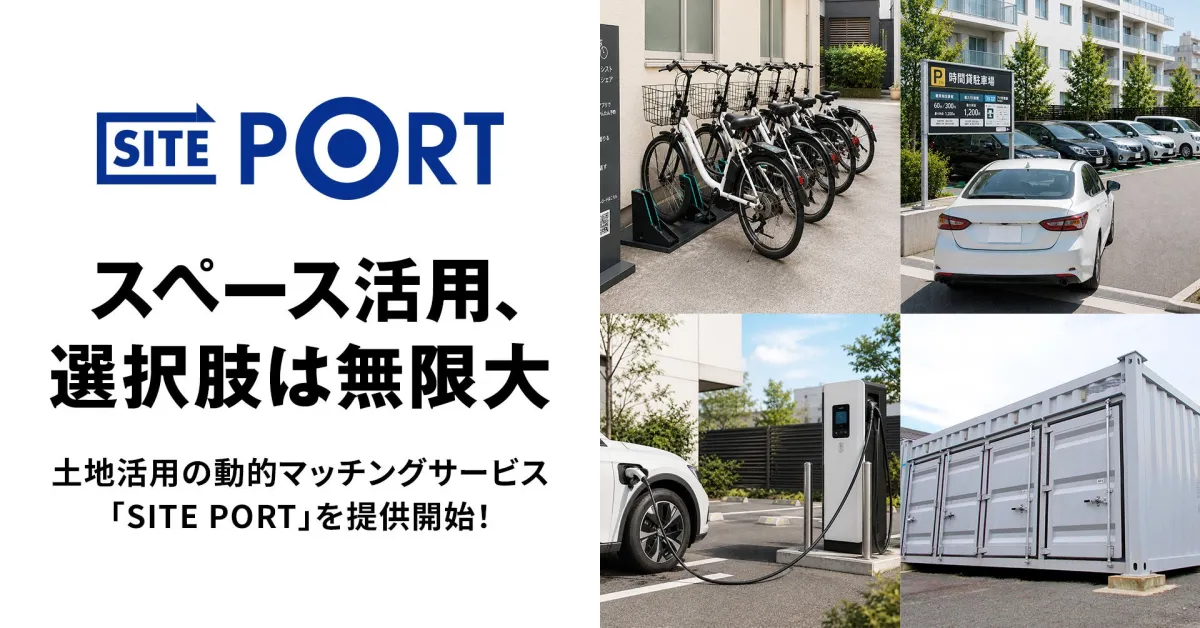
Maximizing the Value of Space with SITE PORT: A Dynamic Matching Service for Land Utilization
Maximizing Space Value with SITE PORT
Landit Inc., a company specializing in mobility infrastructure, proptech, and construction tech, has launched a highly anticipated dynamic matching service named SITE PORT. Set to commence on June 1, 2026, this innovative space matching platform aims to tackle the pressing issue of opportunity loss in urban environments caused by underutilized spaces.
Addressing the Challenge of Opportunity Loss
In urban areas across the globe, profound opportunity losses arising from underutilized spaces have become a serious concern. The traditional approach to real estate and space utilization has been exceedingly closed-off, preventing landowners and potential users from conducting thorough comparisons. Often, individual operators rigidly pursue single-purpose ventures—like parking lots or storage areas—without flexibility to adjust according to varying demand, time of day, or collaborative opportunities with others.
As a result, many spaces fail to reach their true potential. Landit aims to dissolve these systemic challenges with its robust data infrastructure, culminating in the creation of SITE PORT.
The Three Key Features of SITE PORT
SITE PORT serves as a comprehensive spatial data platform that connects diverse spaces in the world with suitable land utilization businesses, proposing optimal utilization methods tailored to each specific land.
1. Dynamic Matching that Unleashes Space Potential
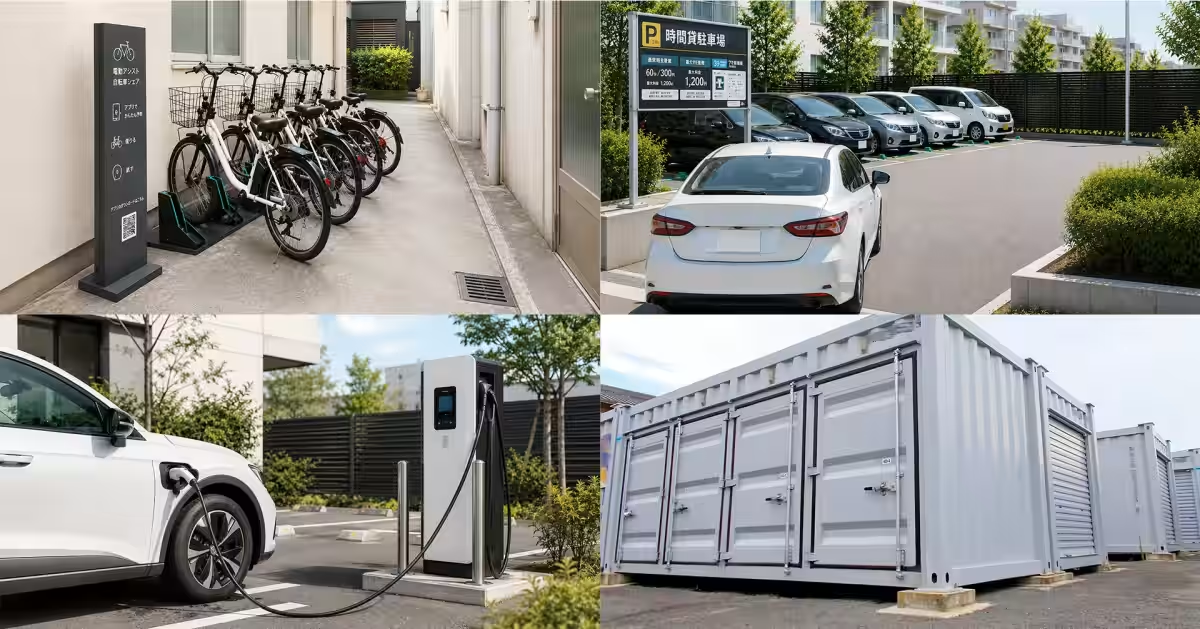
The platform identifies dormant spaces—including locations, sizes, utilization rates—and recommends immediate options that maximize value, such as electric scooters, car sharing, storage facilities, and vending machines, by dynamically matching available land usage methods from various options across Japan.
2. Integration with Landit’s Operational Data
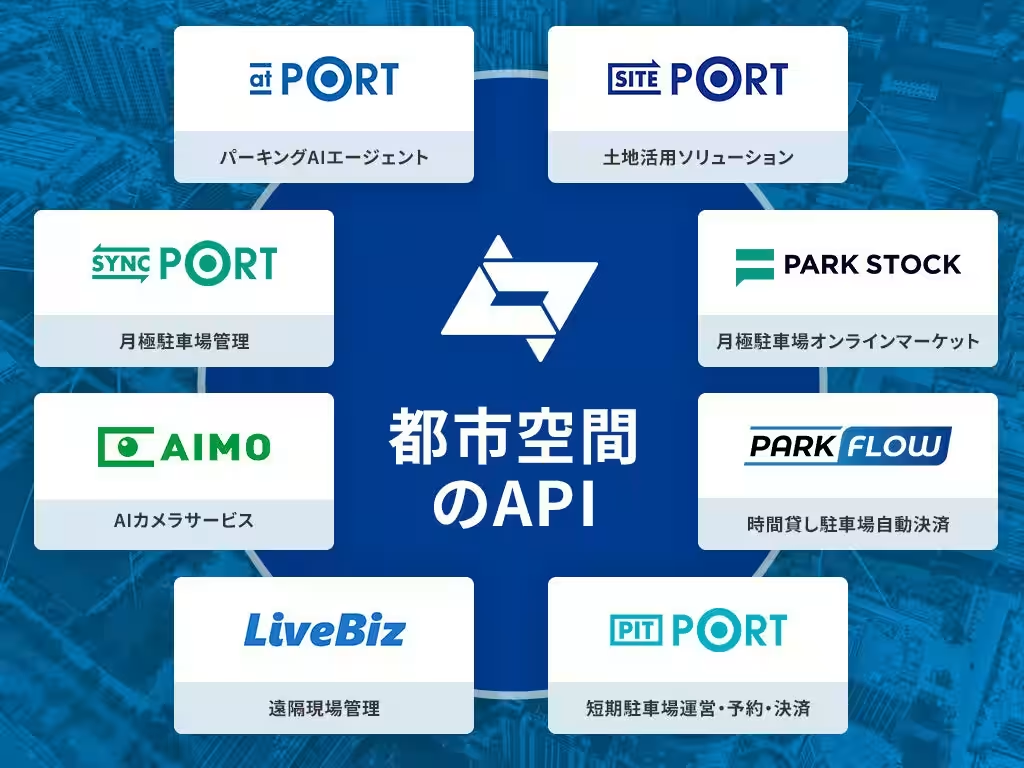
Landit possesses significant real-time operational data concerning space utilization, garnered through various products such as at PORT, AIMO, and PIT PORT. This data allows Landit to predict where and when demand imbalances may occur. By leveraging this predictive data, SITE PORT facilitates data-driven land utilization without relying solely on mere experience or intuition.
3. Facilitating Collaboration Between Previously Isolated Players
Instead of trapping users or businesses within rigid operational models, SITE PORT enables flexible combinations of services and providers according to time and demand. This feature aims to dissolve information asymmetries, leading to innovative collaborations among diverse external players.
Landit’s Vision for Future Land Utilization
Through its various products, Landit continuously collects real data concerning the unutilized spaces in urban settings and the movements of people, vehicles, and logistics—creating what can be termed as spatial operational data. The company integrates this data to implement a **



Topics Other)
【About Using Articles】
You can freely use the title and article content by linking to the page where the article is posted.
※ Images cannot be used.
【About Links】
Links are free to use.