



New Cancer Treatment Targets Support Cells Using 3D Microtumor Models
Targeting Support Cells in Cancer Treatment
A recent study from Waseda University in collaboration with the Fred Hutchinson Cancer Center has unveiled a novel approach to cancer therapy that targets supportive cells around tumors, indicating a significant shift in the treatment landscape. Traditional cancer therapies have focused primarily on attacking cancer cells directly. However, this groundbreaking research utilizes 3D microtumor models to identify potential treatments that target the collaborative cells, or cancer-associated fibroblasts (CAFs), which play a crucial role in tumor progression and metastasis.
Study Highlights and Discoveries
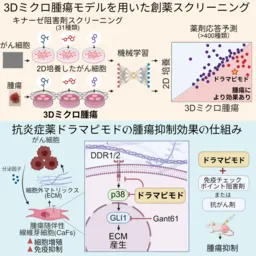
1. New Drug Discovery: The researchers performed drug screening using a 3D microtumor model, which mimics the tumor environment more accurately than traditional 2D cultures. This method allowed them to discover numerous drugs that inhibit the function of CAFs, a type of supportive cell surrounding tumors, which had previously been overlooked.
2. Doramapimod's Role: One notable drug identified was Doramapimod, initially developed as an anti-inflammatory treatment, which effectively suppressed CAF activity, thereby inhibiting cancer cell proliferation. When used in combination with existing chemotherapy agents and immune therapies, Doramapimod significantly enhanced their effectiveness.
3. Mechanistic Insights: The study also revealed that the DDR1/2–MAPK12–GLI1 signaling pathway within CAFs is crucial for maintaining cancer cell survival by promoting the production of extracellular matrix (ECM), which supports tumor growth. The ability of Doramapimod to disrupt this pathway led to increased infiltration of immune cells into the tumor, improving the overall therapeutic response.
Implications for Cancer Treatment
The implications of this research are profound. With cancer continuing to be a leading cause of death worldwide, finding new therapeutic targets is crucial. The study suggests that using a 3D microtumor model not only identifies more effective drugs but also helps pave the way for developing treatments that are more aligned with the complexities of human tumors.
Furthermore, the established model allows for the potential to translate these findings into clinical applications. By employing tumor samples from patients, oncologists could tailor treatment plans based on the specific characteristics of an individual’s cancer, thereby enhancing precision medicine approaches.
Future Directions
Looking ahead, this research opens several pathways for future exploration. The focus on CAFs highlights the importance of targeting the tumor microenvironment in cancer therapy, a methodology expected to yield further efficacious therapies. Efforts will need to address the challenges of translational research, including ensuring the safety and efficacy of Doramapimod and similar agents in diverse patient populations.
Moreover, understanding the non-canonical hedgehog signaling pathways involved may lead to even more targeted therapies that selectively inhibit tumor growth while minimizing side effects on healthy tissues.
In conclusion, the Waseda University study signifies a major advancement in the quest for effective cancer treatments. By redirecting attention to the supportive cells within tumors, there is optimism for developing therapies that not only combat cancer cells directly but also weaken the cellular environment that fosters tumor growth. As research progresses, the hope is that such innovative treatments will lead to improved outcomes for cancer patients globally.
Topics Health)
【About Using Articles】
You can freely use the title and article content by linking to the page where the article is posted.
※ Images cannot be used.
【About Links】
Links are free to use.