



The Critical Role of Page Load Speed in E-Commerce: A New Standard for Trust
The Influence of Page Load Speed on E-Commerce Purchases
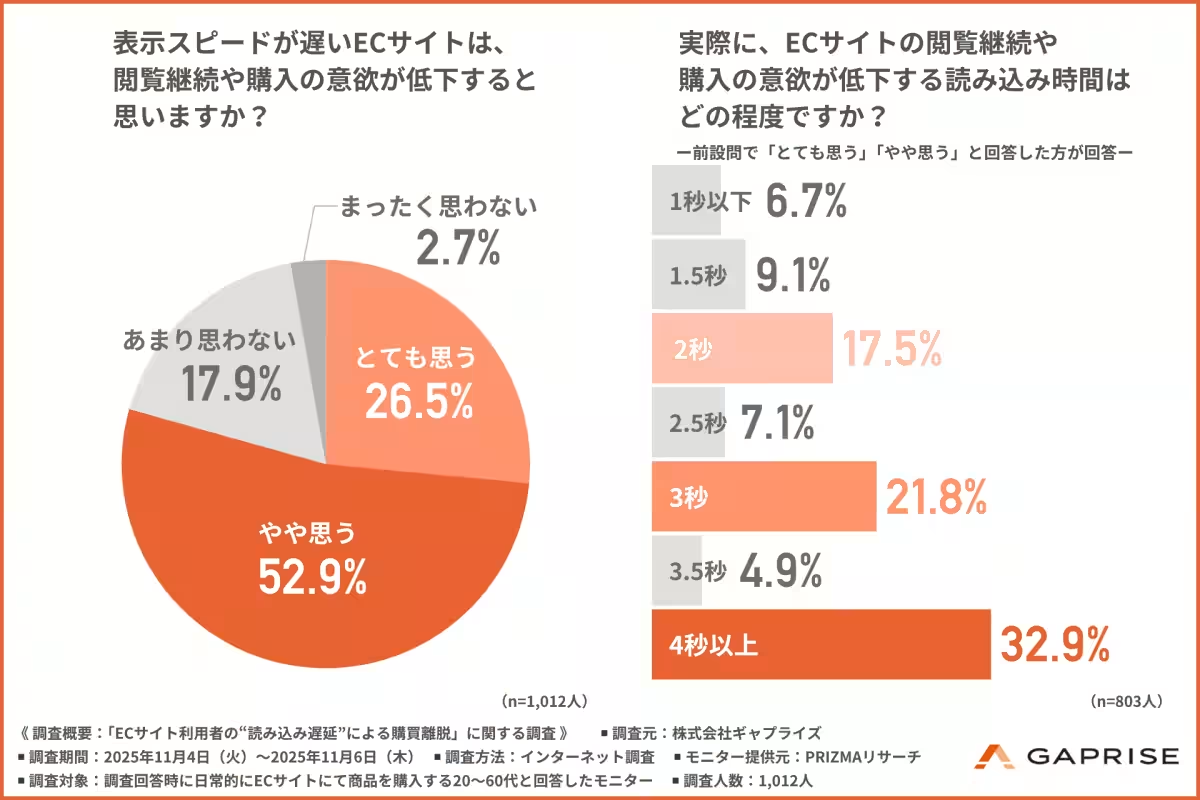
In recent research conducted by Gaprise, a Tokyo-based SaaS company, it was revealed that nearly 80% of consumers believe that slow loading times negatively affect their desire to make a purchase on e-commerce sites. As digital business continues to grow, the importance of page load speed has emerged as a critical factor influencing customer trust and satisfaction.
Study Overview
From November 4 to November 6, 2025, Gaprise conducted an internet survey with 1,012 participants aged 20 to 60, who regularly shop online. The survey aimed to explore the impact of loading delays on consumer purchasing behavior.
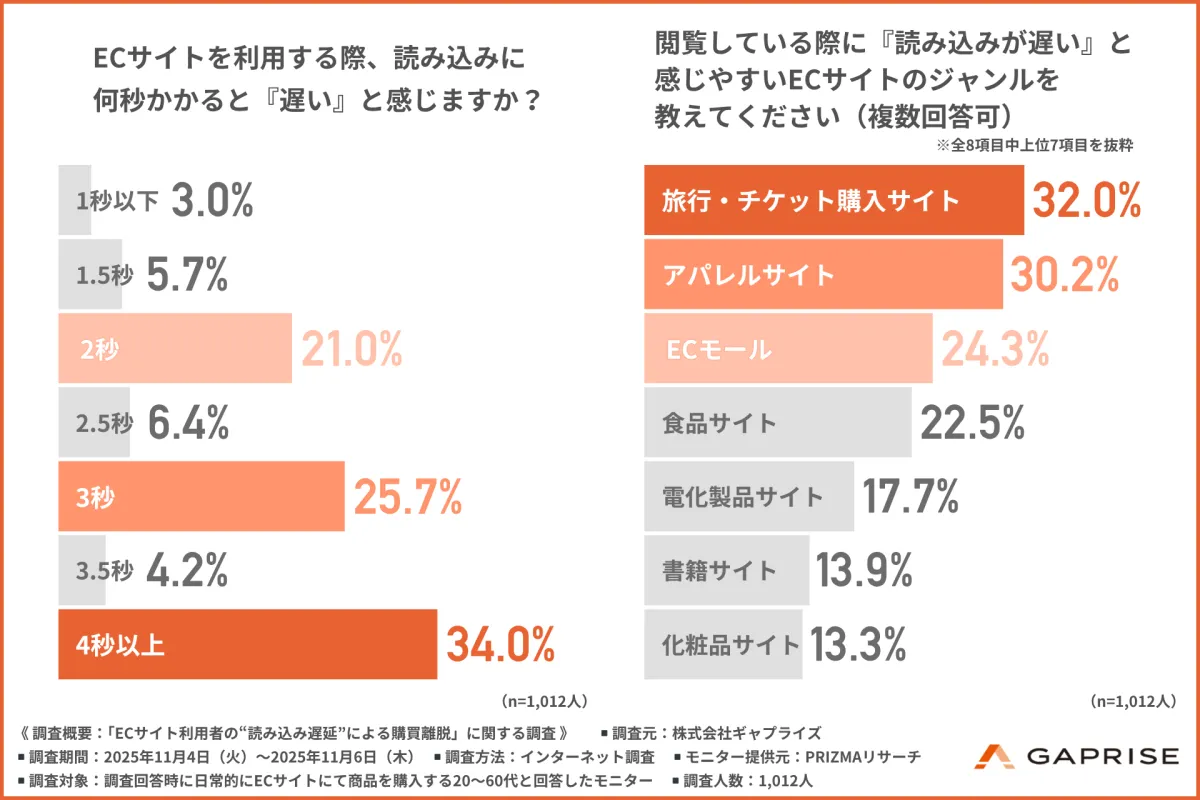
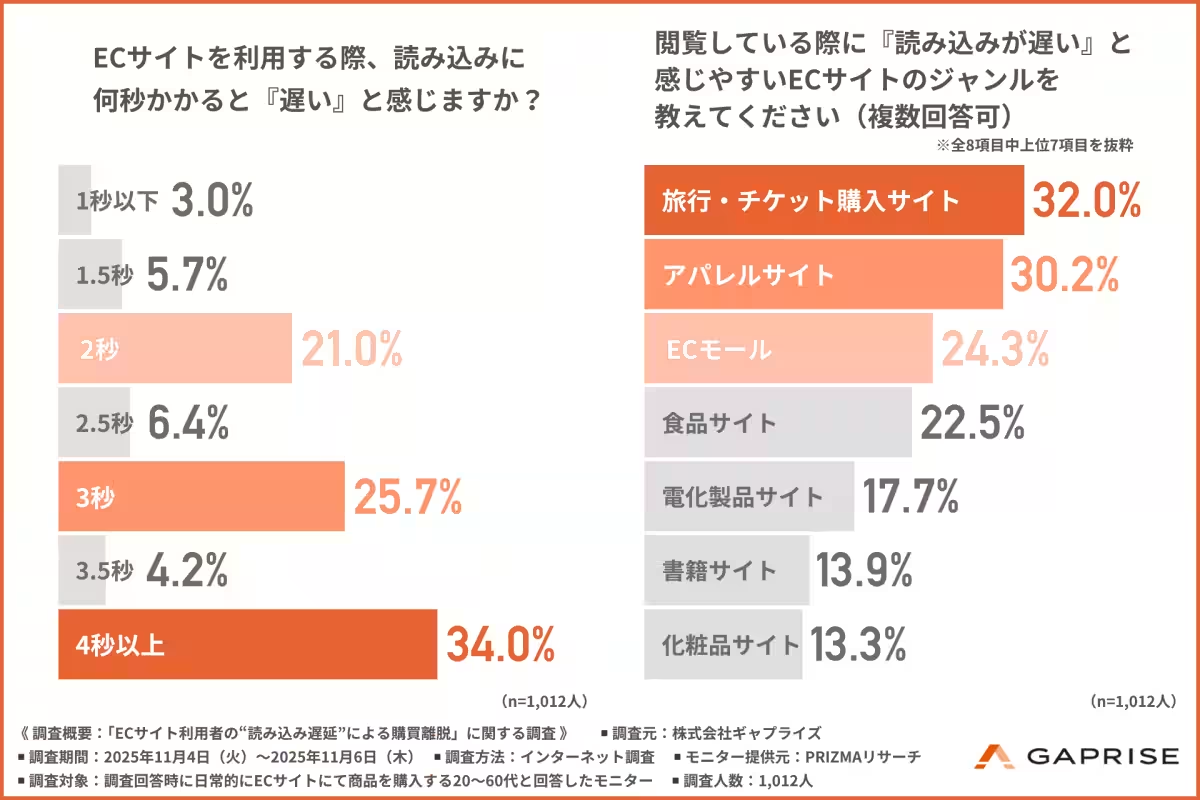
One of the most telling findings was that approximately 60% of respondents felt that a load time of less than three seconds was acceptable. However, if loading times exceeded four seconds, over 30% reported that they'd likely abandon a site. This highlights the increasing intolerance among online shoppers when it comes to delays.
User Experience and Loading Times
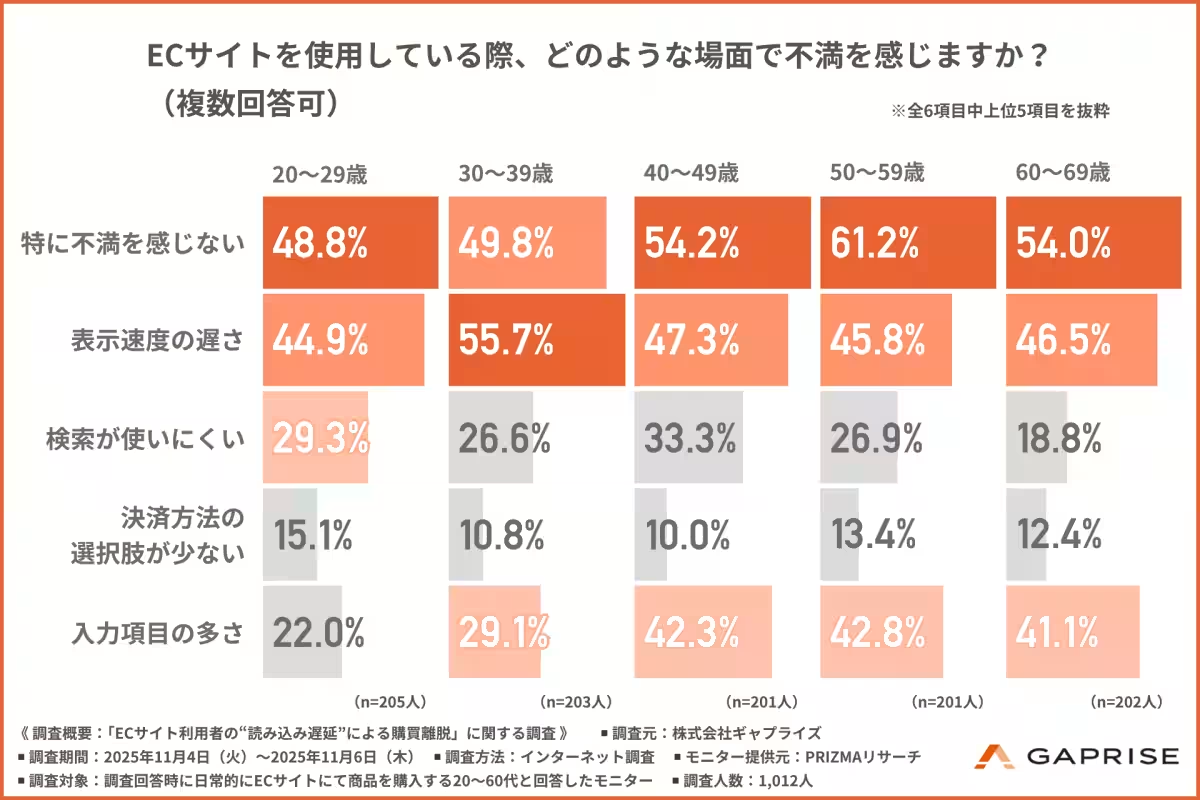
The survey further probed how various website categories performed in terms of perceived loading speed. Travel and ticketing websites ranked highest among those where users regularly experience slow loading times (32%), followed by apparel (30.2%) and e-commerce marketplaces (24.3%). The rich visual content on these sites generally demands high data loads, which can contribute to slower speeds. In the digital age, where mobile access has become ubiquitous, the critical role of loading speed is undeniable.
The Direct Link to Consumer Behavior
A staggering 80% of participants expressed concern that slow loading times diminish their willingness to continue browsing or make a purchase. According to the survey, a significant percentage acknowledged that feelings of frustration start even at three seconds and escalate quickly from there. This suggests there's a direct correlation between page speed and perceived reliability in the e-commerce experience.
Dr. Jakob Nielsen's usability research supports these findings, noting that if a page takes over one second to load, users may lose focus. This mental shift towards impatience can have a cascading effect on sales and customer retention.
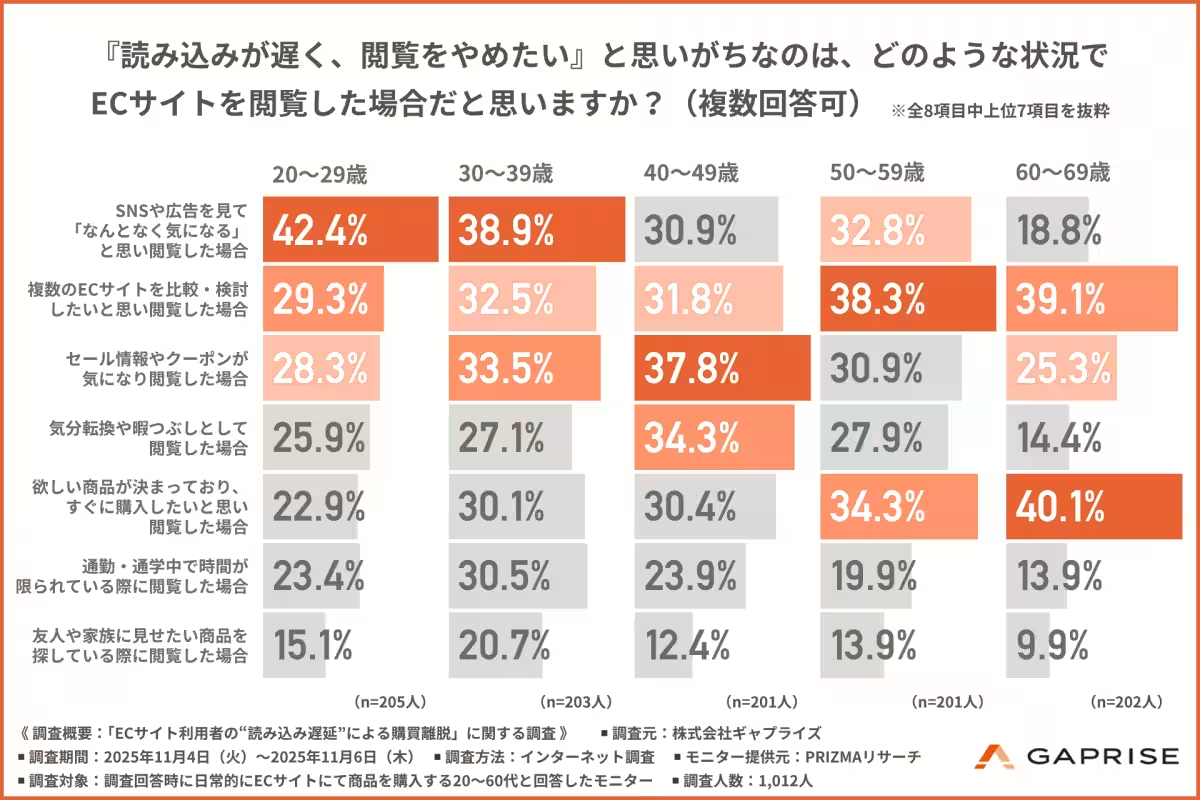
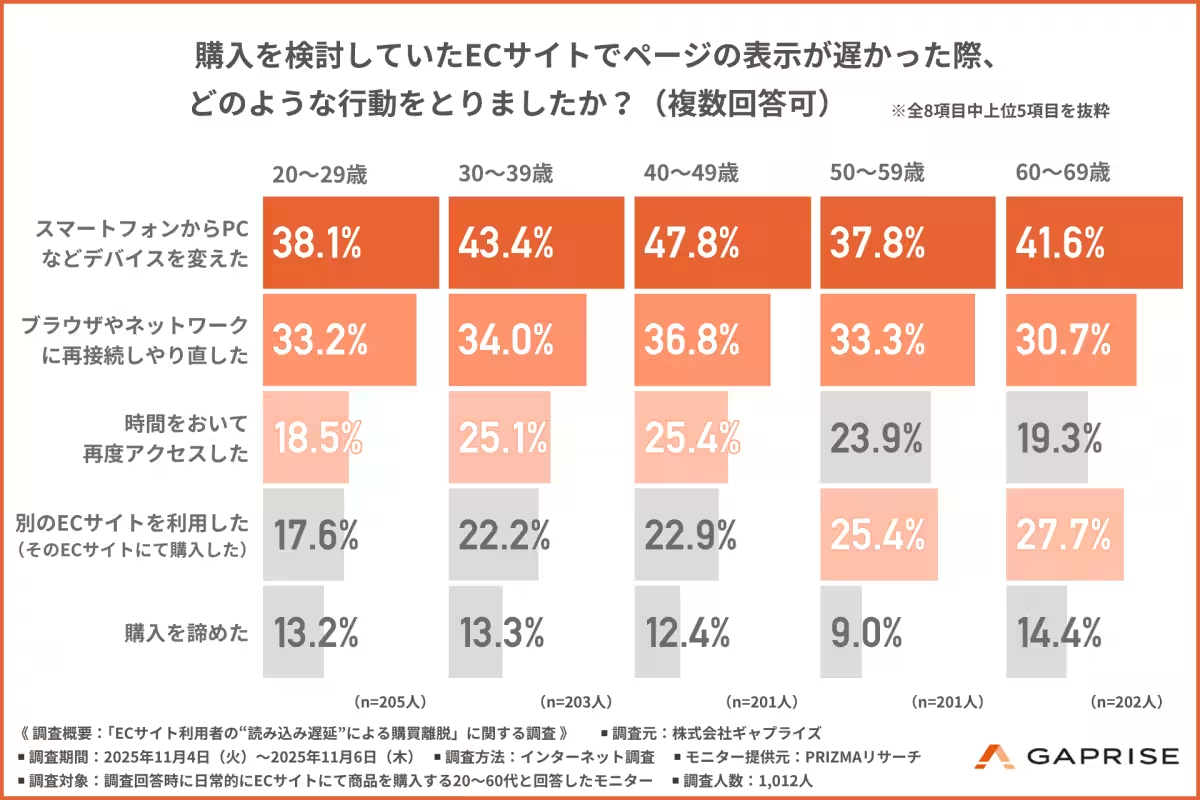
As we seek answers on how delays affect diverse shopping contexts, it appears that millennials and Generation Z are particularly sensitive. Many of these younger consumers abandon sites when browsing casually after viewing social media or advertisements. In contrast, older demographics, particularly those over 50, tend to leave sites if they are actively comparing options or ready to purchase immediately.
Implications for E-Commerce Businesses
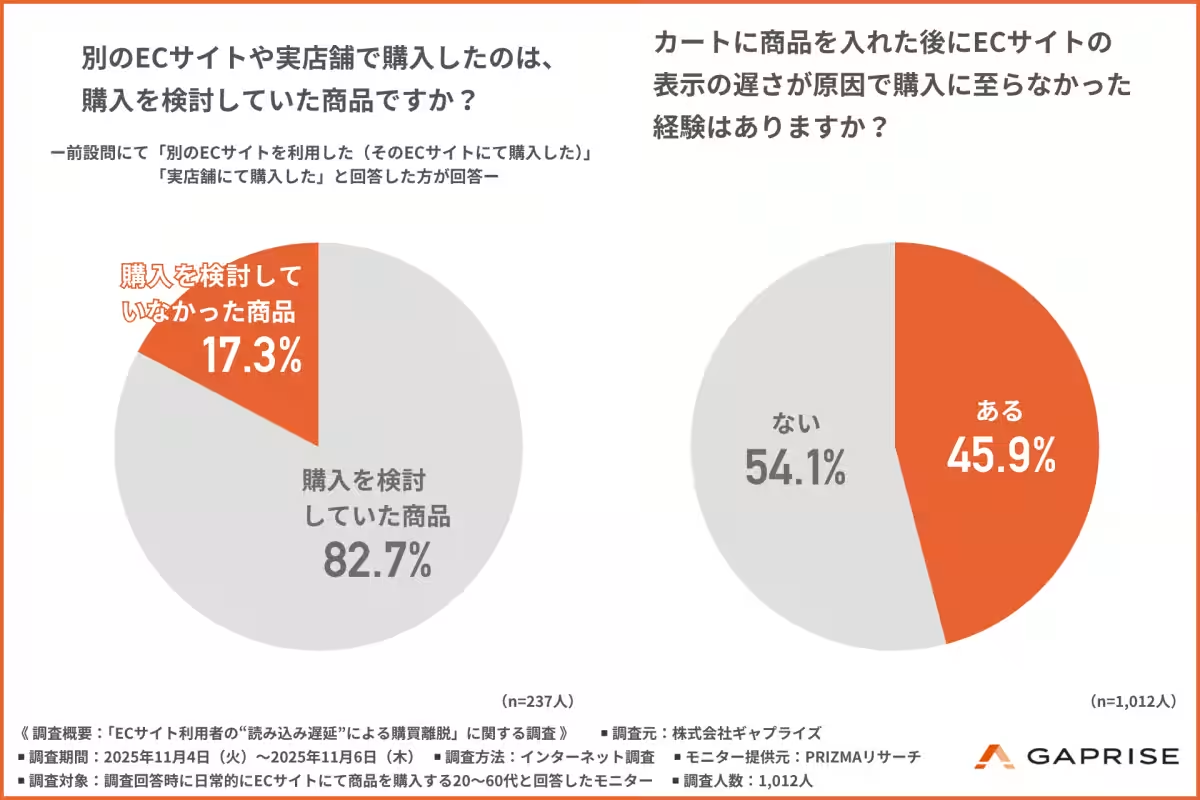
E-commerce firms must address the shortcomings in loading speeds to prevent losing customers to competitors. The study indicates that about one in five consumers who experience delays subsequently purchases items they had not originally intended to buy from another site. Nearly half of the respondents admitted to abandoning their carts due to loading delays, demonstrating just how damaging slow speeds can be.
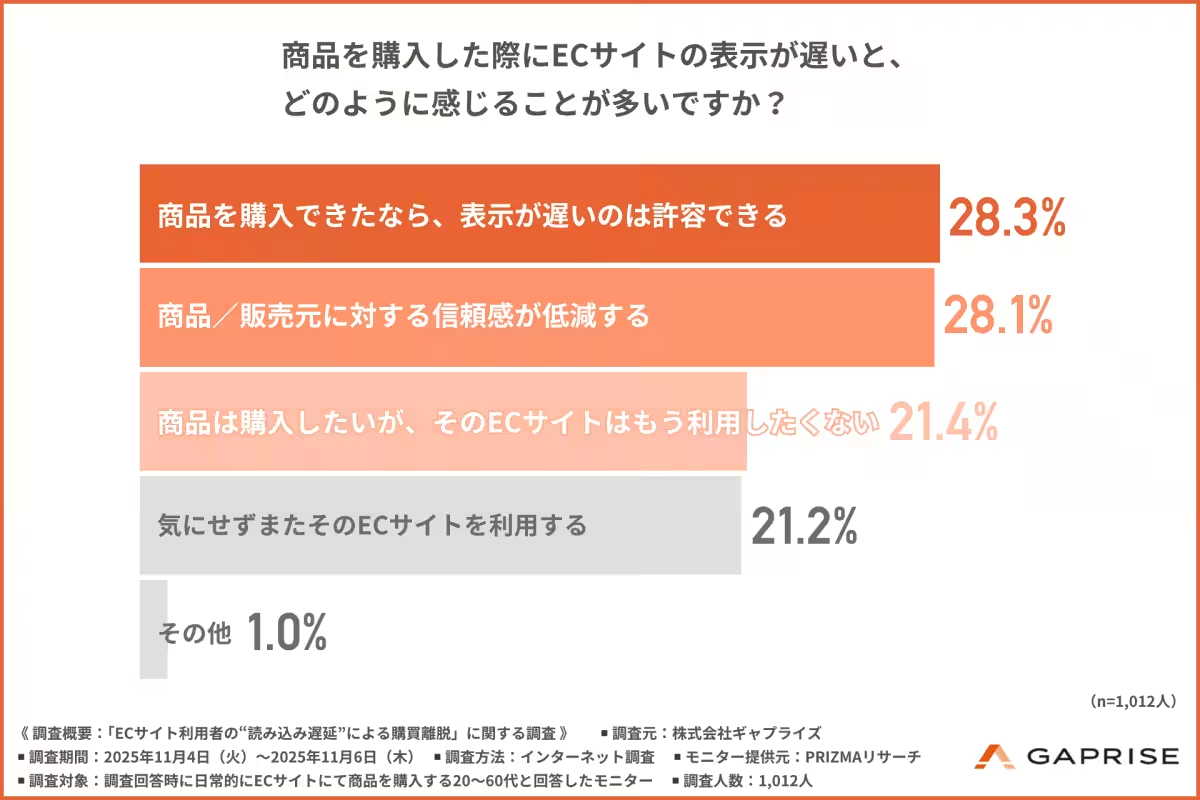
Even if a consumer completes a purchase despite delays, many reported diminished trust in the site, leading to lower likelihood of repeat business. It’s evident that page speed can significantly tarnish brand reputation and customer loyalty.
Conclusion and Call to Action
In summary, it’s becoming increasingly clear that page load speed is not just a minor convenience; it has evolved into a fundamental standard for trust in the e-commerce environment. Online retailers must recognize that each second of delay can equate to potential lost sales, dwindling trust, and ultimately, significant brand damage.
To combat these issues, Gaprise offers an all-in-one speed optimization tool known as Speed Kit, designed specifically to enhance load times and improve the user experience across various e-commerce platforms. Through tools such as dynamic caching and image optimization, businesses can streamline their performance and potentially see immediate benefits in both user satisfaction and conversion rates.
For those serious about enhancing their e-commerce efforts and maintaining solid customer trust, addressing loading speed should be a top priority.

Topics Consumer Products & Retail)
【About Using Articles】
You can freely use the title and article content by linking to the page where the article is posted.
※ Images cannot be used.
【About Links】
Links are free to use.