



Essential Guide for Choosing Thoughtful Gifts for Obon Season
The Art of Choosing Thoughtful Gifts for Obon
As the Obon season approaches, families across the country prepare to return to their hometowns for joyful reunions with loved ones. A thoughtful gift, or "temiyage," is often part of this cherished tradition, symbolizing gratitude and connection. However, many people find themselves at a loss when it comes to selecting the perfect gift. To ease this process, the information media platform EC Navi Hikaku conducted a survey involving 300 consumers planning their Obon celebrations, illuminating the common dilemmas faced and offering valuable insights into creating memorable gifting experiences.
Survey Insights
The findings reveal some intriguing trends that can guide gift-giving decisions:
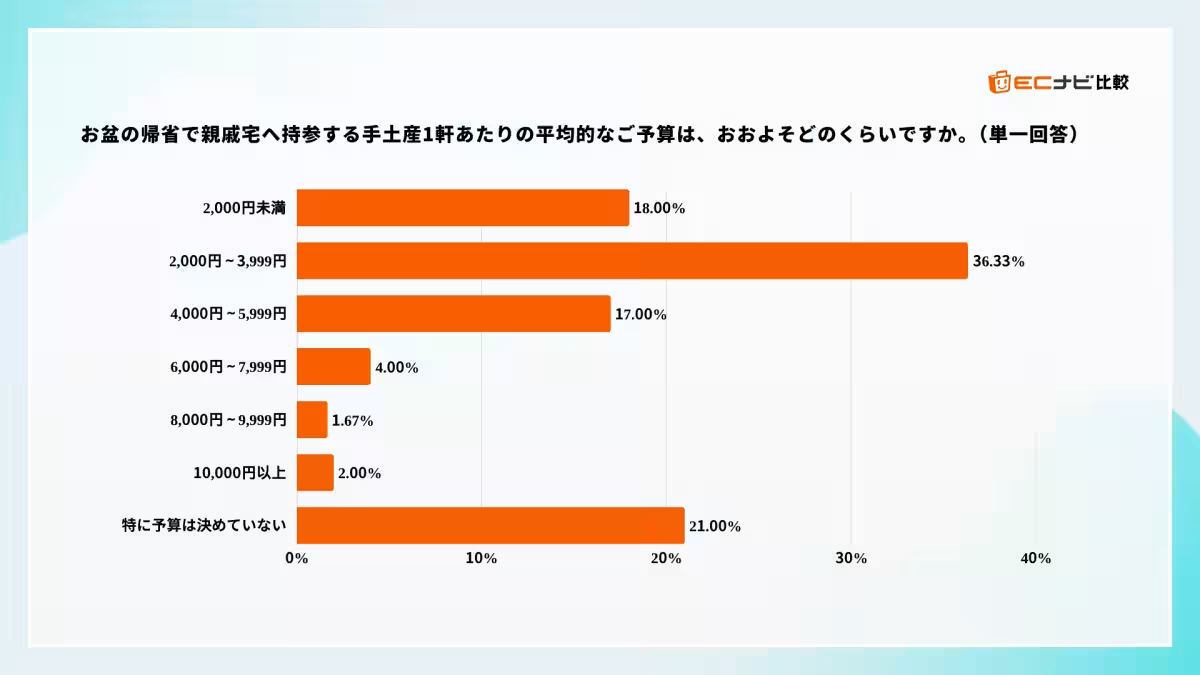
- - Budget Matters: The most common budget range for gifting is between ¥2,000 and ¥3,999, accounting for 36.3% of respondents. This indicates a preference for affordable options that do not impose a financial burden on the recipient. Additionally, 21.0% of participants reported having no specific budget in mind, further underscoring the emphasis on thoughtful rather than extravagant gifts.
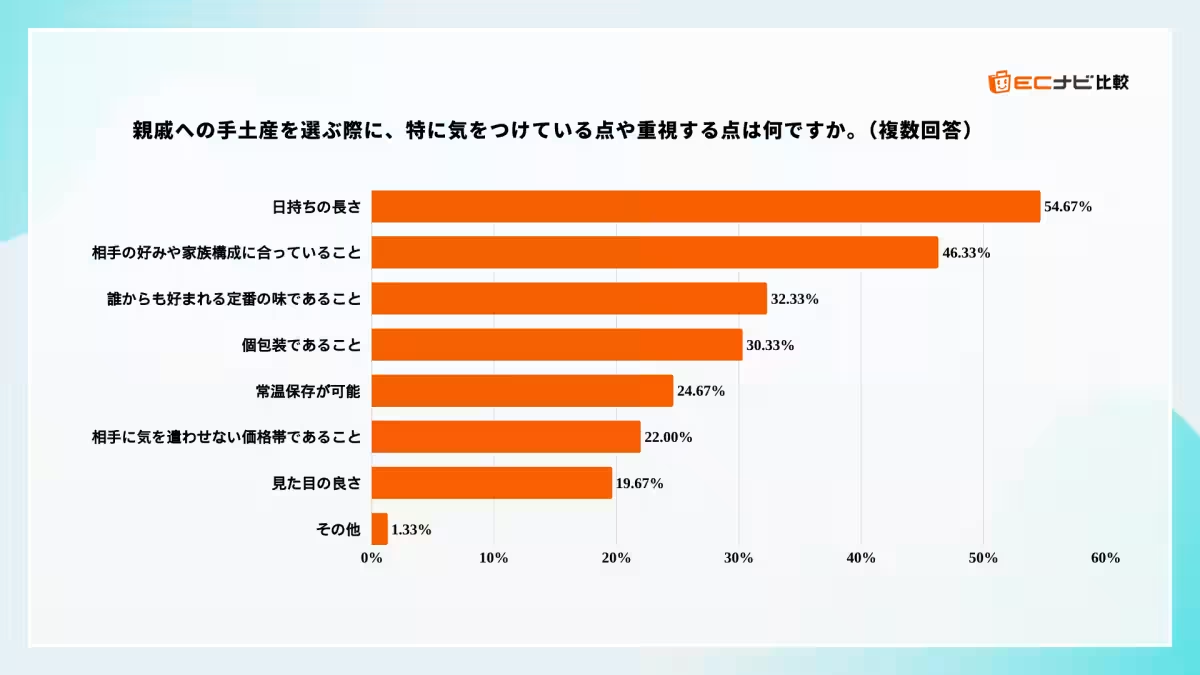
- - Shelf Life Takes Priority: When asked about the most crucial consideration in gift selection, 54.7% prioritized the longevity of the items. Keeping gifts fresh until they reach their destination is essential, highlighting a practical approach to gifting. Following closely, 46.3% considered the preferences and family dynamics of the recipients, indicating that personal touch and respect for the receiver are deeply valued.
Learning from Experience
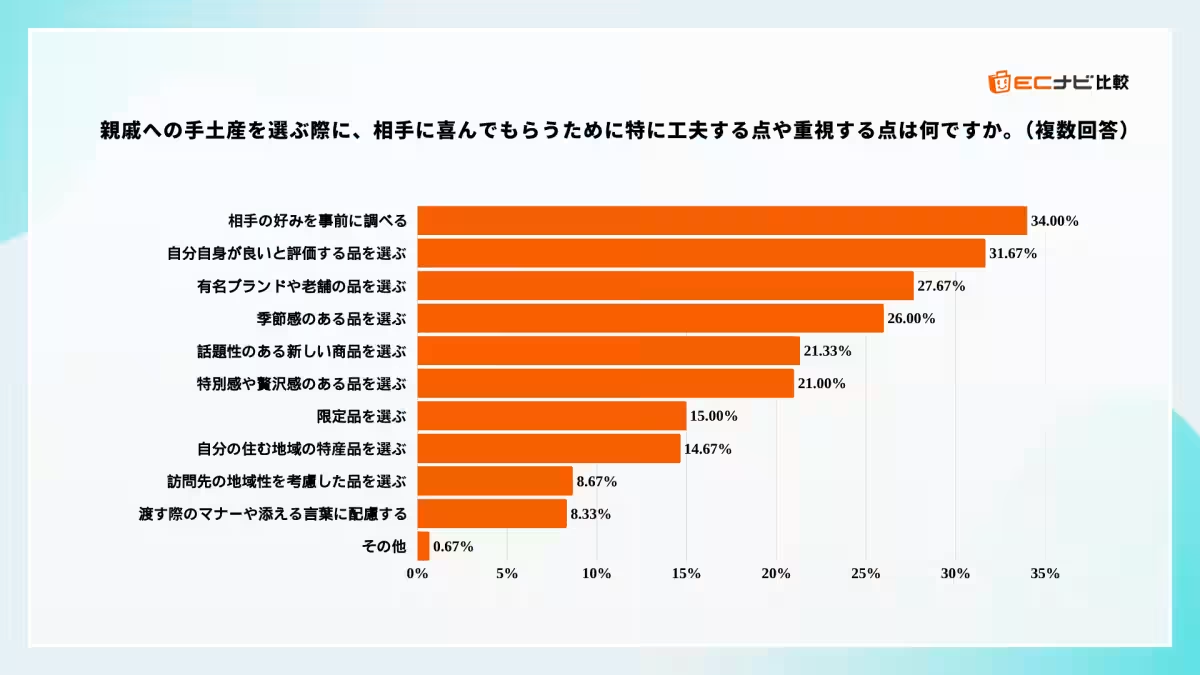
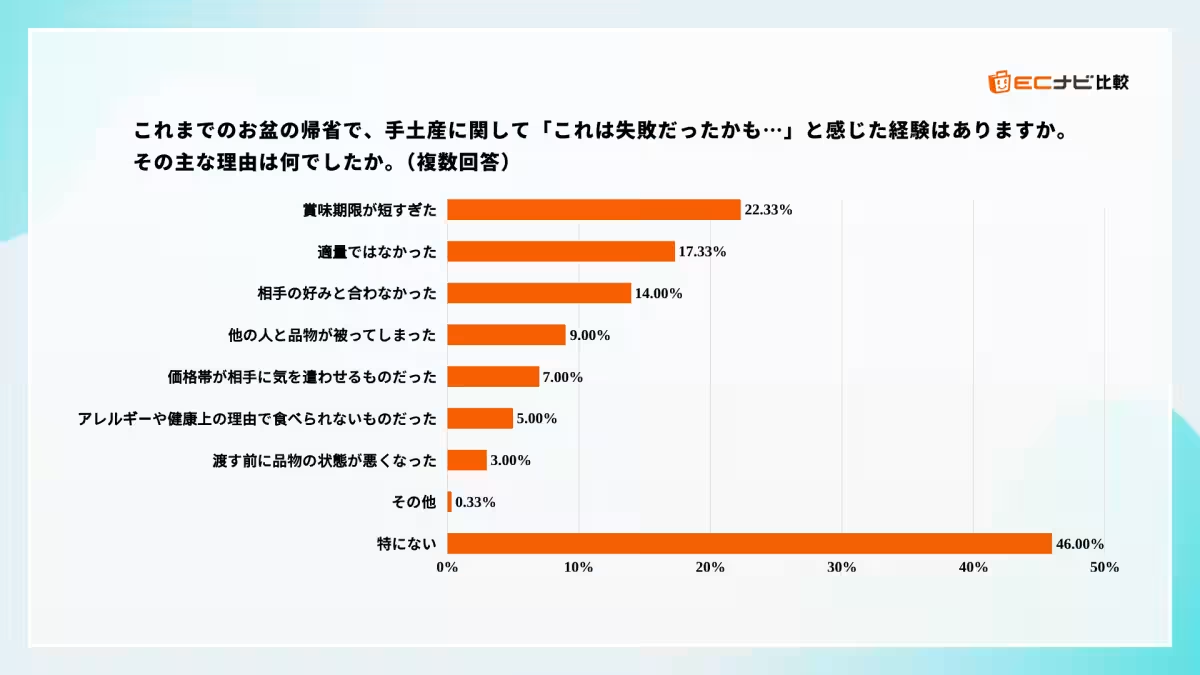
Respondents were also asked to share their experiences with gift-giving. A notable 22.3% admitted their greatest blunder involved choosing items with too short a shelf life, which can lead to disappointment and embarrassment. Recognizing this, many gift-givers prioritize researching preferences and selecting items they deem tasteful, with insights from prior successful gifts guiding their choices. Moreover, 31.7% stated they prefer items they themselves would cherish, reinforcing the idea that personal satisfaction drives the gifting process.
Trends and Values
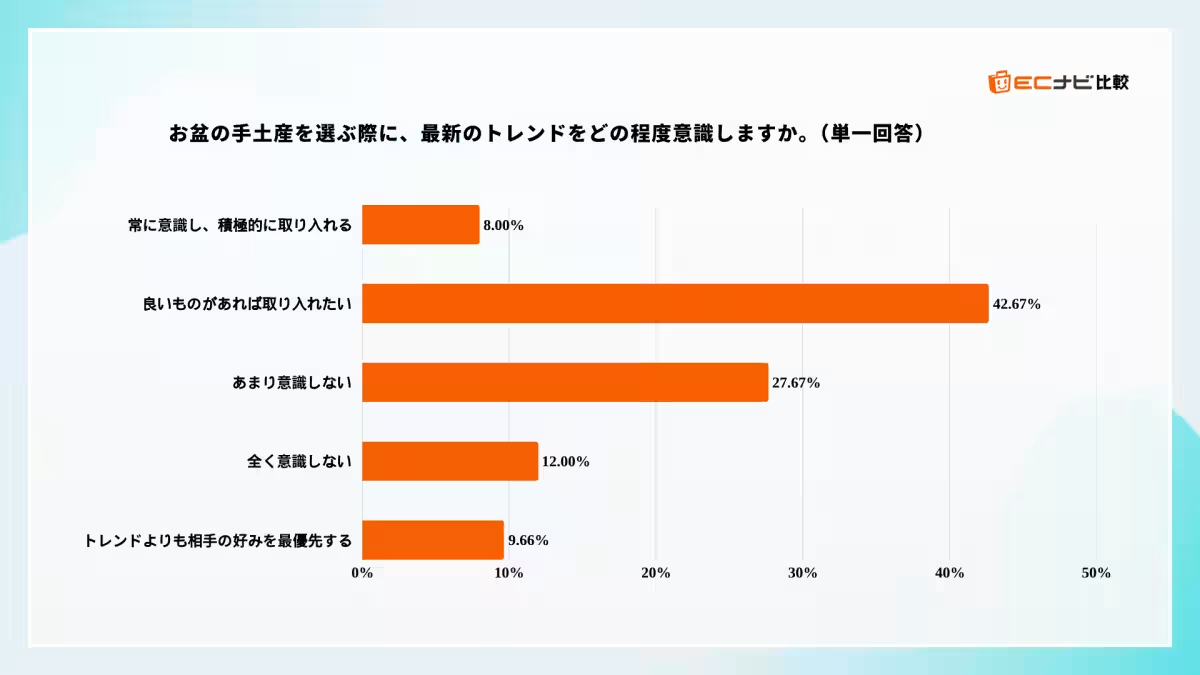
While 42.7% are open to incorporating trends into their gift choices if they fit the criteria, a significant number prefer established favorites and personal tastes over fleeting fads. This conservatism in choice ensures that gifts are both appreciated and suitable.
Emotional Responses
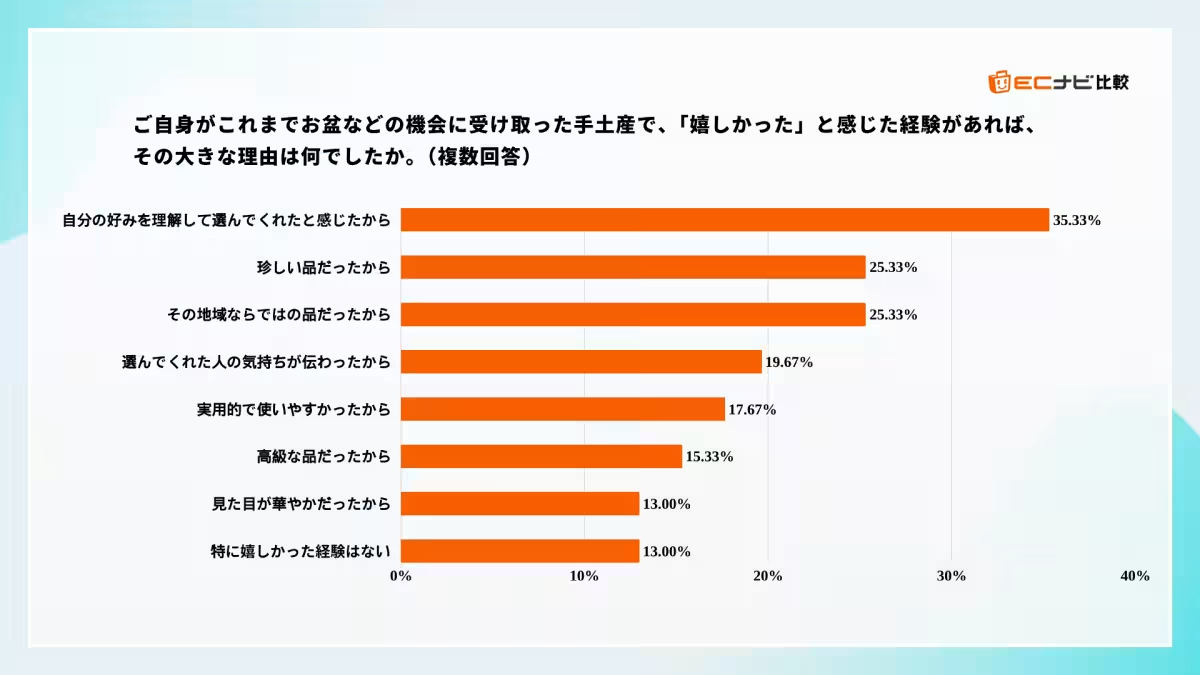
The survey also explored what makes a gift truly special. Notably, 35.3% of respondents felt the happiest receiving gifts that demonstrated an understanding of their preferences. Items perceived as unique or reflective of regional specialties also scored highly in terms of emotional value, with 25.3% valuing rarity or locality in their gifts.
Information Sources
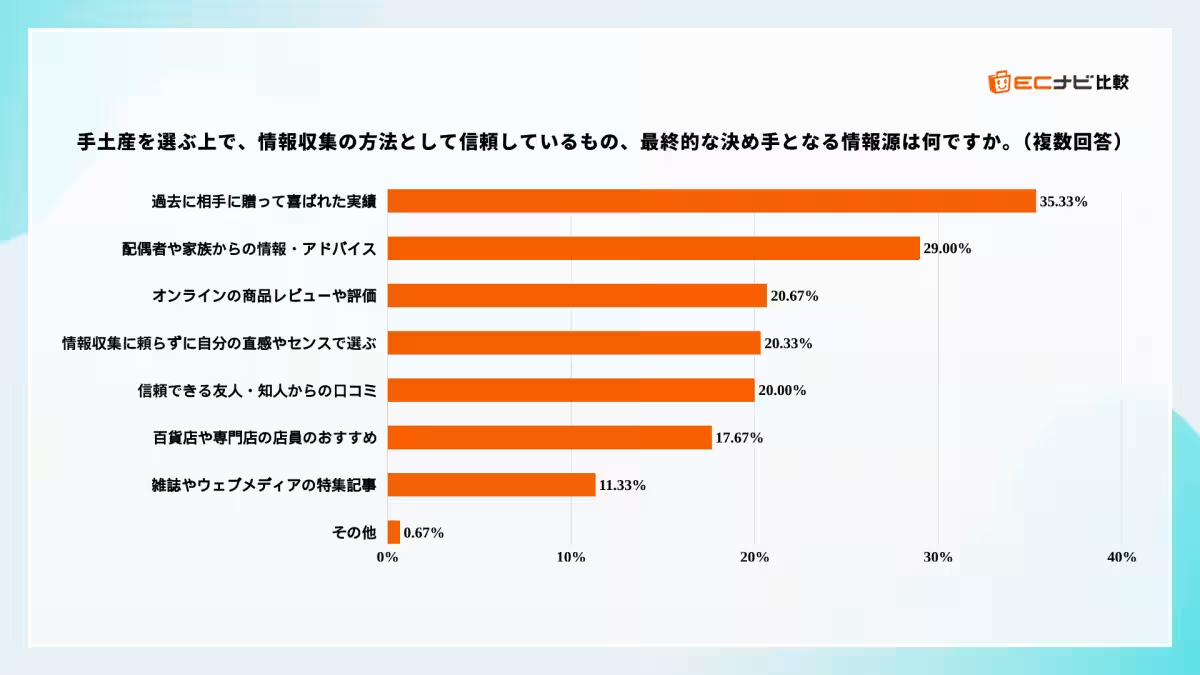
When it comes to finding the right gift, past successes play a pivotal role. 35.3% relied on previously gifted items that caused joy. In contrast, advice from spouses and family scored 29.0%, reinforcing the importance of trusted relationships in the decision-making process over anonymous online reviews.
The Pressure of Making the Right Choice
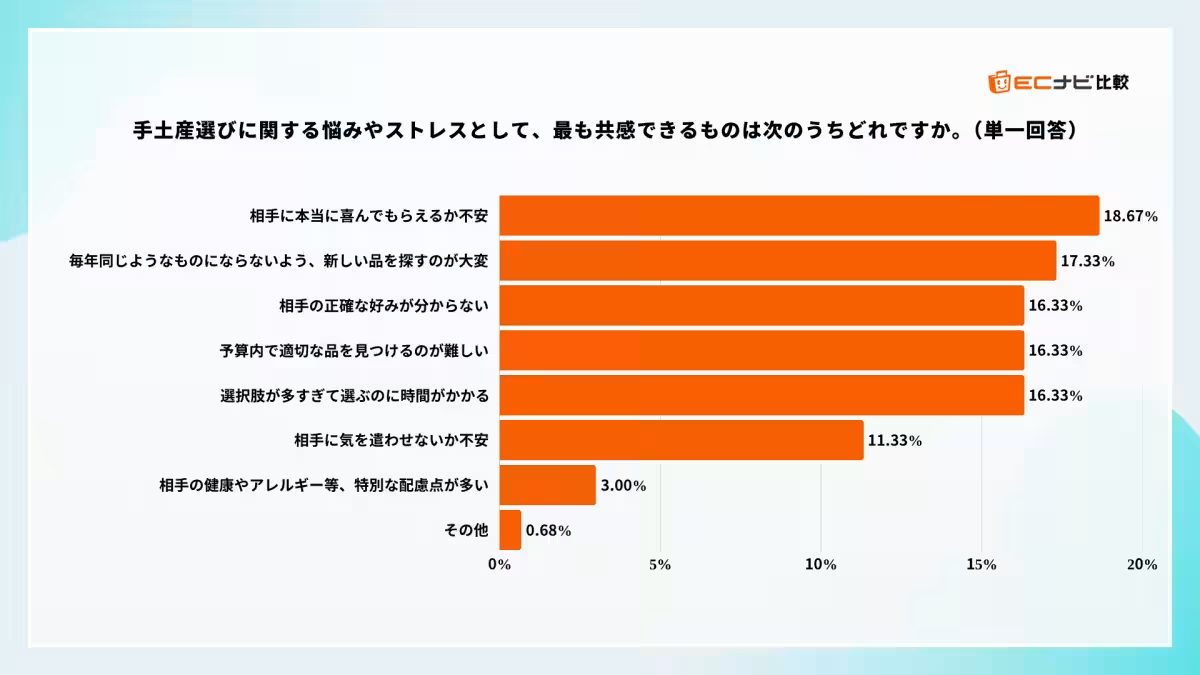
Despite the joy of gift-giving, 18.7% reported anxiety about whether their gifts would genuinely be appreciated. This emotional weight is compounded by the fear of repetition, as 17.3% struggle to find new ideas that distinguish their gifts each year. These insights reveal a deep-seated desire to please and connect, placing immense pressure on the gift-giver.
What to Avoid
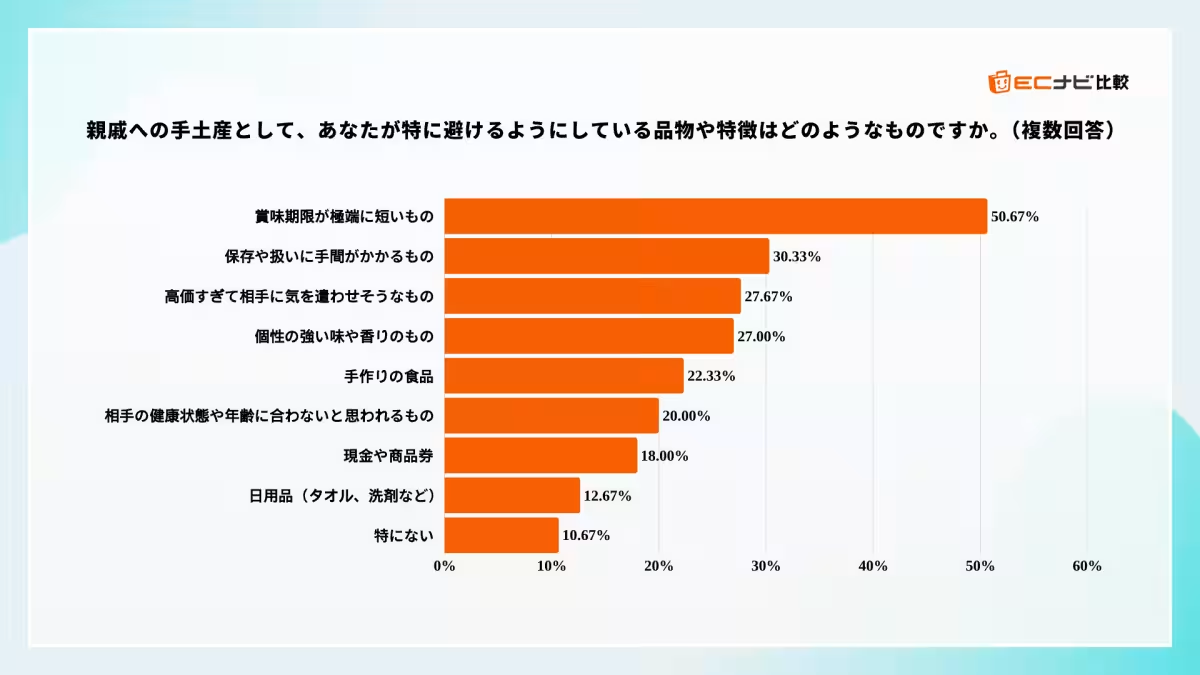
The survey also outlined common pitfalls when selecting gifts. Over half of respondents (50.7%) specifically avoid items with extremely short shelf lives, reflecting a keen awareness of practical considerations. Other major concerns included gifts that require excessive care (30.3%) or those that might burden the recipient financially (27.7%).
Retailer's Role
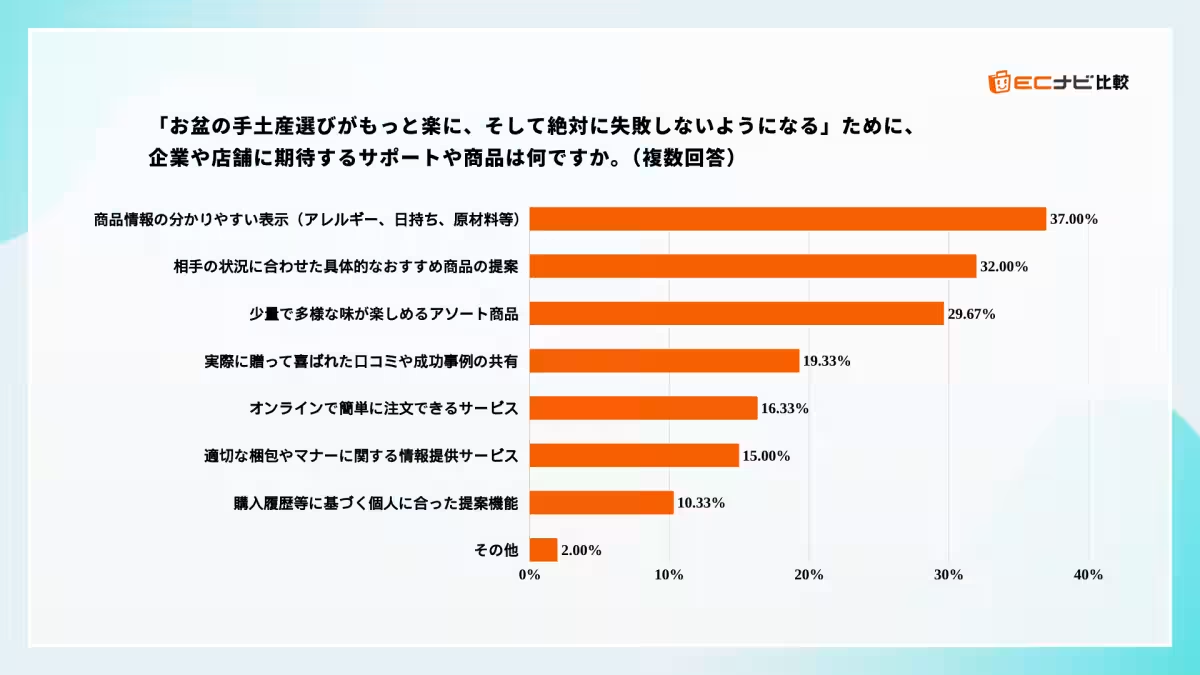
Lastly, consumers expressed a desire for greater transparency from retailers when purchasing gifts. The most significant support they requested was clearer display of product information, including allergy details, shelf life, and ingredients (37.0%). Additionally, 32.0% expressed interest in personalized recommendations based on the recipient's context, while 29.7% preferred assortments that allow for sampling multiple flavors in smaller sizes. This suggests that businesses can play a crucial role in easing the gift selection process by offering tailored guidance and clear information.
In conclusion, by understanding the key insights from this approach to preparing for the Obon season, individuals can make thoughtful, budget-conscious decisions that resonate with their loved ones, transforming the ritual of gift-giving into an even more meaningful experience. As you plan your gifts this year, consider these insights to ensure your offerings are both heartfelt and appreciated.



Topics Consumer Products & Retail)
【About Using Articles】
You can freely use the title and article content by linking to the page where the article is posted.
※ Images cannot be used.
【About Links】
Links are free to use.