




The Impact of English Proficiency on Career Growth in Japan: A Daijob.com Survey
Introduction
In a world where AI is reshaping industries and businesses are going global, the significance of English proficiency has never been more pronounced. A recent study conducted by Human Global Talent Co., Ltd., which operates the bilingual employment and recruitment site, Daijob.com, sheds light on the correlation between English skills and career advancement, especially among Japanese professionals. This report serves as a reminder of the crucial role that English language skills play in thriving careers, particularly amidst an evolving job landscape impacted by technological advancements.
Key Findings from the Survey
1. The Demand for English-Proficient Candidates
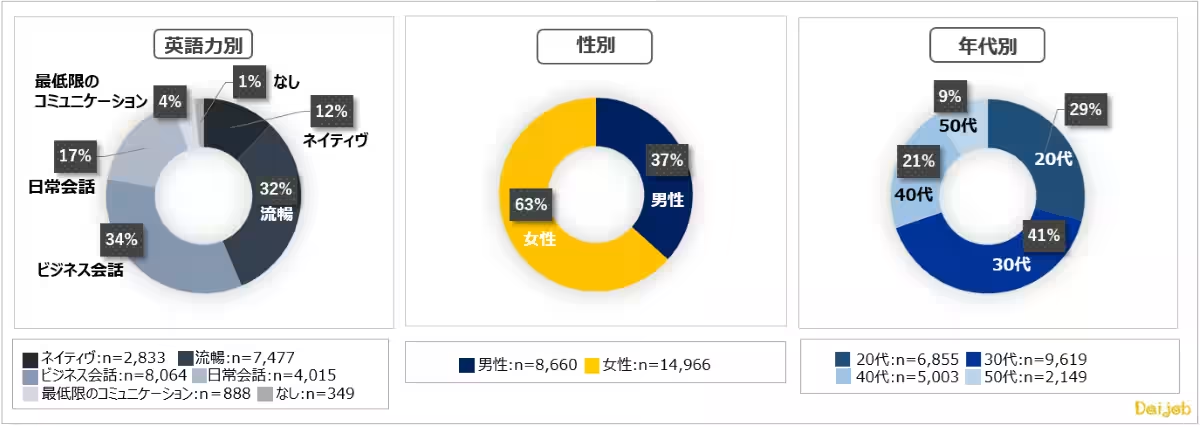
Over 78% of the candidates from Daijob.com who received job offers were found to possess English skills at a business conversation level or higher. Notably, 63% of women in this group showed strong English proficiency. The demand for global talent is steadily rising, with 2025 seeing an increase of 4,335 individuals in the survey population compared to the previous year. This increasing trend emphasizes the growing need for bilingual professionals in various industries.
2. Salary Disparities Linked to English Proficiency
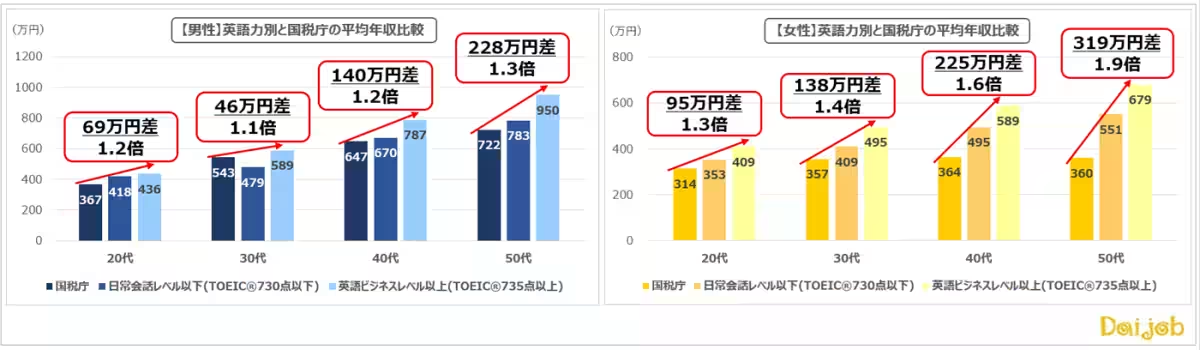
The survey revealed a striking salary gap based on English proficiency, particularly among individuals in their 50s. Male candidates in this age group reported an income 1.3 times greater (¥228,000) than their counterparts with lower English skills, while female candidates experienced an even more significant disparity, boasting salaries 1.9 times higher (¥319,000). This trend highlights how crucial English skills are for enhancing earning potential, especially among women who are increasingly gaining recognition in the job market.
3. Sector-Specific Earnings
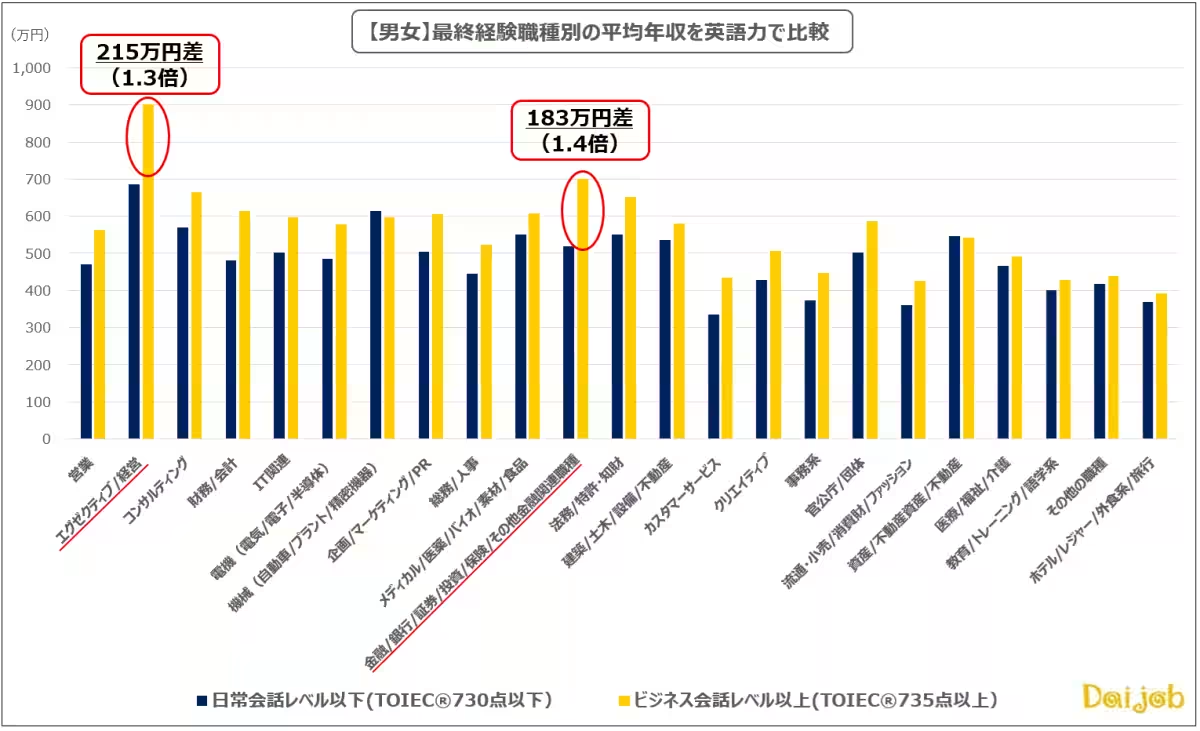
Analyzing income by profession, executives and those in managerial roles saw the highest salary discrepancies, with an average salary difference of ¥215,000 (1.3 times higher) for those proficient in English. Likewise, professionals in finance, banking, securities and investment fields reported an average income gap of ¥183,000 (1.4 times higher). High-level financial roles often require collaboration with international teams, further emphasizing the value of English skills in navigating complex business landscapes.
4. Generational Income Differences in Finance
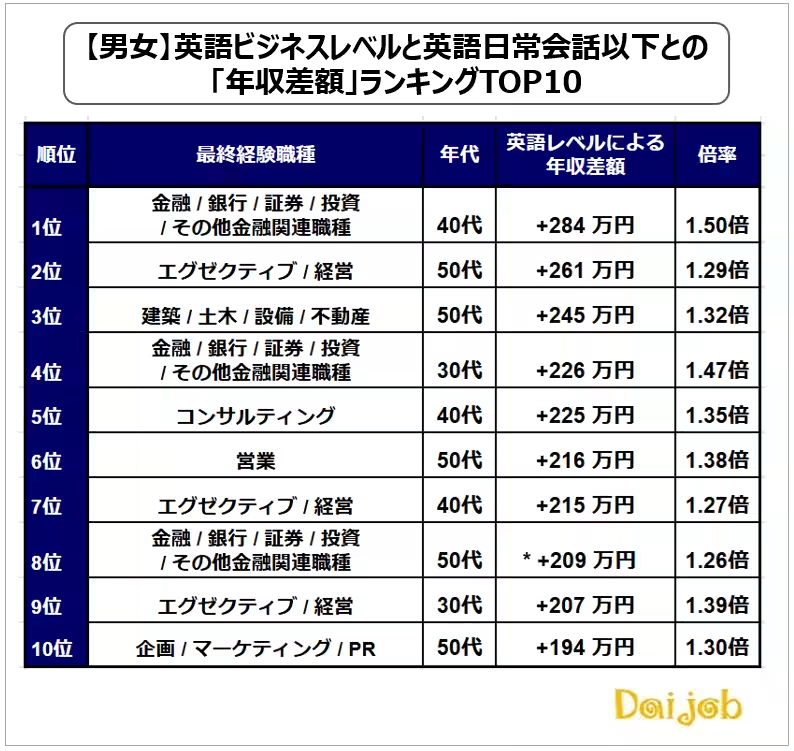
When considering age and profession, the most significant income variability was found in finance-related roles among those in their 40s, reporting a staggering ¥284,000 difference with a 1.5 times salary ratio. In specialist fields like finance, where English proficiency can significantly impact job performance and career trajectory, skilled professionals can expect to earn considerably more over time.
5. AI Utilization Among High Earners
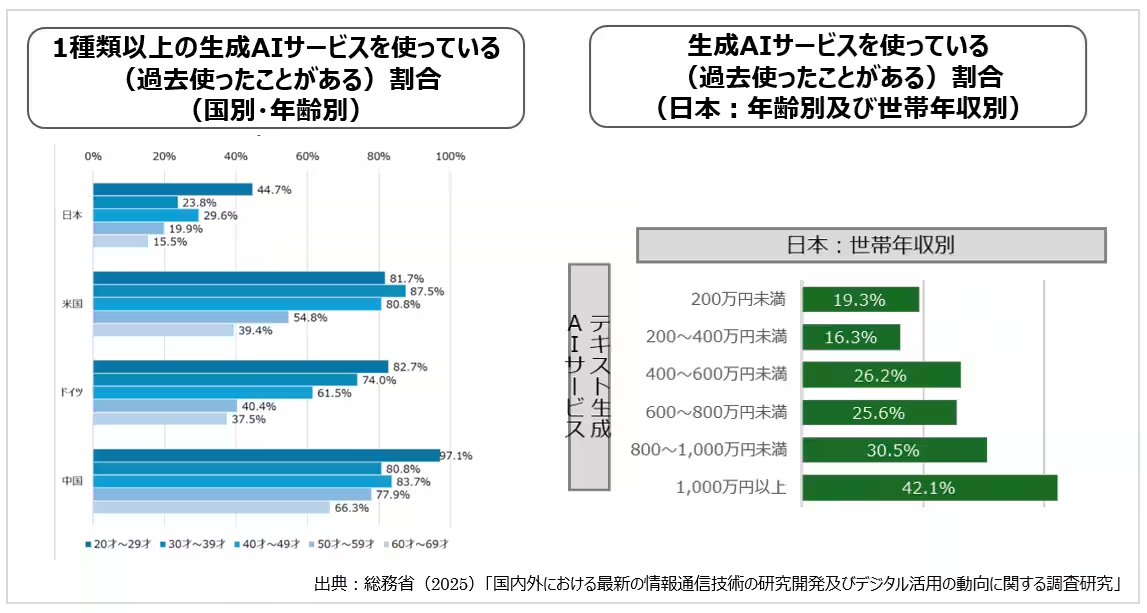
Recent surveys indicate that Japan's integration of generative AI remains lower compared to other nations. However, high-income households, earning over ¥10 million annually, reported a 42.1% usage rate of AI tools. This correlation suggests that individuals in higher income brackets are leveraging technology to enhance productivity, showcasing that as AI translation becomes commonplace, unique human skills like negotiation and market expertise are more critical than ever.
Concluding Remarks
According to Yoshiki Yokogawa, CEO of Human Global Talent, this study reiterates the idea that the ability to negotiate in one's own words remains a powerful career weapon in the modern workplace. With only a small percentage (under 10%) of the Japanese workforce possessing business-level English skills, the uniqueness and requisite nature of bilingual professionals in the workforce are highlighted. As global demands rise, proficiency in English coupled with specialized knowledge will likely dictate the success of individuals in the job market. The results of this survey could serve as valuable guidance for professionals aiming to enhance their career prospects through improved language skills.
By highlighting the importance of bilingualism and proficiency in English, Human Global Talent seeks to support professionals in achieving their full market potential and being appropriately recognized in today's competitive global landscape.




Topics People & Culture)



【About Using Articles】
You can freely use the title and article content by linking to the page where the article is posted.
※ Images cannot be used.
【About Links】
Links are free to use.