



Exploring the New Travel Trend 'Logitabi' for Japanese Tourists with Skyscanner, HIS, and Experts
The Emergence of 'Logitabi' in Japan's Travel Landscape
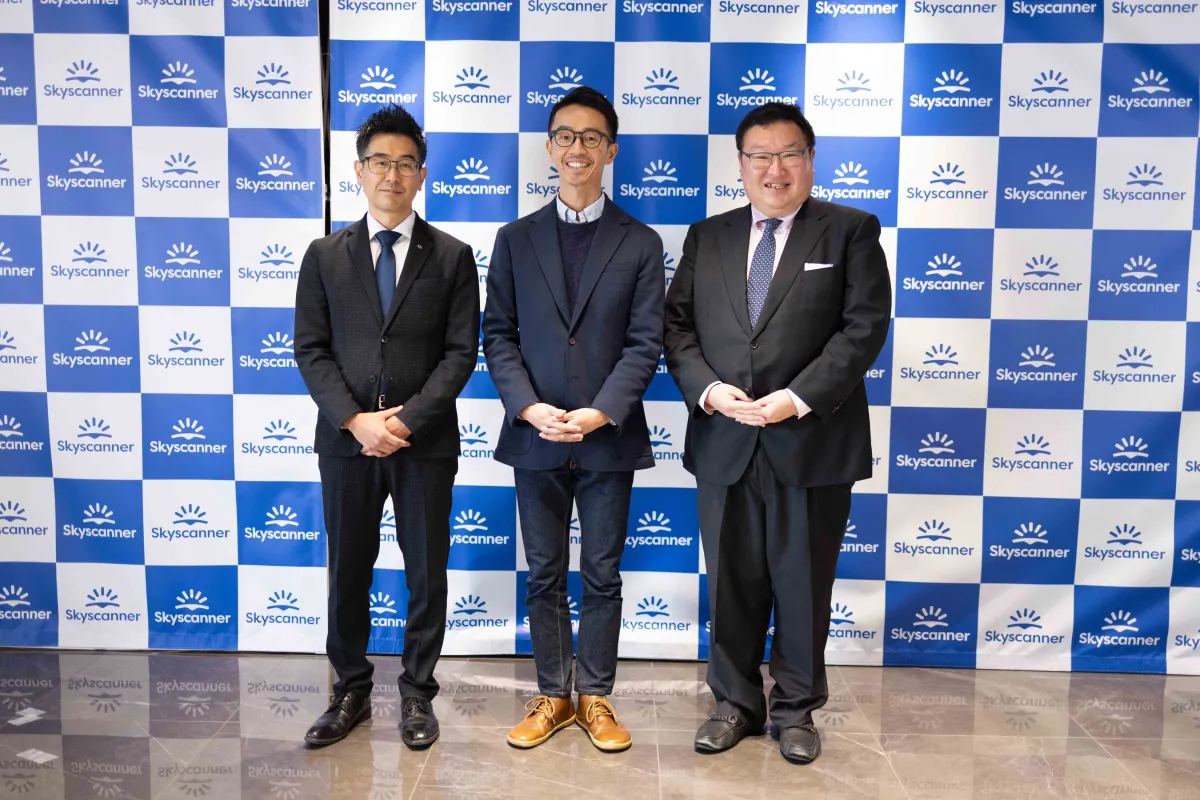
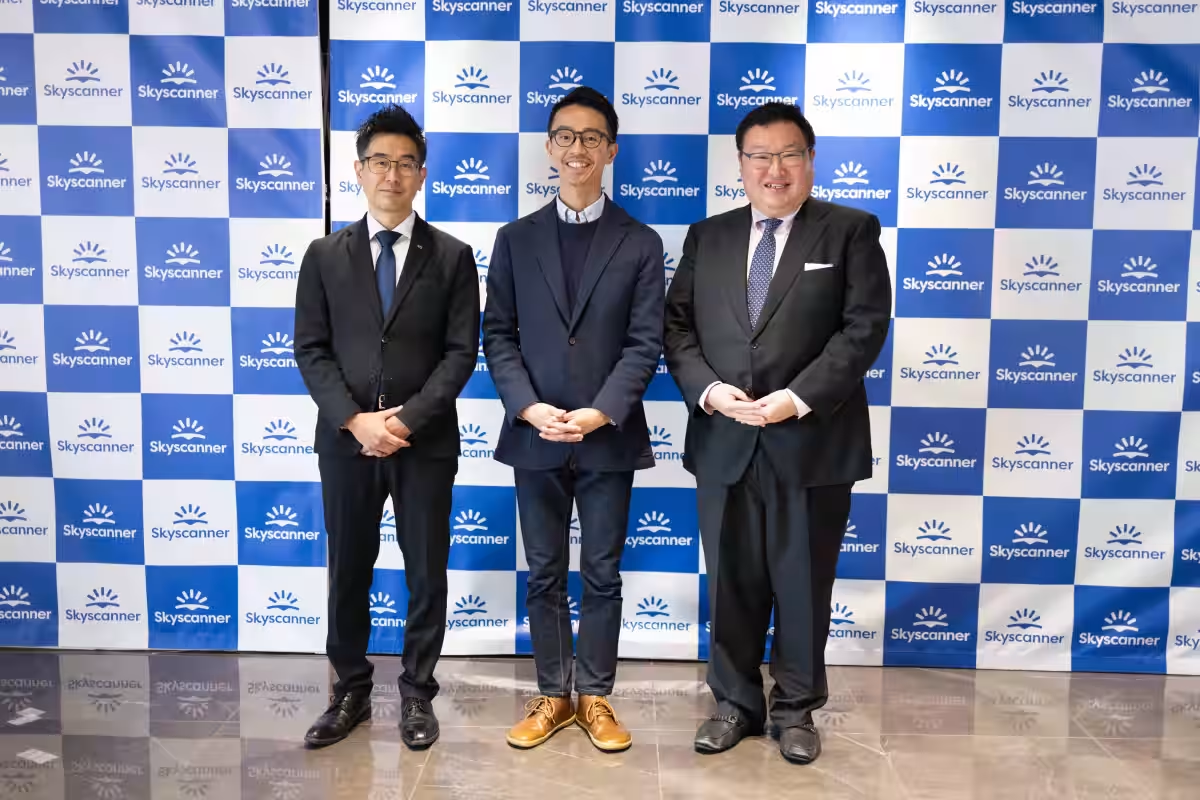
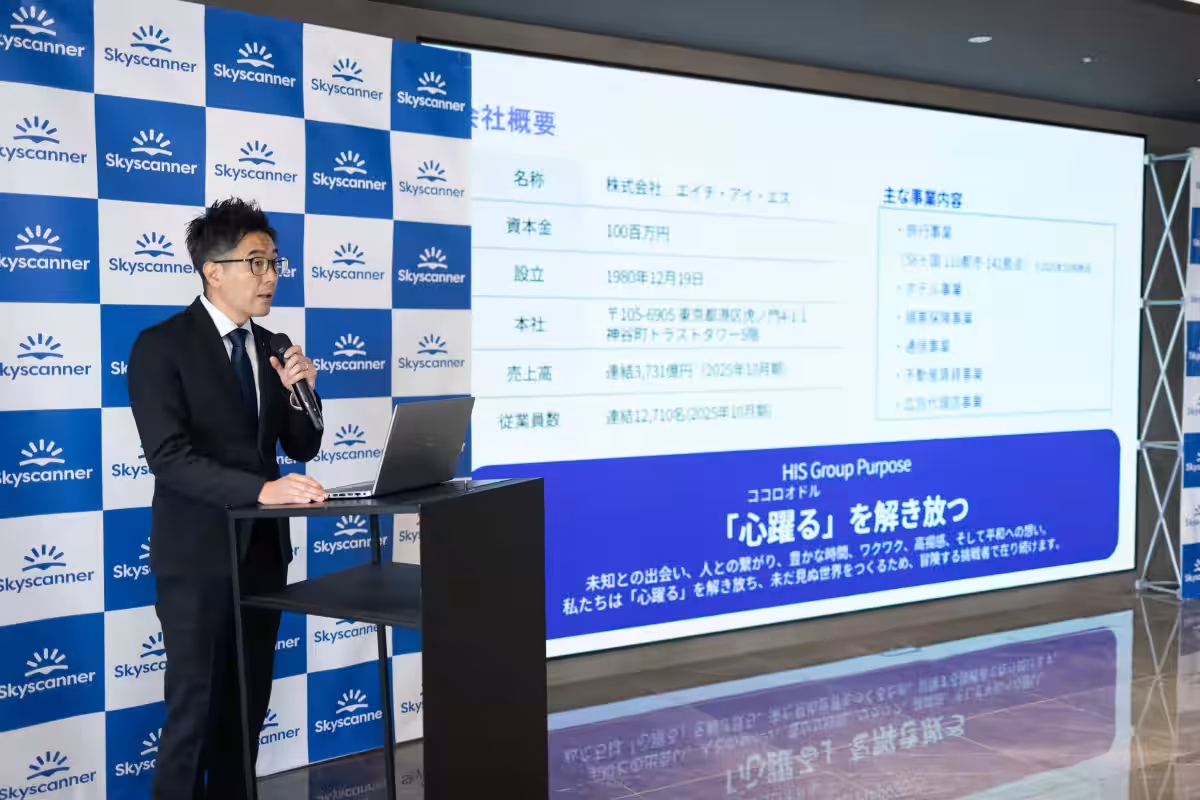
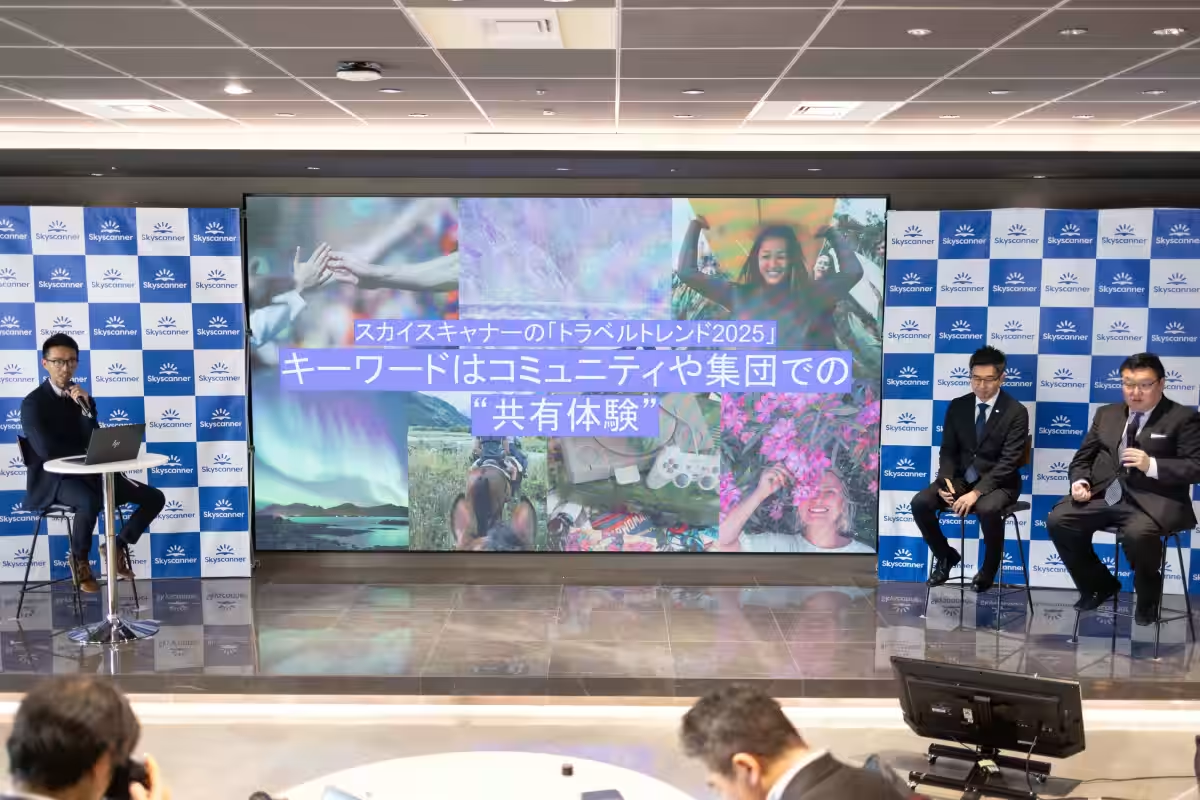
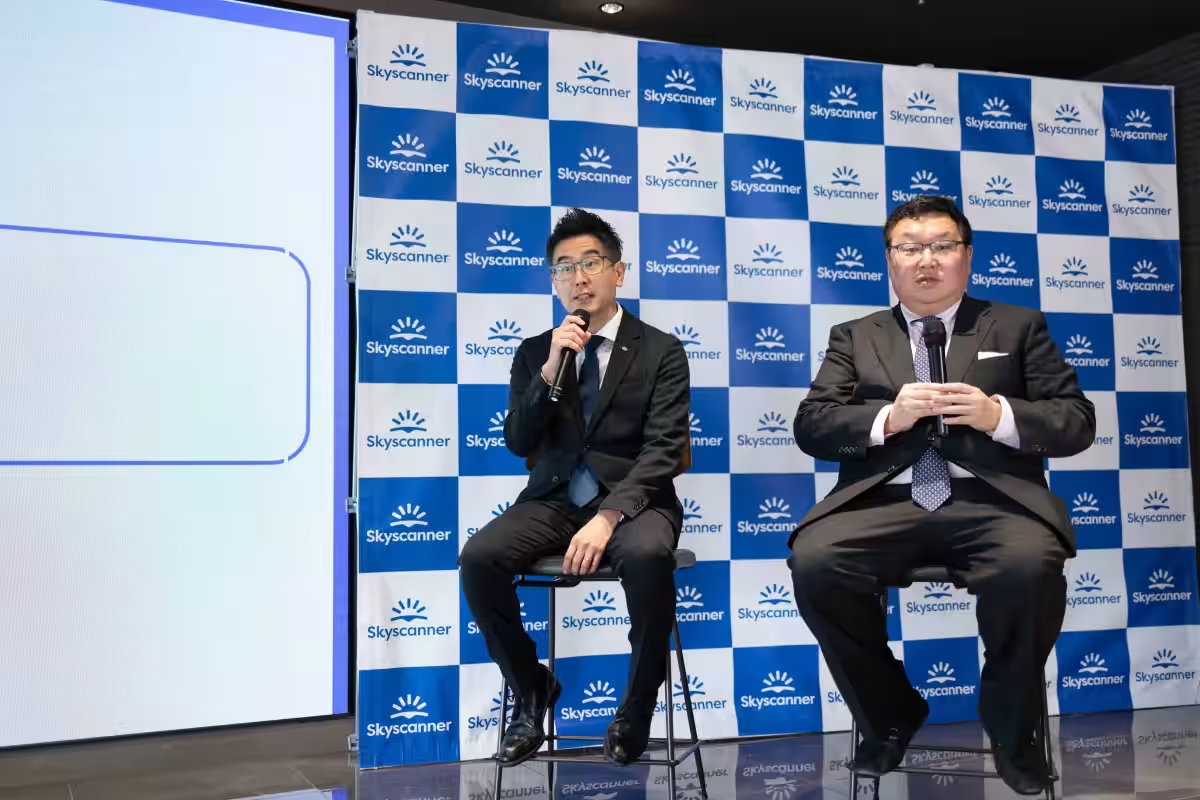
On January 15, 2026, Skyscanner Japan, in collaboration with HIS and travel analyst Kota Toriumi, hosted a media roundtable titled "The Current and Future Demands of Japanese Travelers." This event aimed to dissect the evolving expectations and motivations of Japanese tourists, particularly regarding data-driven decision-making in travel planning.
As a global travel application, Skyscanner offers tailored travel plans by sourcing the best options from around 1,200 websites, including airlines, hotels, and travel agencies worldwide. During the roundtable, two prominent figures from the travel industry shared insights on how traveler behavior is increasingly influenced by data rather than just impulse or perception.
The Context Behind the Event
Although rising prices and the depreciation of the yen have led many to express concerns about travel costs, the desire for travel among the Japanese population is steadily recovering. Skyscanner believes that in these changing times, the approach to travel has shifted towards a more analytical, data-driven mindset.
The first segment of the event highlighted shared success stories from Skyscanner's partnership with HIS. This collaboration has fostered a data-driven marketing strategy that utilizes predictive analytics to tailor travel offerings effectively. The discussion pivoted around identifying new travel trends, with 'Logitabi' emerging as a significant aspect of travel culture for 2026. Logitabi represents a logical, analytical approach to planning trips, helping travelers make decisions based on objective data rather than hearsay or guesswork.
A Recap of the 2025 Travel Trends
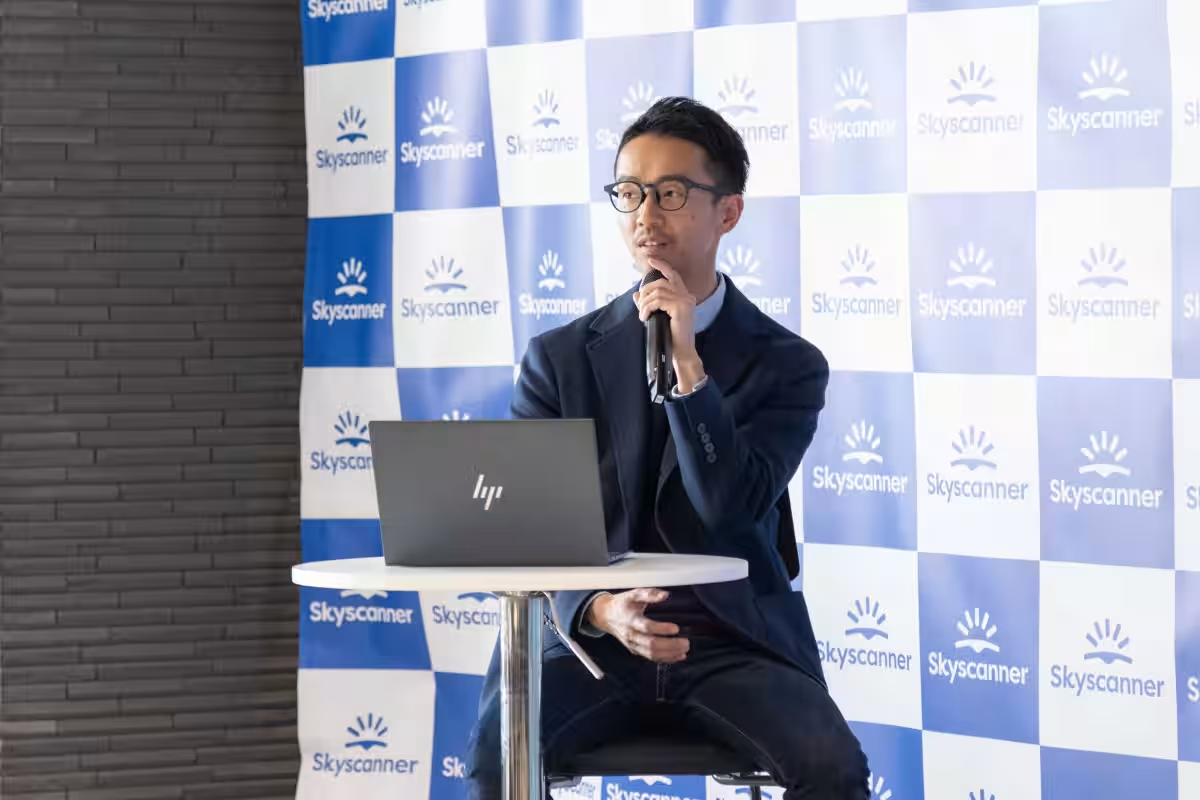
The session also revisited how 2025 unfolded for the travel industry. Kenta Okada, a travel expert at Skyscanner Japan, noted a striking 80% increase in travelers indicating they intended to travel more frequently compared to 2024, reflecting a bounce-back in travel enthusiasm. Key themes for 2025 included shared experiences and personalized travel, which emerged as significant motivators.
HIS's Kiyotaka Mukai supported this by mentioning changes in traveler behavior, such as the increasing demand for early bookings and the desire to enhance travel quality. The impact of recent global events, including the upcoming FIFA World Cup, was highlighted, showcasing how specific events influence travel planning and preferences.
The Rise of 'Logitabi'
Looking ahead to 2026, Okada emphasized a growing trend among Japanese travelers to select destinations based not solely on popularity, but on personal interests and values. Travelers are seeking authenticity and unique experiences that resonate with their identities, hence the term 'Logitabi' — a blend of logic and travel. A recent survey indicated that 65% of travelers feel anxiety about travel planning costs, further solidifying the need for logical, data-backed choices when making travel decisions.
Partnering for a Sustainable Future
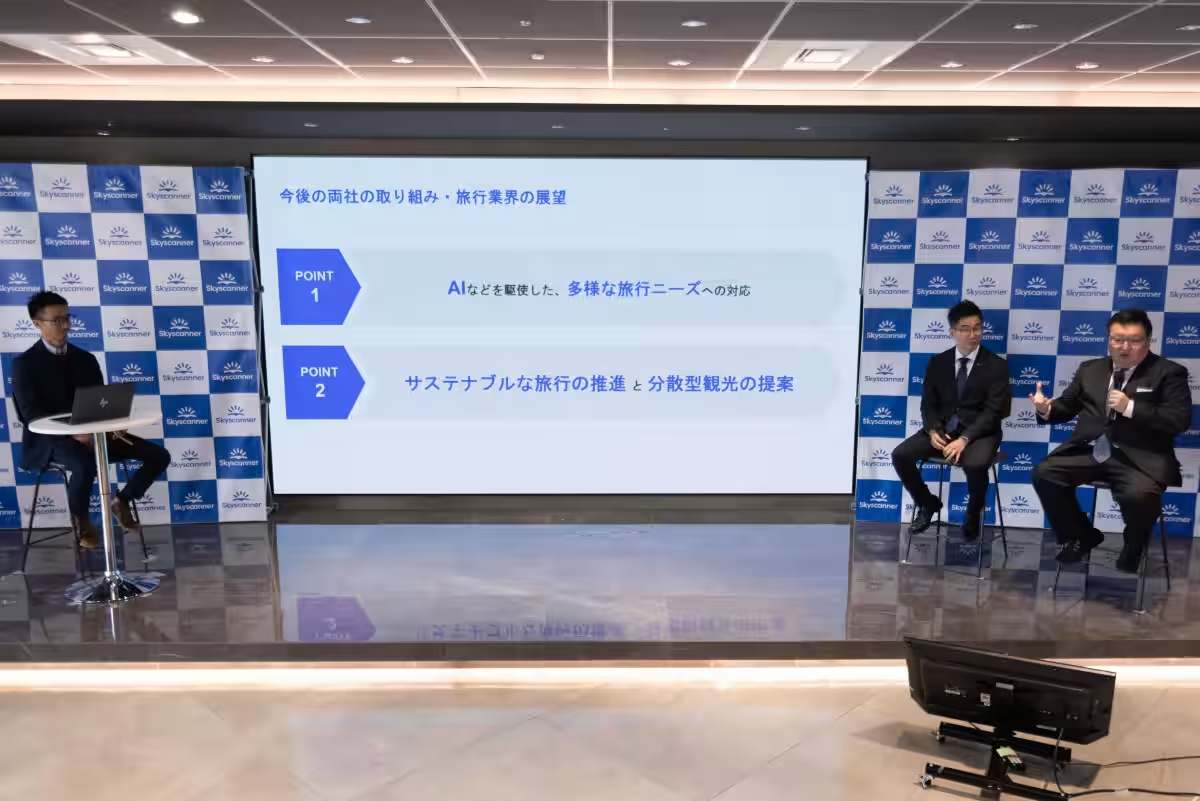
As discussions progressed, it became evident that Skyscanner aims to address these evolving needs through innovative technology. Okada revealed plans for an AI-powered solution to streamline travel planning, highlighting a commitment to transparency and value. Mukai underscored how HIS is merging digital and physical touchpoints, enhancing personalized services for customers across channels.
Both Skyscanner and HIS reiterated their commitment to sustainability. The former focuses on promoting eco-friendly travel options, such as low-carbon flights and alternative transport methods, reflecting travelers’ growing consciousness about environmental impact. Meanwhile, Toriumi noted that as transportation options evolve, it’s essential to emphasize lesser-known destinations and how to market their unique attributes.
Tips for Cost-Effective Travel Planning in 2026
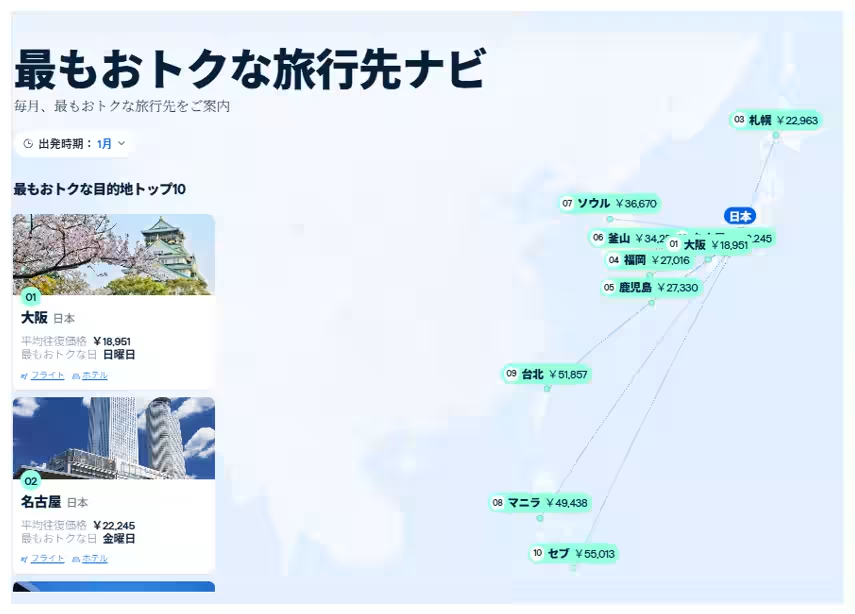
In light of the rising sentiment towards travel planning anxiety, practical tips were shared. Okada advised travelers on timing and strategies for booking flights, emphasizing the potential of traveling on Mondays when costs can often be lower. Mukai highlighted the importance of early reservations and leveraging cancellation insurance—a tool to safeguard investment while exploring new destinations.
Toriumi reiterated the significance of thorough preparation, from managing finances and online travel authorizations to leveraging technology for smoother international travel experiences. Additionally, attention was drawn to emerging technologies, such as real-time translation devices, that can enhance the travel experience further.
Conclusion
The event shed light on the innovative partnership between Skyscanner and HIS, signaling a new dawn in how data shapes the future of travel planning in Japan. With a focus on logic-driven travel, sustainability, and personalized experiences, the travel industry is evolving to meet the diverse demands of modern travelers in 2026 and beyond.
In summary, the emergence of 'Logitabi' illustrates a pivotal shift towards a more informed, analytical approach to travel planning among Japanese travelers, ensuring they embark on journeys that resonate with their individual values and preferences.

Topics Travel)
【About Using Articles】
You can freely use the title and article content by linking to the page where the article is posted.
※ Images cannot be used.
【About Links】
Links are free to use.