



Exploring the Actual Implementation of Job-Based HR System in Japan
Analysis of Job-Based HR Systems in Japan
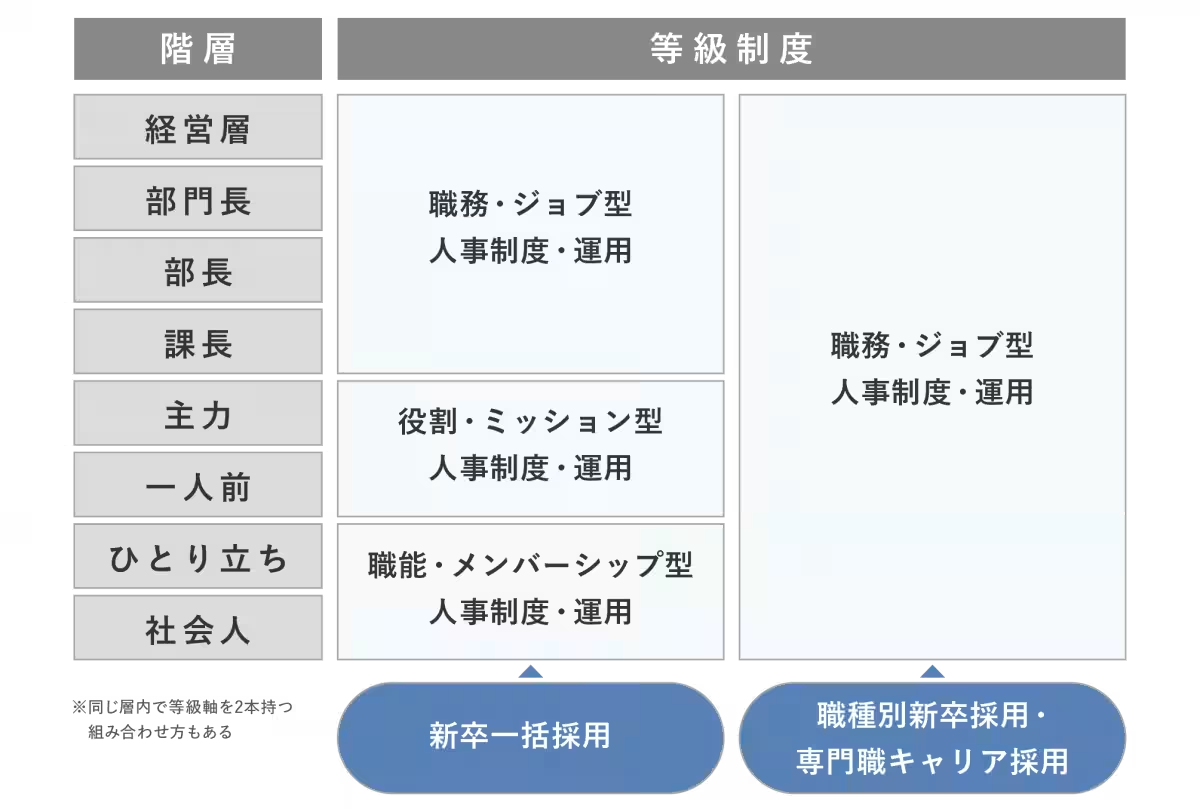
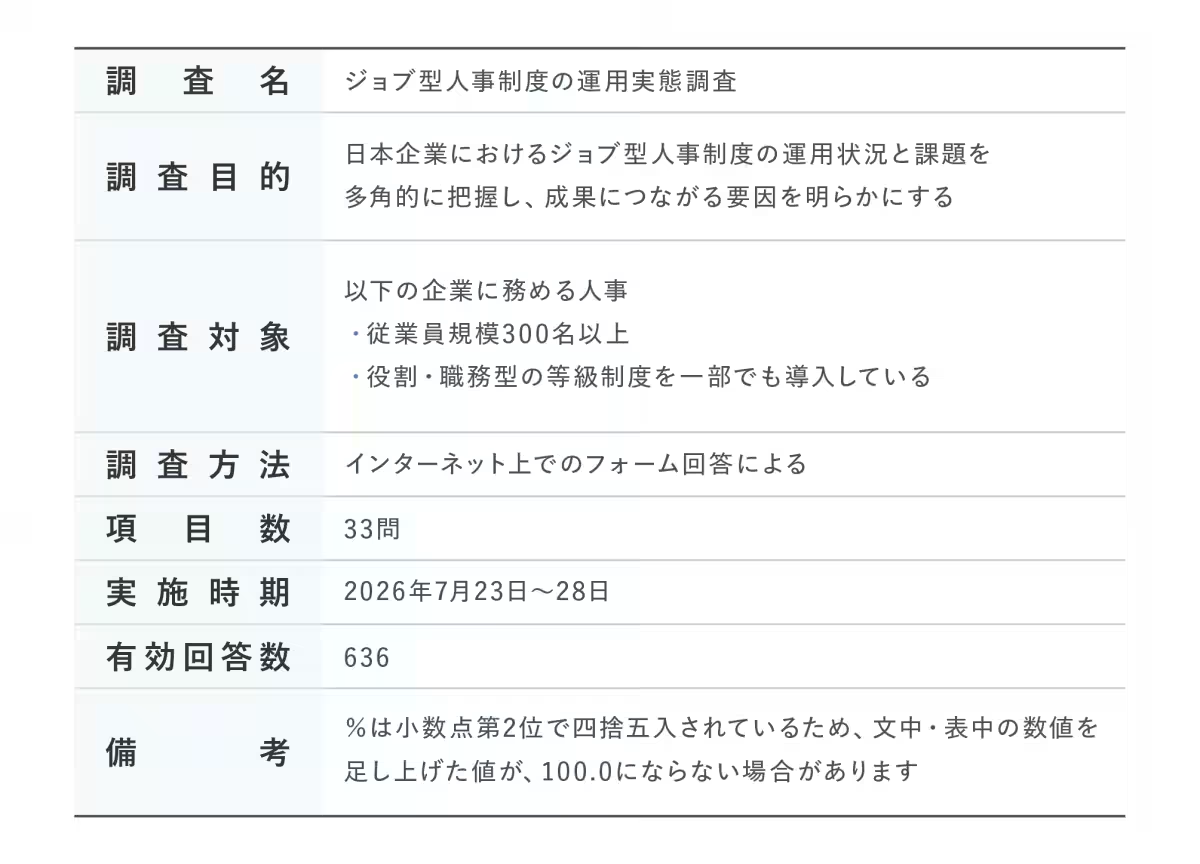
Recruit Management Solutions Co., Ltd. has recently conducted a survey in collaboration with Nikkei BP, focusing on the actual implementation of job-based HR systems among companies with more than 300 employees in Japan. The survey aims to reveal the realities of job-based HR systems, the reasons causing discrepancies in results, and the factors influencing effective deployment.
Executive Summary
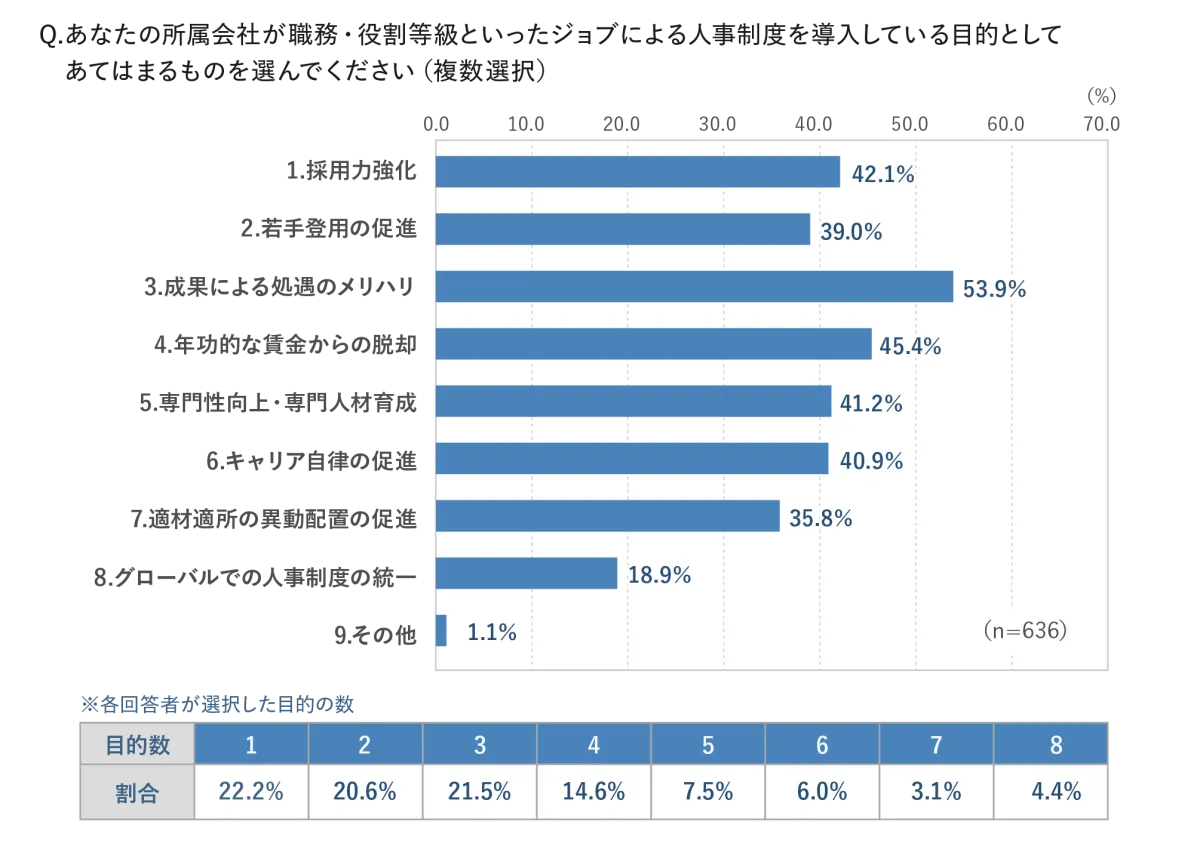
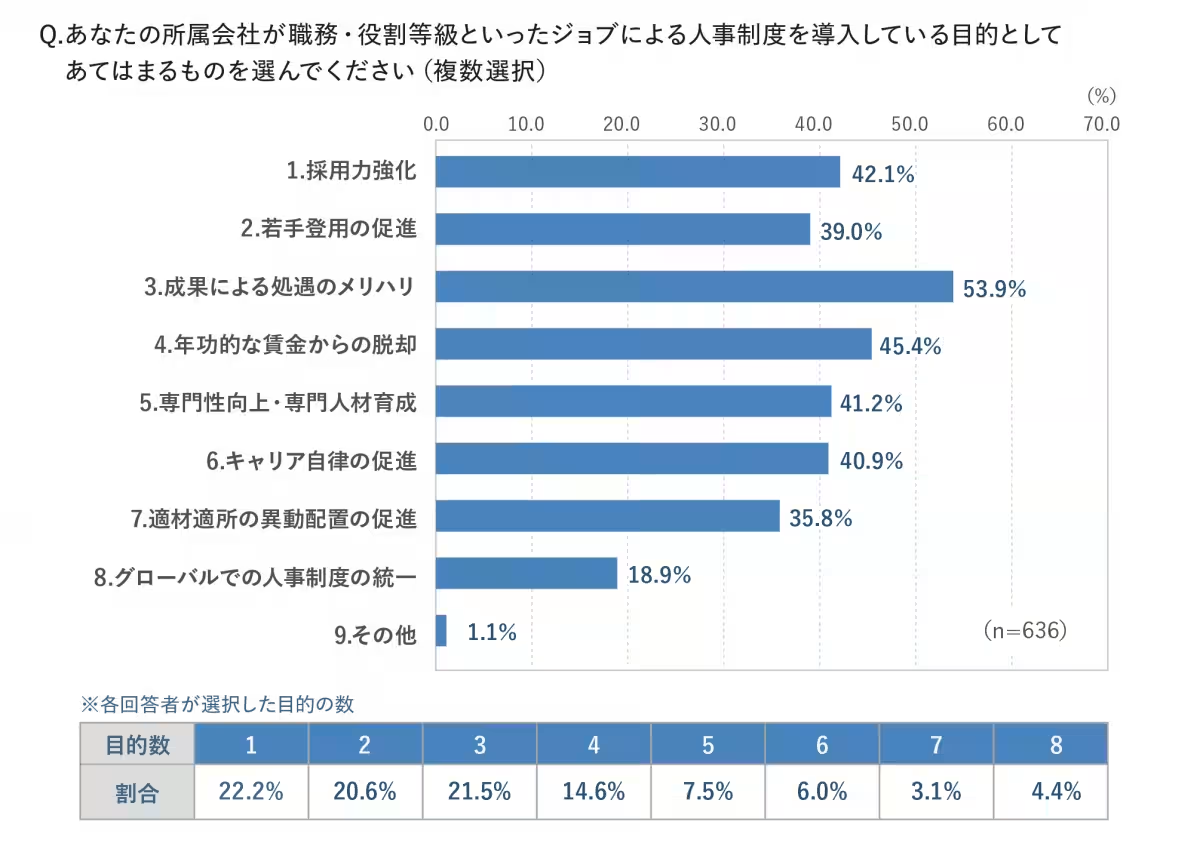
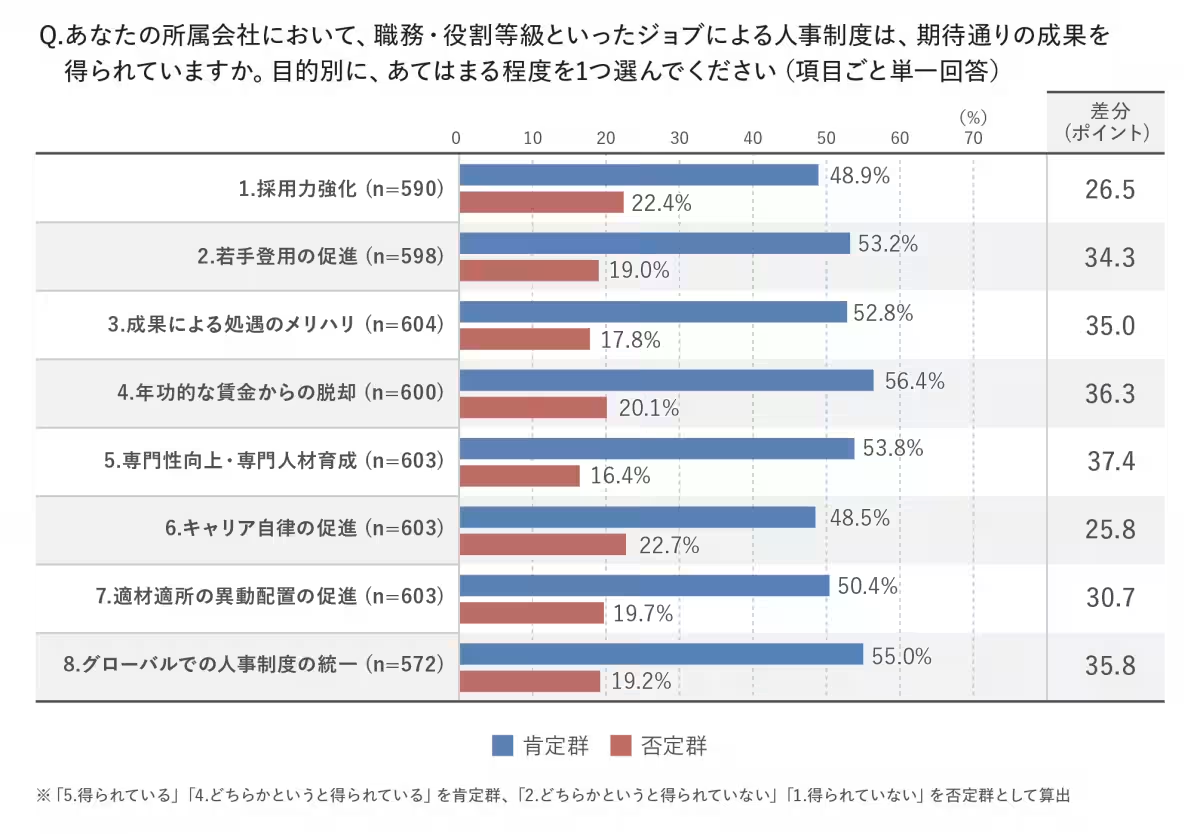
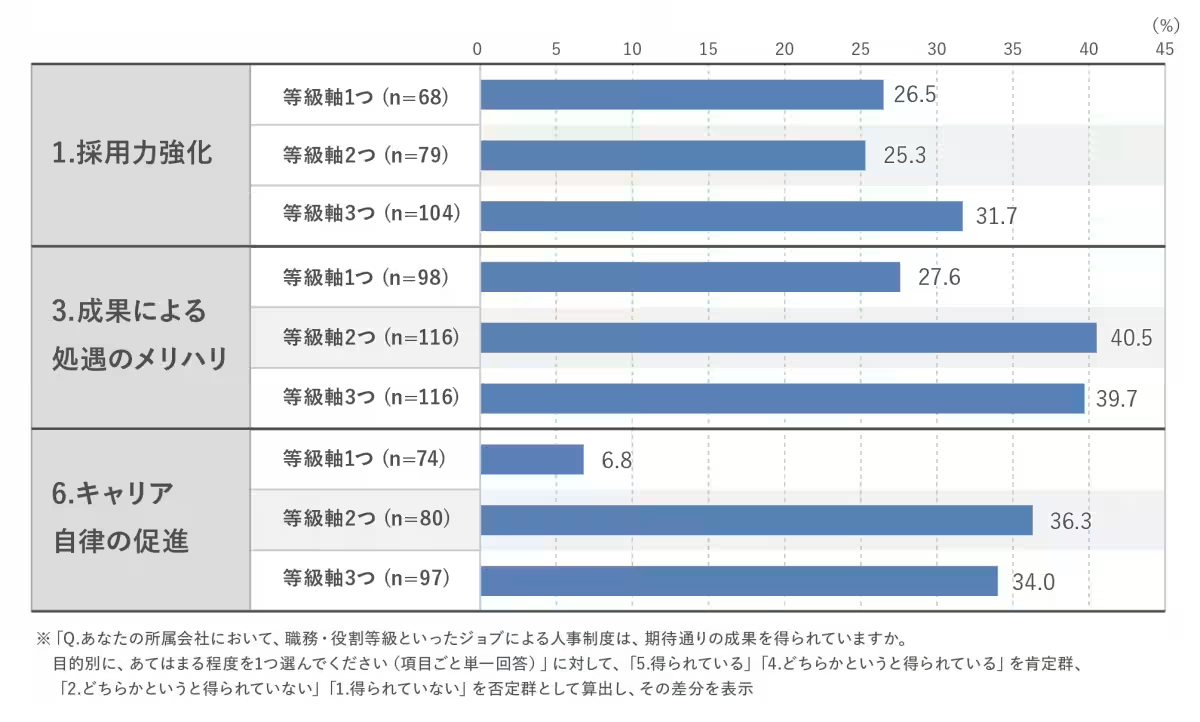
The primary motivations for adopting job-based systems revolve around the emphasis on performance-based compensation. Notably, over half of the surveyed companies (around 53.9%) identified the need for clearer distinctions in compensation based on results as their primary goal. Furthermore, the survey found that about 20% of the companies felt they were not realizing the expected benefits from their job-based structures. Interestingly, those focusing on enhancing recruitment and promoting career autonomy perceived less difference in success compared to others focusing on different objectives.
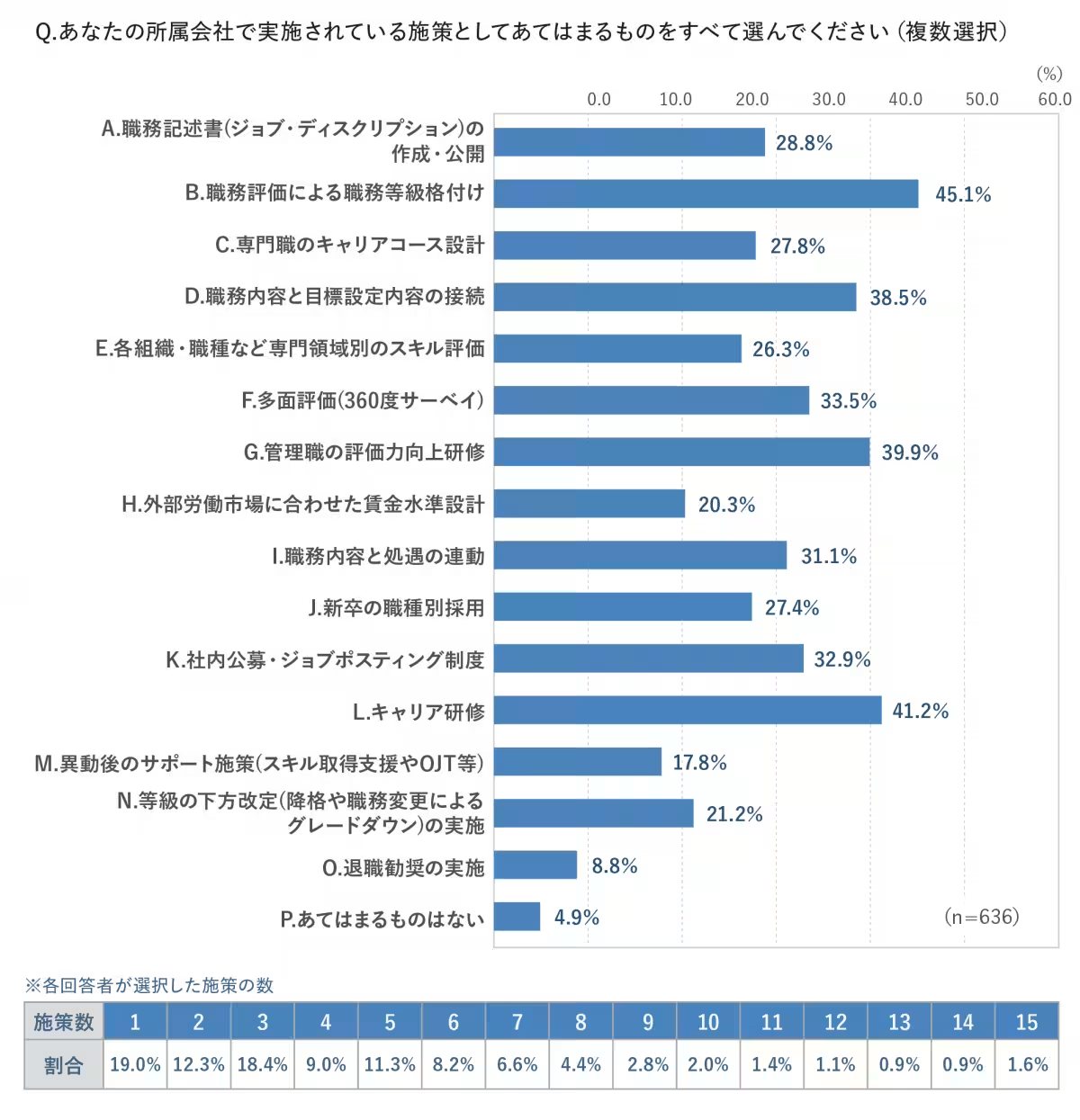
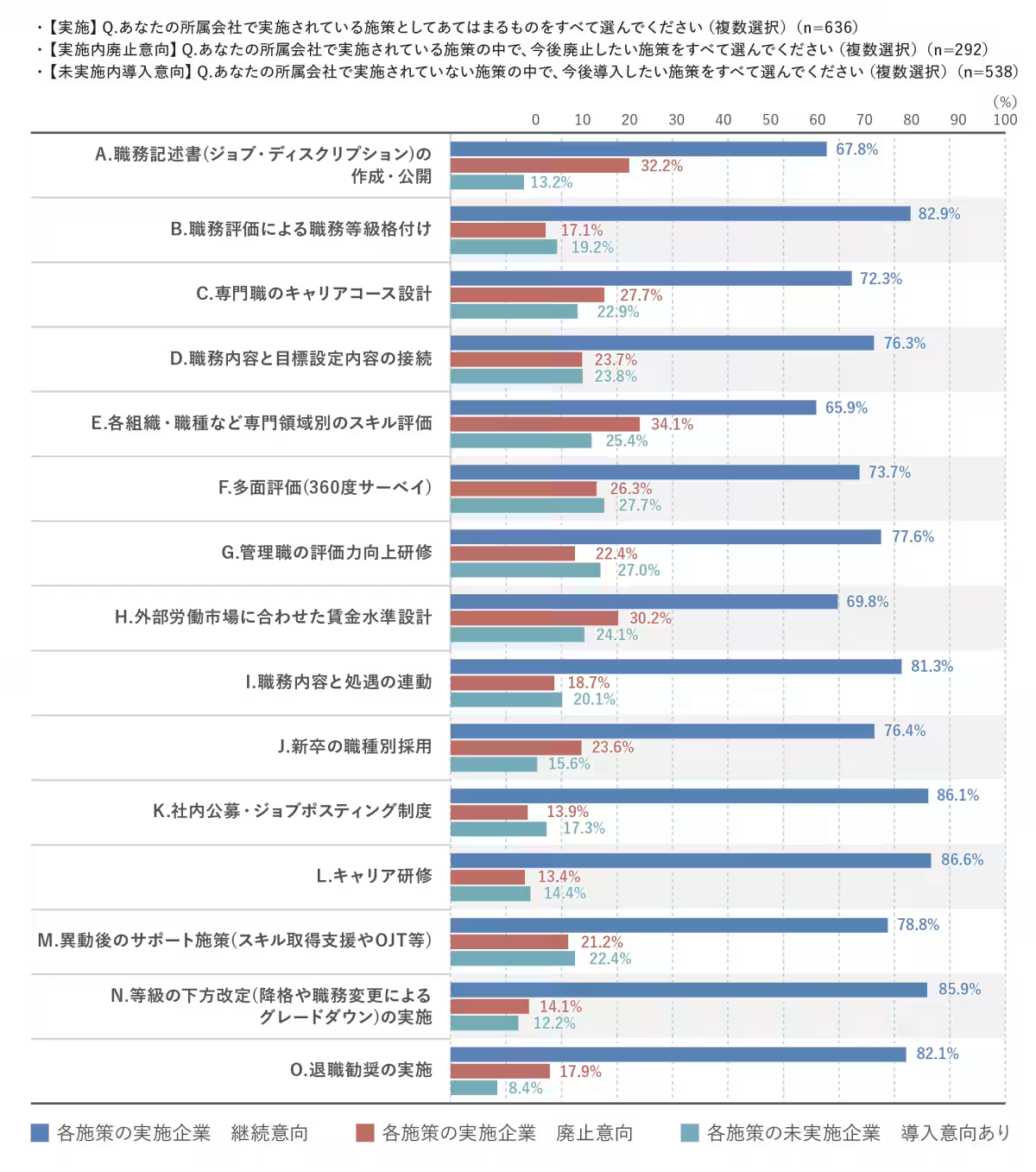
Additional insights reveal that businesses with multiple grading axes experience higher satisfaction regarding performance results. For instance, companies utilizing two or more grading systems noted a significant gap in success perceptions, especially in promoting career autonomy. The most commonly adopted practice was job evaluation based on classification, while less than 10% of companies engaged in options like encouraging resignations.
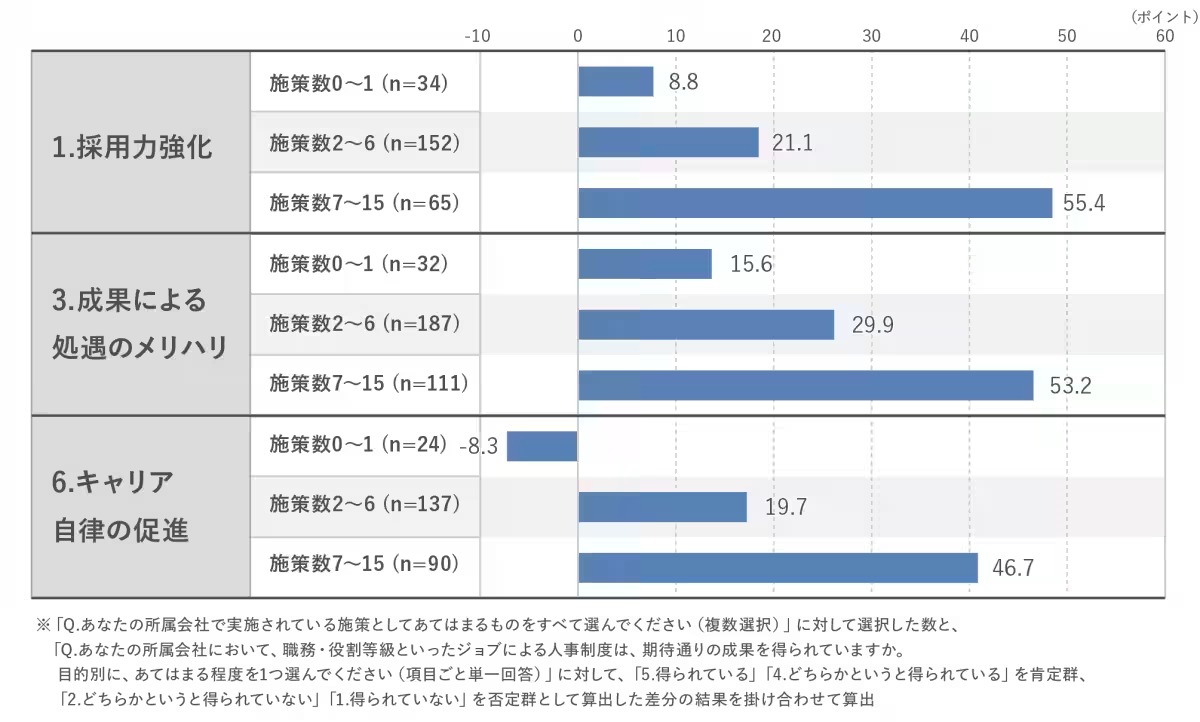
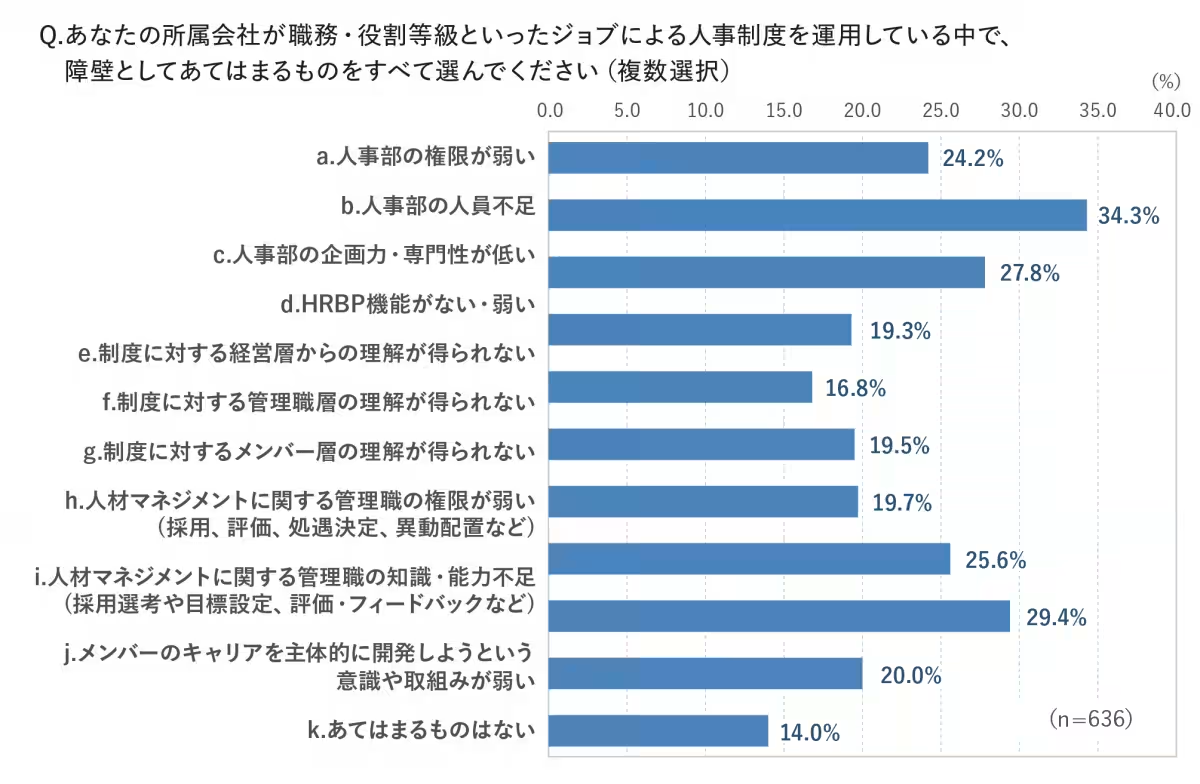
Companies implementing seven or more job-based measures reported a positive outcome in approximately 70% of cases, suggesting a correlation between the number of measures and perceived performance success. Notably, the main obstacles hindering the effective operation of job-based systems include staff shortages within HR departments (34.3%) and a lack of managerial competence (29.4%). This indicates that the challenges lie more with people rather than the systems themselves.
Interestingly, about 30% of companies showed an intention to eliminate job descriptions, signaling a shift in focus from simply defining roles to a growing interest in visualizing competencies and skills through mechanisms such as 360-degree evaluations.
Key Findings
The survey revealed the following key insights:
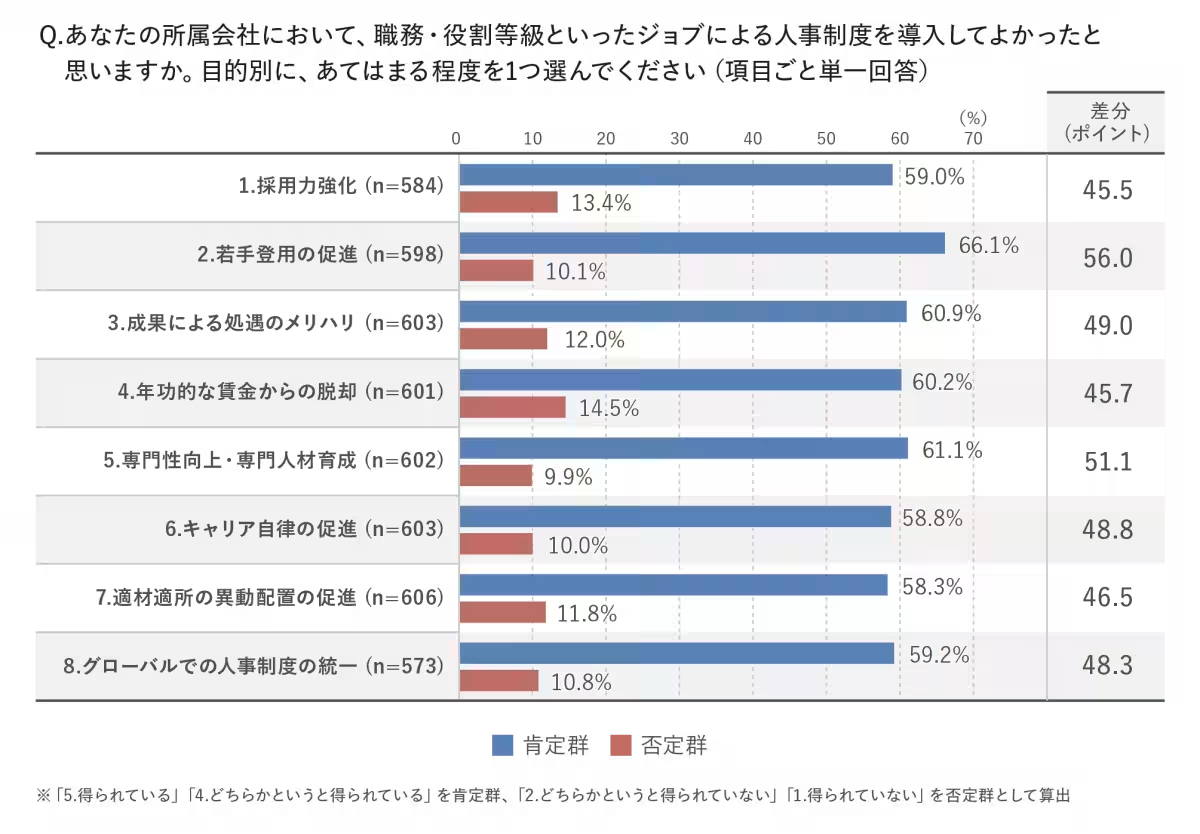
1. Performance vs. Satisfaction: There's a notable disparity between performance satisfaction and overall contentment among employees. While many felt positive about their system's implementation, the actual results did not always align with those feelings. This indicates that the success of job-based HR systems relies heavily on how well they are executed rather than their mere existence.
2. Organizational Capability: Successful implementation is often characterized by an active use of job descriptions, a strong connection between roles and remuneration, and regular feedback from management. Many companies identified HR staff shortages as a significant barrier, pointing to the need for enhanced training and authority within management roles.
3. Adoption Trends: There is an increasing tendency among companies to prioritize skill evaluation and comprehensive assessments over rigid job definitions. This shift towards understanding and leveraging human data signifies a transformative phase in Japanese HR practices.
4. Effective Practices: Implementing multiple effective measures led to greater satisfaction about job-based systems, emphasizing the importance of a well-rounded approach rather than relying on single initiatives.
Overall, this analysis demonstrates that the efficacy of job-based HR systems in Japan is determined more by the quality of implementation than the systems themselves. Therefore, it is crucial for HR departments and management to foster an environment that enables effective personnel management and organization development.
Conclusion
This study underscores the importance of not just what is implemented in job-based systems, but also how these systems are managed and evolved. Companies aiming to improve their job-based HR practices must prioritize developing the abilities of HR personnel and management. By doing so, they can enhance their overall talent management strategies, ultimately fostering a more productive and satisfied workforce.

Topics People & Culture)
【About Using Articles】
You can freely use the title and article content by linking to the page where the article is posted.
※ Images cannot be used.
【About Links】
Links are free to use.