



The Current State of Generative AI Training in Large Corporations: Insights from Industry Leaders
Insights from Generative AI Training in Large Corporations
In a recent survey conducted by e-communications Co., Ltd., which focused on the implementation of generative AI training in large organizations with over 1,000 employees, several key findings have emerged that highlight both the progress and the challenges faced by these corporations in effectively utilizing AI training.
Lack of Understanding and Implementation
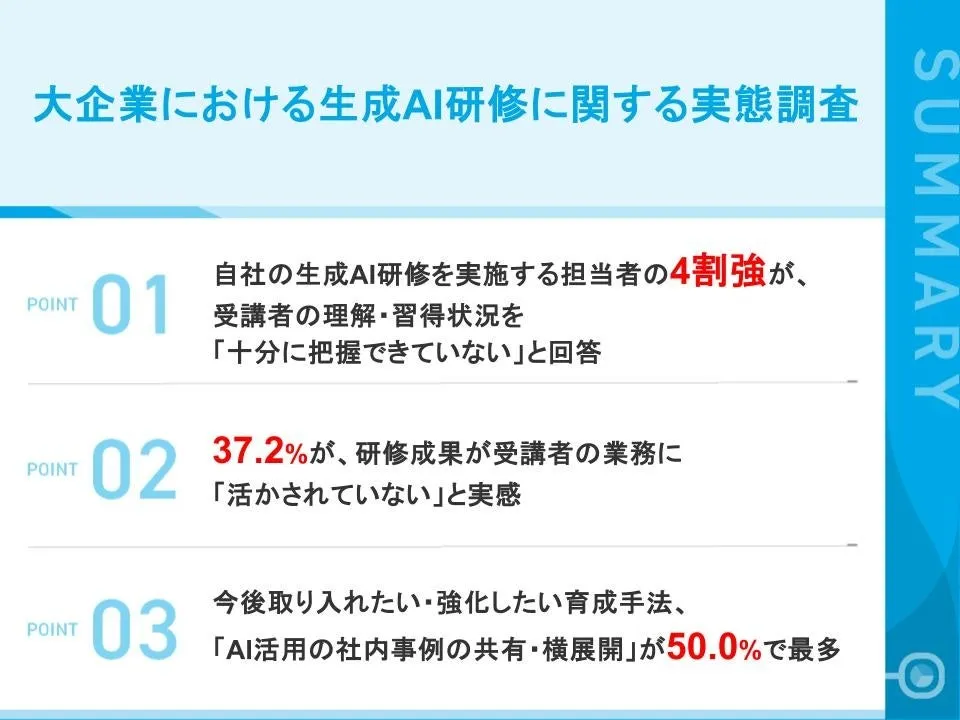
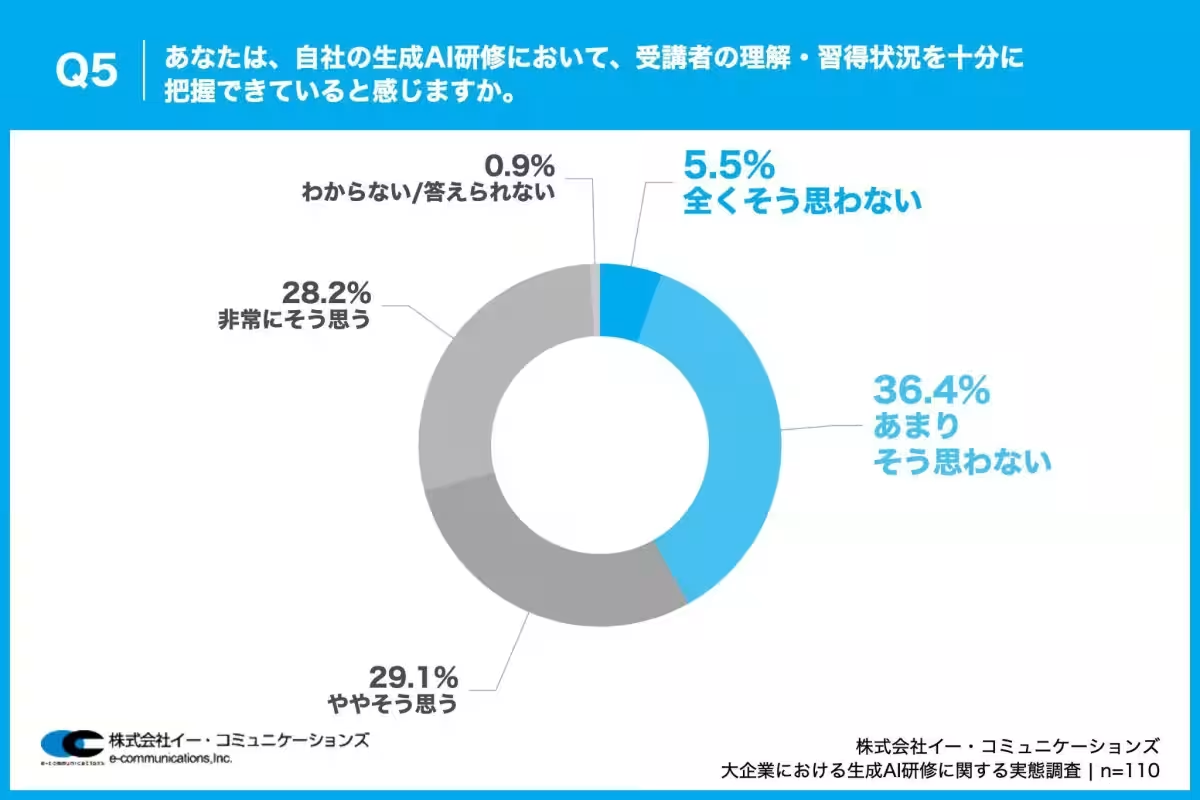
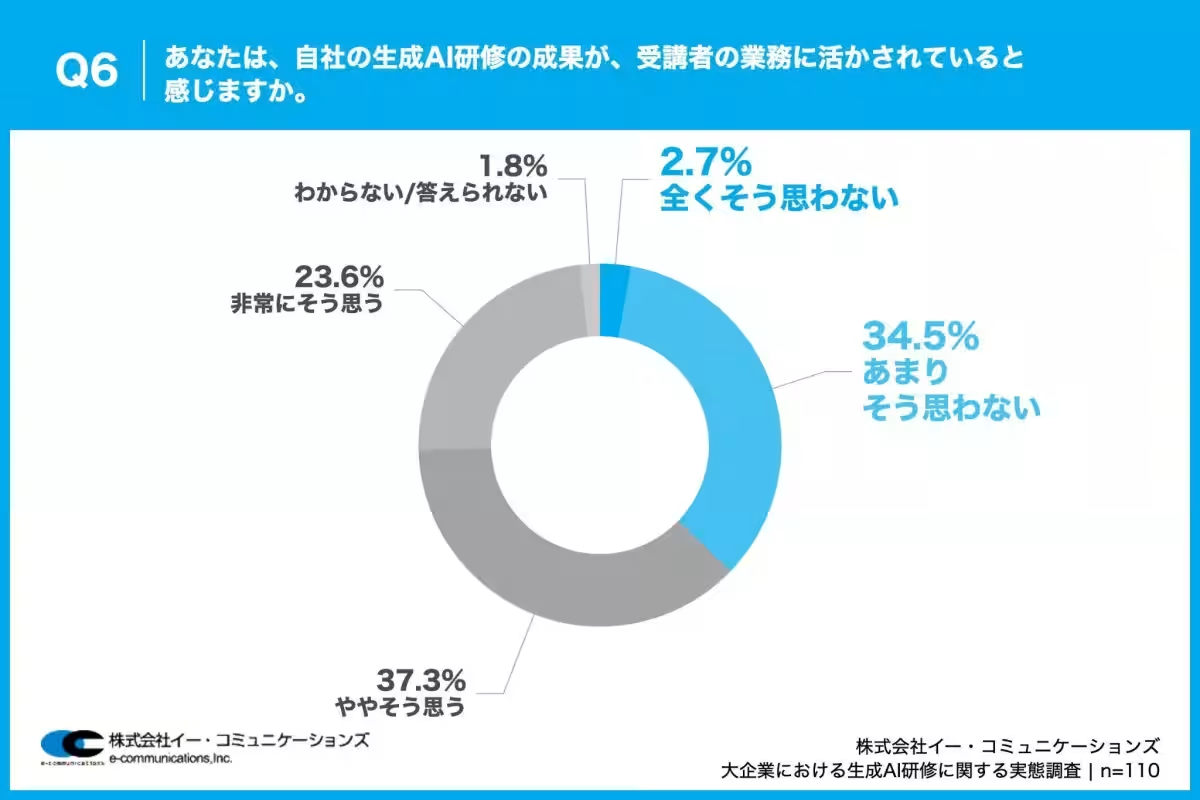
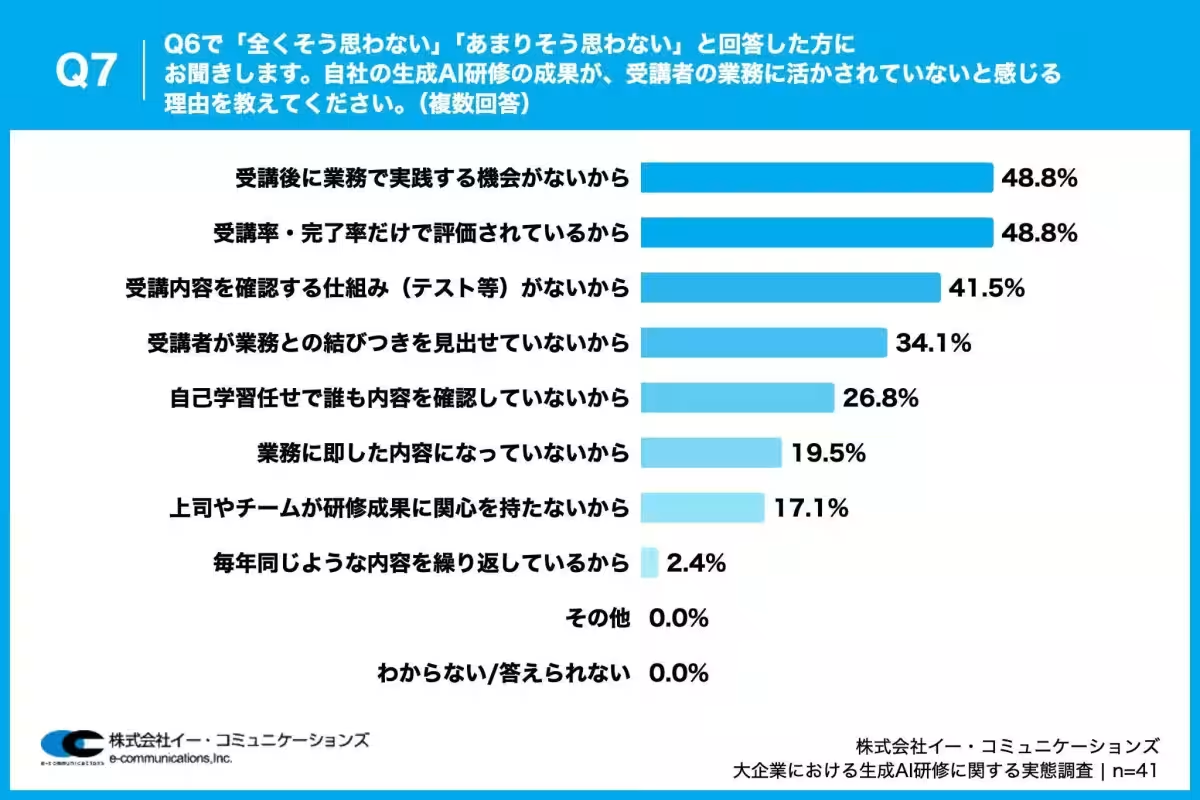
More than 40% of the respondents, responsible for managing these training programs, indicated that they do not adequately grasp the understanding and mastery levels of their trainees. This raises questions about the effectiveness of current training methodologies. Furthermore, 37.2% of participants felt that the outcomes of the training were not effectively integrated into the workplace, indicating a significant disconnect between learning and real-world application.
Preferred Training Methods
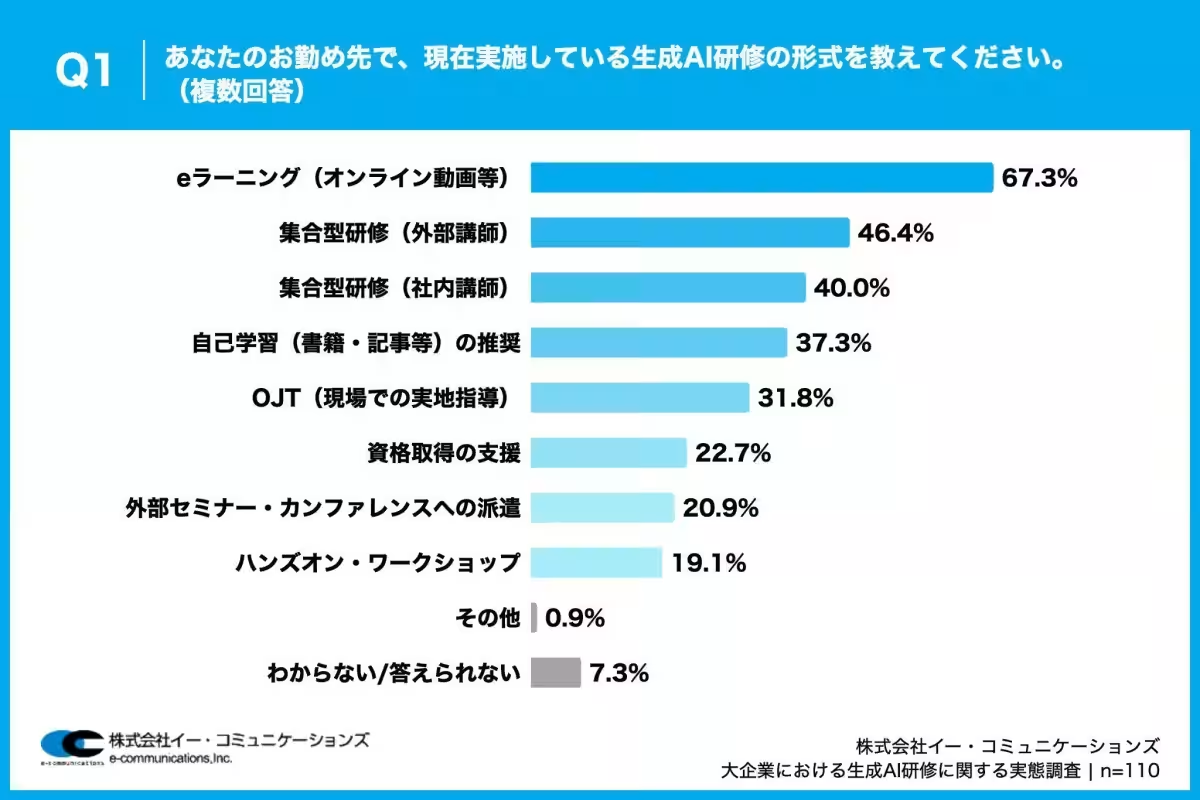
When asked about the training formats currently in use, 67.3% of respondents reported using e-learning as their primary method, followed by group training with external instructors at 46.4%. This preference for online formats reflects a growing trend in corporate education, as companies strive to provide flexible learning opportunities for their employees. Today’s trainees appreciate the convenience of e-learning, which allows them to learn at their own pace.
Participants Seek Improvement
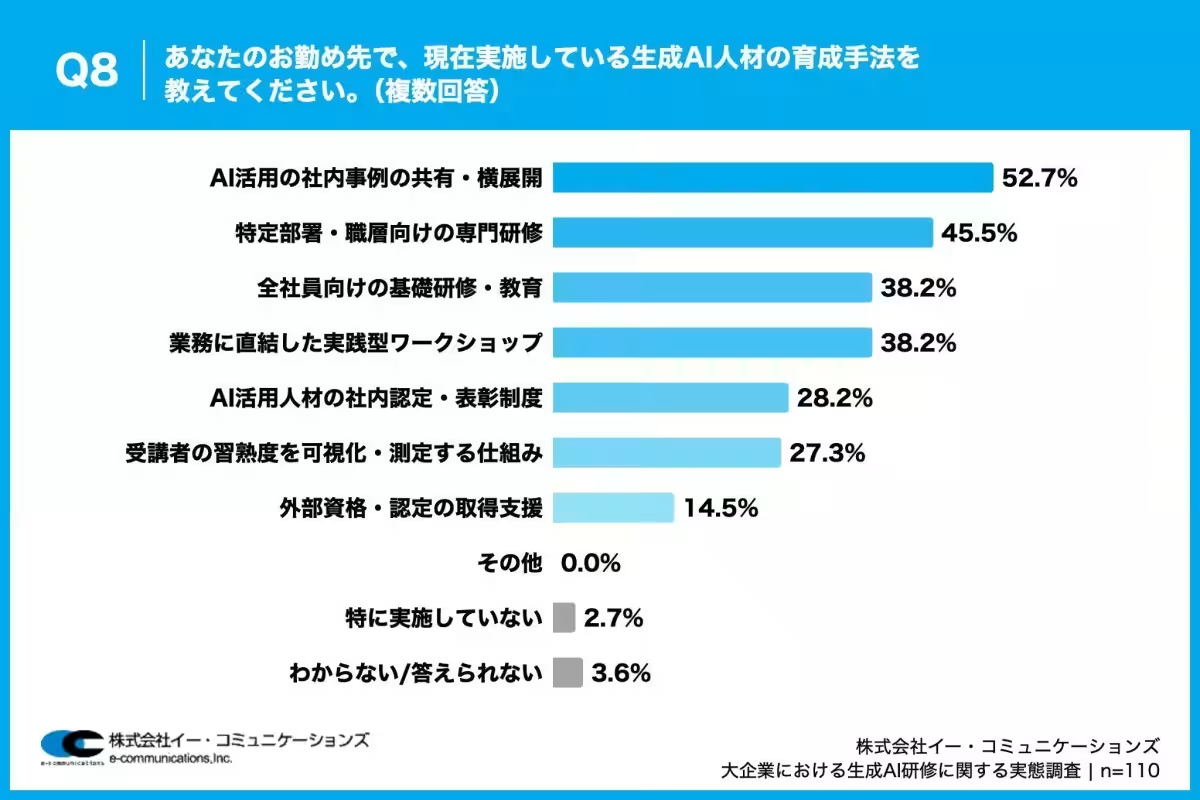
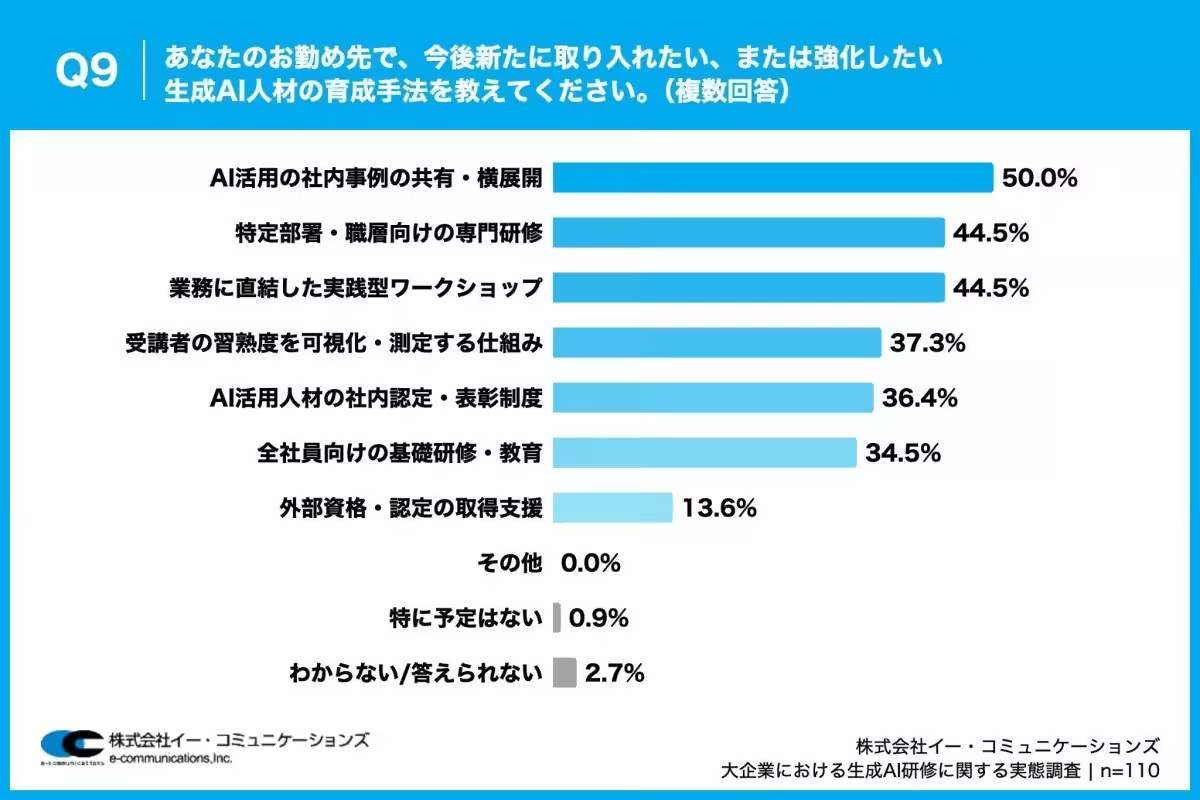
The data also revealed that 50% of respondents are keen on increasing the sharing of internal use-case examples of AI applications as a method of training enhancement. This could significantly enrich the learning experience by providing relatable content that directly applies to their roles. Additionally, the desire to implement specialized training for different departments and roles further emphasizes the need for tailored educational approaches in AI utilization.
Key Challenges Identified
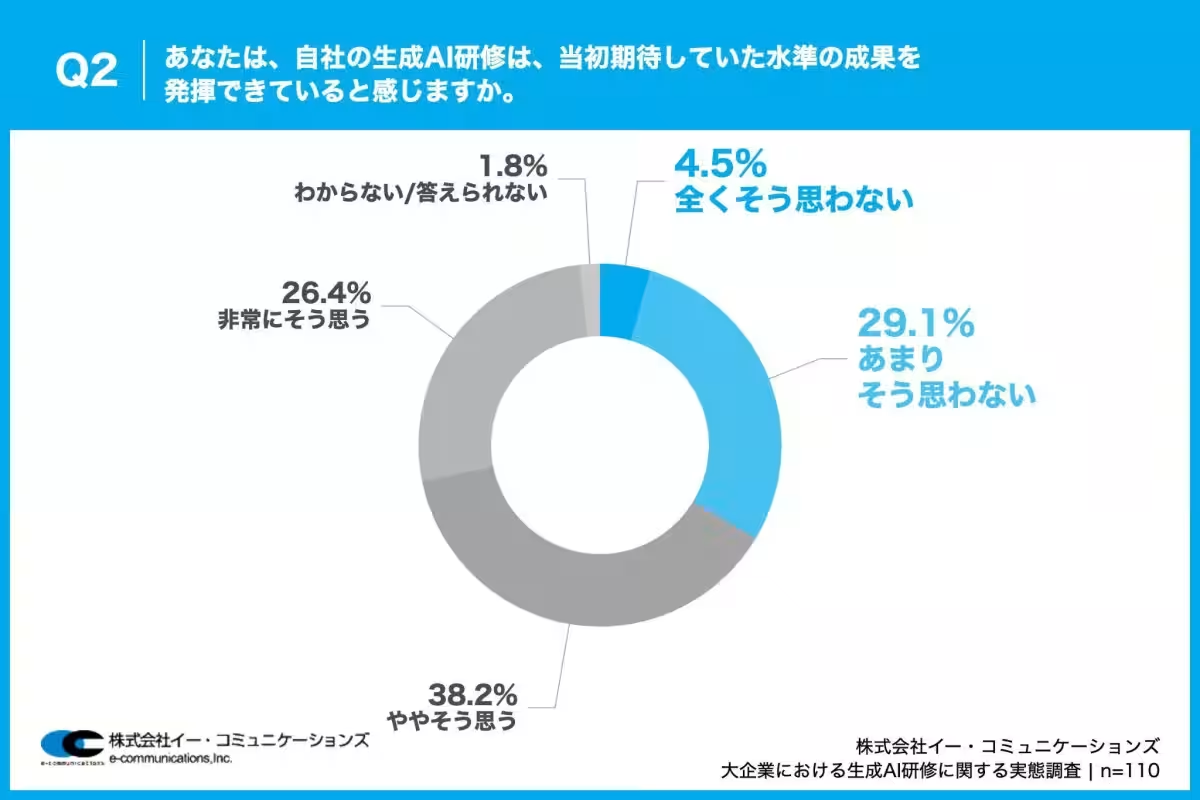
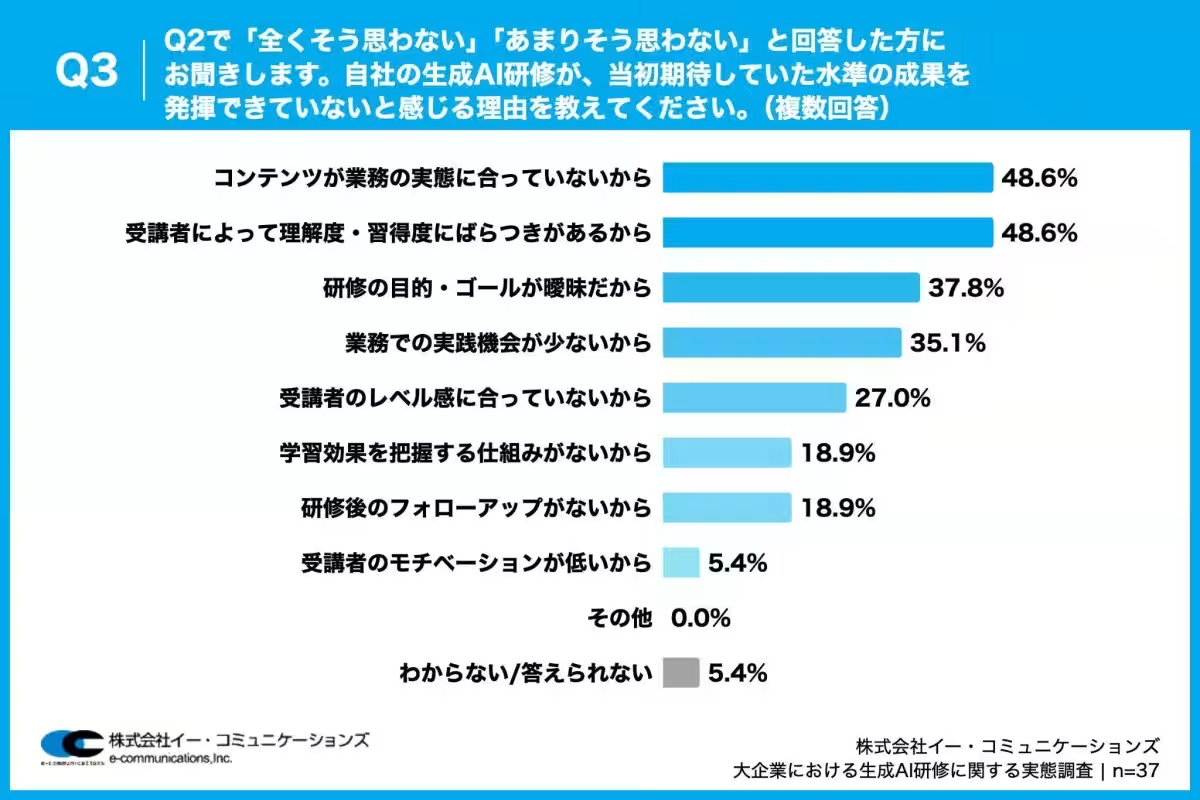
While 64.6% of practitioners felt that the training met their initial expectations, a troubling 33.6% expressed doubt. Several key factors contribute to this skepticism:
- - Content Relevance: Nearly half of the respondents cited that the training content does not align well with their daily work activities, which diminishes its practical value.
- - Varied Understanding: There is significant variability in the comprehension of the material among trainees. This inconsistency in learning outcomes complicates the measurement of training effectiveness.
- - Ambiguous Objectives: A clear majority mentioned that a lack of defined objectives and goals hampered the training’s effectiveness. This highlights the necessity for organizations to articulate clear outcomes to better guide training strategies.
Insights on Post-Training Support
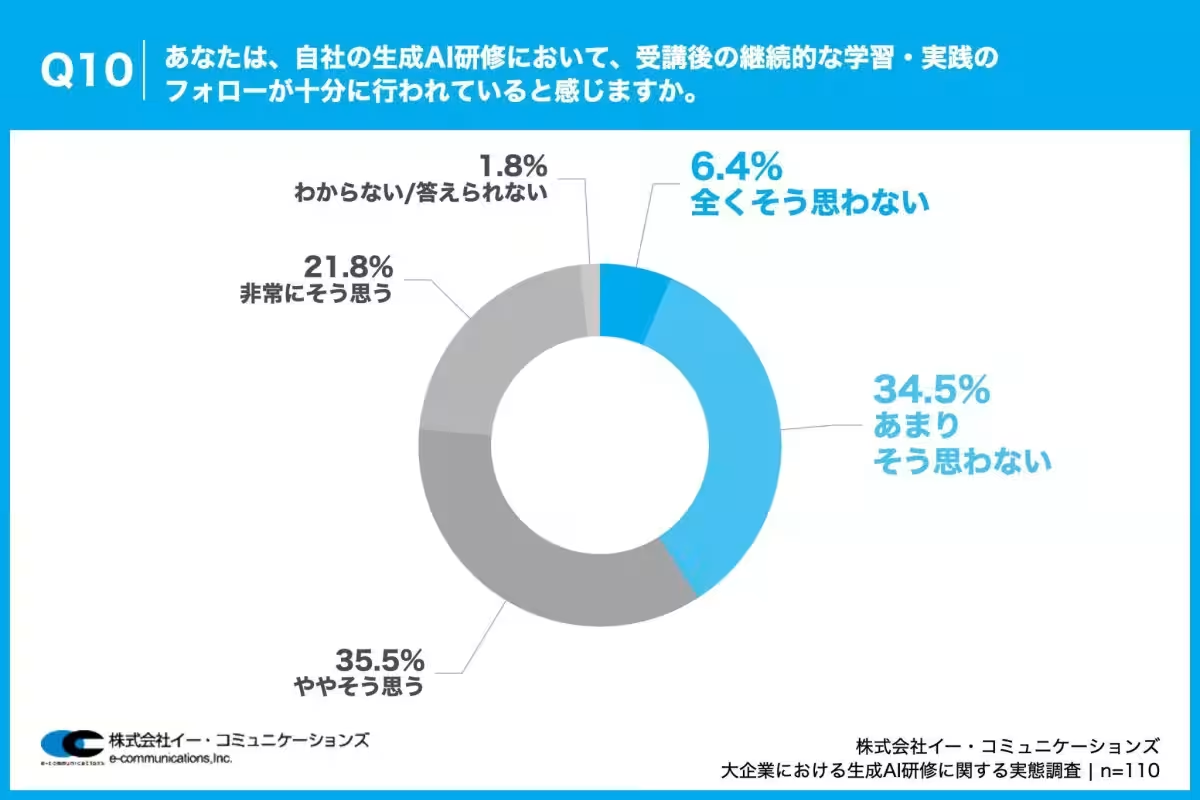
Another concerning finding is that over 40% of respondents believe that the ongoing support for learning post-training is inadequate. This underscores the necessity for a robust follow-up mechanism to solidify the knowledge acquired during training sessions. To bridge this gap, companies should look into fostering a culture of continuous learning supported by mentorship and practical application opportunities.
A Roadmap for Future Training Strategies
Moving forward, organizations must prioritize the development of insightful and relevant training modules that are tailored to meet the specific needs of their employees. A blend of existing formats such as e-learning and hands-on workshops can facilitate practical understanding and application. Moreover, adopting an ongoing evaluation of training effectiveness through real-time metrics would provide clarity and raise the quality of training outcomes.
Conclusion
In conclusion, as generative AI training continues to become more prevalent in large corporations, clear gaps in understanding, engagement, and effectiveness stand out. Organizations need to not only implement training programs but also ensure understanding and practical application of the knowledge gained. Moving the focus away from merely conducting training to cultivating an environment where trainees can continuously grow and integrate their skills into their daily work is imperative for future success. Addressing these challenges will help foster a stronger, more competent workforce equipped for the challenges of the AI era.

Topics Business Technology)

【About Using Articles】
You can freely use the title and article content by linking to the page where the article is posted.
※ Images cannot be used.
【About Links】
Links are free to use.