



Unlocking Future Dining Choices: A Comprehensive Study on Restaurant Selection in 2026
Overview of the Research Report on Dining Choices in 2026
COLLINS Corporation, founded with the mission to innovate the global food industry, recently unveiled a comprehensive report titled "Exploring Dining Preferences and Behaviors 2026", which was made publicly available on August 28, 2026. This document synthesizes findings from a nationwide survey conducted among 1,049 participants, all of whom dine out at least once every three months and spend over ¥3,000 per outing. The insights gleaned from this survey aim to assist restaurants and food brands in refining their marketing strategies, customer interactions, reservation processes, and overall dining experiences.
The Survey’s Background
Founded in January 2023, COLLINS takes pride in addressing pressing issues such as food waste and sustainability, propelling its focus on fostering innovative marketing solutions for the restaurant industry. The survey, conducted between January 7 and January 14, 2026, revealed essential patterns in how consumers discover, evaluate, and select dining establishments, leveraging data gathered through platforms such as Google, social media, and direct restaurant websites.
Key Findings and Customer Journey
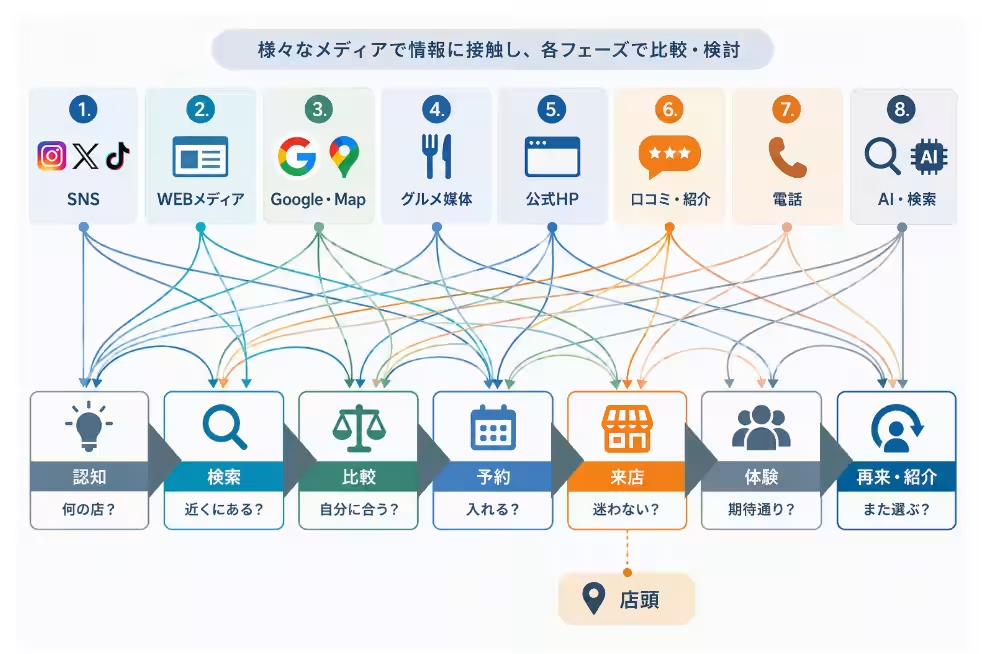
The report detailed that choosing a dining venue no longer relies on a single channel. Customers now rely on a range of touchpoints, including social media, online reviews, and traditional media, to inform their decisions. AI's influence has started carving a niche in this journey, suggesting its utility in data summary and comparison rather than being a standalone solution.
Five Behavioral Types in Restaurant Selection
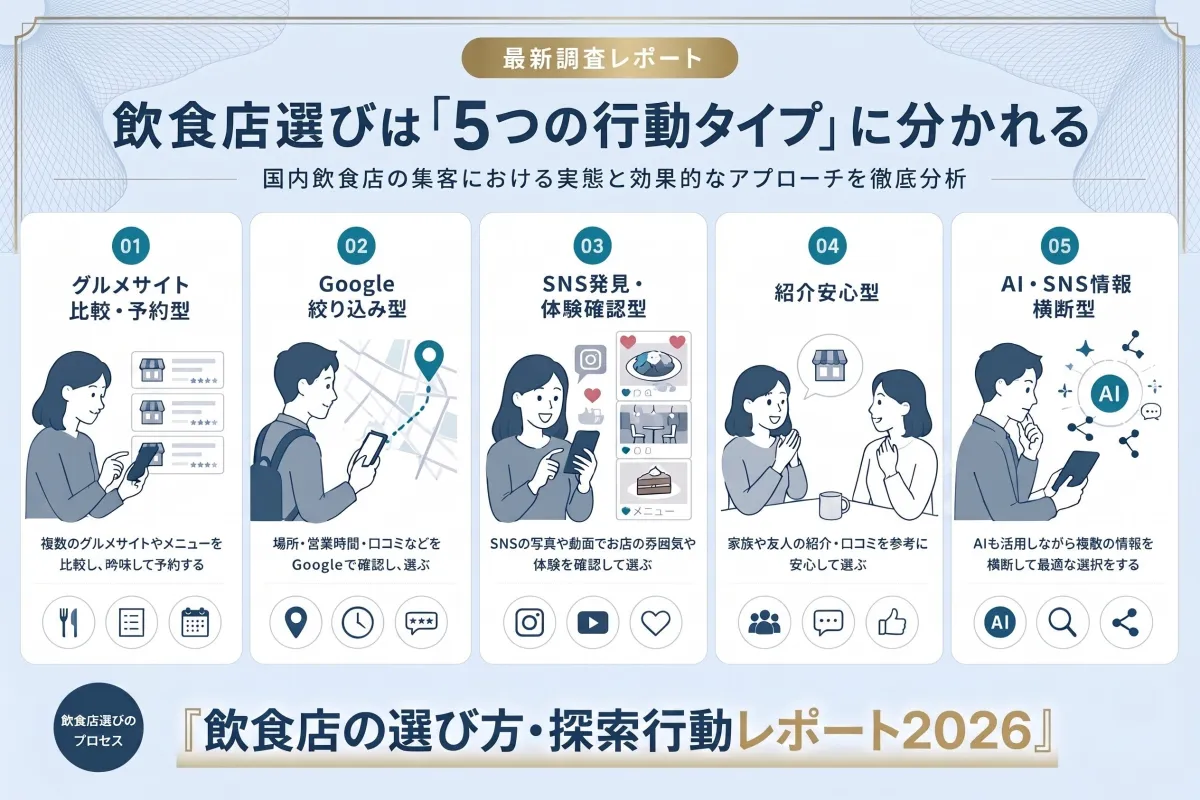
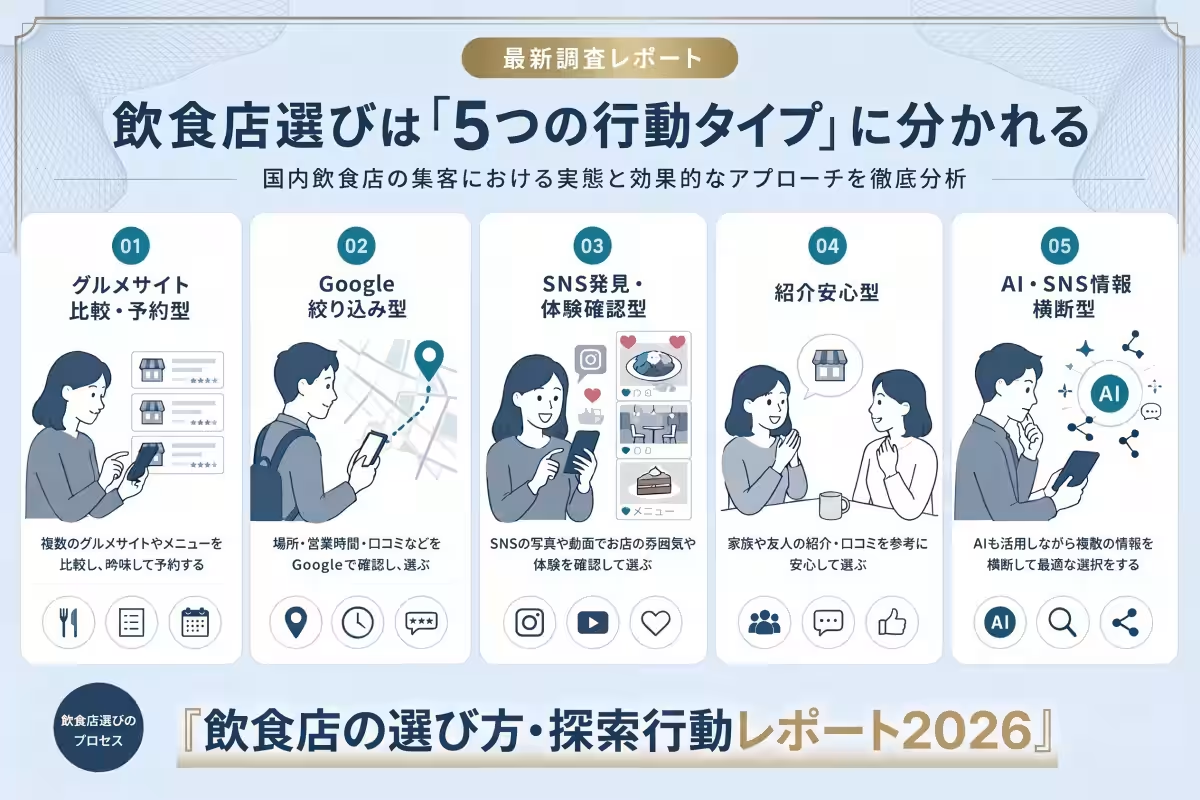
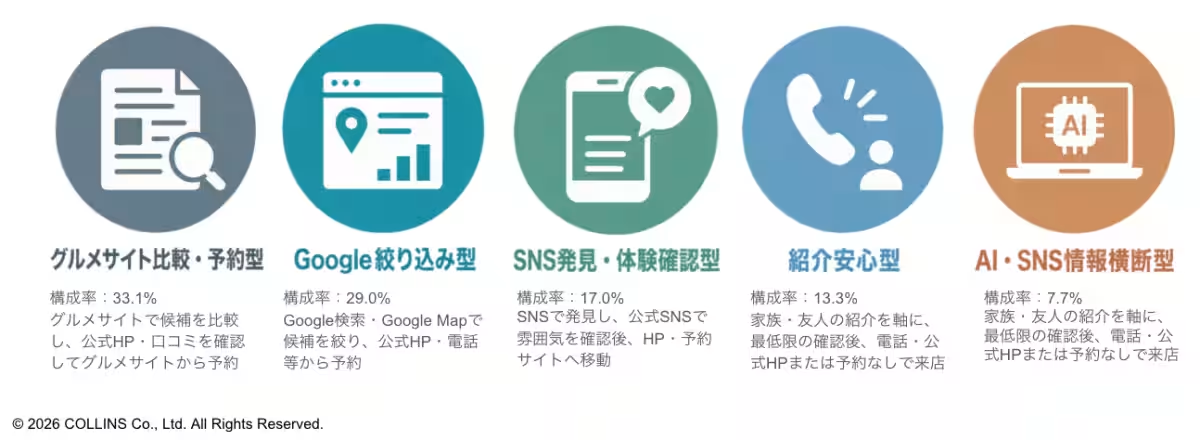
Through meticulous analysis, the report classifies diners into five distinct behavior archetypes:
1. Gourmet Comparison & Reservation Type
2. Google Filtering Type
3. SNS Discovery & Experience Verification Type
4. Referral Confidence Type
5. AI & SNS Information Cross-Referencing Type
Designing Effective Marketing Strategies
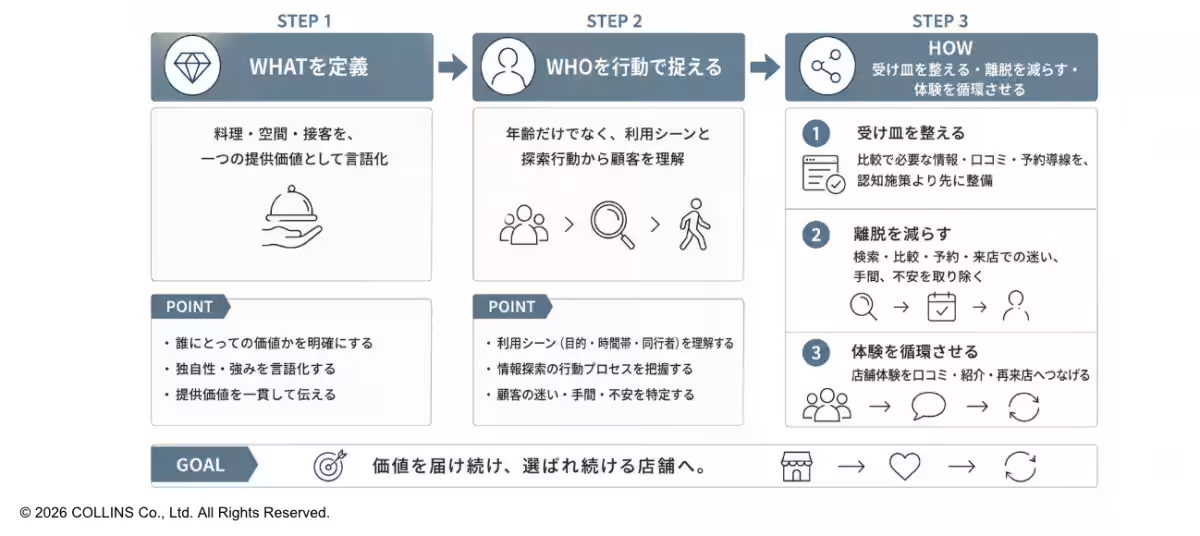
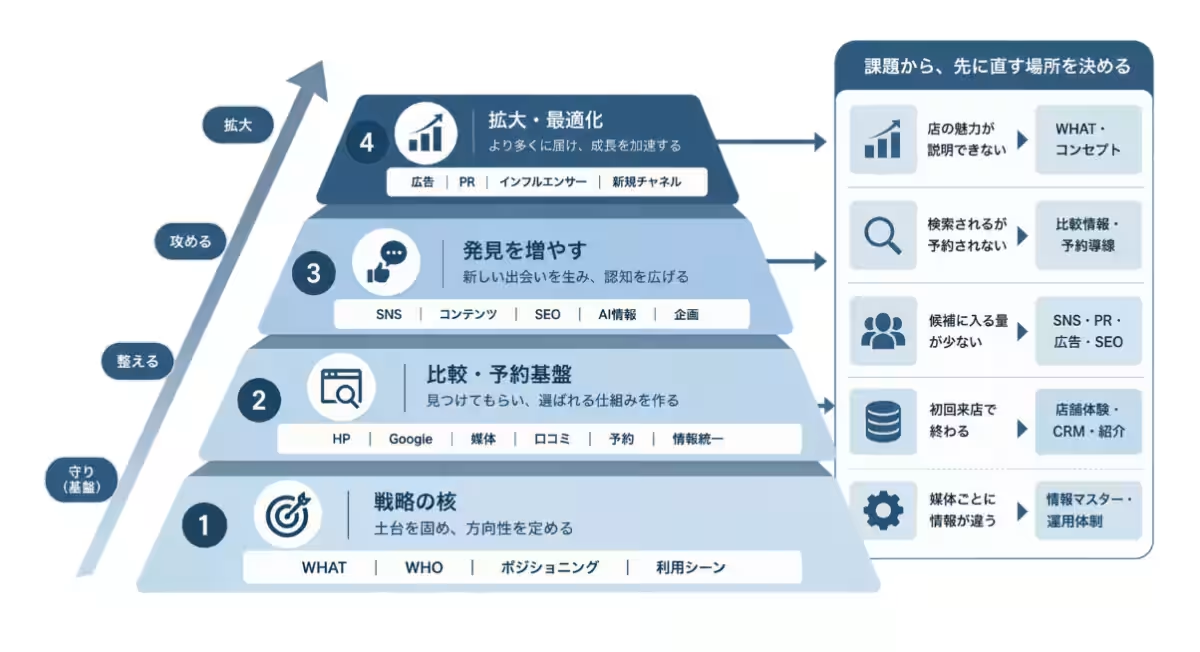
COLLINS' report emphasizes a three-step approach for restaurants to redefine their marketing strategies, which involves:
- - WHAT: Understanding value propositions
- - WHO: Identifying user scenarios and behavioral patterns
- - HOW: Establishing customer engagement points
This strategic framework encourages an integrated design of customer journeys to enhance brand selection and loyalty.
Practical Implementation and Evaluation
The report guides restaurateurs to prioritize strategies, advocating a dual approach of securing existing customers while exploring new markets. By aligning internal assessments with external market demands, restaurants can craft a resilient marketing strategy.
Conclusion
The findings and recommendations benefiting the restaurant industry encourage businesses to adopt an adaptable approach, embracing an interconnected customer journey enhanced by innovative technologies. By systematically analyzing consumer preferences, restaurants can effectively foster loyalty, inviting patrons back while interpreting the evolving dining landscape.
For those interested in accessing the full report, it is available for free download through the provided link. The insights shared by COLLINS Corporation not only serve restaurants but also contribute significantly to discussions on improving dining experiences across global markets.
Topics Consumer Products & Retail)
【About Using Articles】
You can freely use the title and article content by linking to the page where the article is posted.
※ Images cannot be used.
【About Links】
Links are free to use.