



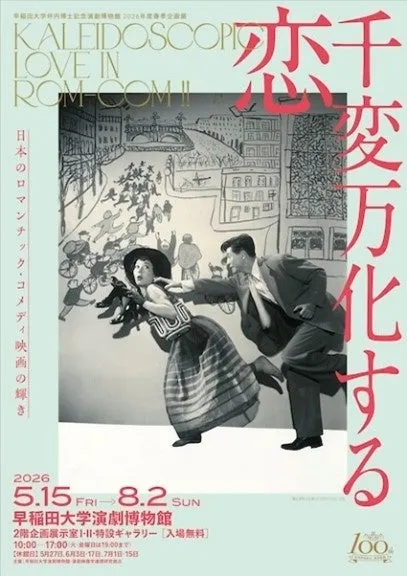
Exploring Love's Infinite Transformations in Japanese Romantic Comedy Cinema
An Unfolding of Love in Japanese Cinema
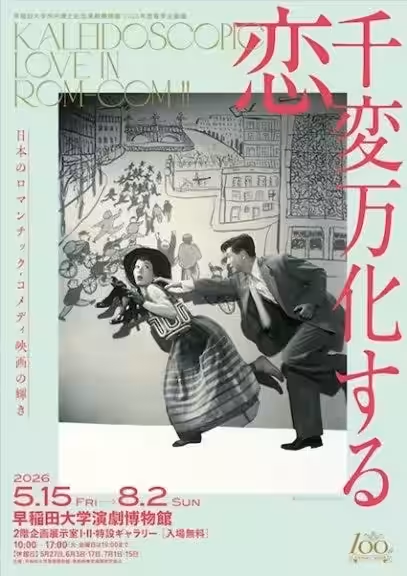
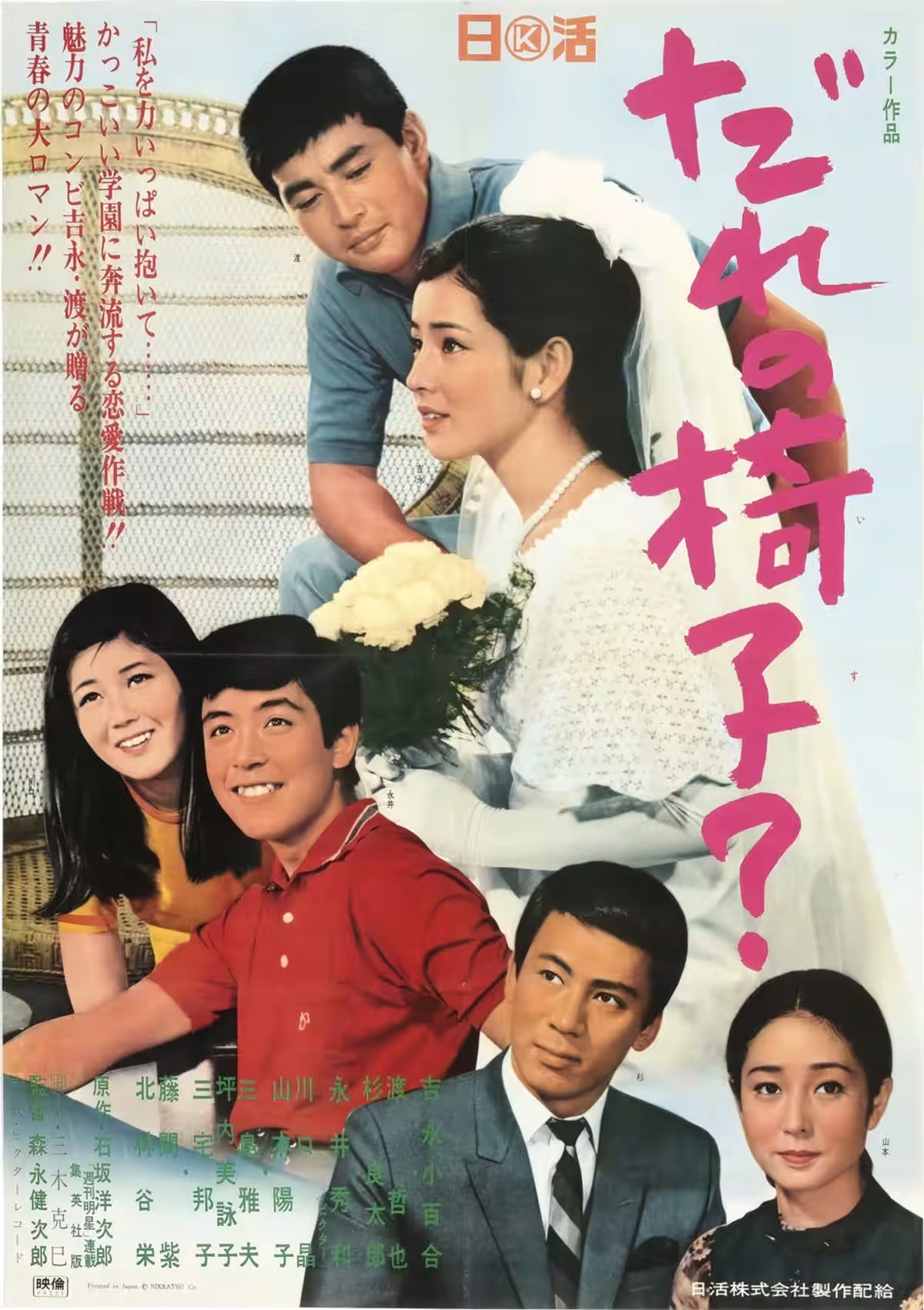
Waseda University’s Theater Museum is set to host a captivating exhibition titled "The Ever-Changing Love: The Brilliance of Japanese Romantic Comedy Cinema", which will run from May 15 to August 2, 2026. Housed on the second floor of the museum, this exhibition aims to showcase the intricate relationship between romantic comedy films and societal perceptions of love in Japan, traversing various historical contexts.
Since the term 'love' came into discussion among intellectuals during the Meiji period as part of a new ideological turn, it has gradually permeated everyday life, especially through the lens of cinema. As Japanese films embraced major innovations, including the audio revolution of the talkies, they vividly depicted the complexities of love in various forms.
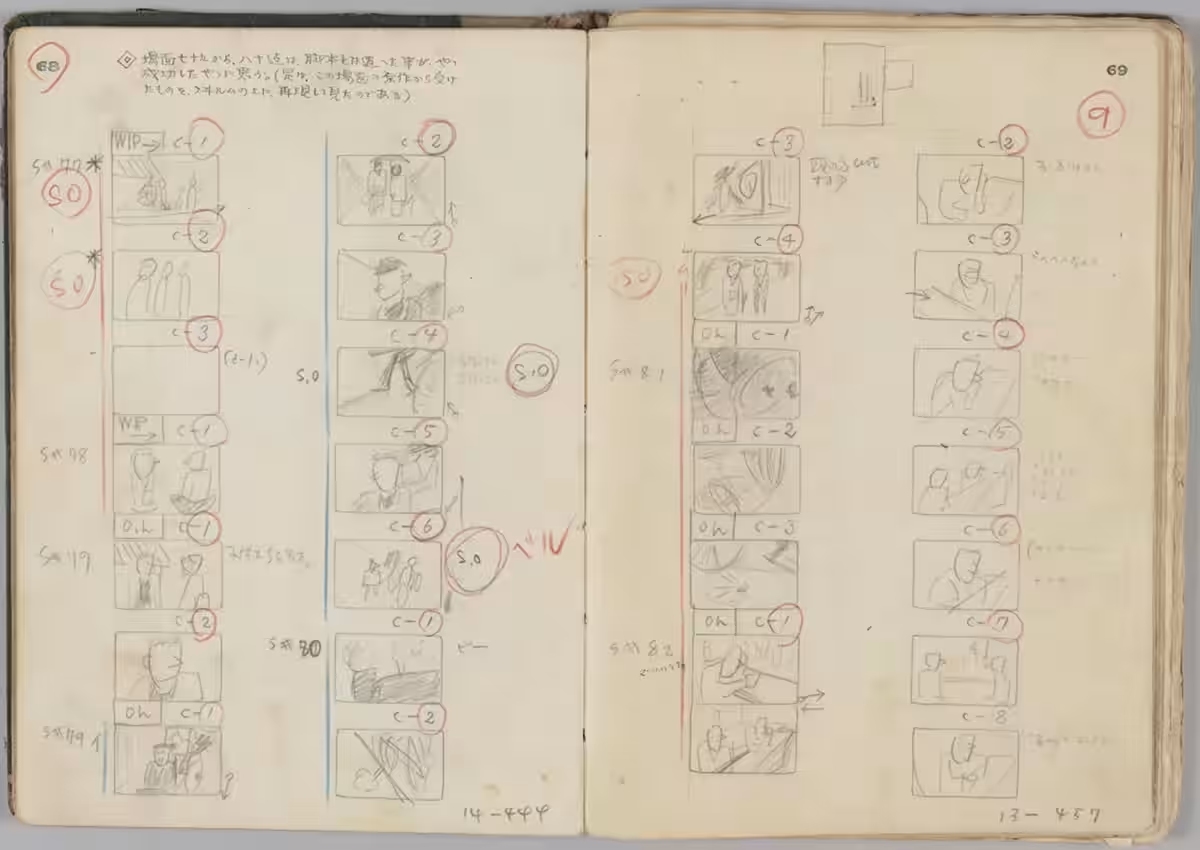
This exhibition allows visitors to navigate through an array of materials collected by the museum, tracing the trajectory of love as presented in Japanese romantic comedies. Themes explored include the joys and conflicts faced by newlyweds, the love stories of modern girls amidst urban culture, the blossoming of free love released from wartime oppression, and unconventional heroines who navigate the terrain of romance.
Chapter Highlights
1. Newlyweds' Love Stories
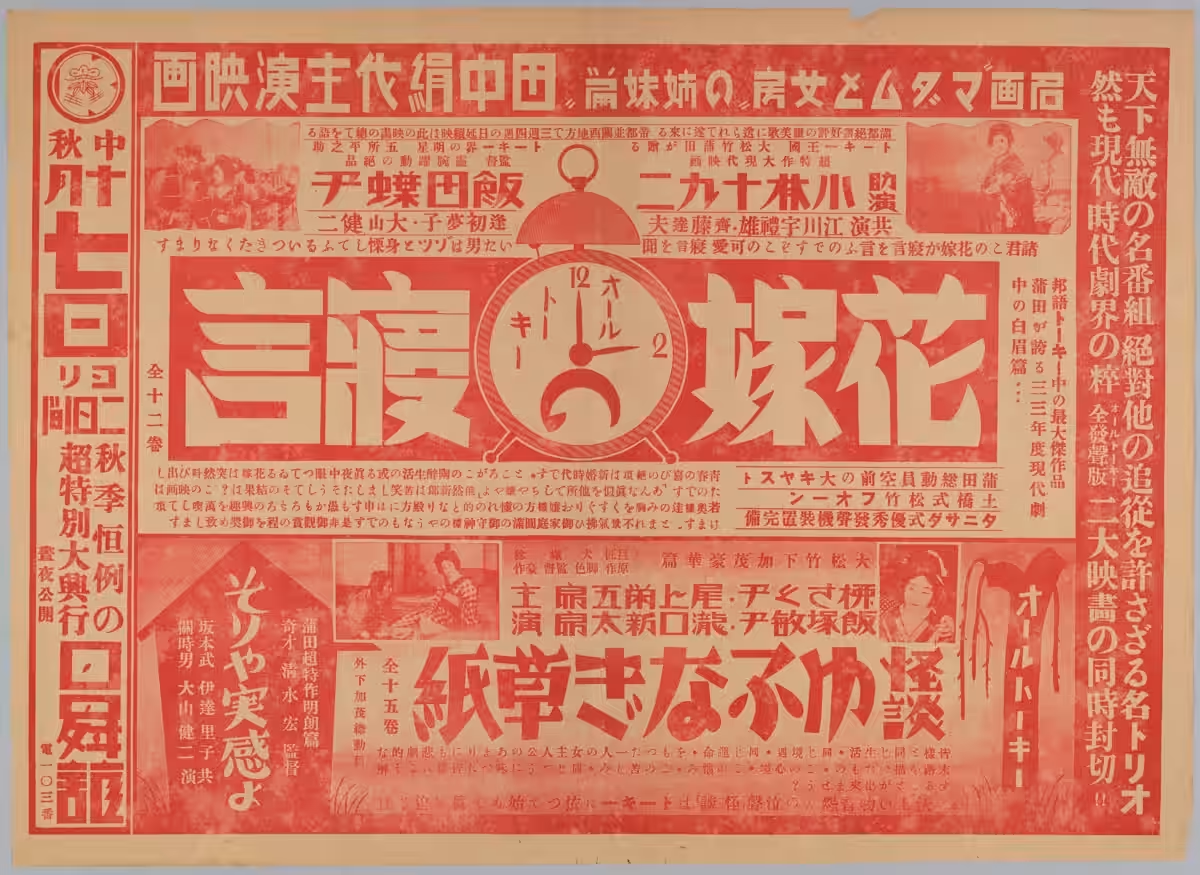
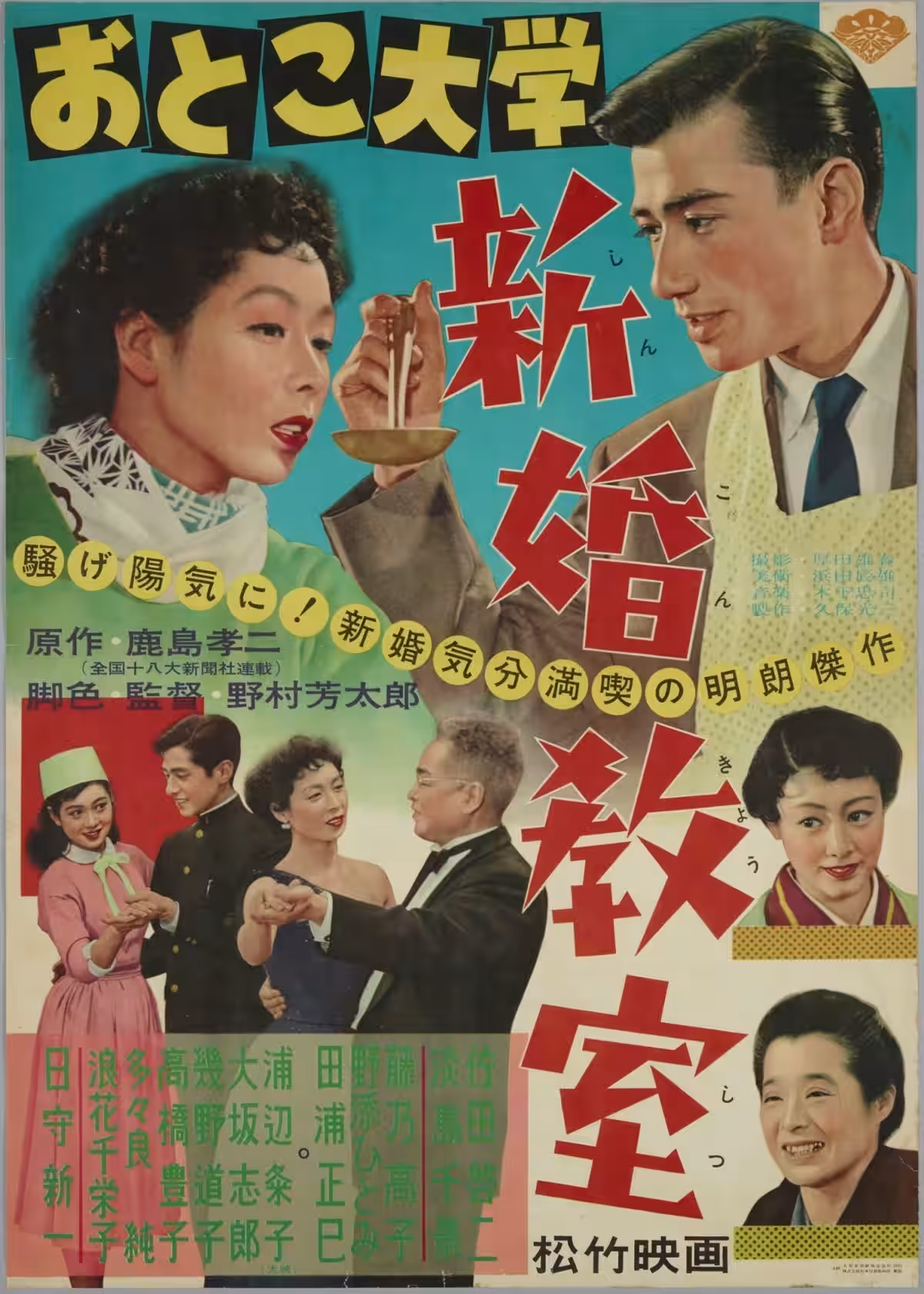
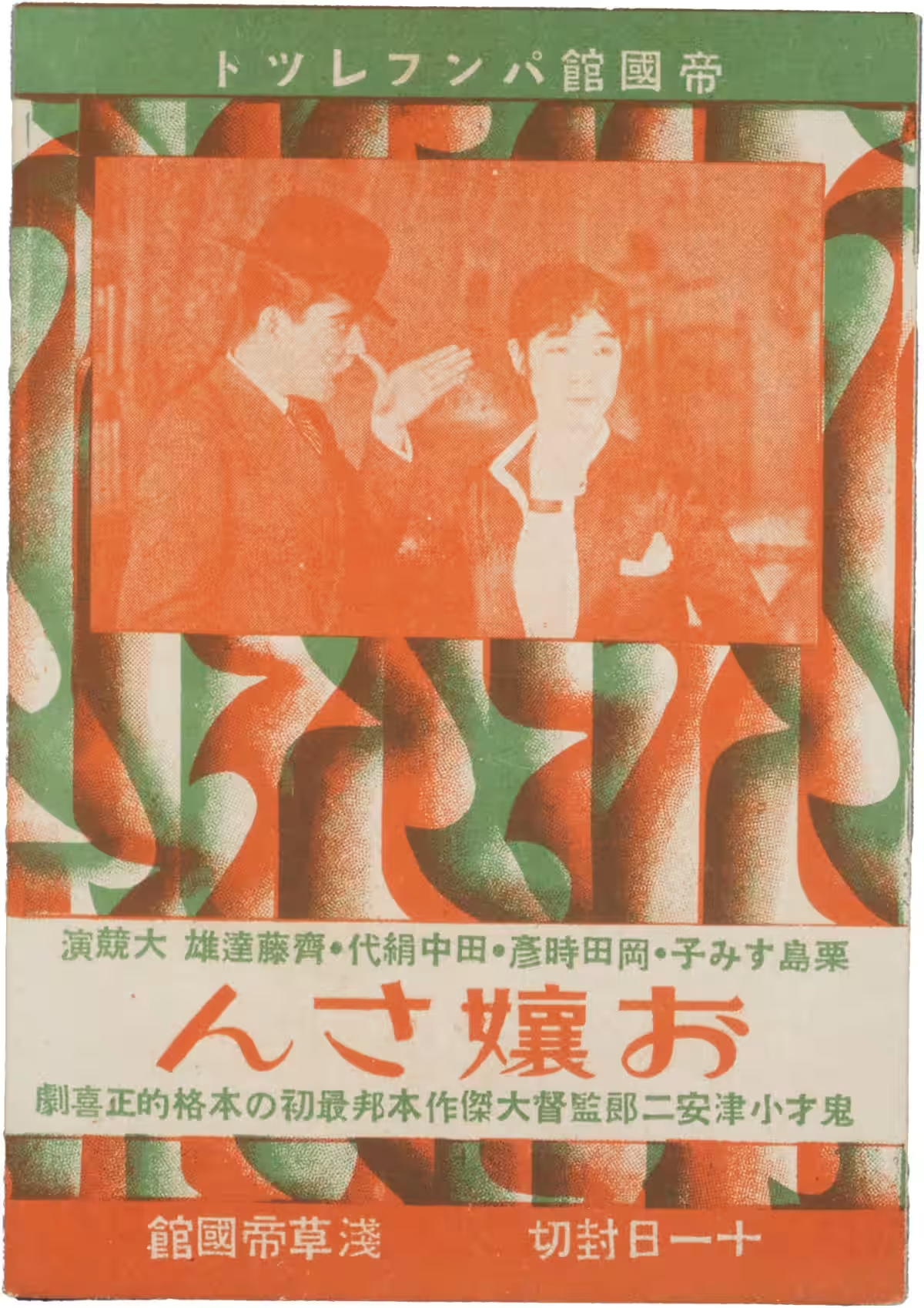
Through romantic comedies featuring newlywed couples created between the pre-war and post-war periods, the exhibition investigates how films have influenced the perception of marriage and familial relationships, transforming conflicts between idealistic and realistic marital life into humor.
2. Modern Girls in Love
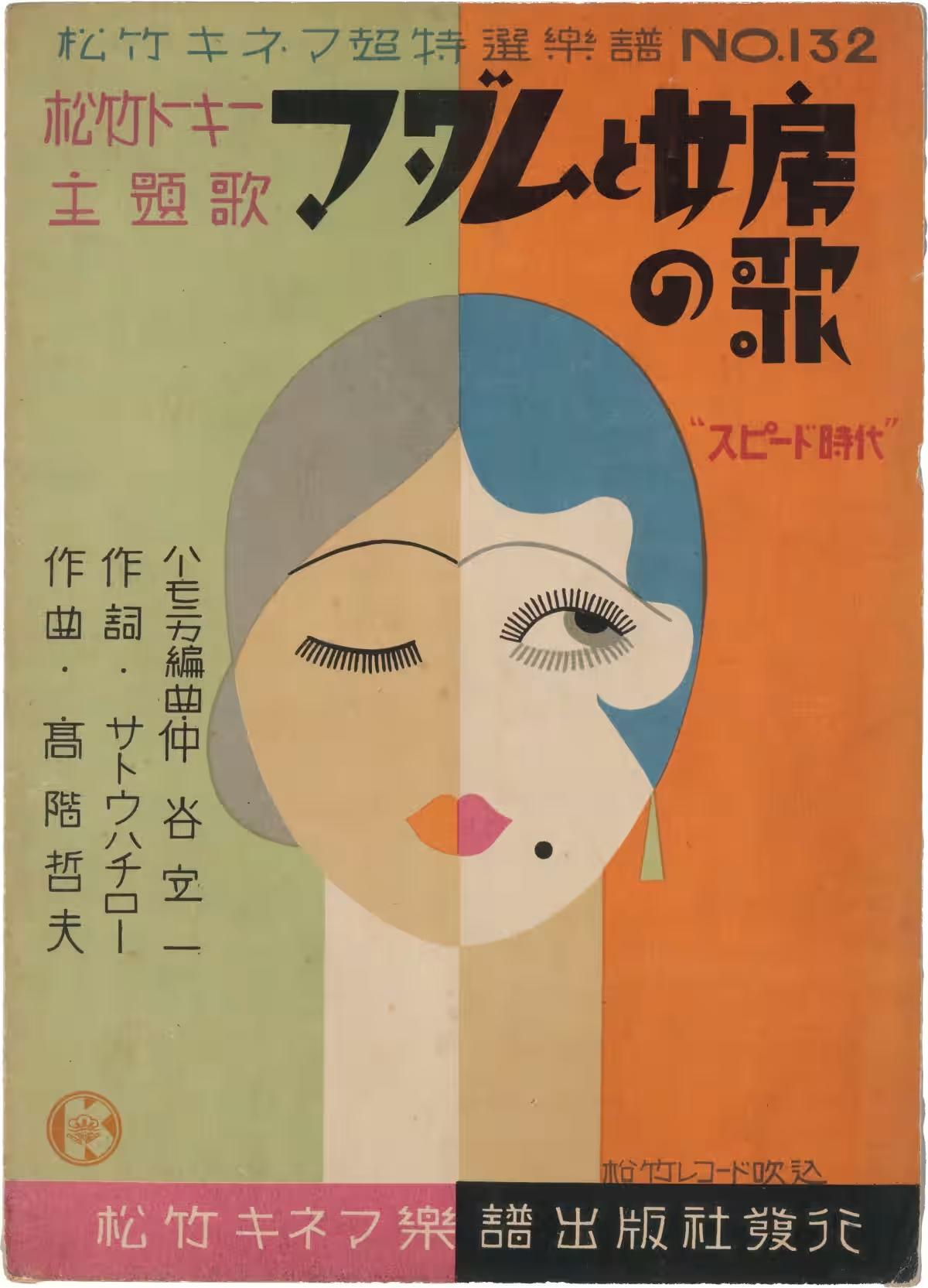
This section shines a light on the representation of modern girls in 1920s and 30s films, highlighting how they navigated romantic pursuits with charm, challenging the negative depictions often found in contemporary cinema.
3. Wartime Romance
By examining films made during and after wartime, this chapter delves into how expressions of love and sexuality, once suppressed, began to resurface in the wake of Japan's post-war democracy.
4. Urban Love Tales
Set against the backdrop of a recovering Tokyo, this chapter presents romantic comedies that explore bright and glamorous love stories, reflecting the hopes and dreams of post-war stars.
5. Shifting Gender Norms
Romantic comedies often feature heroines who defy traditional gender roles. This section investigates the portrayal of assertive women, shedding light on the social changes and anxieties projected through these characters.
6. Evolving Representations of Love
As we progress into the late 20th century, this chapter observes how generational shifts and changes in media landscapes contributed to the diversification of romantic representations on screen.
7. Novelists Behind the Screen
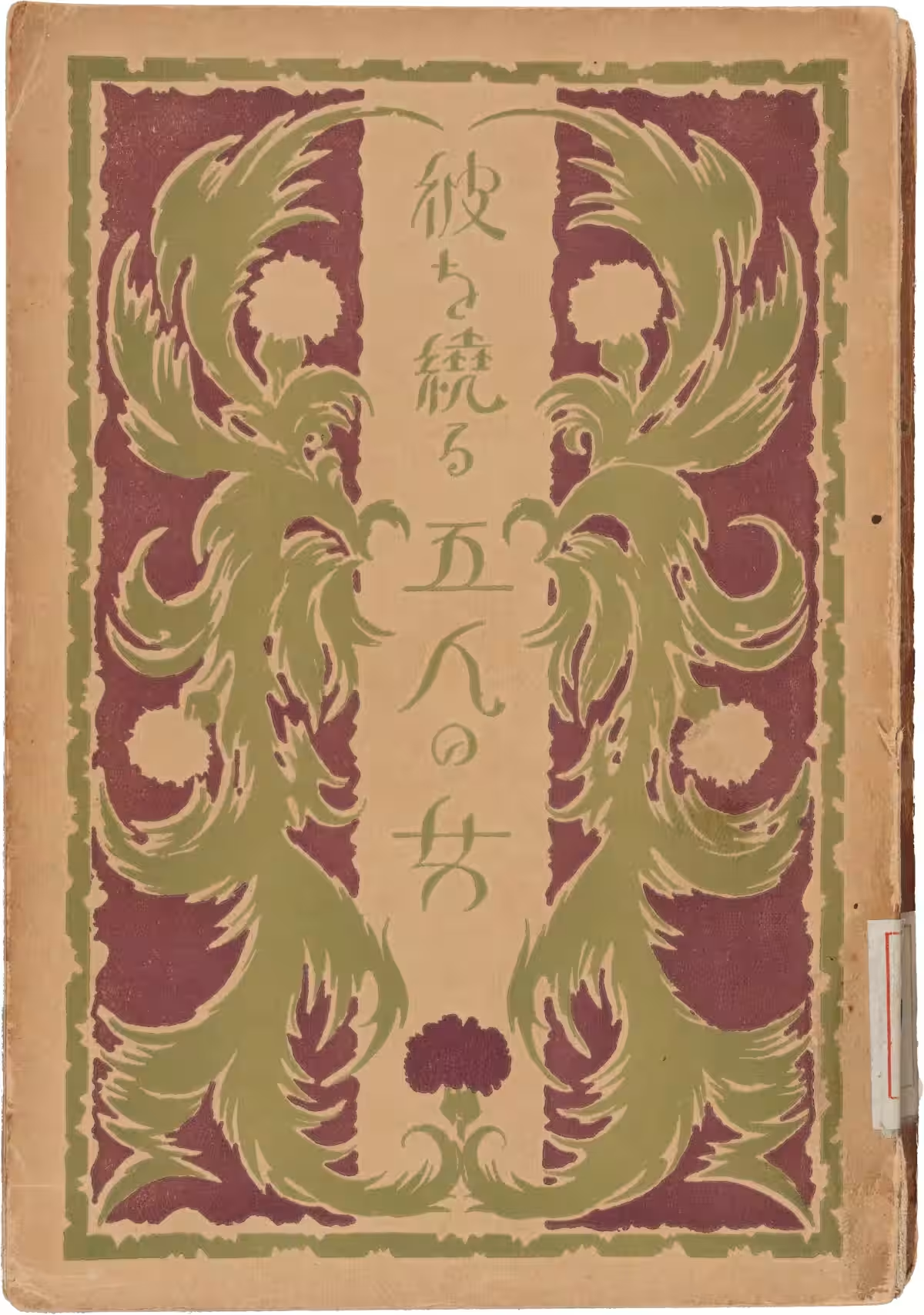
This section looks at authors such as Nabeshima Masakatsu, Kikuchi Kan, and others who provided stories that enriched the landscape of love in Japanese cinema, supporting the evolution of this cultural form.
8. Regional Love Across East Asia
Focusing on films and dramas from countries like South Korea, China, and Taiwan, the exhibition examines how romantic comedies have transcended borders, showcasing the transnational aspects of love stories in contemporary visual media.
Visitors will be offered free admission, enabling everyone to dive into the diverse and vibrant depictions of love that have captivated audiences over the decades. The museum hopes to highlight how changing societal values surrounding love, marriage, and gender have influenced both cinematic storytelling and public perception.
Whether you are an aficionado of Asian cinema or a curious newcomer, this exhibition promises to be a delightful exploration of love’s many forms across generations, inviting guests to laugh, reminisce, and perhaps even find a little romance of their own. Join us and immerse yourself in a world of laughter and affection!




Topics Entertainment & Media)


【About Using Articles】
You can freely use the title and article content by linking to the page where the article is posted.
※ Images cannot be used.
【About Links】
Links are free to use.