



The Shift to Electric Vehicles: How They Impact Work Stress and Fatigue
The Shift to Electric Vehicles: How They Impact Work Stress and Fatigue
Amid the growing emphasis on carbon neutrality, the adoption of electric vehicles (EVs) in business operations is rapidly increasing. A recent survey conducted by CUBE-LINX, a consulting firm based in Hino City, Tokyo, delved into the experiences and attitudes of individuals aged 20 to 50 who regularly drive EVs for work. The findings reveal significant insights into their perceptions regarding stress, fatigue, and future intentions regarding EV usage.
Background
The transition to electric vehicles is seen as a crucial step in promoting sustainability within the logistics and sales sectors. However, the success of this shift hinges on the experiences of the drivers who operate these vehicles. While the unique advantages of EVs, such as quiet operation and swift acceleration, promise to reduce driver fatigue and enhance work efficiency, challenges such as limited range and insufficient charging infrastructure may introduce new forms of stress. Thus, understanding the real-life experiences of EV drivers is essential for evaluating the environmental impact and work conditions associated with these vehicles.
Survey Summary
The survey, conducted from November 20 to 25, 2025, included responses from 298 individuals who frequently drive EVs for work. Key findings of the survey include:
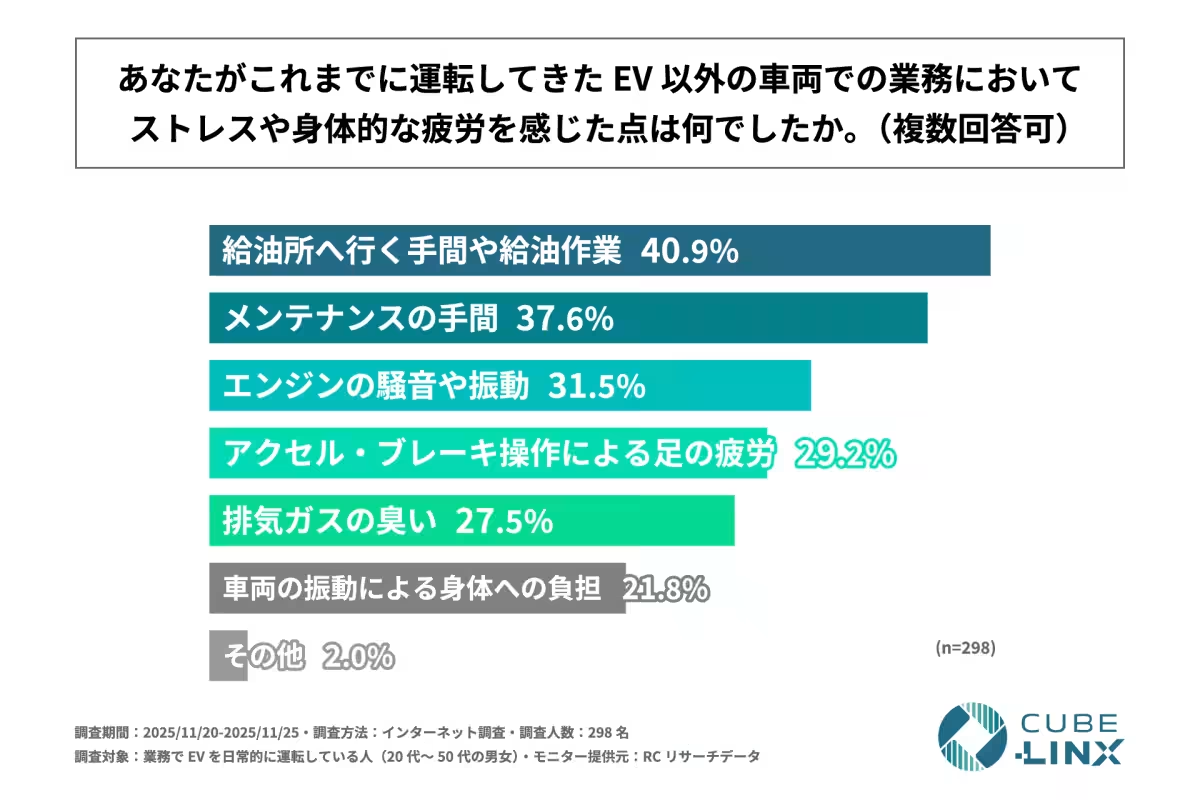
- - Top Sources of Stress from Traditional Vehicles: Respondents indicated that their top three stressors from operating non-EV vehicles included:
2. Maintenance requirements (37.6%)
3. Engine noise and vibrations (31.5%)
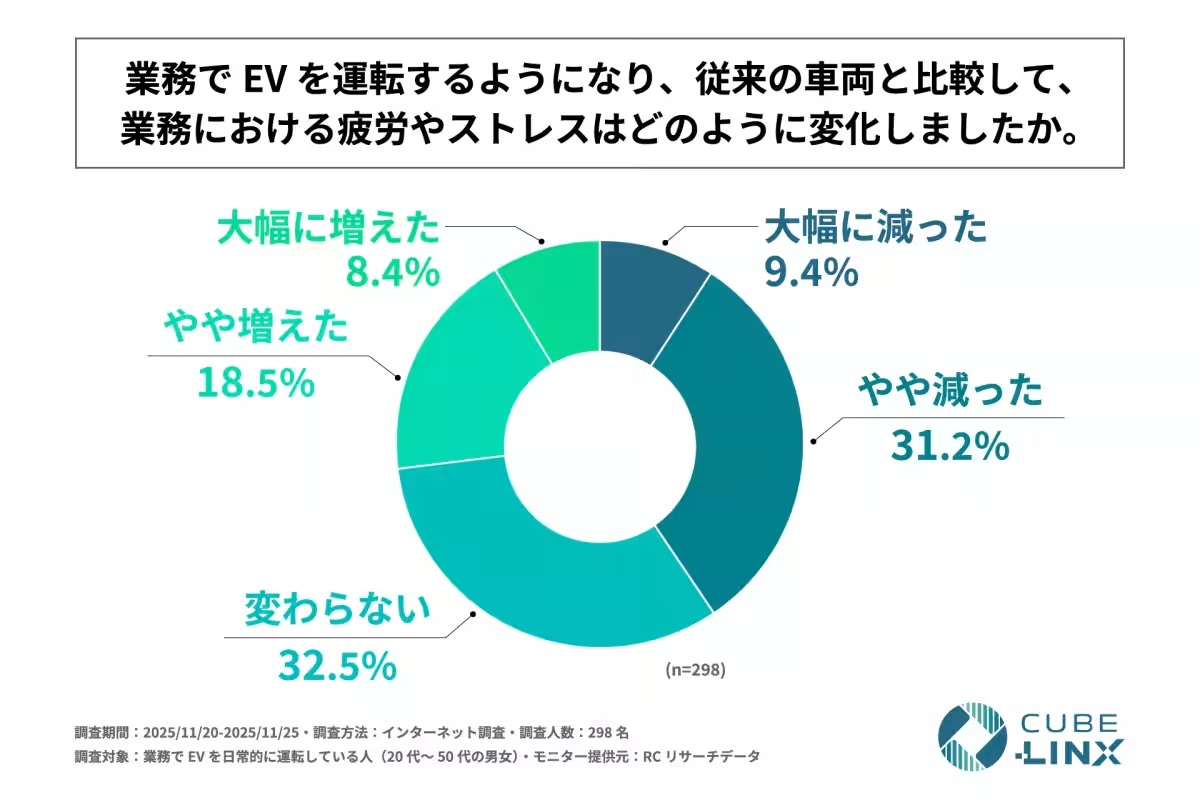
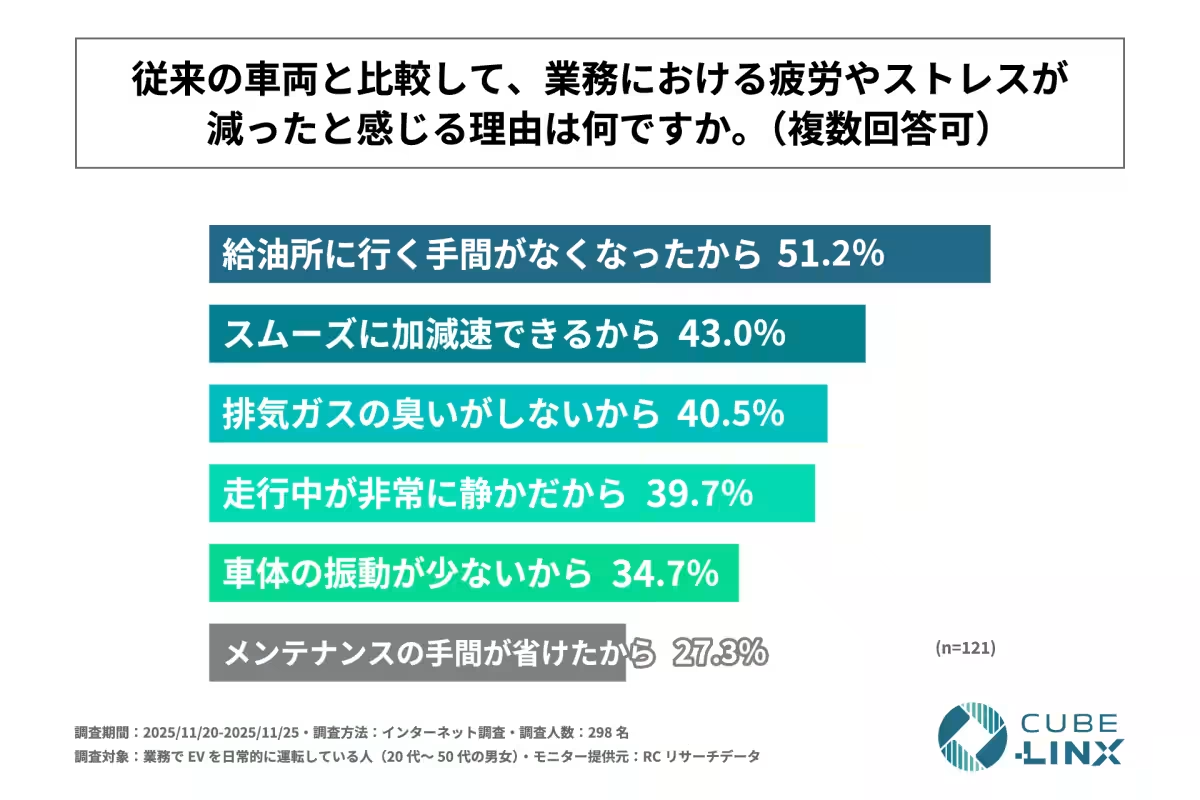
- - Reduction in Work Stress with EVs: Over 40% of participants reported feeling less stressed and fatigued while driving EVs compared to traditional vehicles. The main reasons cited for this reduction included the elimination of refueling stops and smoother acceleration.
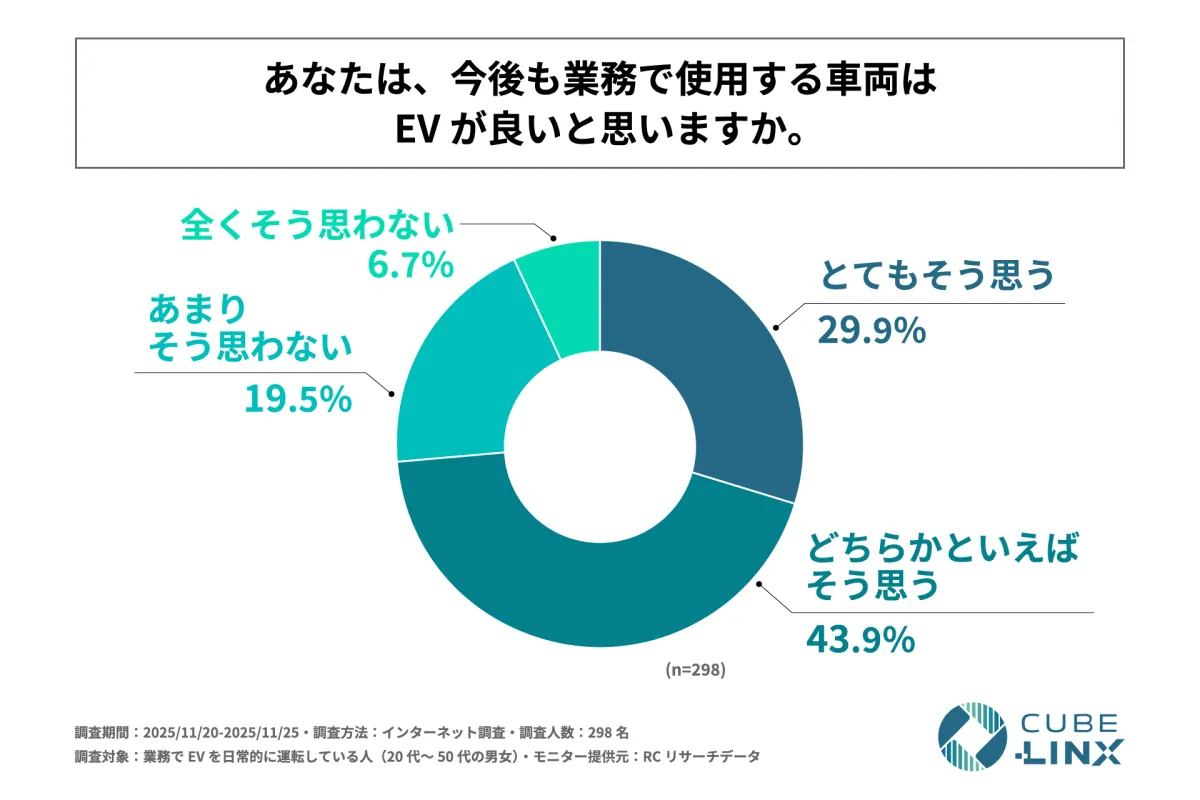
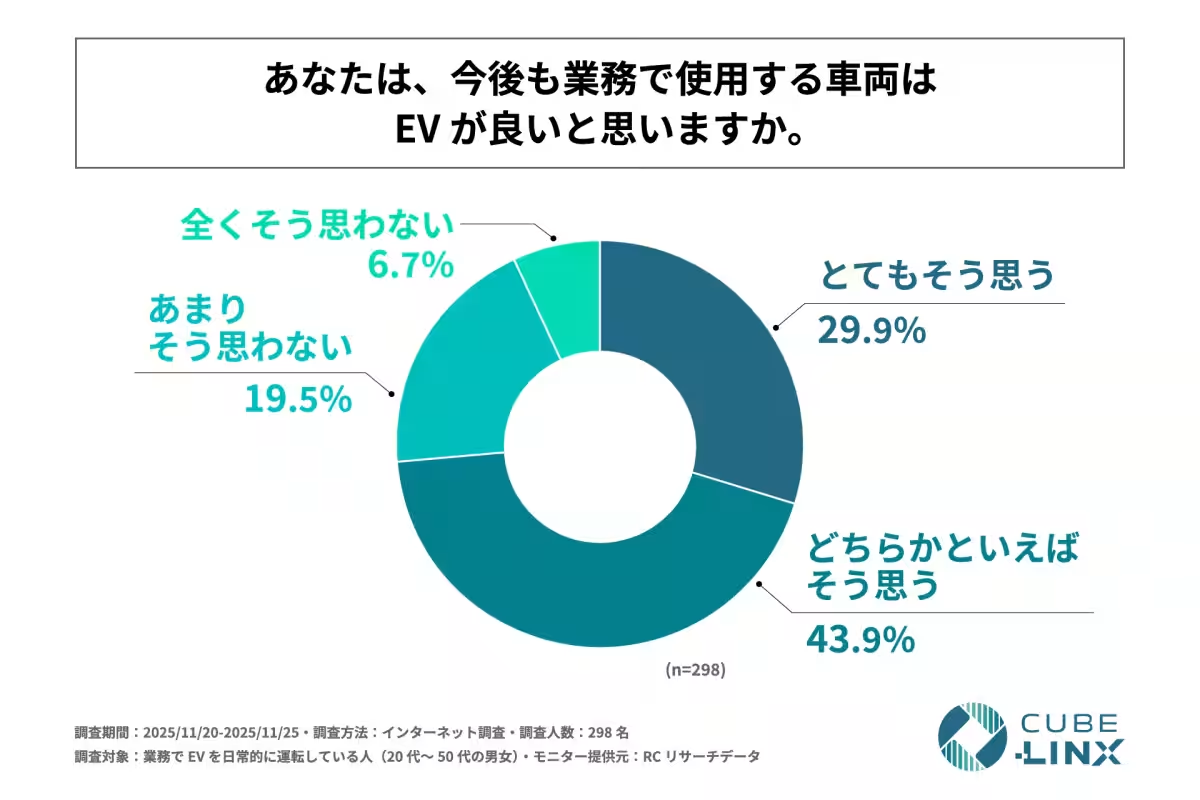
- - Positive Outlook for Future EV Use: Approximately 73.8% of daily EV drivers expressed a favorable attitude towards utilizing EVs for work in the future.
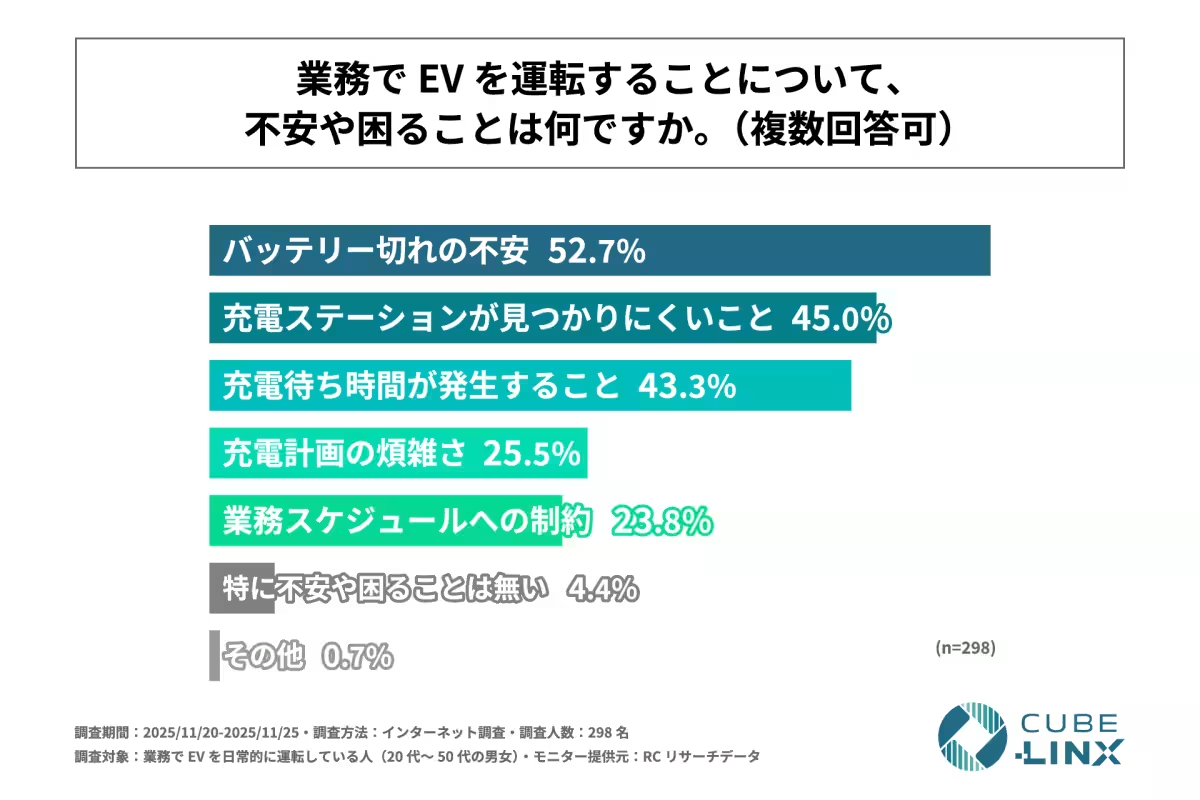
- - Concerns Regarding EV Use: Common concerns among respondents included the worry of running out of battery (52.7%) and difficulties in locating charging stations (45.0%).
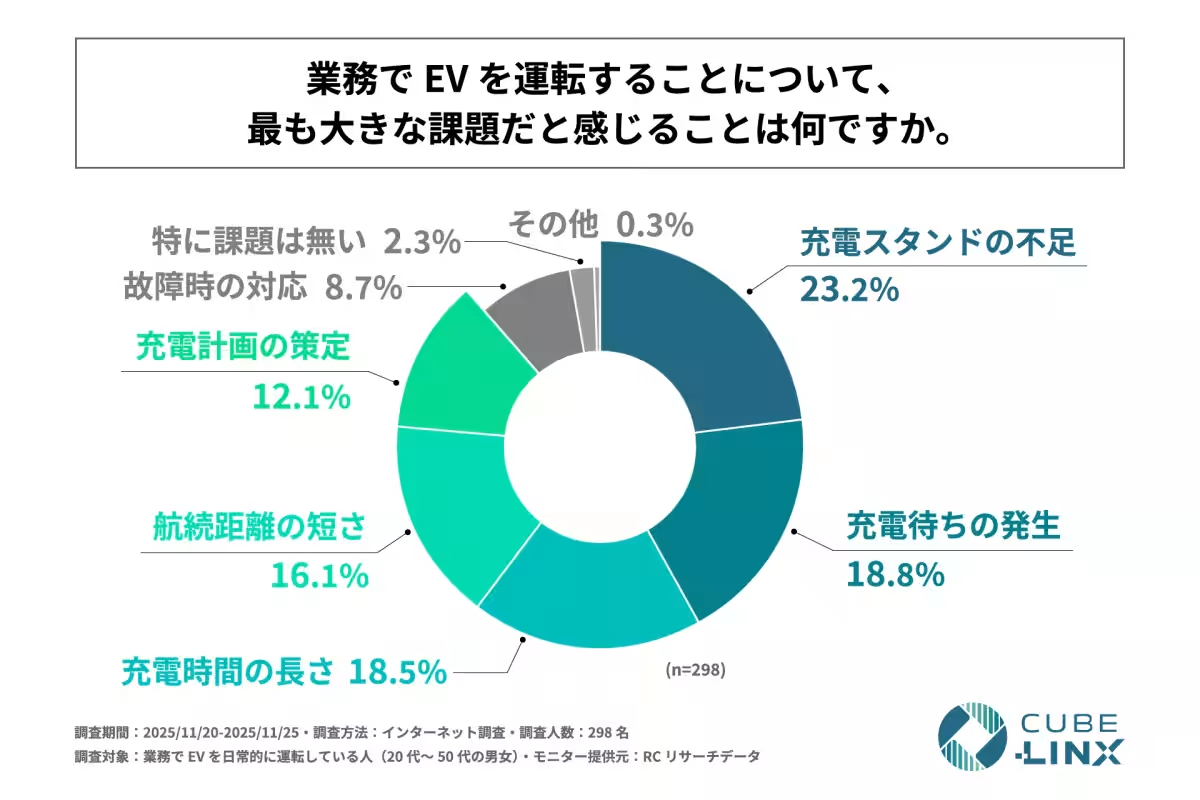
- - Major Challenge Identified: The most pressing challenge faced by EV drivers is the lack of charging stations, with 23.2% identifying it as a primary concern.
Detailed Findings
Stress and Fatigue Experienced with Traditional Vehicles
When asked about their past experiences with non-EV vehicles, respondents highlighted various elements that contributed to their stress and fatigue. The inconvenience of having to stop at gas stations was the most commonly reported issue, followed by worries about vehicle maintenance and concerns about engine noise.
Perception of Stress Reduction with EVs
Participants who had transitioned to driving EVs frequently noted a positive difference in their work life. Although 32.5% reported no change in stress levels, 40.6% combined reported reductions, with specific emphasis on the absence of refueling duties and a more seamless driving experience. Respondents also appreciated the lack of exhaust fumes, contributing to a healthier driving environment.
Attitudes Towards Future EV Use
With an upward trend in acceptance, the survey showed that a significant majority of individuals, around 73.8%, are optimistic about the continued use of EVs for their work-related driving needs. This sentiment suggests a promising future for the expansion of EVs in the corporate sector.
Concerns for EV Drivers
Despite the positive feelings towards EVs, various concerns remain. Many drivers expressed significant worries about battery life and the accessibility of charging stations. The anxiety regarding insufficient infrastructure could potentially deter the widespread adoption of EVs in business operations.
Infrastructure Challenges
The issue of inadequate charging station availability looms large for those who rely on EVs for their daily responsibilities. The need for more robust charging infrastructure is evident, as highlighted by 23.2% of respondents citing it as the main challenge related to their professional use of EVs.
Conclusion
The survey conducted by CUBE-LINX reveals significant insights into the impact of electric vehicles on work-related stress and fatigue. While a substantial number of respondents have appreciated the reductions in stress and fatigue thanks to the transition to EVs, it is equally important to address the uncertainties they face regarding battery life and charging infrastructure. CUBE-LINX’s initiatives, such as their Electric Vehicle and Charging Station Support Service, aim to assist businesses in overcoming these challenges, ensuring that they can confidently embrace the transition to electric vehicles for a sustainable future. By offering support in areas from planning to operational management, they strive to create an effective charging environment optimized for each client’s needs.
For more information about CUBE-LINX and their services, including insights on compliance and electric vehicle management, visit CUBE-LINX.

Topics Consumer Products & Retail)
【About Using Articles】
You can freely use the title and article content by linking to the page where the article is posted.
※ Images cannot be used.
【About Links】
Links are free to use.