




Consumer Behavior Survey: Japanese Households Cut Back on Spending Amid Economic Uncertainty
Recent Trends in Consumer Behavior in Japan
In October 2025, Cross Marketing conducted a nationwide survey involving 1,200 Japanese citizens aged 20 to 69 across all 47 prefectures. This survey aimed to assess the current state of consumer behavior and sentiment, particularly against the backdrop of rising living costs and shifting social dynamics. With the conclusion of the Osaka/Kansai Expo and the inauguration of Japan's first female prime minister, the survey offers critical insights into how these events may influence consumer patterns.
Decline in Leisure Time and Spending
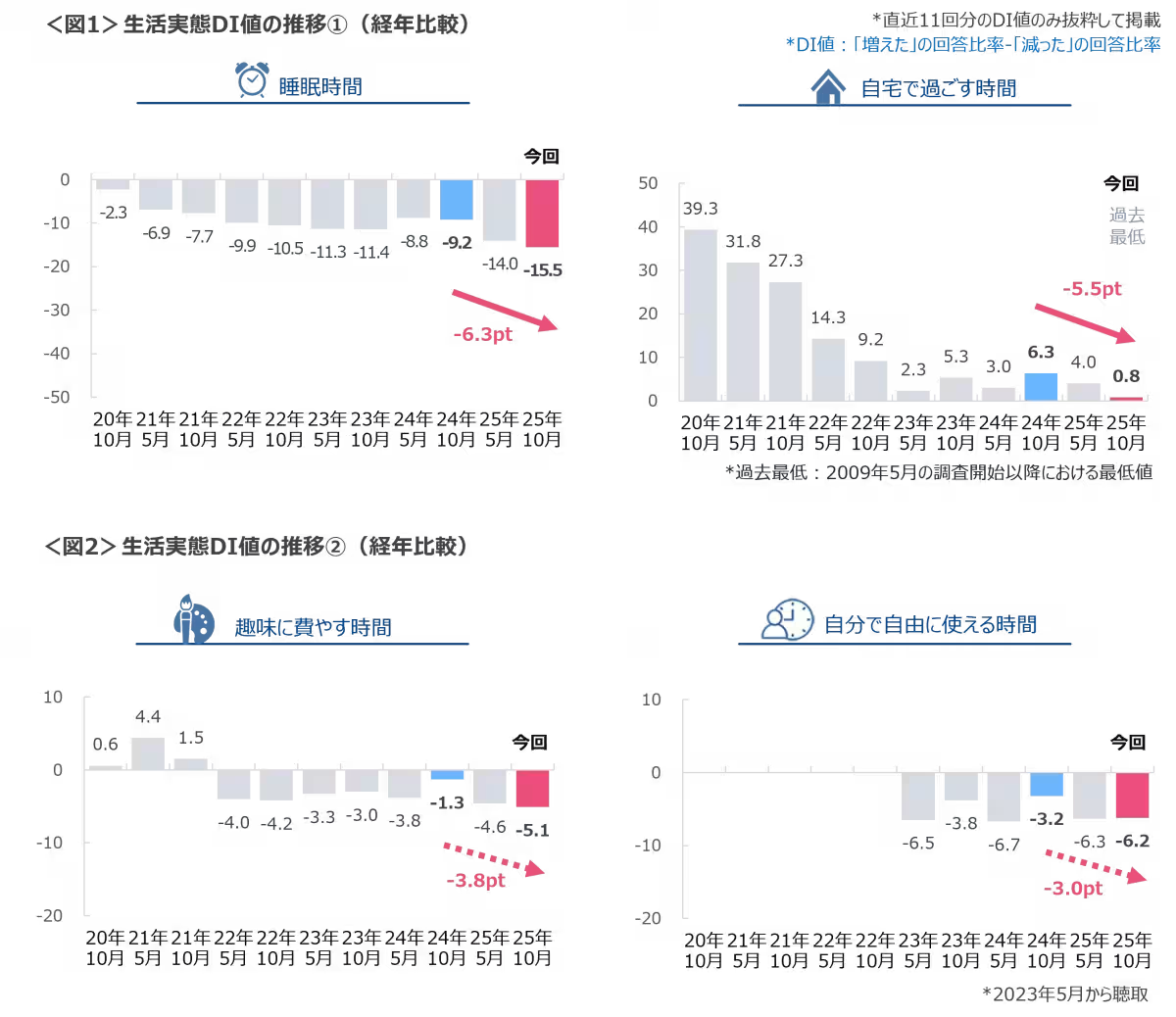
The findings highlight a noticeable decrease in both sleep duration and time spent at home, with ratings dropping by six points since last year. Specifically, the time allocated for leisure activities and free personal time has also seen declines, indicating a potential shift in lifestyle dynamics where relaxation and self-care are increasingly hard to come by. Notably, the measure capturing hours spent at home is at its lowest since May 2009.
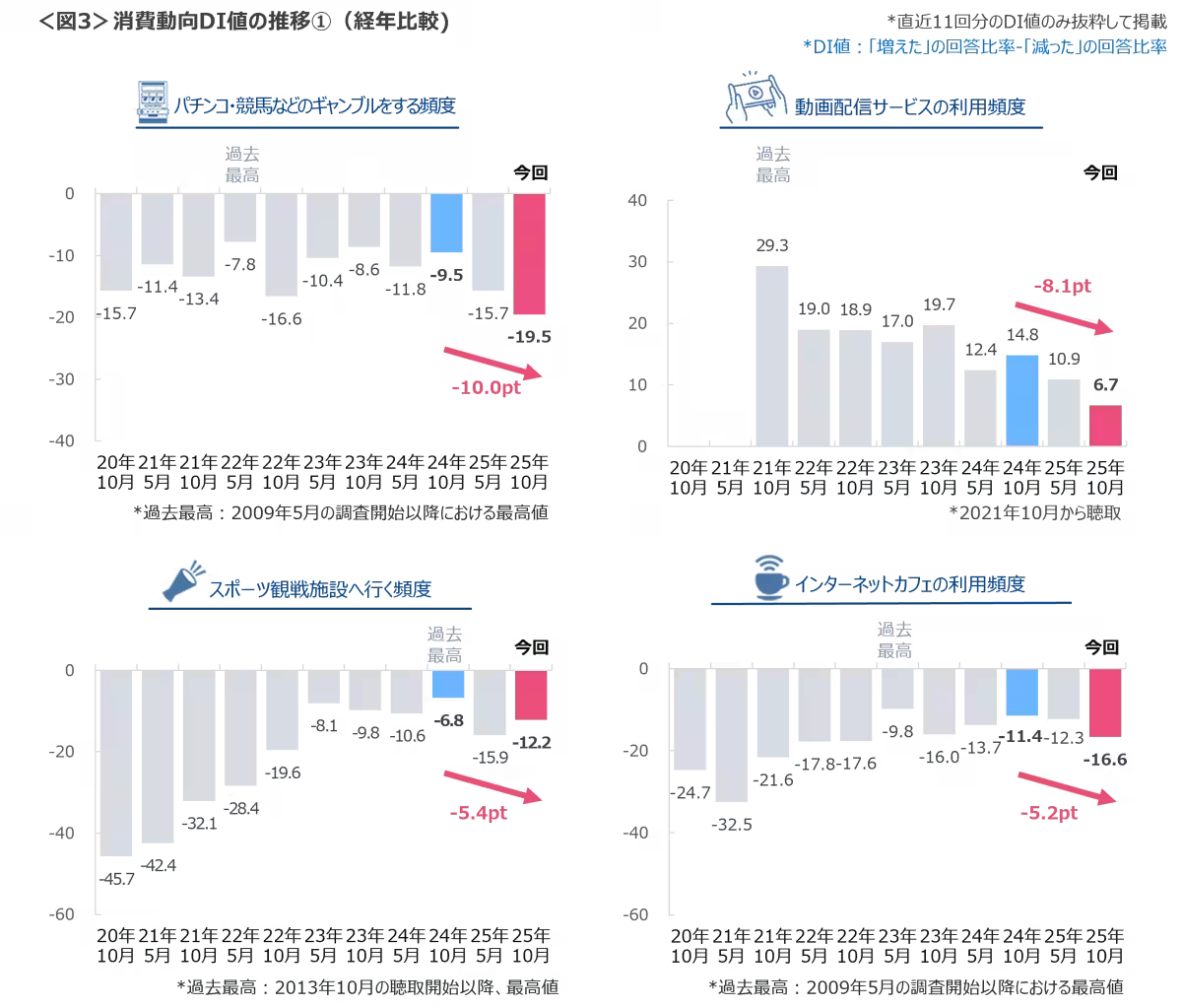
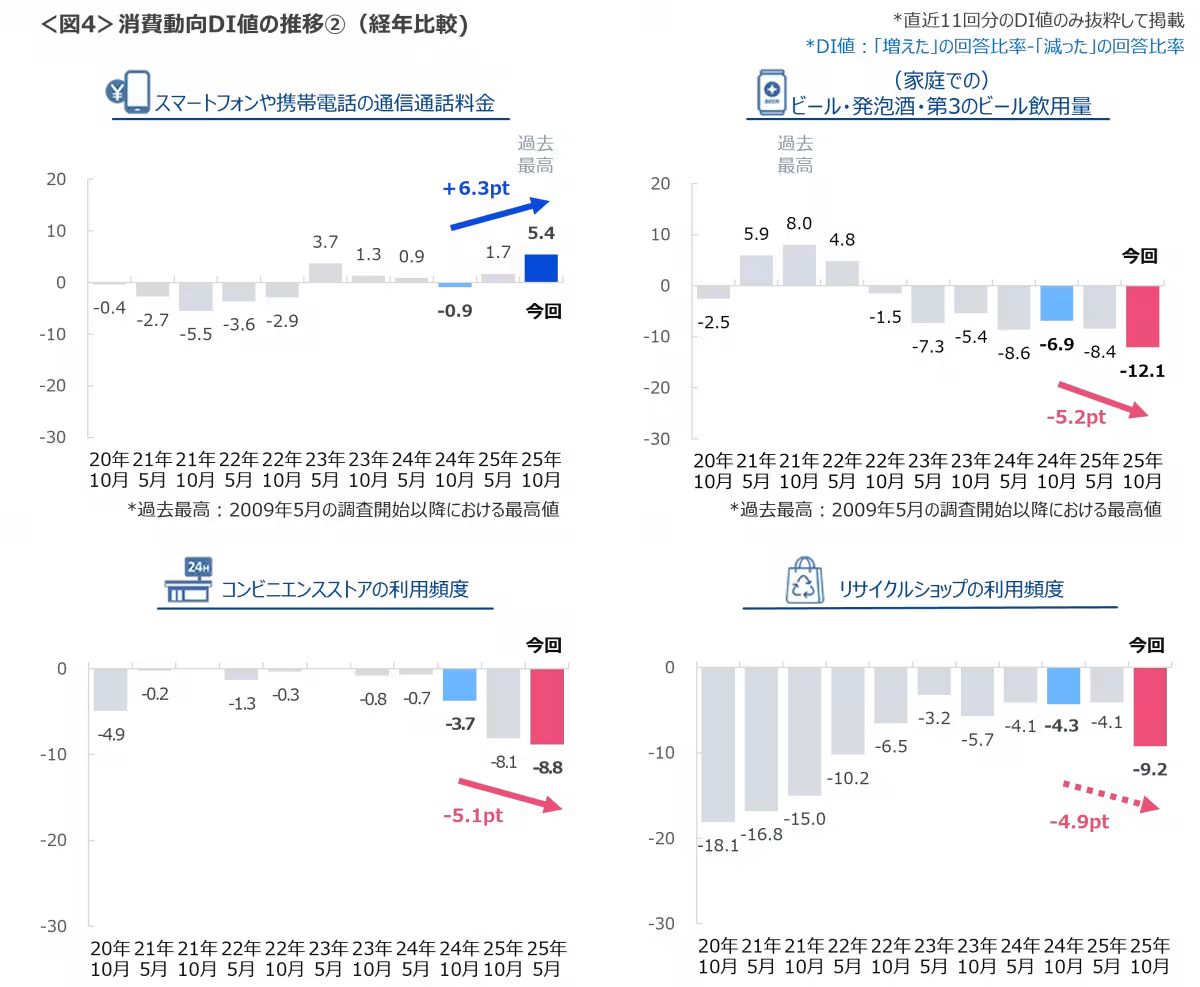
Further delving into consumption trends, there has been a significant drop in activities related to entertainment over the past year. Frequencies of visiting leisure venues such as casinos, sports fixtures, and internet cafes decreased between five to ten points. This trend ties back to an overall reduction in disposable income and heightened consumer caution inflicted by ongoing inflationary pressures. However, there was a six-point increase in the costs related to telecommunications, showing that while recreational spending wanes, essential communications expenses persist.
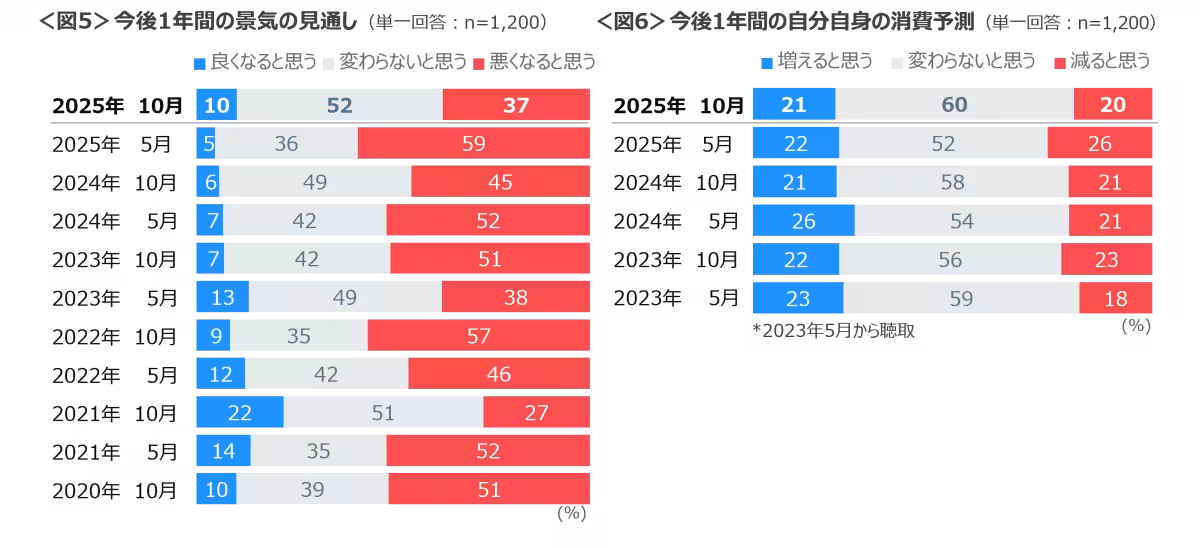
More troubling is the overall consumer sentiment: only 10% of survey respondents expect economic conditions to improve in the coming year, while 37% predict it will worsen. In terms of personal spending, 60% of respondents believe their consumption will remain unchanged. Such insights indicate a largely pessimistic outlook on both the economy and individual financial well-being.
The Emergence of Points Accumulation Activities
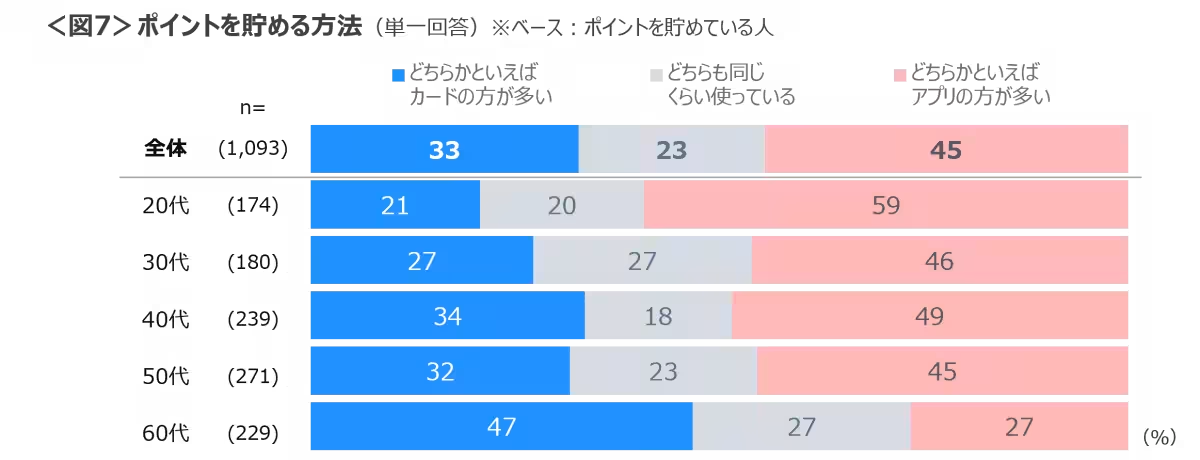
As spending habits evolve, many consumers are turning to 'points activities' (known as 'poikatsu' in Japan) to offset living costs. The survey revealed that 45% of individuals gather points through mobile applications, while 33% prefer traditional cards. Notably, younger generations favor apps for their convenience, although older demographics tend to rely more on cards.
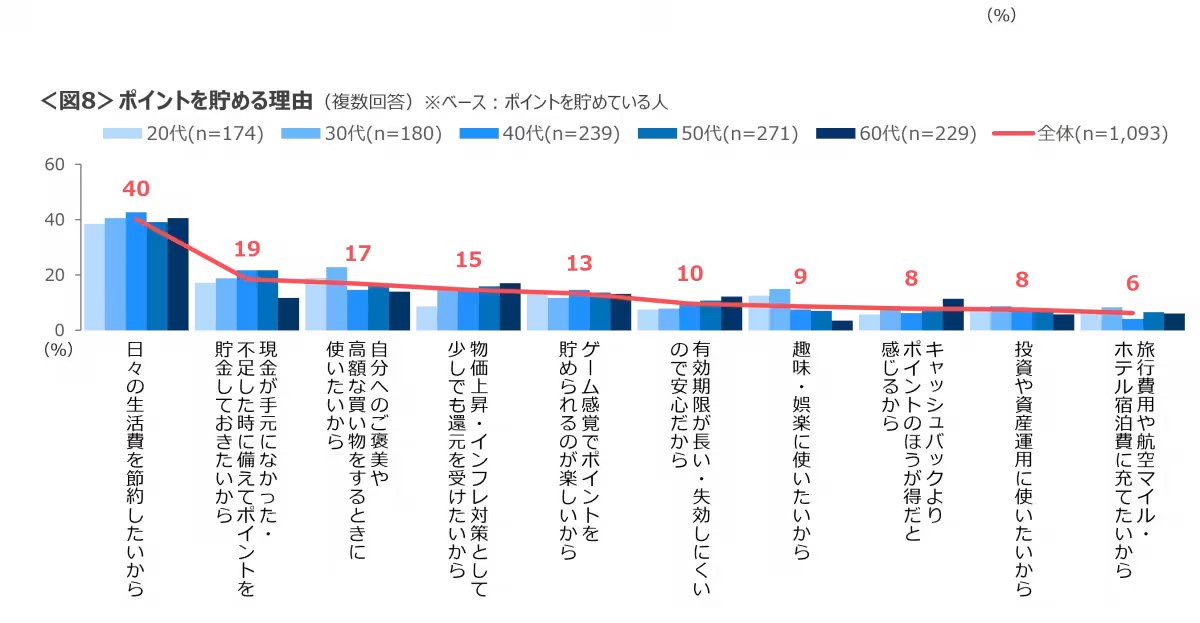
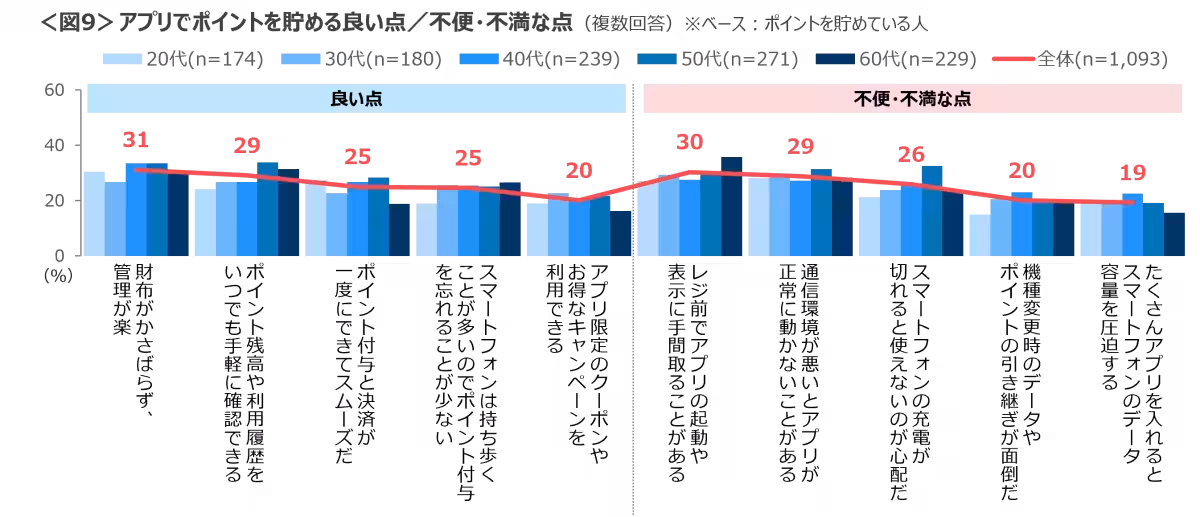
A substantial 40% of those engaging in these activities cite saving on everyday expenses as their key motivation. However, the transition to app-based point systems does present challenges, as operational inefficiencies at the point of sale have emerged. Users noted the hassle of activating apps during transactions, signifying the need for improved technology in retail environments.
Conclusion and Future Outlook
With the increasing difficulty of managing day-to-day expenditures and the uncertainty surrounding employment and economic advancement, it’s clear that Japanese consumers are actively reconsidering their spending habits. As the data reflects, fewer leisure activities and a drop in overall happiness and relaxation time pose long-term threats to lifestyle quality. As policymakers and businesses navigate these trends, the emphasis must shift towards sustainable economic adjustments that prioritize consumer welfare and adapt to their changing expectations. The findings from this survey provide essential groundwork for future analysis and discussions surrounding the Japanese economy.
For further information on this detailed survey report, click here.

Topics Consumer Products & Retail)
【About Using Articles】
You can freely use the title and article content by linking to the page where the article is posted.
※ Images cannot be used.
【About Links】
Links are free to use.