



Evaluating the Shift from Excel: Budget Management Challenges and Tool Implementation
Transitioning from Excel: Insights into Budget Management Practices
The Current Landscape of Budget Management
In recent years, the importance of accurate and timely visualization of data within budget management has become increasingly evident. As companies navigate an ever-evolving market landscape, the need for swift decision-making and effective utilization of management information has grown.
Recent Survey by YK Planning
YK Planning, a company based in Hofu City, Yamaguchi Prefecture, conducted a survey targeting budget management professionals to investigate the realities and challenges faced in utilizing tools for budget and management purposes. The survey, conducted from June 26 to June 27, 2025, gathered responses from 1,002 budget management representatives.
Key Findings of the Survey
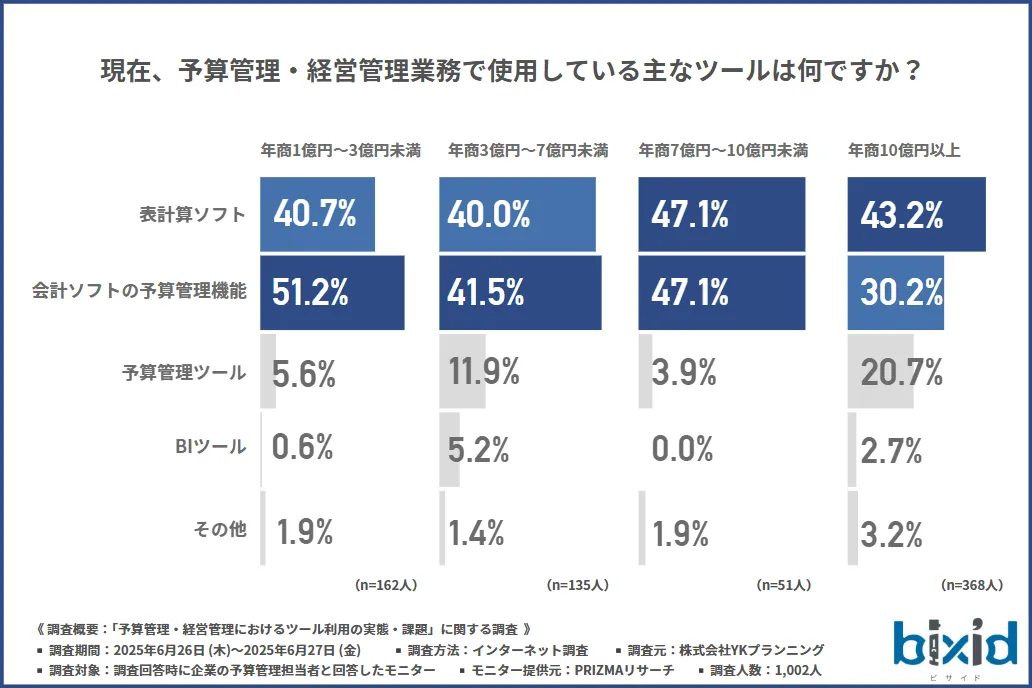
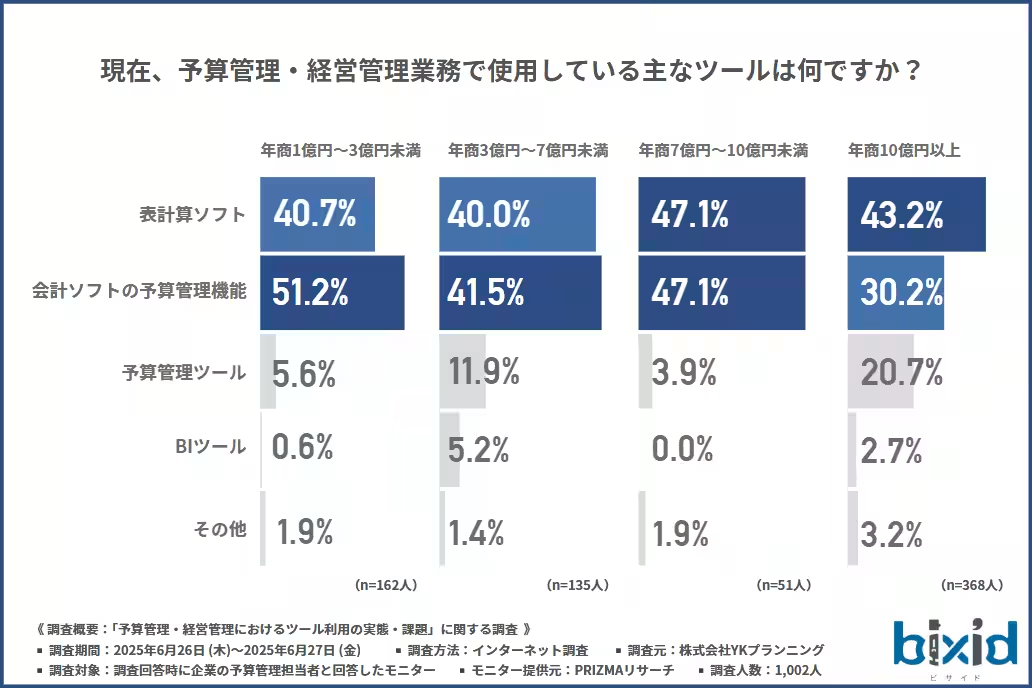
The findings revealed that a significant number of companies still rely heavily on spreadsheet software as their primary tool for budget management. While these tools are familiar and convenient, many respondents expressed concerns regarding operational issues such as the personalization of tasks, manual workload, and data fragmentation.
In essence, the challenges faced in budget management highlight the limitations of traditional spreadsheet software, emphasizing the need for more efficient management tool implementations.
Usage Trends of Spreadsheet Software
The survey revealed a noteworthy trend: as companies' revenue scales increase, the usage rate of dedicated tools for budget management rises correspondingly. However, it was found that even among larger firms, there remained a significant portion still engaged in using spreadsheets. Specifically, over half of the companies with annual revenues below ¥100 million still rely on spreadsheets, while more than 40% of those exceeding this revenue also utilize them.
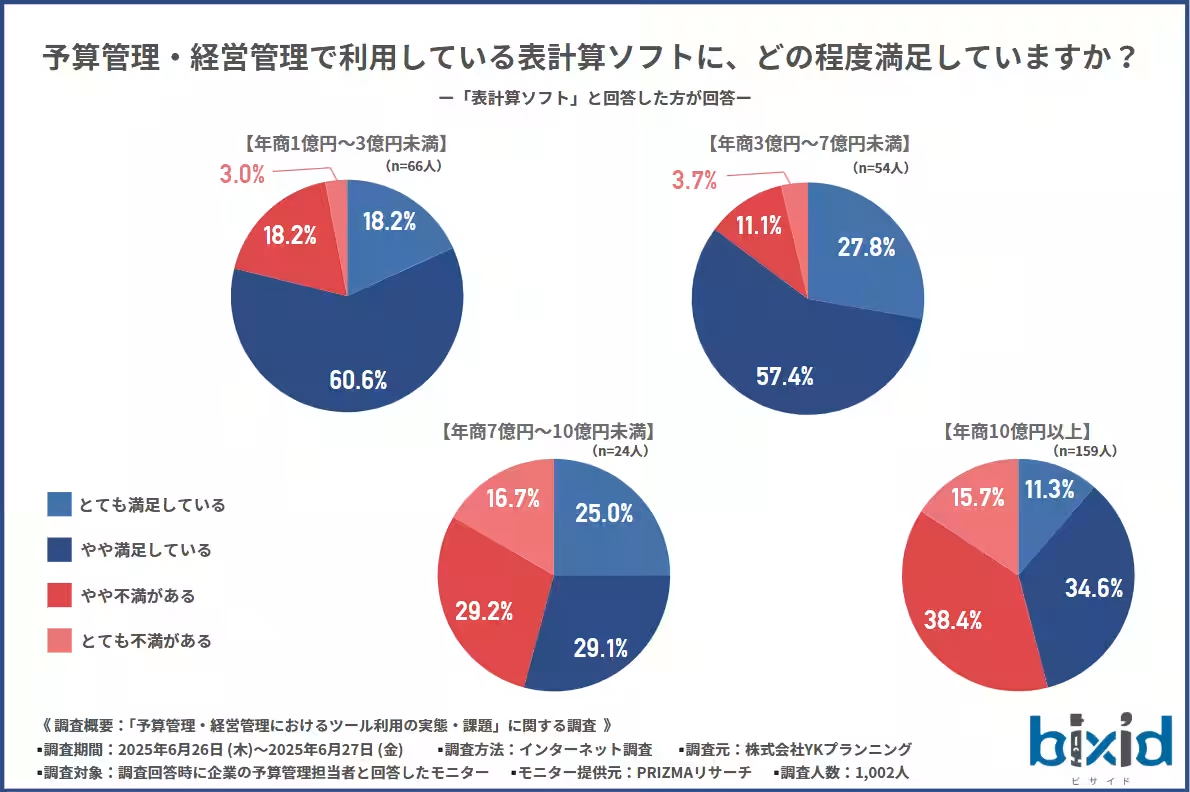
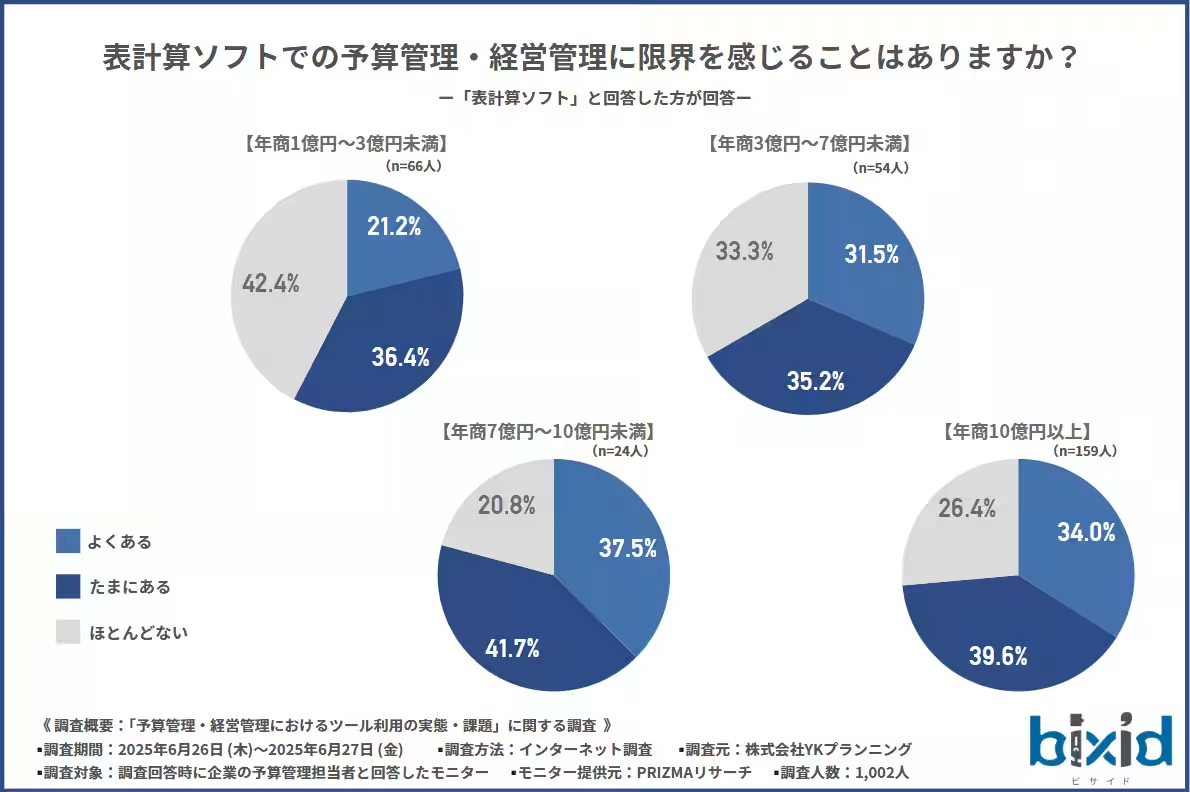
Despite their widespread usage, there's a growing realization that the reliance on spreadsheets is becoming impractical for larger organizations. Negative feedback was particularly prevalent among firms with revenues above ¥1 billion, indicating that while spreadsheets might work for smaller organizations, they struggle with maintaining coherence and managing updates when involving multiple departments and personnel.
Identifying Common Challenges
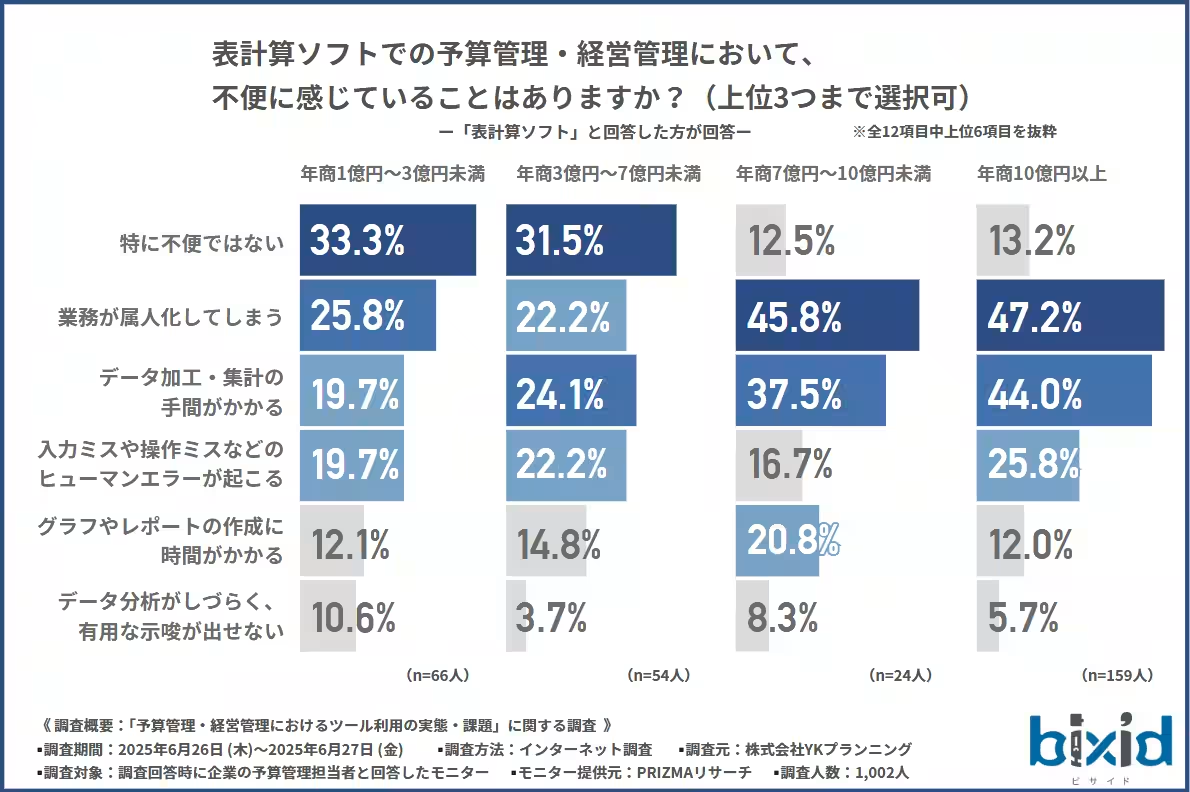
As part of the survey, respondents highlighted various inconveniences encountered when using spreadsheet software for budget management and operational tasks. Approximately 40% of respondents from companies with revenues below ¥100 million reported that they did not find spreadsheets particularly inconvenient. In contrast, only 10% of those from companies with revenues exceeding ¥700 million shared this sentiment. This indicates that larger organizations face escalating challenges associated with spreadsheets.
Podcasts and forums often buzz with anecdotes of reduced efficiency and heightened frustration as the complexity of data handling increases with growth. Common frustrations include cumbersome data handling, human errors, and the consequent challenges arising from task personalization.
For many organizations, small daily operational difficulties compound over time, revealing the inherent limitations of traditional approaches and highlighting the need for an organizational assessment of the operational framework.
Understanding the Shift Towards Specialized Tools
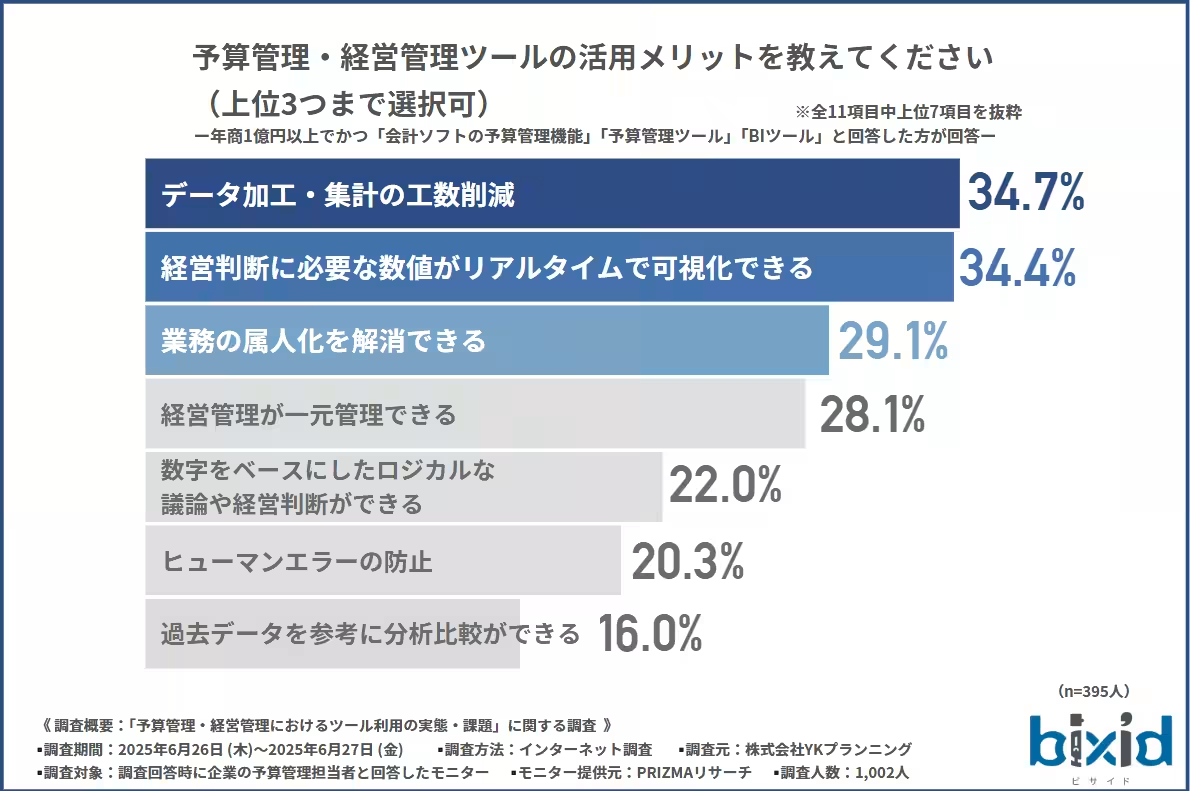
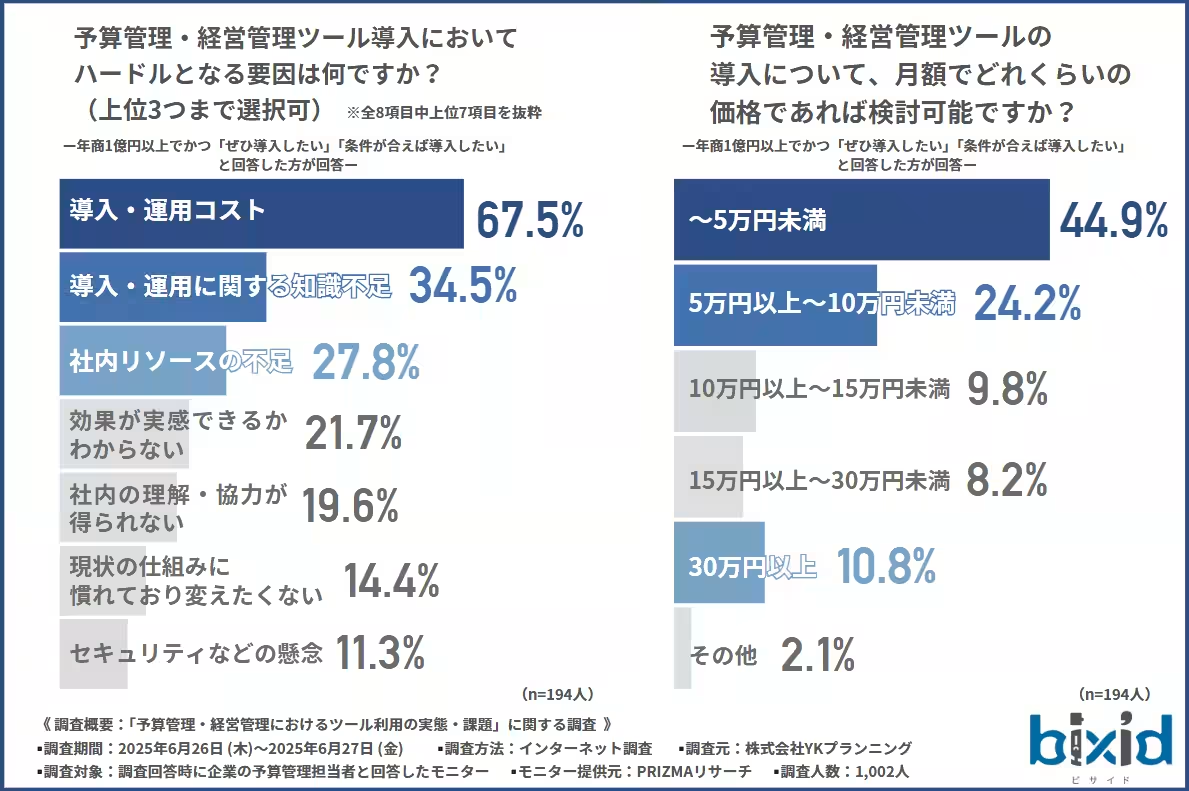
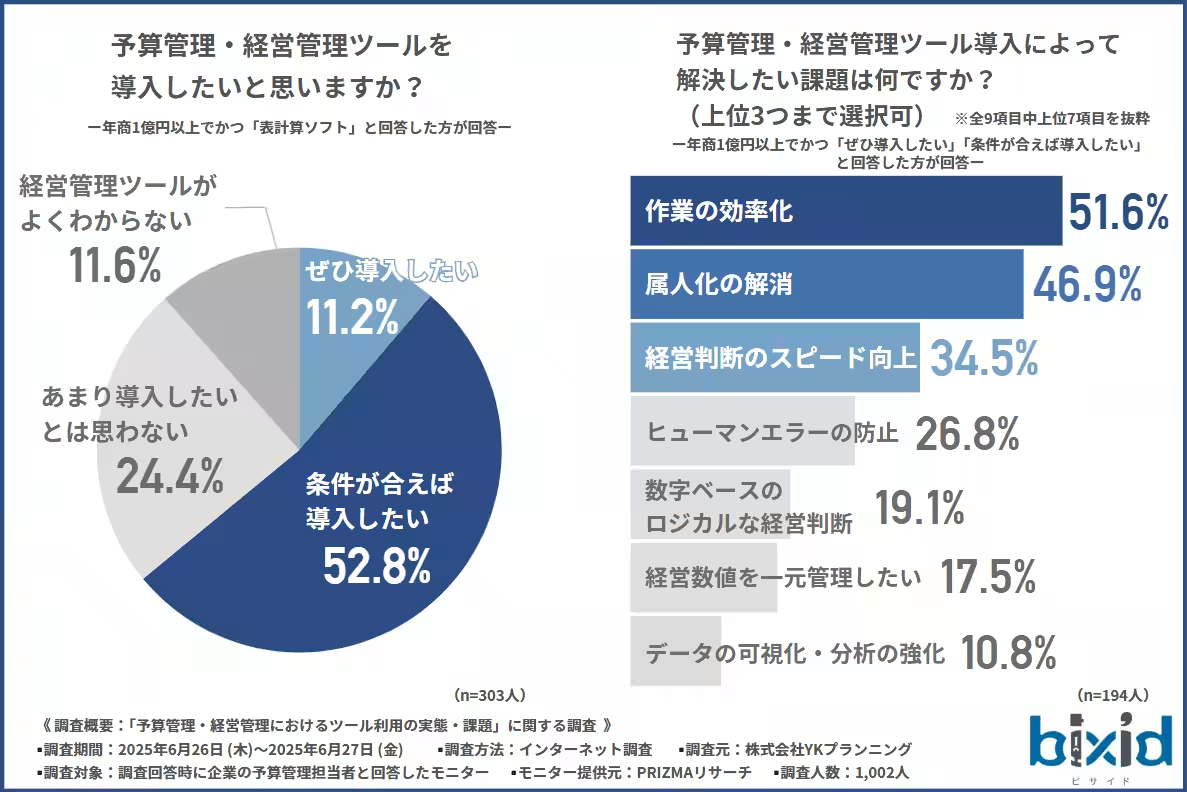
Many budget management professionals express a desire to transition toward specialized management tools. In fact, over 60% of respondents indicated an interest in adopting new management tools, with motivations centering on the need for more efficient task execution, resolution of data personalism issues, and an increase in decision-making speeds. However, an evident gap remained—many professionals expressed concerns over operational costs, perceived learning curves, and internal resource limitations, all of which hinder rapid implementation.
Introduction to Bixid: A Potential Solution
One possible path toward addressing these challenges lies in adopting a comprehensive management service such as Bixid, provided by YK Planning. Bixid facilitates key functionalities like monthly management reporting, economic analysis, and effective communication across departments, essentially transforming how organizations manage their budgetary processes. The transparent reporting and data handling of Bixid can empower organizations with the agility they need to compete effectively—and perhaps create a necessary shift away from conventional spreadsheet dependency.
Conclusion: The Need for Change in Budget Management Practices
While reliance on Excel remains predominant among budget management professionals, the survey underscored vital operational constraints that are prompting a reassessment of current practices. The strong inclination towards adopting specialized management tools must be met with considerate plans for implementation, maneuvering around cost perceptions and operational knowledge gaps. As organizations increasingly confront additional complexities in budget management, the transition from spreadsheets to a more effective toolset is poised to be a crucial step towards enhancing organizational agility and competitiveness in the marketplace.

Topics Business Technology)
【About Using Articles】
You can freely use the title and article content by linking to the page where the article is posted.
※ Images cannot be used.
【About Links】
Links are free to use.