




Bridging the Gap: Improving Sales Materials to Enhance Communication
Bridging the Gap in Sales Material Effectiveness
Sales presentations play a crucial role in determining the success of sales efforts. In recent years, as products have become more complex and the decision-making process has diversified, the importance of effective sales materials has surged. However, a significant disconnect exists between frontline sales teams and executives when it comes to recognizing the challenges posed by sales materials. Many strategies aimed at supporting sales seem to overlook these underlying issues. To improve sales performance, it is essential first to identify and share the obstacles that prevent effective communication.
To shed light on this situation, PRIZMA conducted a survey targeting sales representatives, sales managers, and executives to investigate the challenges associated with sales materials. This article highlights key findings and offers detailed insights available in a complimentary white paper.
Key Findings from the Survey
Awareness of Challenges
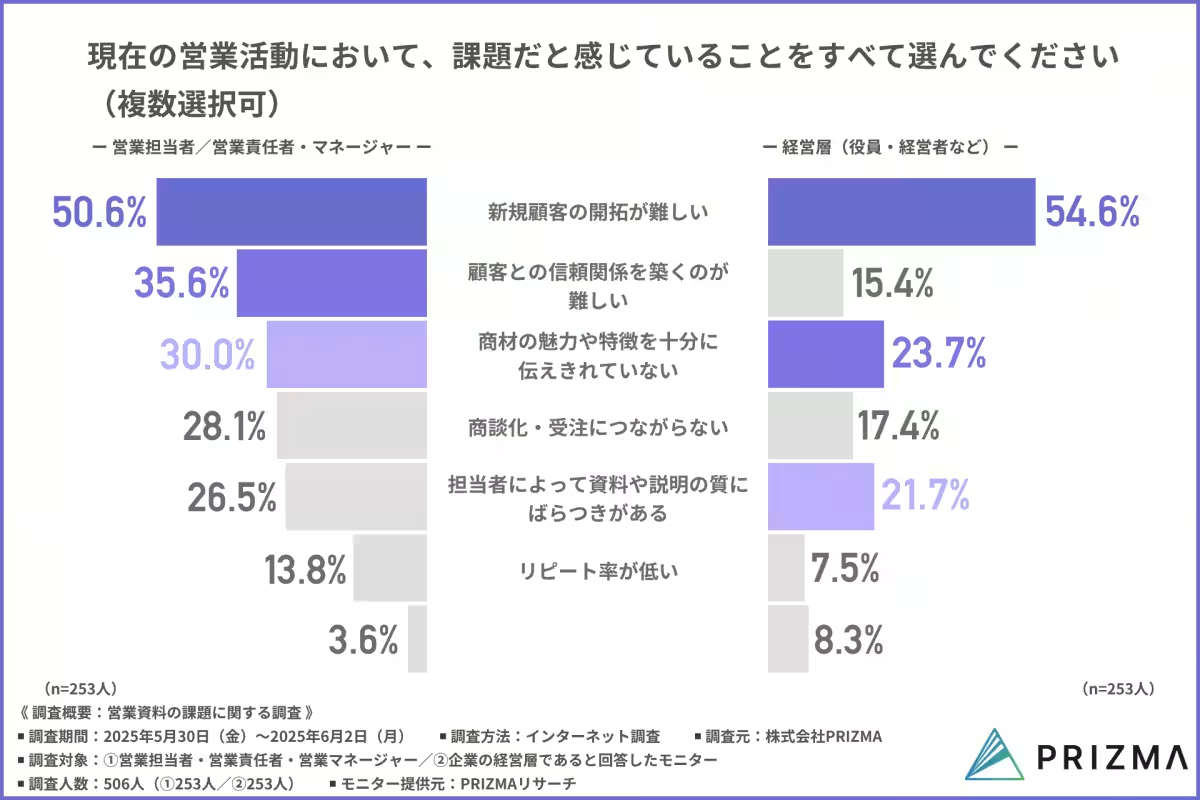
When salespeople were asked about the obstacles they face in their current sales activities, the top response was the difficulty of acquiring new customers, with 50.6% of sales reps and 54.6% of executives selecting it as a major concern. Following closely behind were issues like building trust with customers (35.6% of sales reps) and effectively conveying the product's attractiveness and features (30.0%). This highlights a crucial theme: for sales representatives, the quality of their communication is directly tied to their success in negotiations and establishing trust.
Conversely, executives often attribute the success or failure of new customer acquisition to external factors such as market conditions or sales efforts, which makes it less likely for them to focus on internal issues like proposal skills or the quality of sales materials. It is vital for the design of sales support initiatives to address this divergence, emphasizing the need for visualization of bottlenecks from the frontline perspective.
Difficulties with Multi-Stakeholder Sales
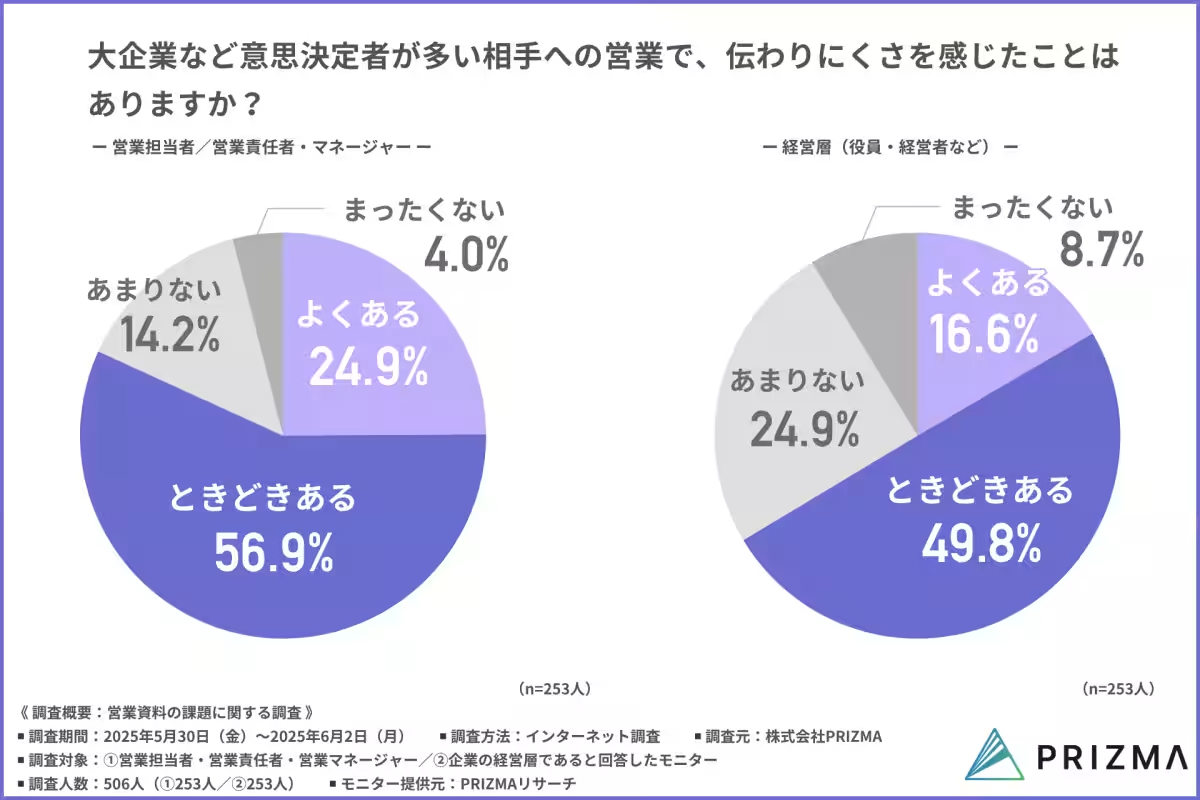
The survey also examined the challenges faced during sales meetings with multiple decision-makers, such as those in large corporations. Approximately 80% of respondents acknowledged experiencing communication difficulties in such scenarios, with 56.9% of sales reps and 49.8% of executives saying it happens occasionally, while 24.9% of sales reps and 16.6% regularly encounter these issues.
Selling to multiple stakeholders requires sales representatives to tailor their proposals according to differing interests and levels of understanding, significantly increasing their workload. Despite their efforts, misunderstandings and miscommunications often occur, leading to lost deals. If executives are not aware of this challenging communication environment, they risk implementing misguided support strategies.
Causes of Ineffective Communication
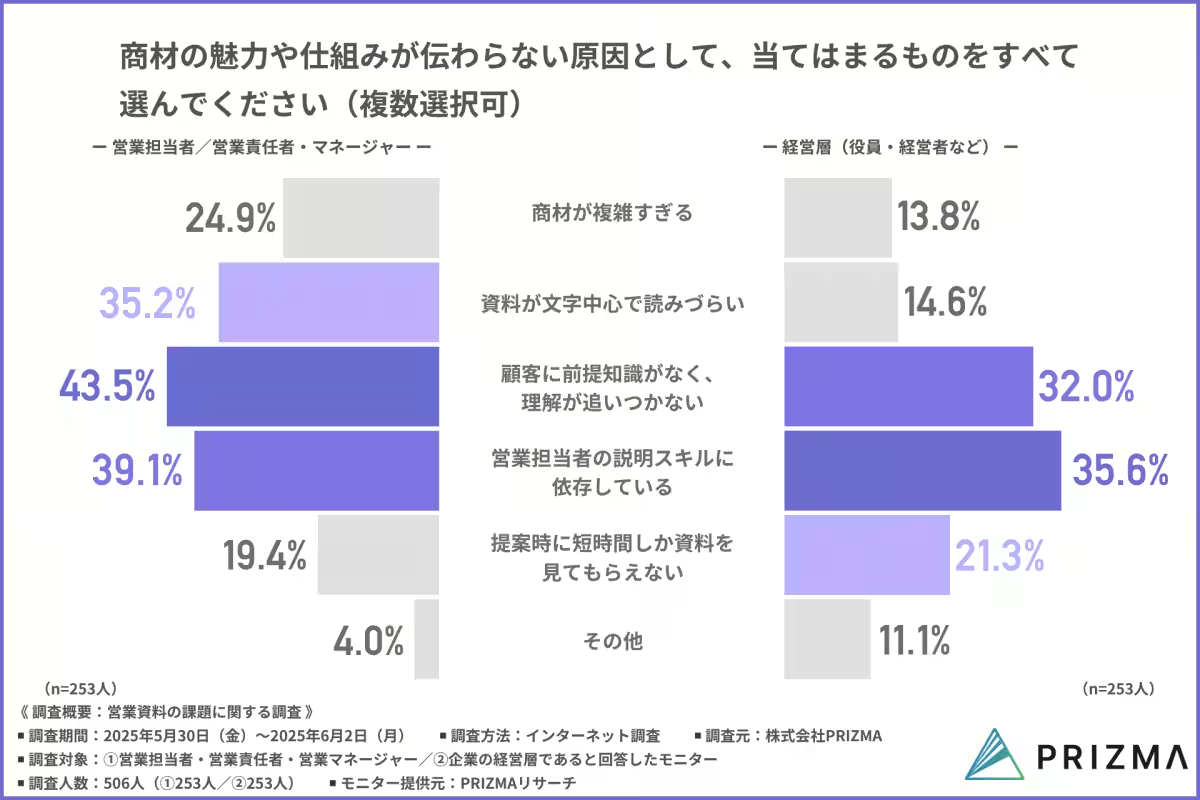
When asked about the reasons behind the inefficiency in conveying product messages, many highlighted factors such as a lack of prerequisite knowledge on the customer's part (43.5% for sales reps and 32.0% for executives), over-reliance on the sales representative's communication skills (39.1% for sales reps and 35.6% for executives), and the tendency for materials to be text-heavy and hard to read (35.2% for sales reps and 14.6% for executives).
These top issues suggest a structural problem where sales effectiveness is overly dependent on individual skill sets. This reliance on specific individuals undermines efficiency and prevents materials from functioning as a supportive infrastructure.
Improvement Needs
Given the discrepancies in perceptions between frontline workers and executives, it is essential to understand what improvements are required in sales materials. What do both groups recognize as necessary enhancements? Additionally, how do they assess the influence of sales materials on overall performance? The white paper offers critical data regarding these questions, focusing on improving sales efforts.
Evaluating Story-Driven and Comic Formats
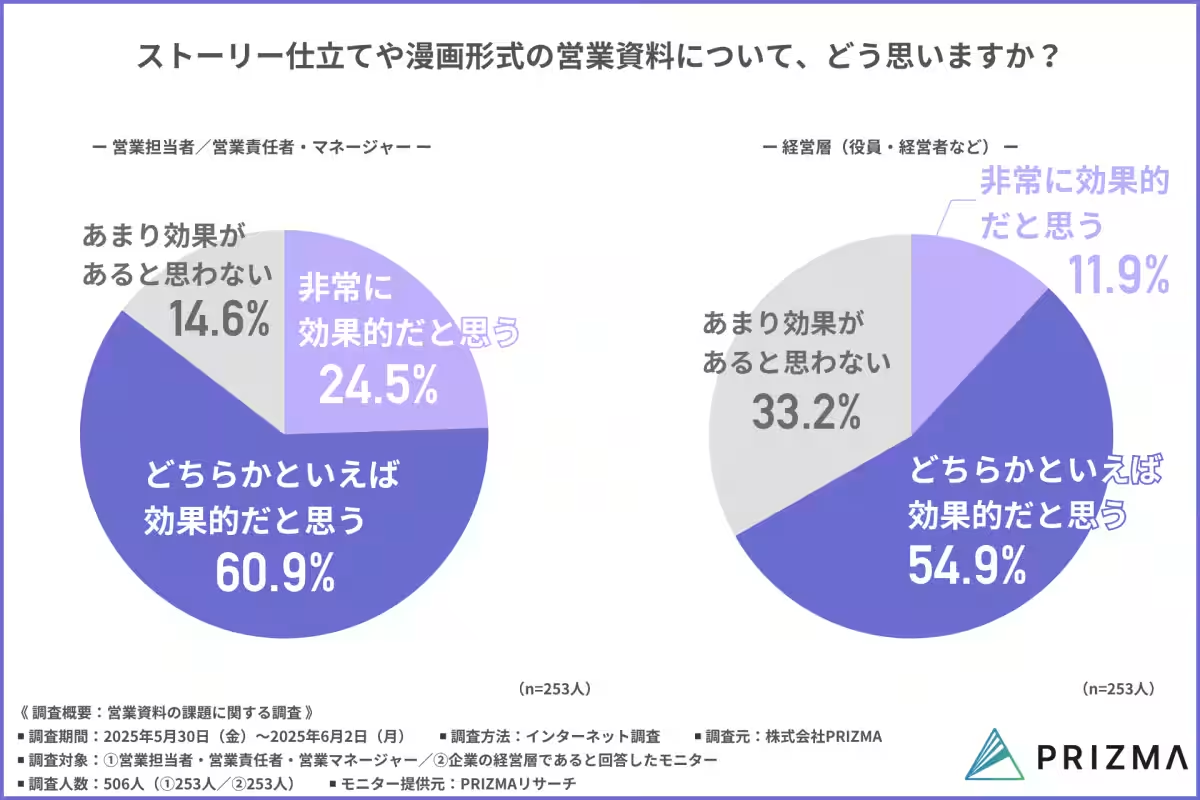
Among the proposed improvements are emerging preferences for story-driven and comic formats in sales materials. While 85.4% of sales representatives view these formats as effective, only 66.8% of executives agree, with around 33% not feeling their effectiveness. This disparity reflects a traditional preference among executives for formal, logical presentation methods over creative formats that engage customers emotionally.
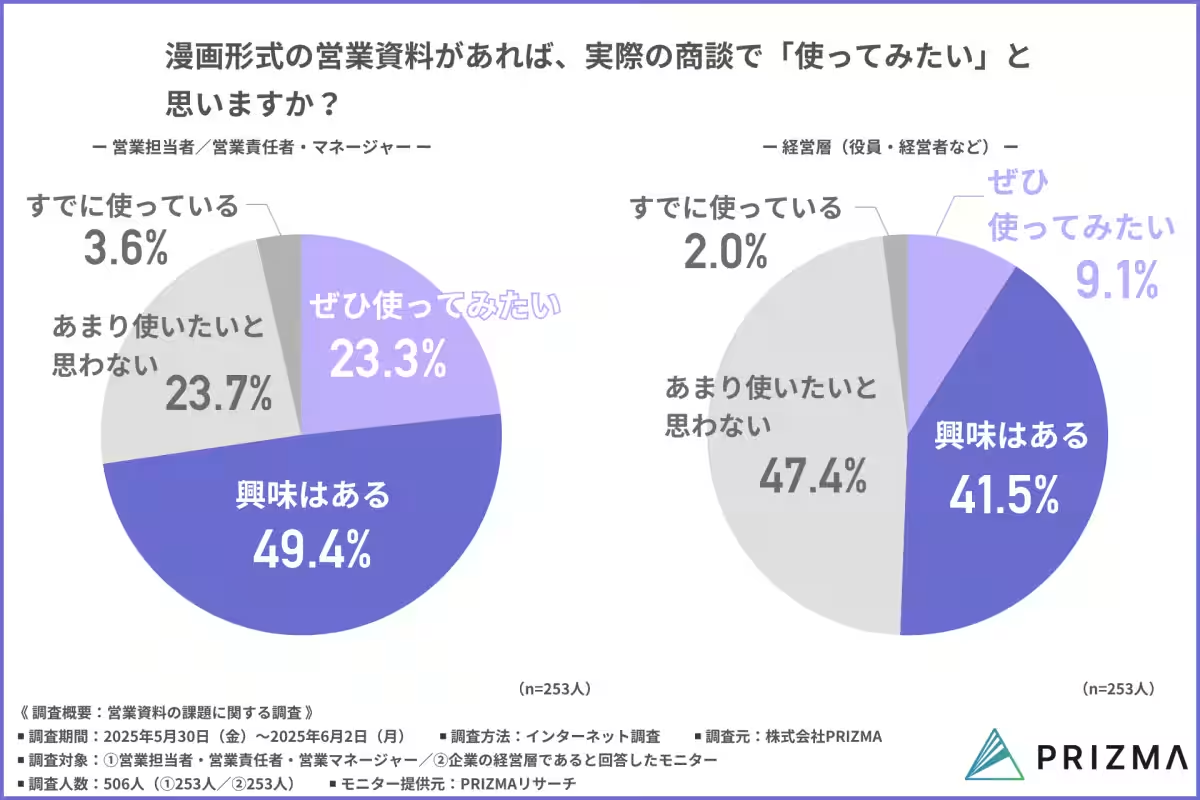
Over 70% of sales reps expressed a desire to utilize comic formats in actual sales discussions, demonstrating a willingness to innovate in their approaches. In contrast, executives displayed hesitation, fearing a lack of professionalism in such formats, which highlights the need for a balanced understanding of both perspectives.
Conclusion
This survey illustrates that the ability to communicate effectively is fundamental to sales success and points to significant differences in perception between sales teams and executive leadership. Sales representatives struggle with establishing trust and communicating product value, especially in complex negotiations involving multiple stakeholders. At the same time, executives may not fully grasp these challenges, leading to misaligned priorities in addressing the issues. To bridge this gap, a dialogue between both parties is essential for improving sales materials. Sharing insights on what messages are not being communicated effectively can initiate the necessary steps toward more impactful selling strategies.
For further insights and data, access the complete white paper at PRIZMA.



Topics Consumer Products & Retail)
【About Using Articles】
You can freely use the title and article content by linking to the page where the article is posted.
※ Images cannot be used.
【About Links】
Links are free to use.