



Impact of Inflation on Household Budgets Among Parents in Japan: A Comprehensive Survey
The Impact of Inflation on Households with Young Children
In June 2025, Lifenet Life Insurance conducted a comprehensive internet survey involving 1,053 parents aged 20 to 40 who have preschool or elementary school-aged children. This survey aimed to assess the rising inflation's impact on family budgets, particularly concerning food expenses. The findings reveal significant concerns among parents regarding the economic challenges they face.
The Effects of Inflation
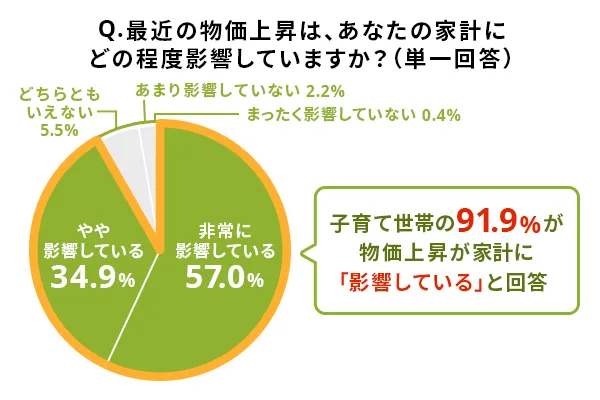
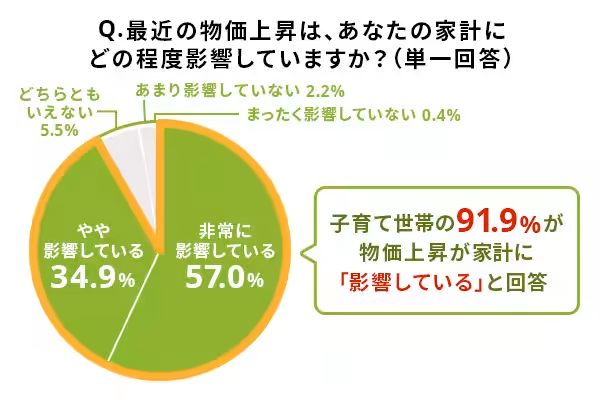
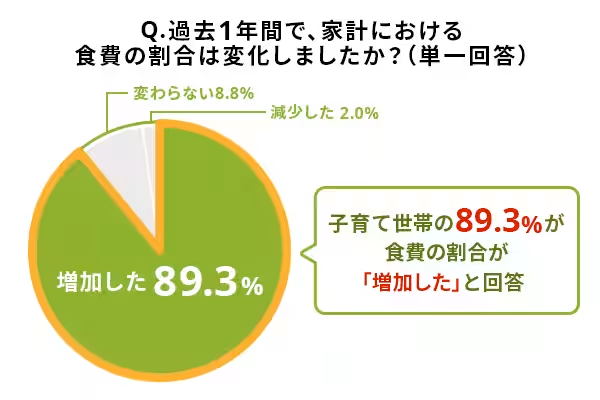
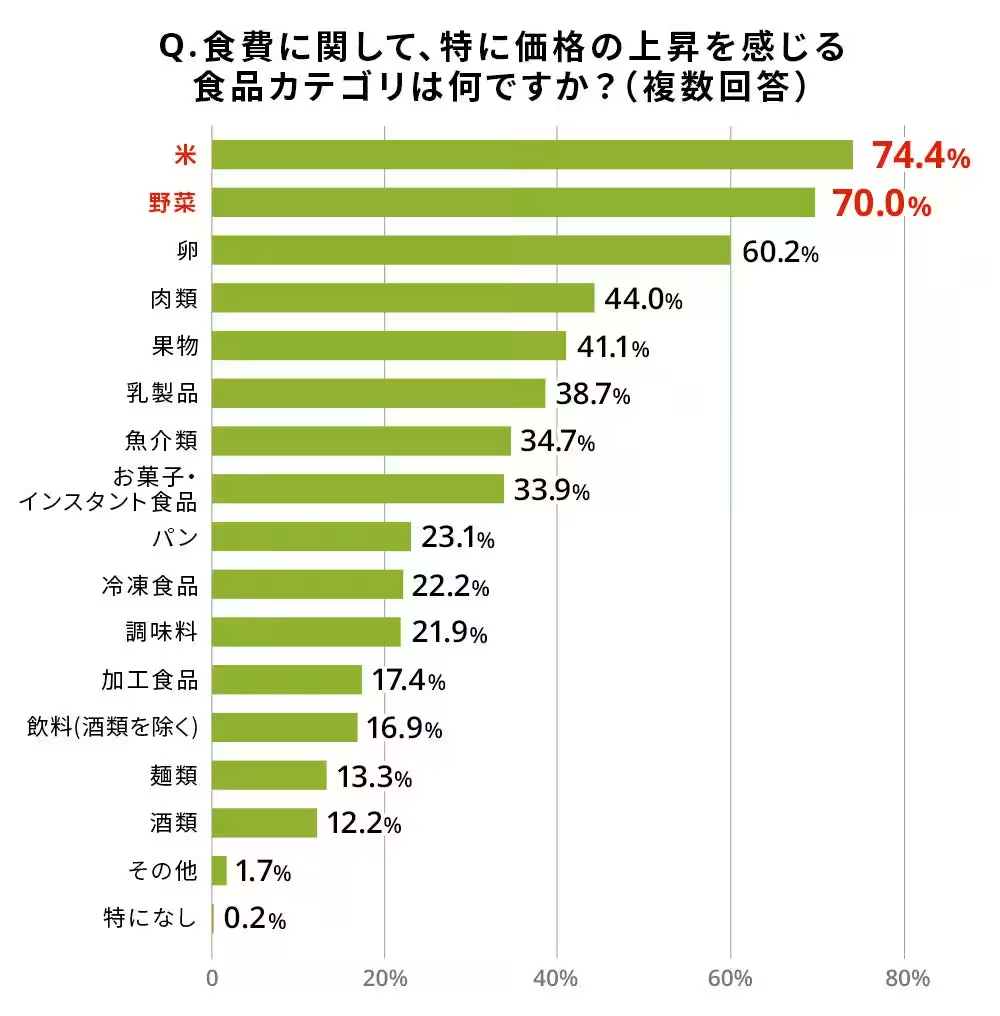
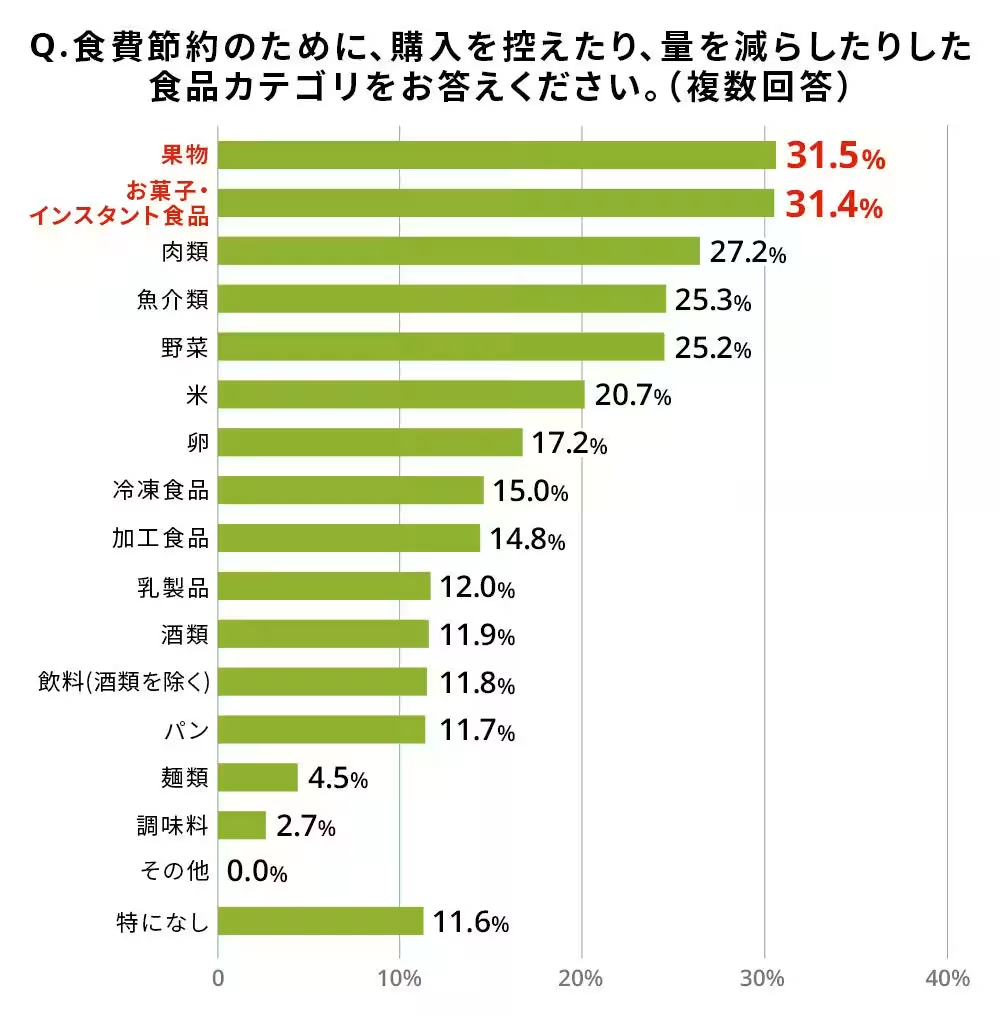
The survey showed that a striking 91.9% of respondents felt the burden of inflation on their household finances, while 89.3% acknowledged an increase in their food expenditure. Among the items experiencing the most substantial price hikes were essential staples like rice, vegetables, and eggs. In contrast, many parents reported cutting back on purchasing non-essential items such as fruits, sweets, instant foods, and various meats. This response indicates that families prioritize spending on necessary nutrients while restraining luxury food items.
Budgeting Strategies Adopted by Households
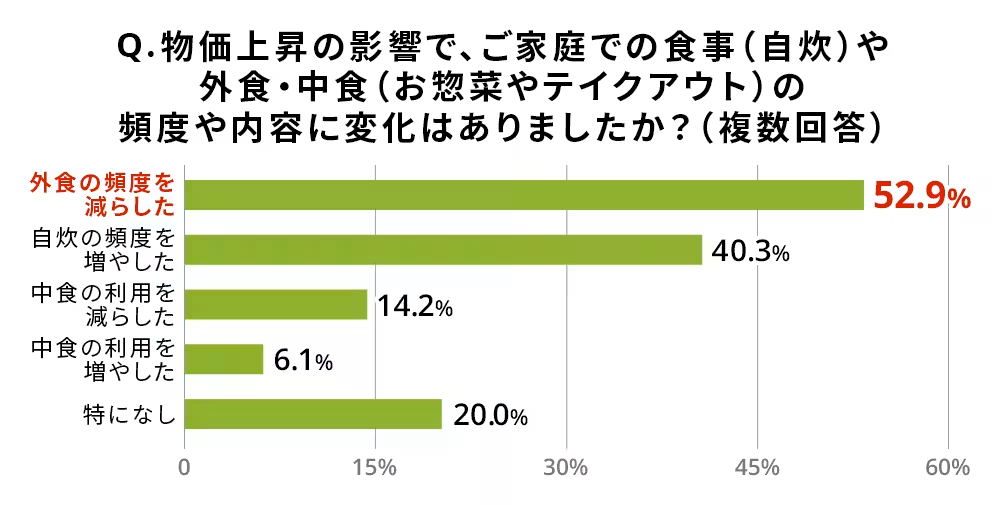
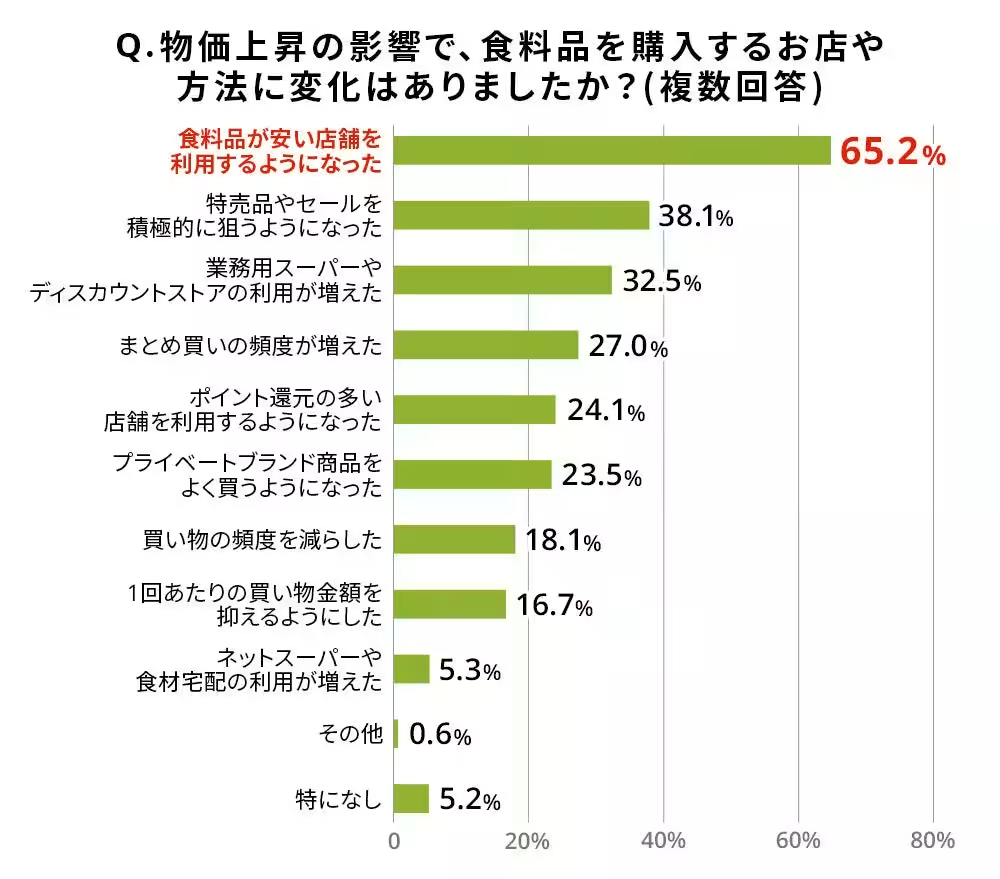
To manage escalating costs, many families are actively shifting their spending habits. A significant trend observed is a decreased frequency of dining out, with an increasing emphasis on home-cooked meals. Approximately 65.2% of families are opting for stores known for cheaper groceries, while 32.5% are utilizing wholesale and discount stores. These adaptations demonstrate a concerted effort to minimize expenses.
Moreover, methods of grocery shopping are evolving, with 38.1% of families actively seeking out sales and special offers. The practice of bulk buying has also risen, noted by 27.0% of parents. These methods signify a growing consciousness regarding financial management, as families become more strategic in their shopping behaviors.
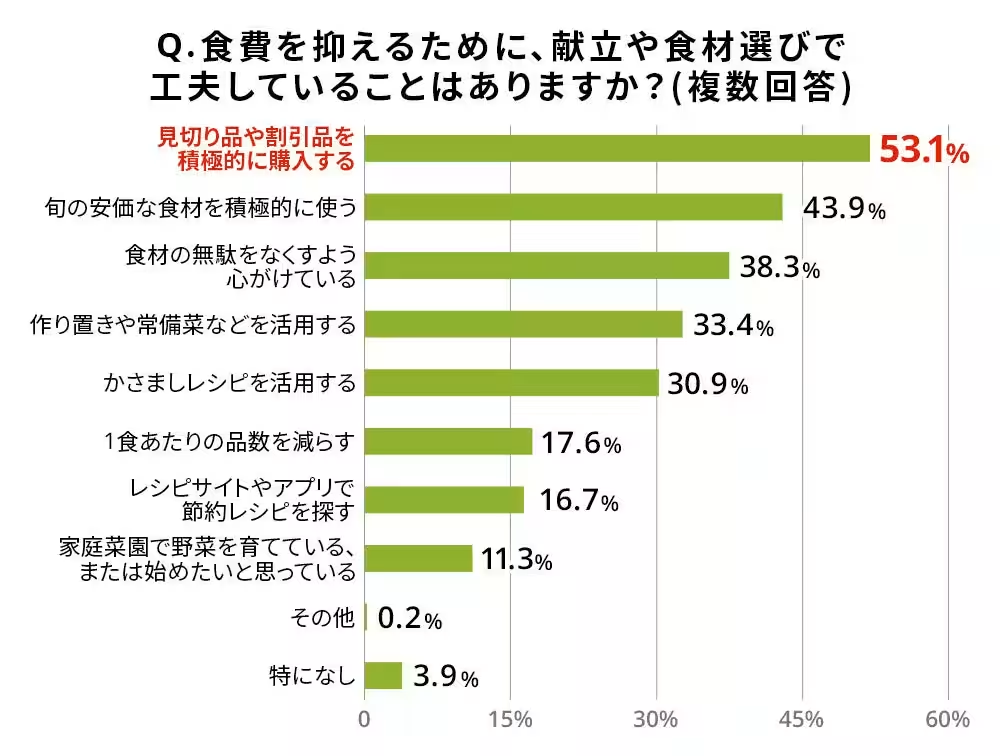
The survey highlighted that 53.1% of families are focusing on purchasing discounted products, revealing a clever approach to obtaining nutritious ingredients while adhering to budget constraints.
Strategies Beyond Food Expenses
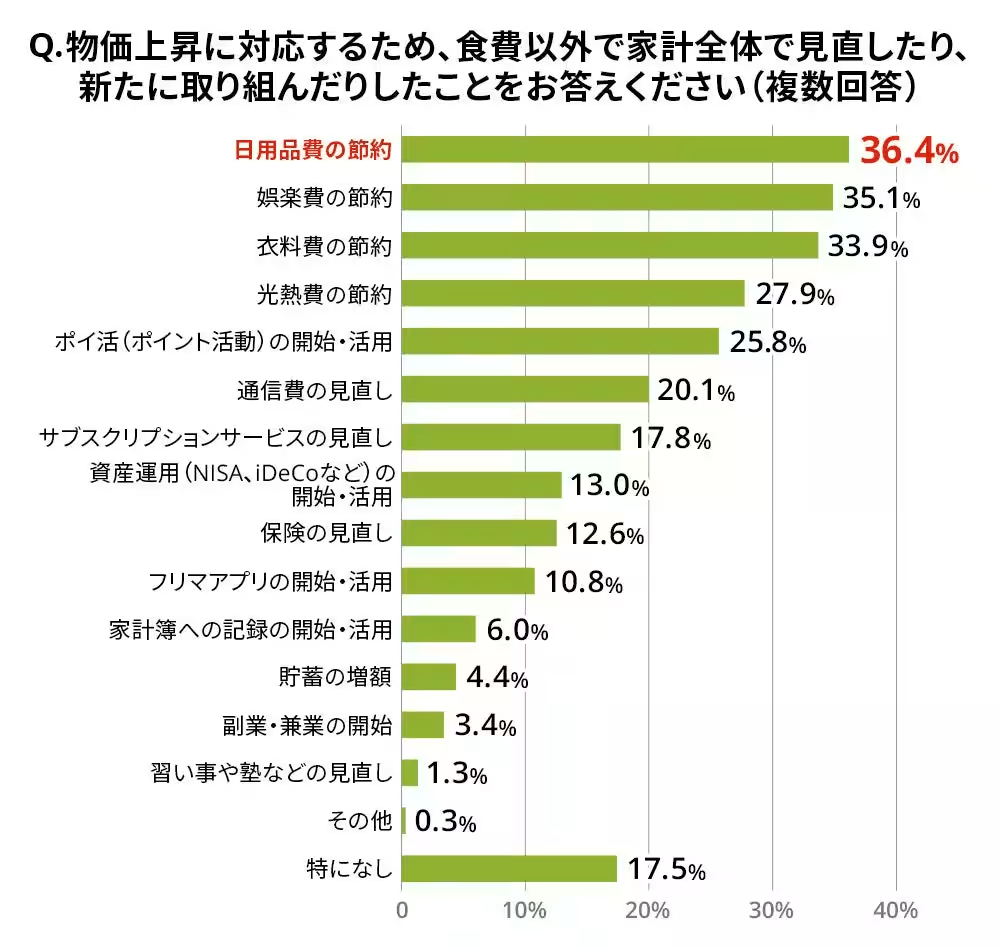
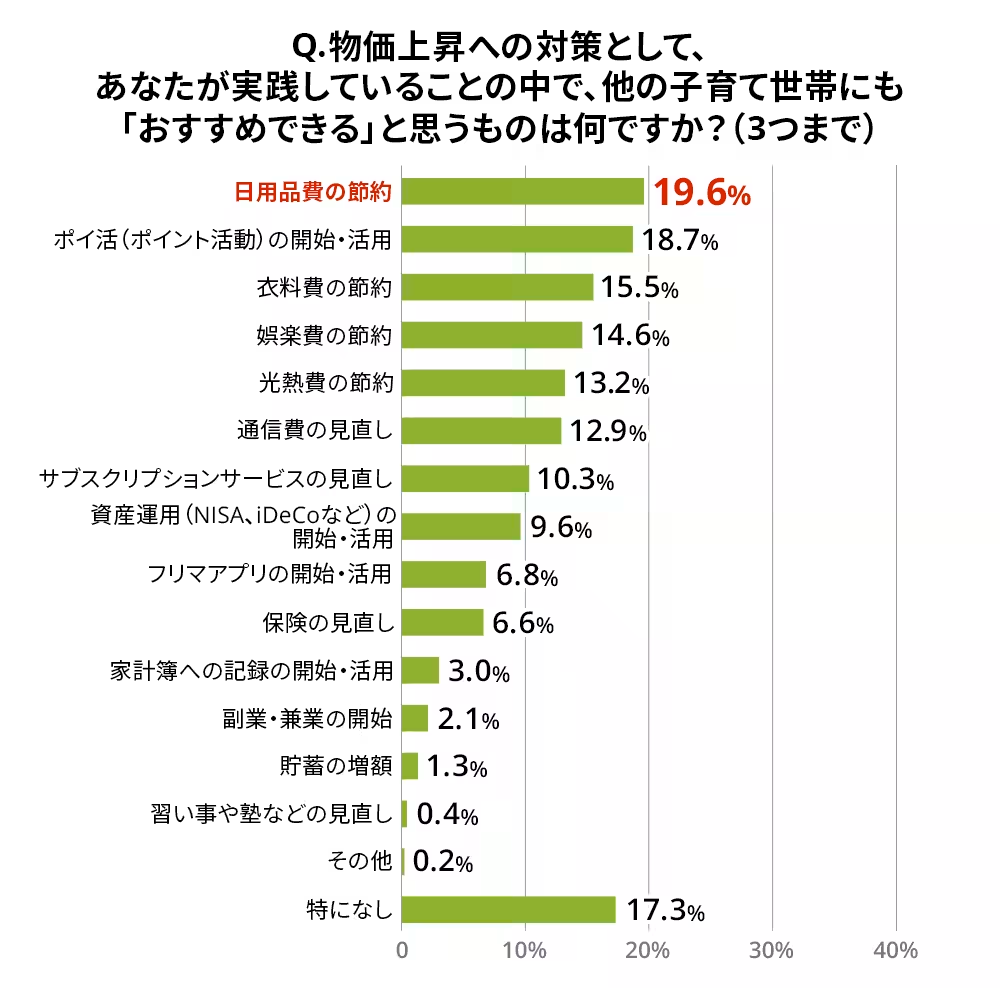
Aside from adjusting food spending, many parents are exploring ways to save in other areas. The survey indicated a focus on reducing expenditures for daily necessities (36.4%), entertainment (35.1%), and clothing (33.9%). Additionally, there is a noticeable interest in new budgeting techniques, including leveraging point reward systems, which have gained traction among these families.
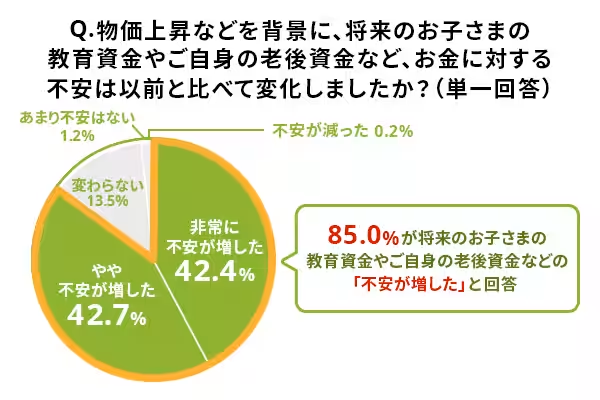
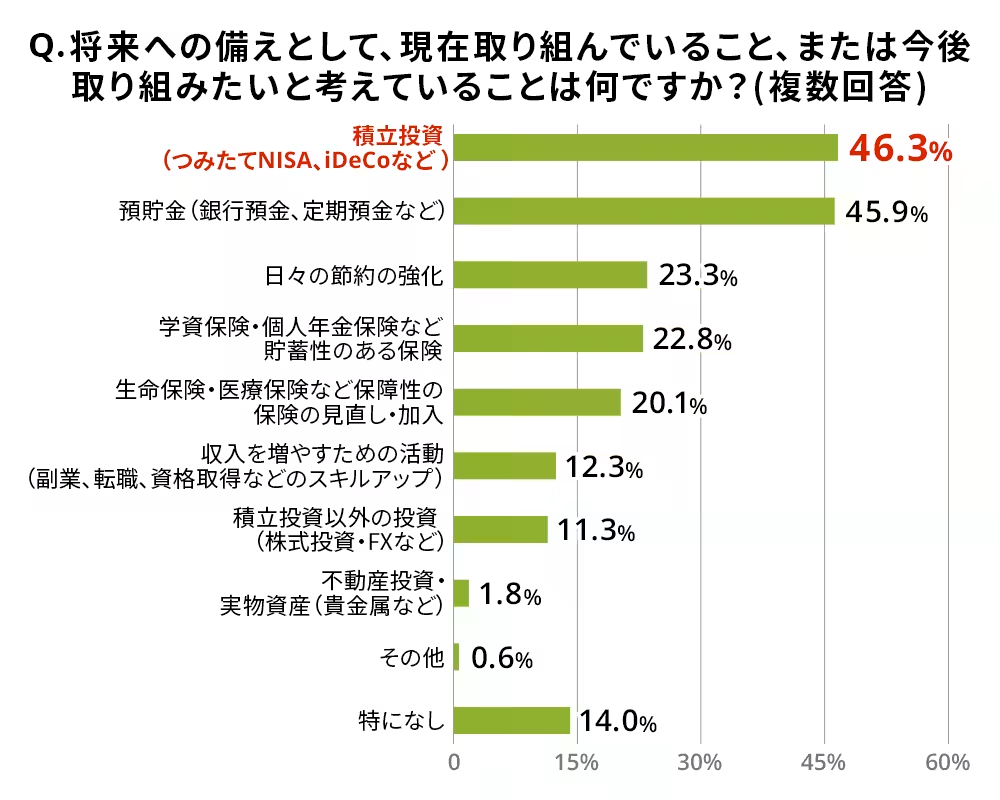
Parents are also expressing anxiety over finances, with 85.0% indicating that their financial worries have increased compared to the past. In preparing for future uncertainties, a notable number of families are prioritizing savings and investments, with 46.3% considering contributions to investment funds and 45.9% focusing on savings accounts.
Future Expectations from Institutions
Participants voiced their hopes for government support, with suggestions ranging from tax breaks for families to an increase in wages. The sentiment for sustainable and consistent support rather than temporary relief underscores the ongoing financial concerns faced by households.
In summary, the survey captured the reality that nearly 90% of parenting households are feeling the financial squeeze from inflation and rising food costs. Many parents demonstrate adaptability in their shopping methods and food choices, with a collective shift towards more economical living practices while grappling with the broader picture of financial insecurity.
Lifenet Life acknowledges this complex landscape and continues to encourage families to cultivate sustainable economic habits while advocating for accessible insurance solutions. By prioritizing a clear separation between financial protection and savings, Lifenet highlights the importance of prudent management of household budgets. The company remains dedicated to providing affordable insurance options that allow families to plan for their financial futures effectively.
For more information, visit Lifenet Life.
Topics Consumer Products & Retail)
【About Using Articles】
You can freely use the title and article content by linking to the page where the article is posted.
※ Images cannot be used.
【About Links】
Links are free to use.