



Innovative ReCase Service Launched in Four Banyan Group Hotels in Kyoto and Osaka
Tackling Luggage Waste: The Launch of ReCase
In a significant move to address the growing issue of discarded luggage, Japanese company Nihon Houzai has partnered with Banyan Group to launch the ReCase service across four hotels in Kyoto and Osaka. This innovative initiative aims to minimize luggage wastage and create a sustainable model for repurposing suitcases while alleviating the burden faced by hotels regarding storage and disposal.
A Growing Social Challenge
The rise in travel has led to an alarming number of abandoned suitcases at hotels. This not only creates logistical headaches for hotel management, often resulting in increased storage costs and sanitation issues but also poses a substantial environmental challenge. Waste disposal contributes to landfill overflow, and discarded luggage can carry negative implications for the environment. By implementing ReCase, hotels will transform their approach and start viewing suitcases not as waste, but as recyclable resources.
The Launching Hotels
The four participating hotels, all part of Banyan Group's esteemed portfolio, include:
1. Homm Stay Nagi Sanjo Kyoto
2. Homm Stay Nagi Shijo Kyoto
3. Homm Stay Nagi Arashiyama Kyoto
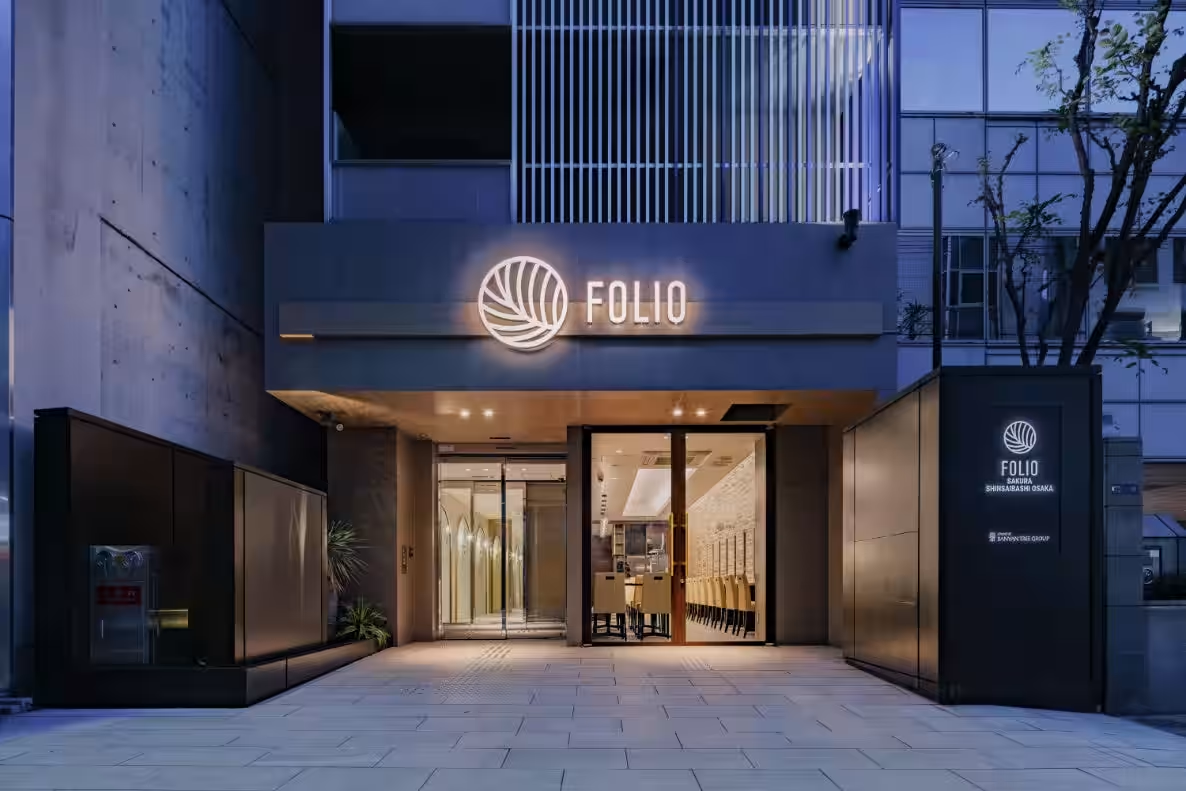
4. Folio Sakura Shinsaibashi Osaka
Purpose-driven Collaboration
With a history rooted in sustainable tourism and community engagement, Banyan Group operates under the ethos of 'Embracing the Environment, Empowering People.' This collaboration is designed to foster a fresh perspective on luggage utility, ensuring that suitcases are reused rather than disposed of. The ultimate goal is to reduce waste, contribute positively to the environment, and reclaim valuable resources that can serve the community.
What is ReCase?
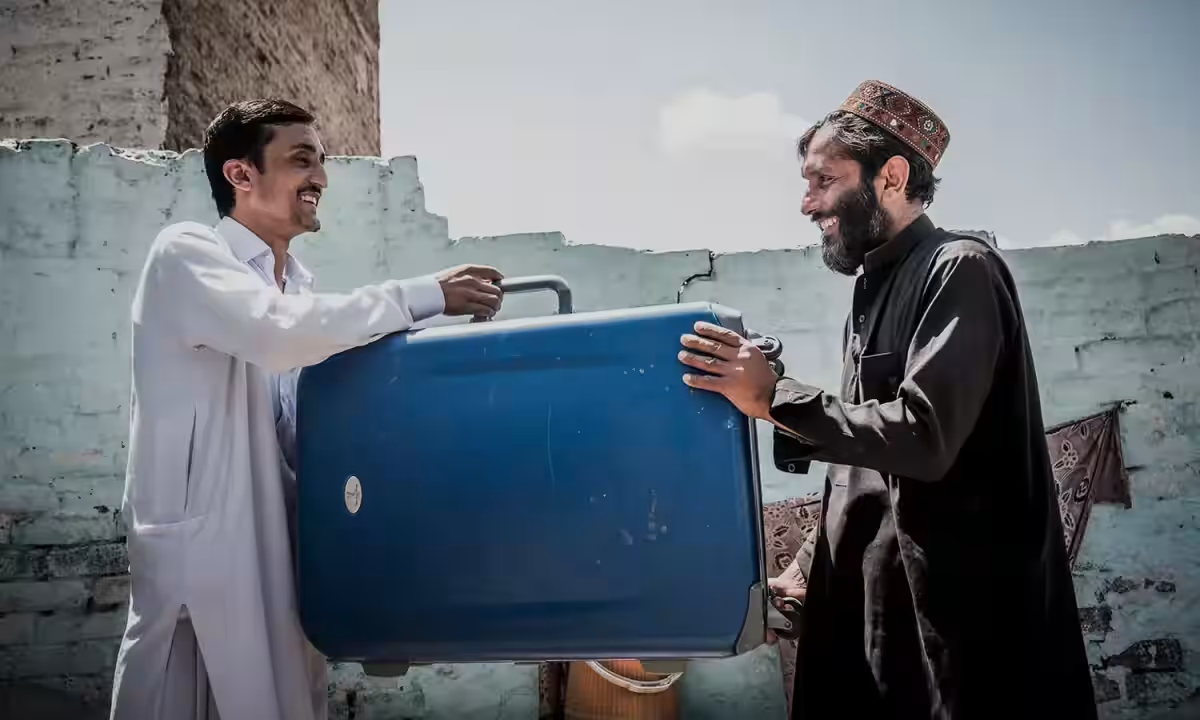
ReCase is a luggage collection and reuse initiative tailored to recover abandoned suitcases in hotels and B&Bs. The collected luggage undergoes cleaning and refurbishment to restore its value, thus creating a new life cycle for these items. Suitcases deemed unfit for reuse can be transformed into repair parts or repurposed for use in various environments, thereby minimizing waste.
Key Features of ReCase Service
1. Rapid Collection: The service ensures prompt collection of abandoned luggage, thereby reducing space constraints in hotel operations and alleviating staff workload.
2. Zero Waste Policy: By promoting resale and repurposing of luggage, ReCase encompasses a model that strives for 'zero waste,' utilizing even damaged suitcases for useful parts.
3. Contribution to SDGs: This initiative aligns with Sustainable Development Goal 12, which underscores the importance of responsible consumption and production.
4. No Initial Investment Required: The program can be implemented without any initial financial burden on the hotels.
Future Expansions
With over 150 facilities already embracing ReCase across Japan, the initiative holds promise for substantial growth. Plans are in place to expand the service to additional hotel chains and other types of accommodations, as well as explore partnerships with local governments to create localized programs in tourist regions.
Furthermore, Nihon Houzai is committed to supporting hotel partners by providing resources such as an SDGs informational landing page and promotional materials for guests, which will help promote eco-friendly practices.
About Banyan Group
Banyan Group, also known as Banyan Tree Holdings Limited, is a prominent global hospitality company known for its commitment to sustainable and responsible tourism across over 20 countries. Each of its 100+ hotels, along with numerous spas and residences, adheres to the founding philosophy of empowering communities and protecting the environment. By leading the charge in regenerative tourism, Banyan Group is committed to enhancing guest experiences and setting new standards in sustainability.
ReCase stands as a powerful testament to the positive impact that innovative thinking and collaboration can achieve in transforming societal challenges into sustainable solutions.
Topics Consumer Products & Retail)
【About Using Articles】
You can freely use the title and article content by linking to the page where the article is posted.
※ Images cannot be used.
【About Links】
Links are free to use.