



The Unseen Challenge in Solar Investment Awareness Among Investors
Understanding the Awareness Gap in Solar Investments
Introduction
In recent findings unveiled at the Asset Management Expo held from May 15 to 17, 2026, SOLSEL (operated by Elevisuta Corporation) conducted a survey among 134 attendees to investigate the awareness and interest in solar investments and their associated tax benefits. This article examines the insights from the fourth installment of a series addressing the awareness gap in solar investment. The first three parts addressed recognition, knowledge, and action gaps, culminating in this analysis of the conscious disconnection among potential investors.
The Surprising Statistics
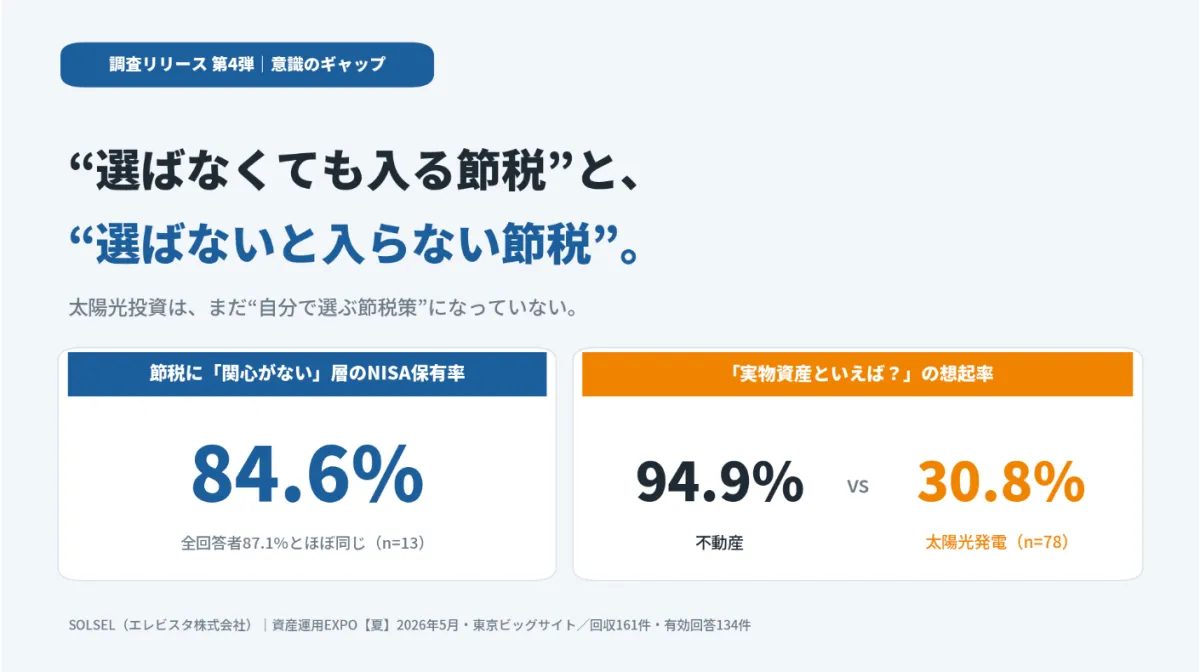
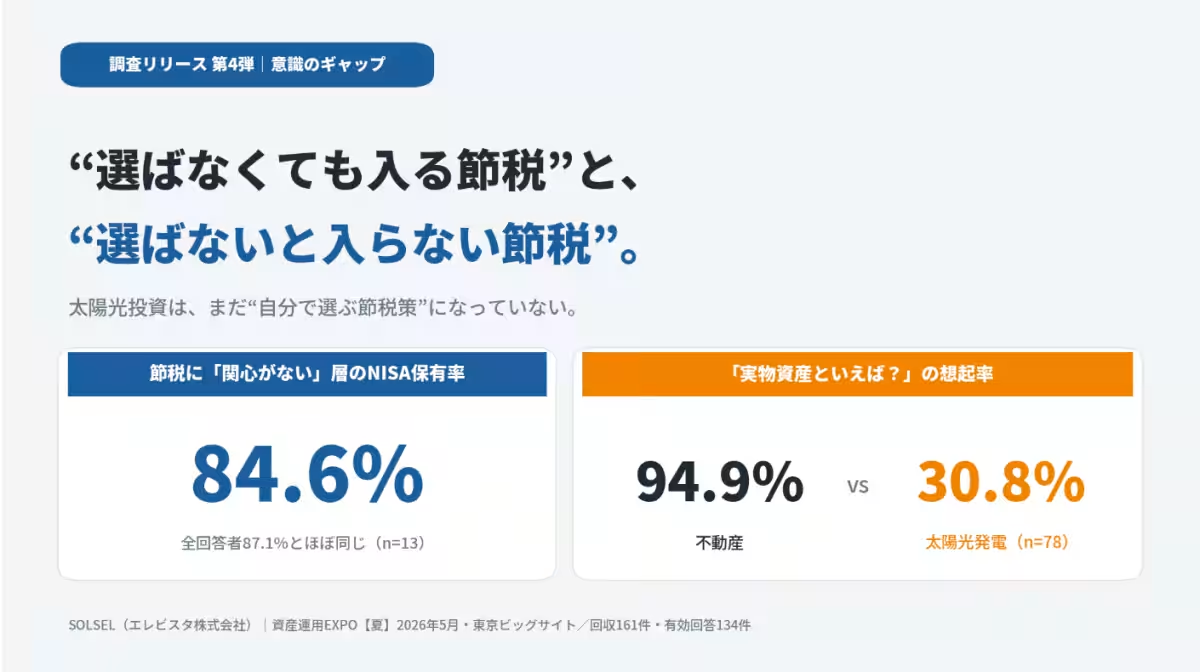
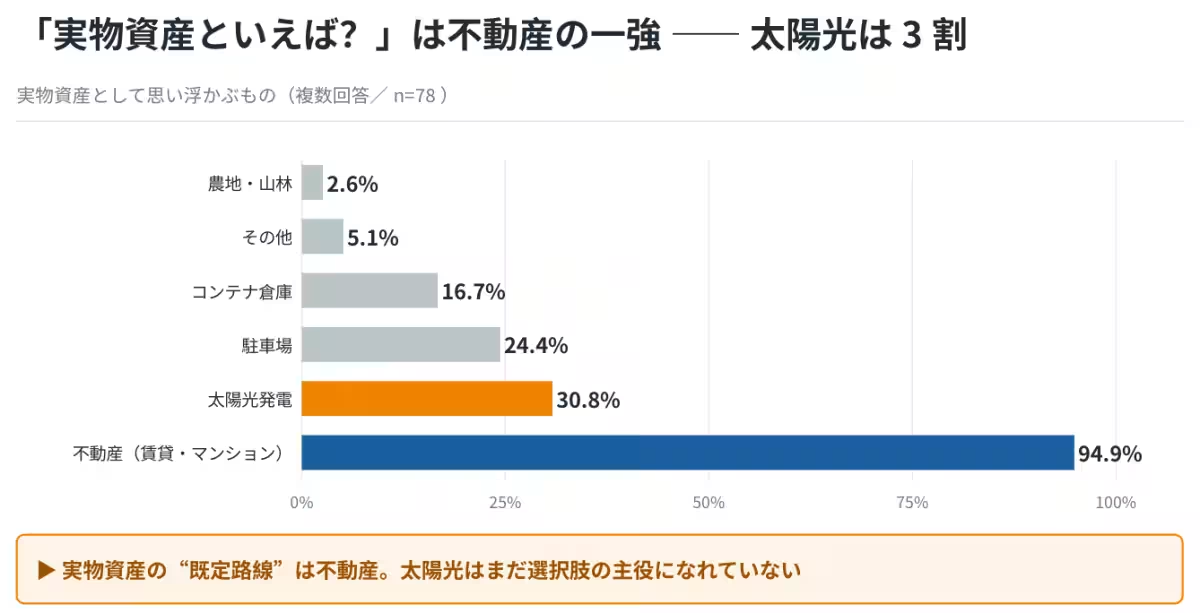
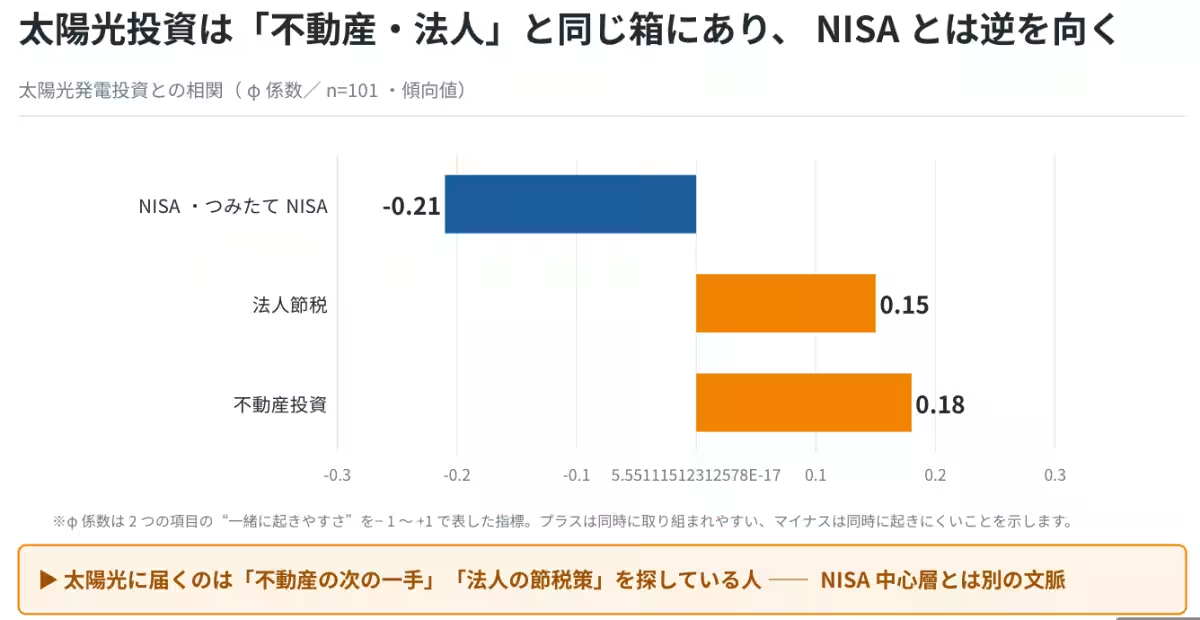
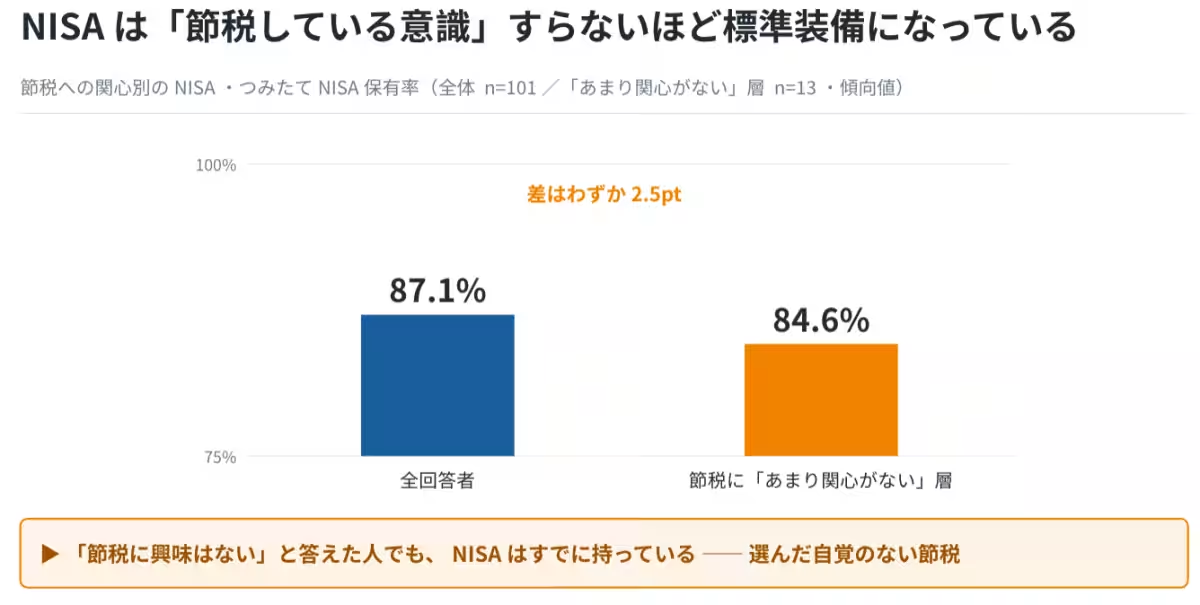
In an intriguing revelation, it was found that 84.6% of individuals who expressed a lack of interest in tax-saving methods still held NISA or Tsumitate NISA accounts. This indicates that many individuals may be benefiting from tax savings through these accounts without even realizing it. NISA appears to have become a standard feature in financial planning, akin to an automatic selection that requires minimal engagement on the part of the investor. The survey revealed a stark contrast when respondents were asked about physical assets, where only 30.8% identified solar energy, while an overwhelming 94.9% identified real estate as a primary physical investment asset.
Understanding the Investment Choices
The gap in perceptions becomes evident when assessing the array of tangible assets citizens consider for investment. Despite the growing popularity of various investment avenues, the overwhelming majority still regard real estate as the primary option. This calls into question the mental model that positions solar energy as a viable investment choice. Many potential investors are unaware or simply ignore solar energy, reducing its presence in the collective consciousness of asset choices.
Analyzing the Current Portfolio
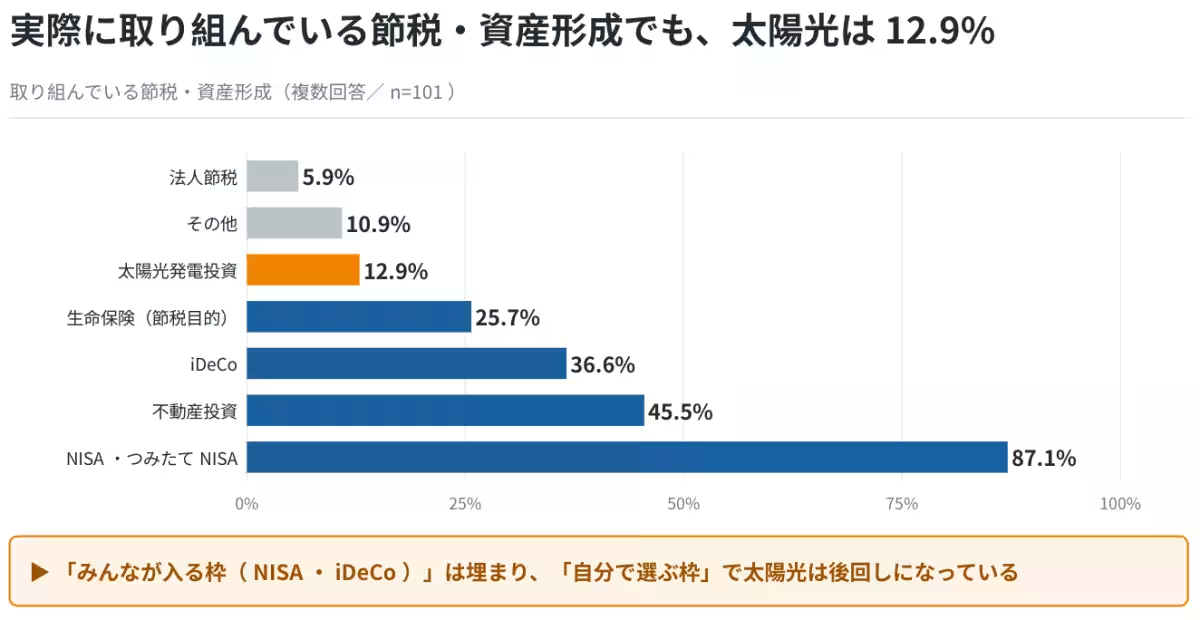
When participants were asked about their actual investment in tax-saving or asset-building initiatives, it revealed that 87.1% were engaged in NISA or Tsumitate NISA. In stark contrast, only 12.9% were actively investing in solar energy. The discrepancy indicates that many choose predefined investment opportunities over options requiring personal research and selection, such as solar investments. These differences underscore that solar energy investing is still viewed as a less attractive option compared to more straightforward avenues like real estate or NISA accounts, which are promoted through institutional backing.
Identifying the Barriers to Entry
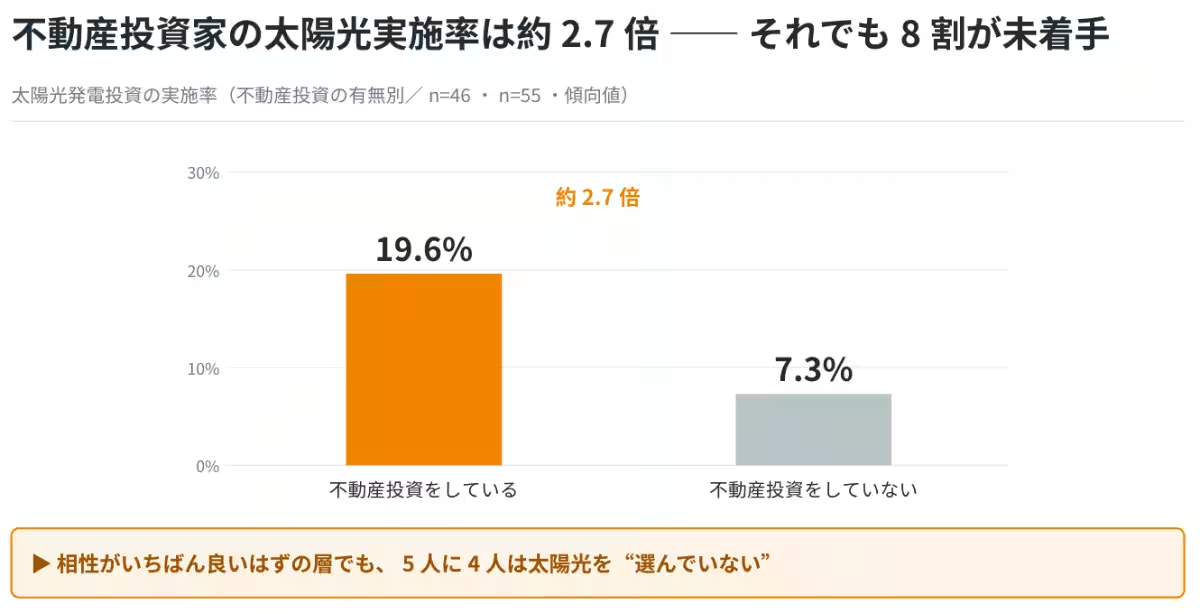
The underlying issue seems to lie with the awareness and considered evaluation. Solar investments do not receive the same attention as more traditional investment avenues. Even among real estate investors, where the potential for solar investment could be most closely aligned, a significant 80% have not ventured into solar energy. This suggests that the knowledge and opportunity are not entirely absent; instead, they are simply not being considered as viable options.
Bridging the Information Gap
SOLSEL aims to shed light on these critical gaps by recognizing that solar energy investments are not being reflexively considered. The challenge lies in creating an awareness framework comparable to NISA, where information flows seamlessly to potential investors. Providing clear, accessible data on solar investments—such as operational efficiency, potential returns, and tax implications—can encourage broader consideration and engagement.
The Role of SOLSEL
SOLSEL’s model facilitates the connection between buyers and sellers of secondhand solar energy plants that are already operational. By offering not just information but practical tools for comparison and assessment, SOLSEL seeks to generate interest among investors who might otherwise overlook solar energy investments. They acknowledge that engaging in solar investments involves more than just processing information; it requires a shift in recognition that these options are worth considering.
Conclusion
The disconnect between investor interest and actionable knowledge indicates a significant opportunity for educational outreach and communication initiatives. The awareness gap presents challenges, but also avenues for growth in the realm of solar investments. To leverage the potential of solar energy as a sound investment, the narrative must evolve from one of obscurity to prominent consideration in the minds of potential investors. SOLSEL is committed to leading this charge, helping investors understand their choices and make informed decisions about their financial futures.
For those interested in exploring solar energy investments, SOLSEL provides resources for learning more about how to navigate this exciting and profitable avenue. From free educational guides to personalized consultations, they are here to help investors take the steps necessary to diversify their portfolios and explore the benefits of solar energy. Visit SOLSEL to discover more!
Topics Consumer Products & Retail)


【About Using Articles】
You can freely use the title and article content by linking to the page where the article is posted.
※ Images cannot be used.
【About Links】
Links are free to use.