



Analyzing the Relationship Between Height and Marriage Rates in Japan's Dating Scene
Height and Marriage: Insights from IBJ's Recent Data
A groundbreaking study conducted by IBJ, headquartered in Shinjuku, Tokyo, has shed new light on the often-discussed relationship between height and marriage rates in Japan. Analyzing data from over 19,000 couples, the findings reveal that the commonly held belief of taller men having better prospects in marriage may not hold true past a specific height.
Key Findings
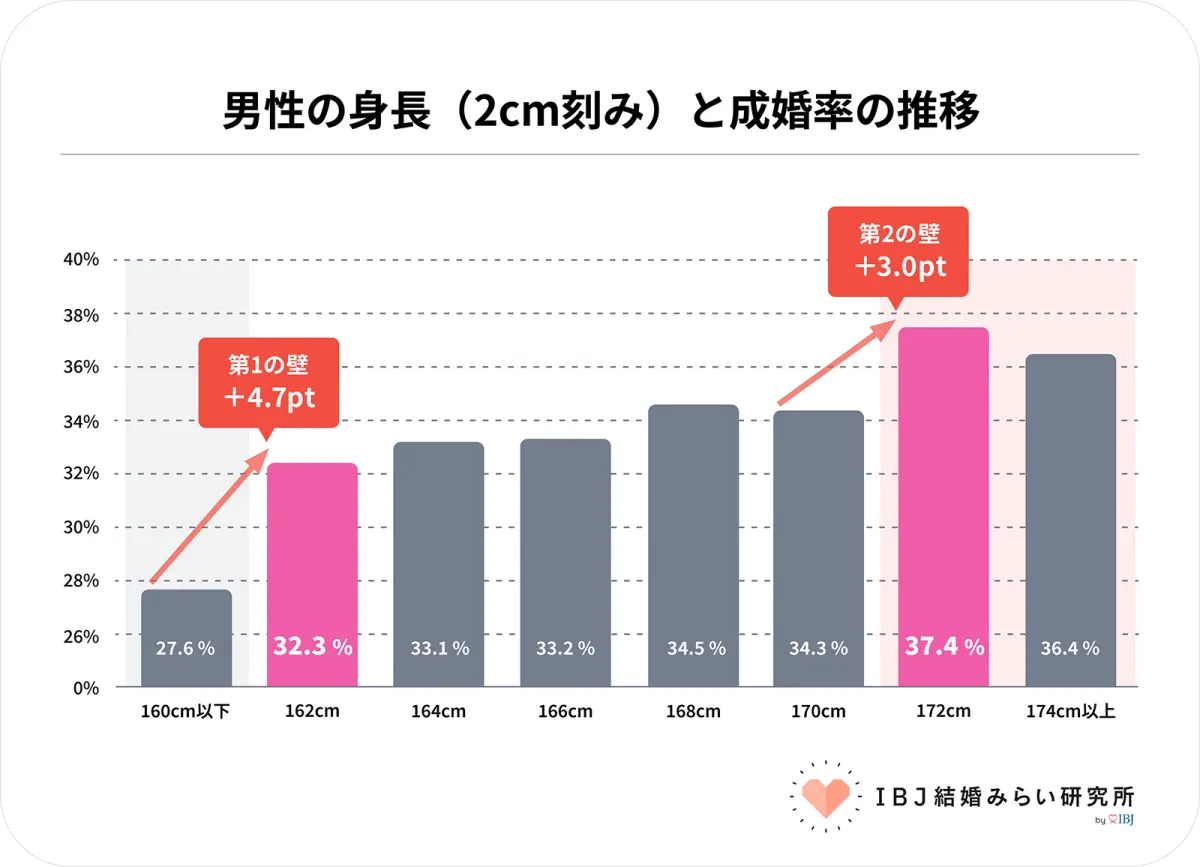
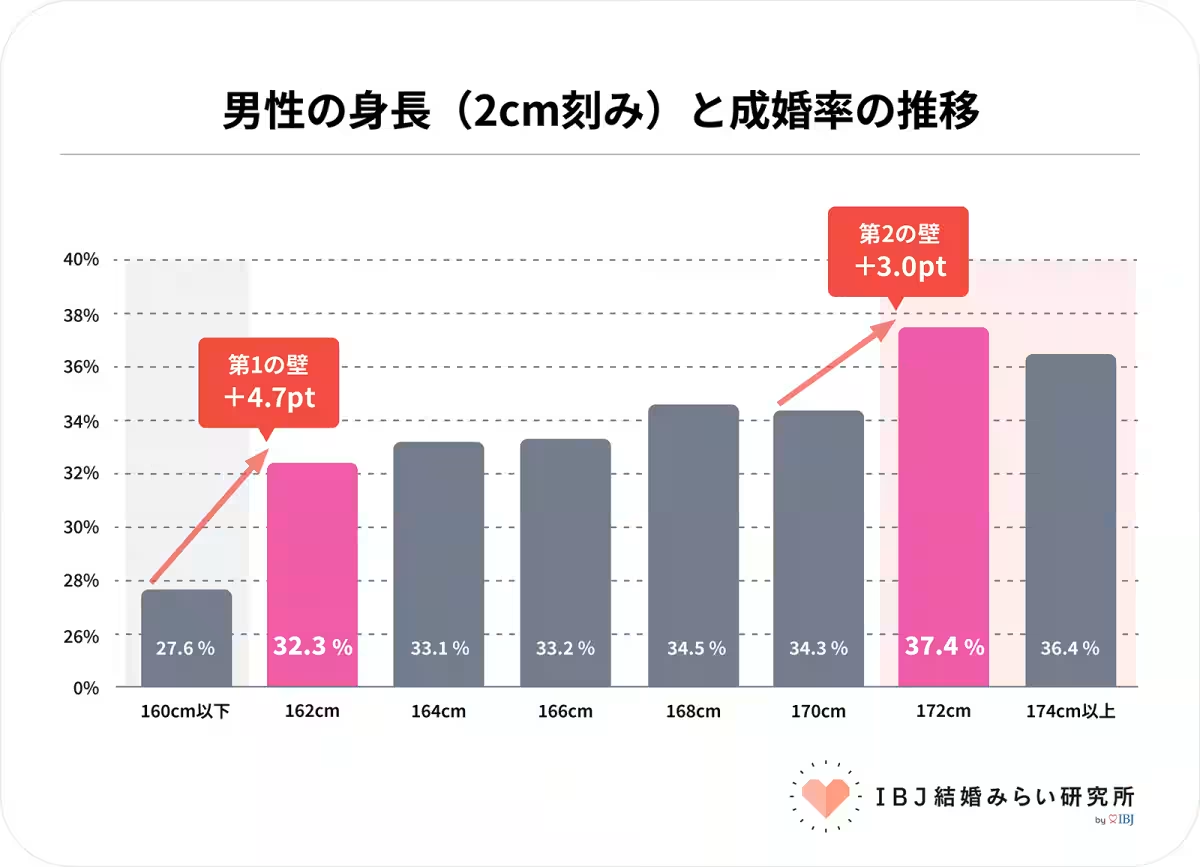
The analysis indicates that for men, the marriage rate plateaus at around 172cm. In fact, the study showed that heights beyond this benchmark do not significantly increase the probability of getting married. According to the data,:
- - 162cm marks a notable increase in marriage likelihood, rising from a 27.6% rate for those below that height to 32.3% once reaching 162cm.
- - At 172cm, the marriage rate rises to 37.4%, up from the previous 32-35% range for men below this height.
Despite towering heights being assumed advantageous, the findings indicate that once a man surpasses the 172cm mark, the marriage rates remain nearly static, suggesting a different perspective on the importance of height in relationship dynamics.
The Significance of Height Differences
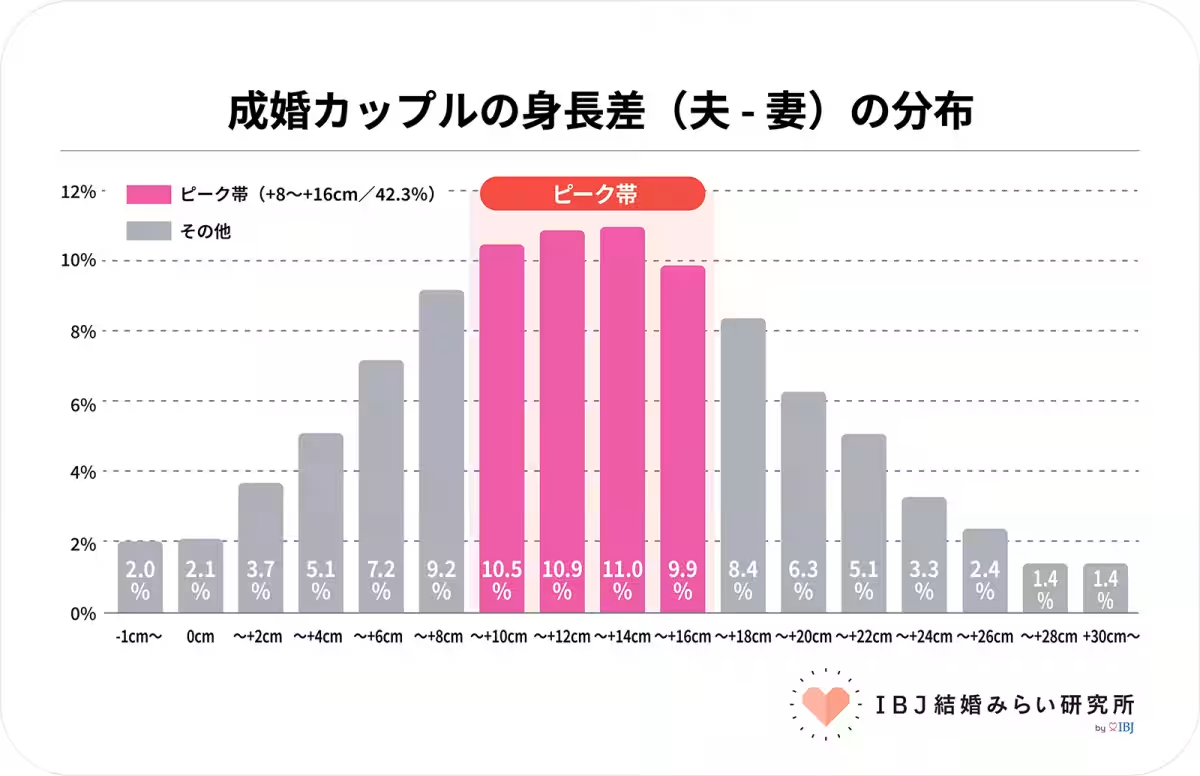
The data also highlights the importance of height differences in marriages. Couples where the husband is taller by 13 to 14cm account for 11% of those analyzed, indicating that the balance between partners can be just as crucial. The overall findings suggest that a height difference—especially moderately favorable for both partners—plays a significant role in attraction, rather than being solely about the man's height.
Economic Factors at Play
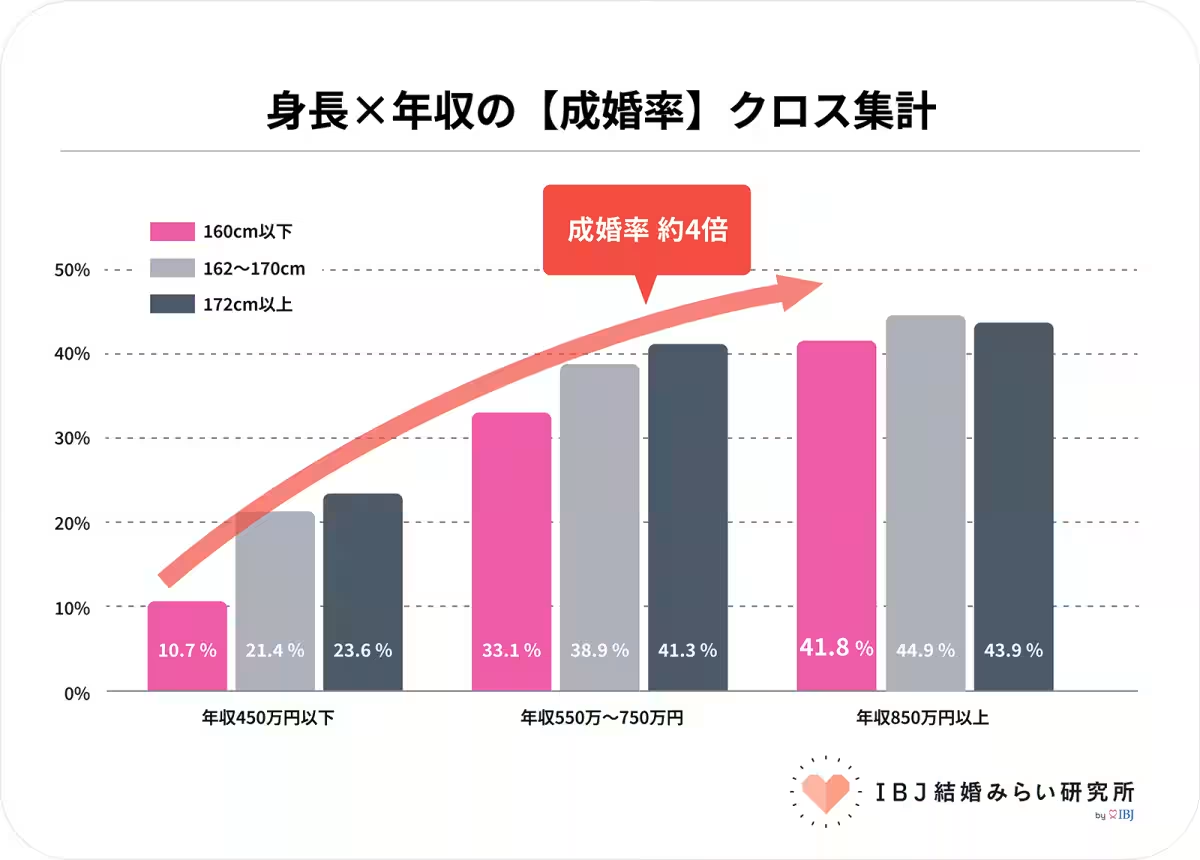
Another crucial insight from IBJ's findings is the interplay between income levels and height's impact on marriage success. The research shows that as men's incomes rise, the height-related disparities in marriage rates diminish. For instance:
- - Men earning below 4.5 million yen show a stark contrast in marriage rates, where those below 160cm sit at 10.7%, compared to 23.6% for those above 172cm.
- - At higher income levels (above 8.5 million yen), the marriage rates for shorter individuals soar to 41.8%, nearly equating to the 43.9% rate of their taller counterparts.
This finding emphasizes how financial stability can overshadow physical characteristics in the quest for companionship, highlighting a shift toward valuing personality and economic security over mere appearances.
Conclusion
In summary, IBJ's data indicates that while height can influence attractiveness, factors such as economic stability and balanced partner dynamics play a more substantial role in successful marriages. The ideal height difference of 13 to 14cm correlates with satisfying relationship dynamics, suggesting that personal compatibility cannot be overlooked.
As IBJ continues to analyze trends within matrimony, future reports will delve into topics such as the impact of BMI on marriage success and the characteristics of individuals marrying within three months of engagement, further illuminating the complexities of modern relationships.
For more insights, visit IBJ's Marriage Research Institute.

Topics People & Culture)
【About Using Articles】
You can freely use the title and article content by linking to the page where the article is posted.
※ Images cannot be used.
【About Links】
Links are free to use.