




The Reality of Workwear Care: Insights from Modern Workers on Cleaning Challenges
The Reality of Workwear Care: Insights from Modern Workers
In an age where appearance can significantly influence professional success, the challenge of maintaining workwear has become a pressing issue for many employees. A recent survey conducted by White Plus Co., Ltd., which provides the delivery cleaning service 'Lenet', assessed the clothing care habits of 2,000 employees aged between their teens and sixties throughout Japan. The results unveil a complex landscape where the responsibility for clothing maintenance increasingly rests on individuals, often leading to stress and inconsistency in appearance.
Key Findings
The survey, conducted on July 15, 2025, revealed several critical insights:
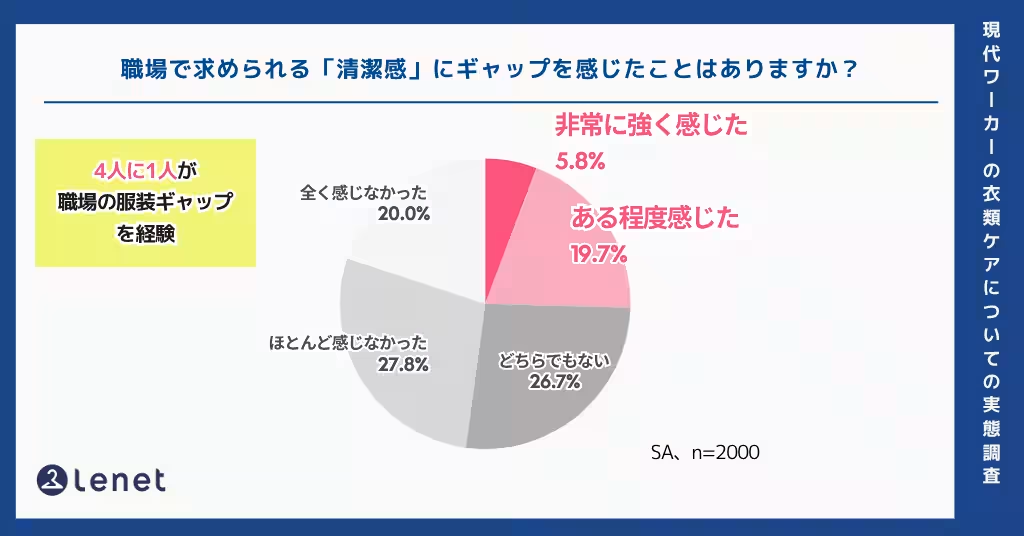
- - A notable 25.5% of respondents experienced a gap in their expectations of the cleanliness and visual impression of work attire after starting their jobs.
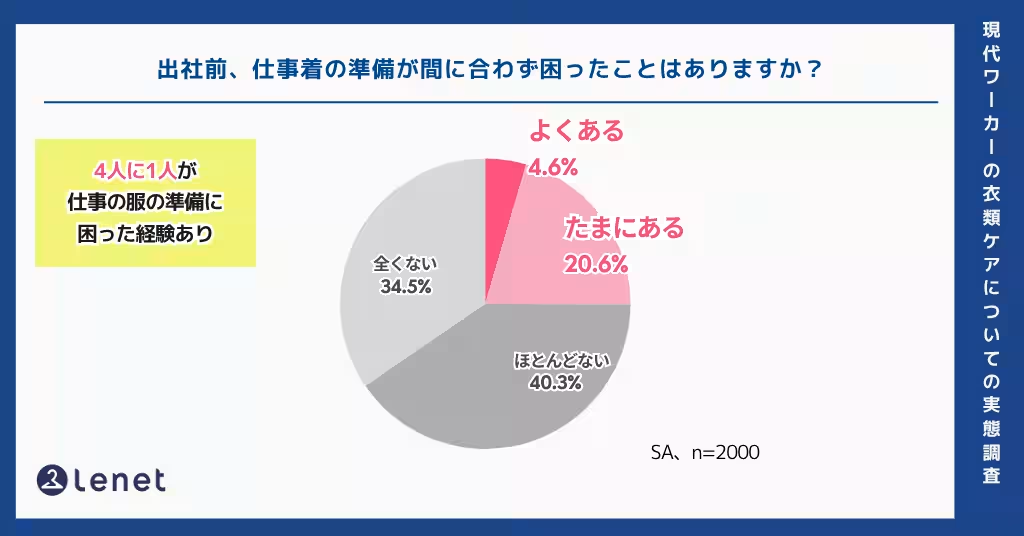
- - Additionally, 25.2% admitted struggling to prepare their work clothes before heading to the office, reflecting shifts in work patterns and the rise of remote work.
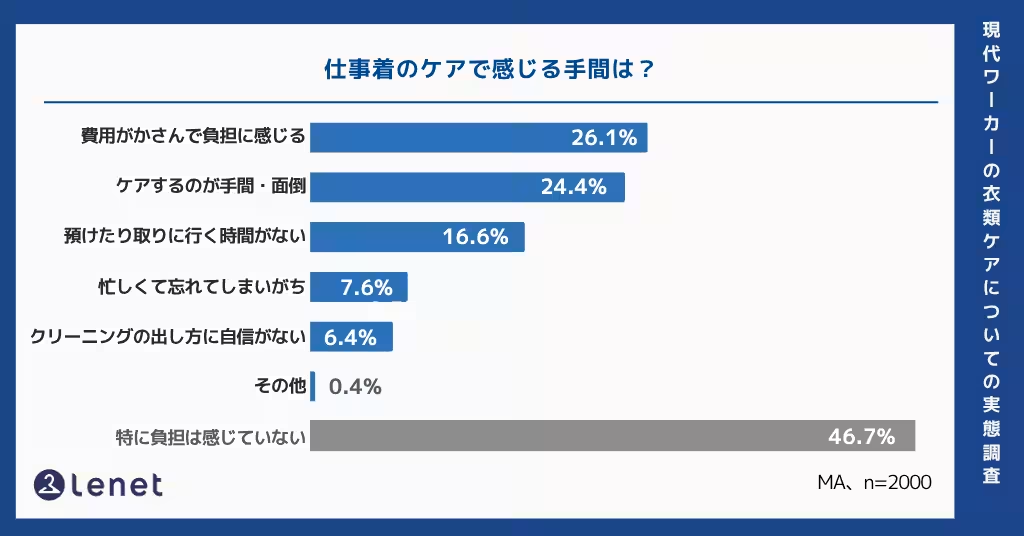
- - Over half of the participants (53.3%) expressed feeling some level of burden regarding clothing care, with cost (26.1%) and the hassle (24.4%) being the most cited concerns.
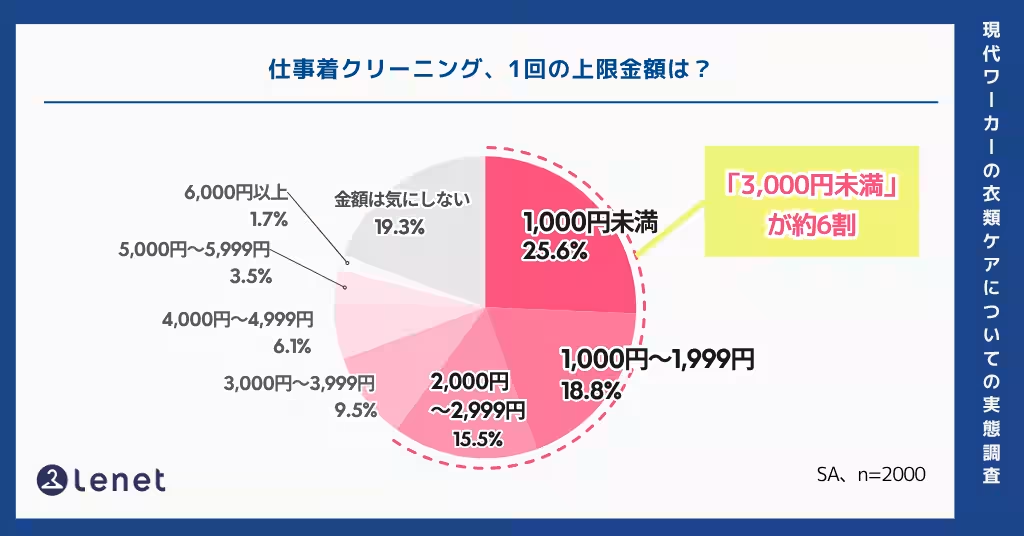
- - When it comes to the acceptable cost for a single clothing cleaning service, approximately 60% indicated a preference for amounts under 3,000 yen, although 19.3% stated they would not mind spending more if quality and convenience were prioritized.
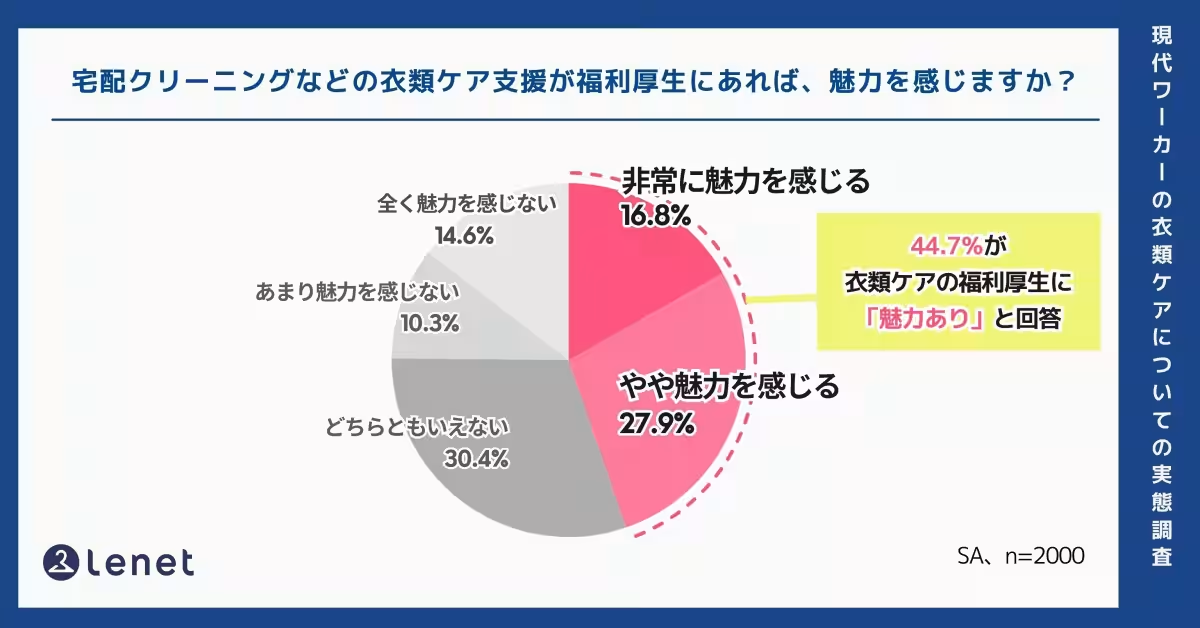
- - Furthermore, 44.8% of those surveyed found the idea of clothing care as an employee benefit appealing, while 24.9% did not share this sentiment.
Shifting Attitudes Toward Workwear
The transition from formal business attire, such as suits worn daily, to a more casual and flexible dress code highlights a notable transformation in work culture. Many employees, especially younger ones, are left to navigate unspoken dress codes and expectations. This uncertainty can lead to anxiety regarding their appearance, as they wonder 'What should I wear?' or 'How does my clothing affect perception?'. As corporate environments evolve, so do the expectations around how employees present themselves.
Employee appearance not only impacts personal confidence but also influences others' perceptions, potentially affecting professional relationships and opportunities. Therefore, understanding this nuance is essential for organizations aiming to cultivate a positive workplace atmosphere.
Clothing Preparation Challenges
Interestingly, a significant proportion of employees reports last-minute crises regarding their work attire; 25.2% confessed to having difficulties preparing their work clothes. While this situation is worsened by reduced office attendance, it also underscores the necessity for structured support within organizations regarding clothing management. Companies might need to rethink policies contributing to this stress.
Burdens of Clothing Care
The survey results illustrate that managing workwear isn't just a logistical challenge but a financial one as well. Many employees find the cost and time associated with clothing maintenance burdensome. The dual concerns of expenses and effort required to manage their work attire significantly affect their daily routines. Notably, some survey participants lack confidence in how to properly manage cleaning, leading to further reluctance.
Interestingly, while approximately 46.7% of respondents reported not feeling burdened by clothing care, those who do experience stress commonly favor systemic solutions from their employers, which indicates a demand for support.
Acceptable Costs for Cleaning
Approximately 60% of participants outlined their ideal price point for clothing cleaning services as being under 3,000 yen. This range reflects both a desire for affordability and shows varying attitudes towards spending on clothing maintenance, with some willing to invest more for a premium experience. Recognizing this diversity in employee perspectives on clothing care costs can guide employers in establishing supportive policies.
Employee Benefits and Support
When asked about potential support for clothing care as part of an employee benefits package, nearly 45% expressed interest in services like delivery cleaning. However, there remains a significant proportion of employees who are indifferent or unaware of such programs, indicating that while a solid majority appreciates these benefits, further clarity and promotion are necessary.
Conclusion
Overall, maintaining clean and presentable workwear is crucial for employee confidence and success in the workplace. Yet, many workers still find this responsibility to be individually managed, often leading to financial and mental strain. Addressing these conditions through company initiatives that ease the burden of clothing care could foster a healthier work environment. As perceptions of appearance continue to evolve in the workplace, providing structured support in clothing maintenance can take on a new significance, aligning corporate values with employee needs and modern work trends.
If you're interested in learning more about how Lenet's delivery cleaning services could transform your employee's clothing care experience and support workplace confidence, feel free to visit our website.





Topics Consumer Products & Retail)
【About Using Articles】
You can freely use the title and article content by linking to the page where the article is posted.
※ Images cannot be used.
【About Links】
Links are free to use.