



Okayama University President Talks About Reforming University Management Towards Research Excellence
Reforming University Management for Research Excellence
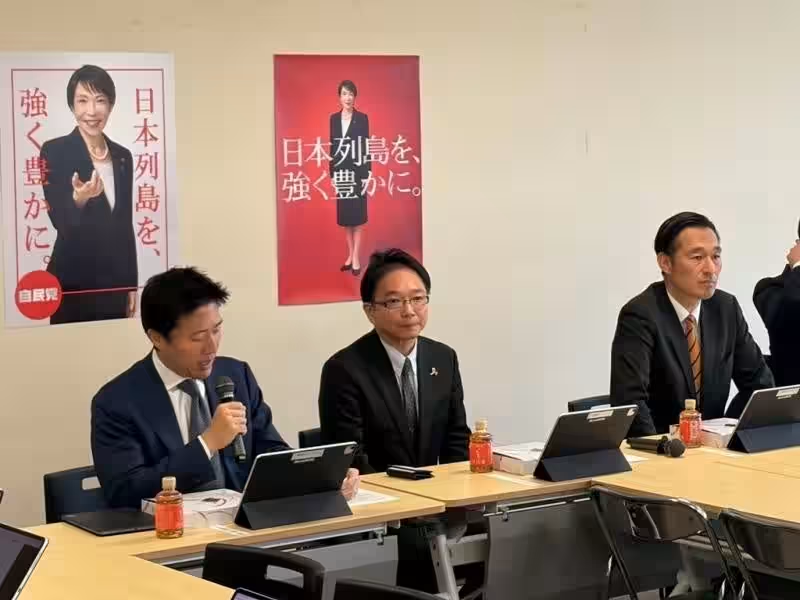
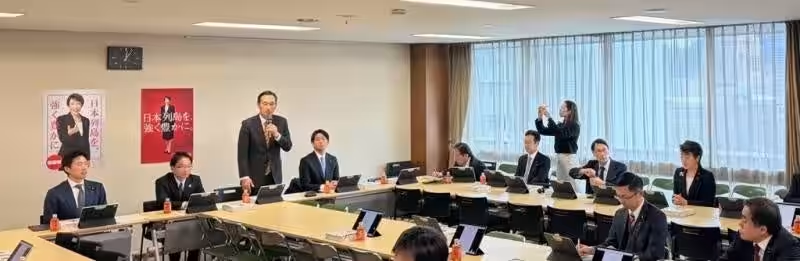
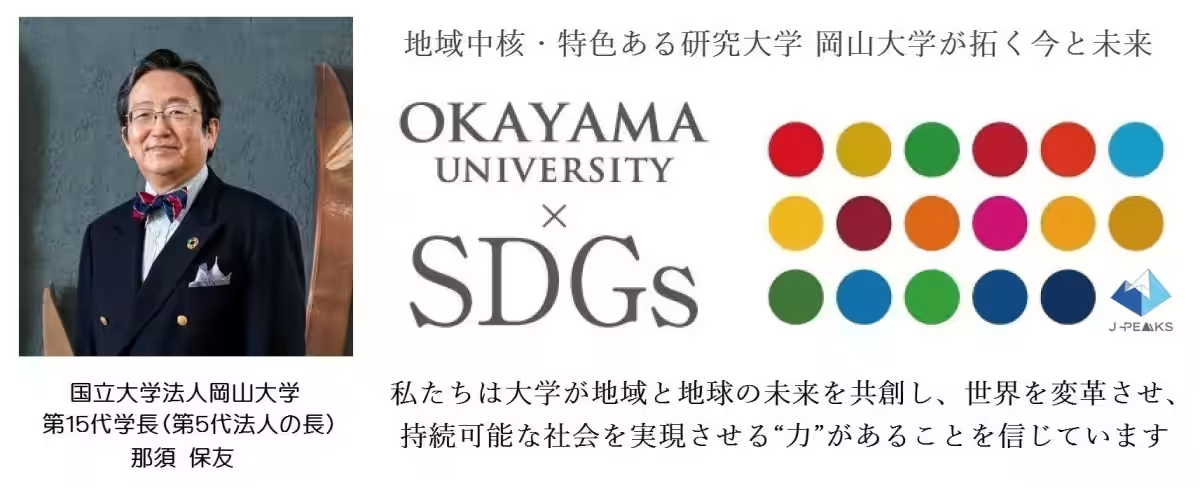
On February 16, 2026, President Yoshitomo Nasu of Okayama University delivered a presentation at a joint meeting organized by the Liberal Democratic Party in Tokyo. His discussion centered on reforms aimed at transforming the management of national universities to enhance research capabilities. This event was attended by about 20 members of the Diet affiliated with the LDP, emphasizing its importance in Japan's educational landscape.
The meeting commenced with a briefing from the Ministry of Education, Culture, Sports, Science and Technology on the current status of science and technology reform initiatives. Following the briefing, President Nasu presented his vision for Okayama University as a leading research institution, articulating a shift from traditional operational models to a management-driven approach.
Key Highlights of the Reform
Nasu outlined several decisive reforms that he believes are essential for fostering a forward-thinking academic environment:
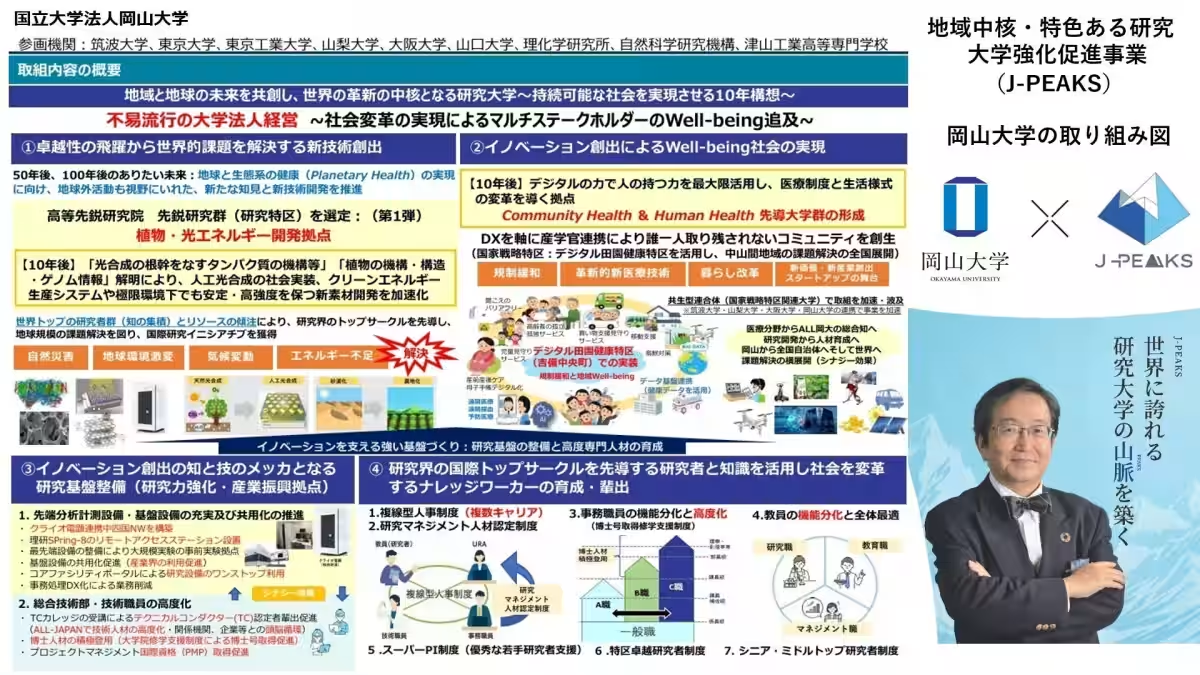
1. Transformation of Governance: A proposal to eliminate dual roles for directors, emphasizing the need for dedicated professional managers in university administration. This would involve elevating the status of technical staff and introducing policies like the 'Technical Manager System', aimed at empowering non-faculty staff within academic settings.
2. Strengthening Research Infrastructure: Nasu advocated for innovative cost-saving measures, including the shared rental of research instruments through the Shared Transformation (SX) platform. This initiative is anticipated to cut costs while ensuring that researchers have access to modern tools and equipment.
3. Shifting Perspectives on Security: In light of the increasing challenges to national security, Nasu encouraged a more balanced discourse regarding universities' capabilities in addressing both what can and cannot be accomplished. This involves establishing an integrated framework for decision-making and strategic planning that aligns with national interests.
Throughout the presentation, a lively exchange of ideas followed, with many attending lawmakers expressing keen interest in Okayama University's approaches to these pressing issues. This included a greater emphasis on the sustainability of university operations amid evolving educational demands.
Moreover, key figures from Okayama's Research Innovation Co-Creation Organization were present, contributing to discussions on how to implement these reforms effectively. Key members included Masaki Kawamoto and Takamichi Matsumoto, who shared their experiences with the university's research support structures and innovations.
As a recipient of governmental support through the 'Regional Core and Characteristic Research University Promotion Project (J-PEAKS)', Okayama University remains committed to proactive engagement in reshaping higher education while contributing to the enhancement of Japan’s research landscape. The promise and potential of the 2050 long-term vision continue to drive the university’s initiatives towards becoming a leader in research and innovation.
In summary, President Nasu’s presentation was not just about reforming university management; it highlighted the broader vision of establishing Okayama University as a vibrant hub for collaborative research and innovation. The university is set to strengthen its commitment to not only academic excellence but also regional and global concerns, aligning itself with Japan's ambitious educational and technological aspirations. Expectations are high as Okayama University embarks on this transformative journey.


Topics Other)





【About Using Articles】
You can freely use the title and article content by linking to the page where the article is posted.
※ Images cannot be used.
【About Links】
Links are free to use.