



Managing Finances in the Era of Rising Prices: Insights from Japanese Housewives
Managing Finances in the Era of Rising Prices: Insights from Japanese Housewives
In the context of increasing prices and rising utility costs, managing household finances has become a pressing issue for many Japanese housewives. A recent survey conducted by Crecari, a Tokyo-based company, targeting housewives focused on financial savings and management.
Survey Overview
- - Period: July 4 to July 9, 2025
- - Method: Internet survey by PRIZMA
- - Participants: 1,003 respondents identified as actively working on saving and managing household finances
Given the pressure on household budgets, how are housewives adjusting their spending to cope?
Key Findings: Saving Strategies
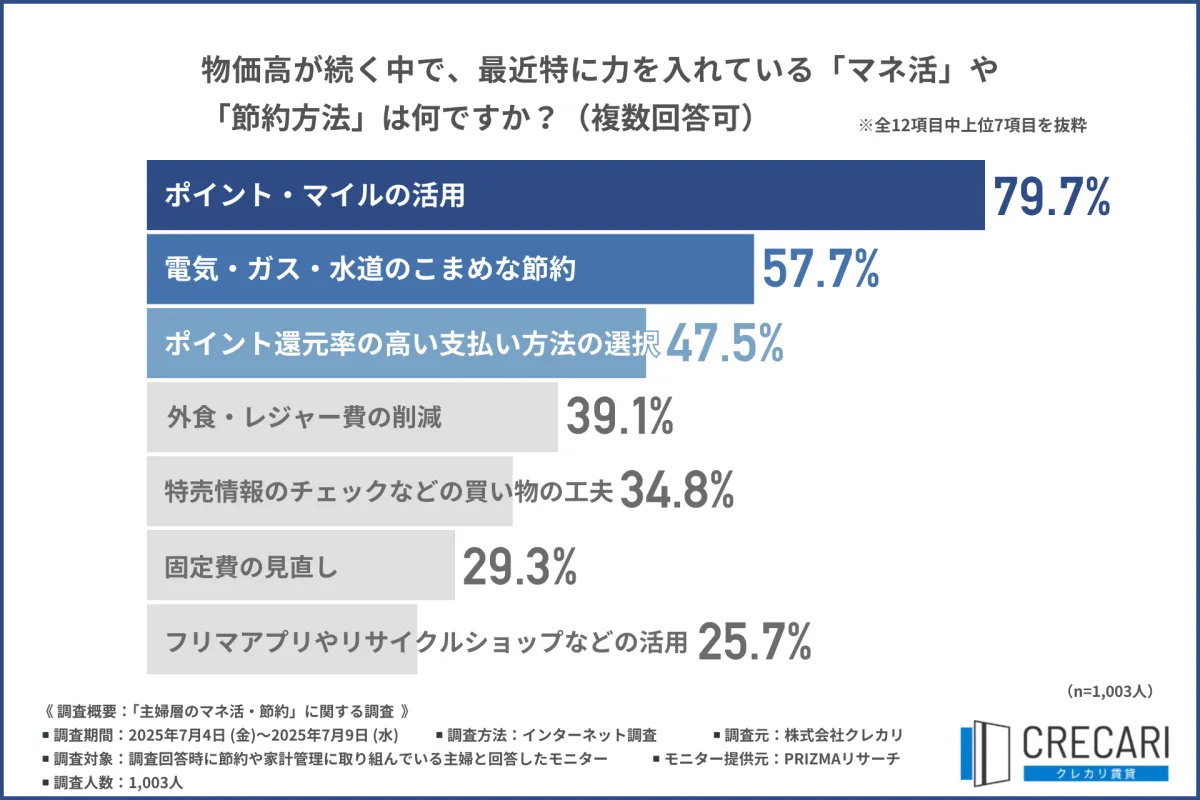
The survey asked participants about strategies they are focusing on due to rising prices. The results shared insightful findings:
1. Maximizing Points and Miles: An impressive 79.7% of respondents are utilizing points and miles to their advantage.
2. Utility Savings: 57.7% are actively reducing electricity, gas, and water usage.
3. Choosing High-Return Payment Methods: 47.5% report selecting payment methods that offer high point returns.
These results showcase two primary approaches women are adopting: they actively engage in saving through point maximization and careful management of essential expenses like utilities to reduce everyday costs. This method is particularly appreciated as it not only alleviates financial burdens but does so in a fun and rewarding way.
Changing Consumer Habits
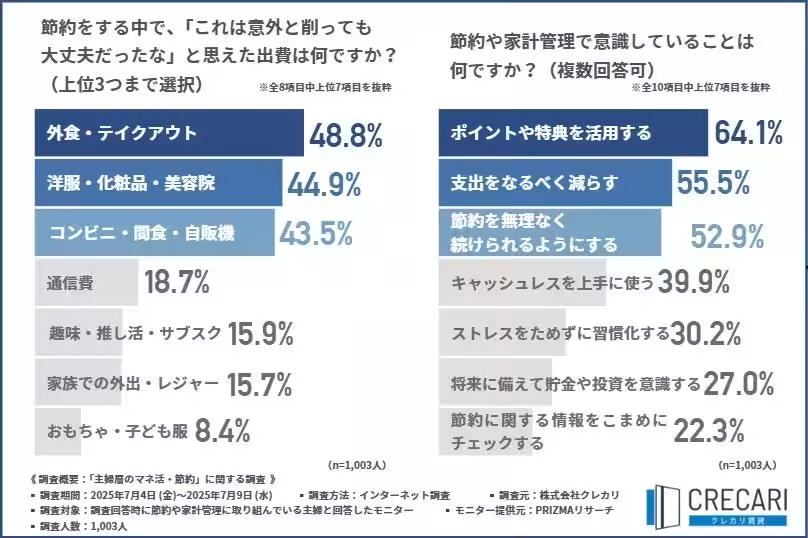
The results demonstrate a notable shift where housewives are looking to incorporate savings naturally into their lifestyles. They have identified categories to cut back on, including:
- - Dining Out & Takeout (48.8%)
- - Clothing, Cosmetics & Haircuts (44.9%)
- - Convenience Store Purchases (43.5%)
This indicates a growing awareness of non-essential spending versus the essentials. Many participants noted that dining out is particularly easy to reduce, thus it has been a primary target for cutting costs.
Maintaining Sustainability in Savings
When asked what ensures their sustainable approach to saving, participants highlighted:
- - Utilizing Benefits (64.1%)
- - Reducing Expenses (55.5%)
- - Making Savings Manageable (52.9%)
These responses show a commitment to making financial management enjoyable and feasible. The trend points towards integrating savings into their daily lives rather than viewing it as a tedious chore or obligation.
The Heavy Weight of Fixed Costs
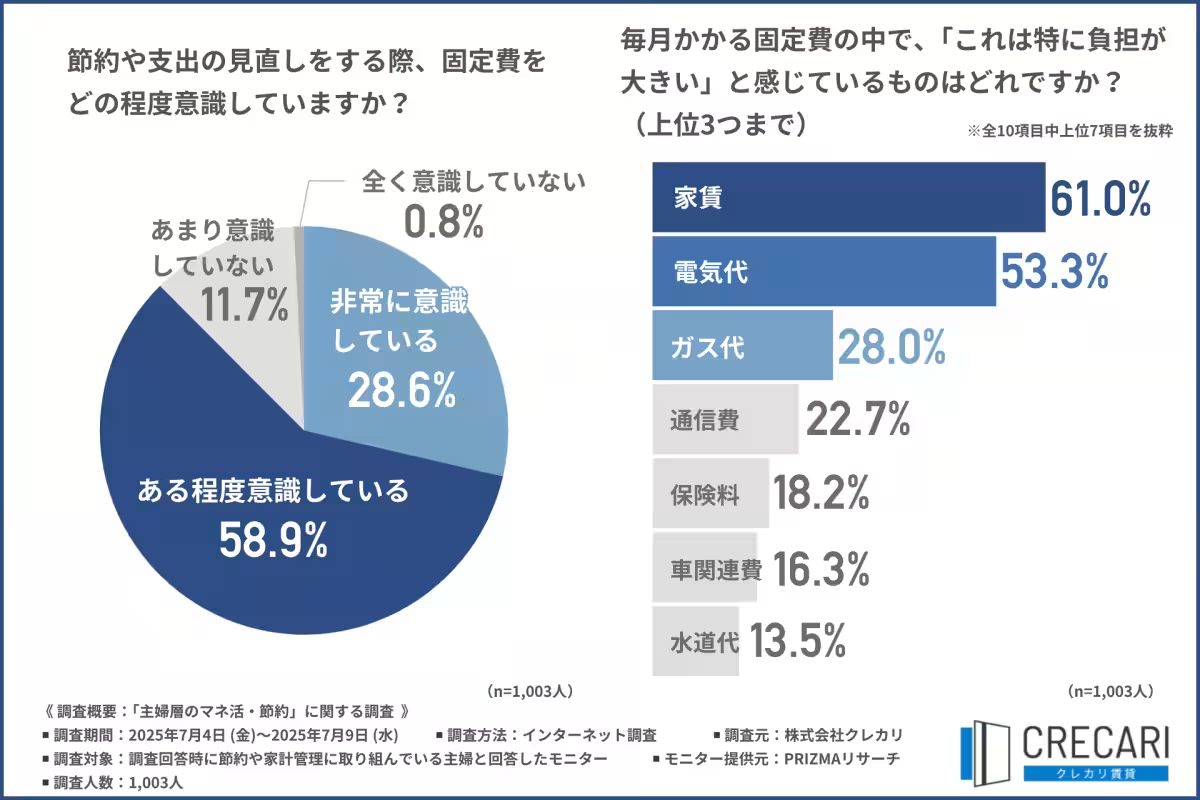
The question of fixed costs was crucial in this survey. Households are now putting significant emphasis on understanding and managing these ongoing expenses. A striking 87.5% stated they are aware of their fixed costs. When asked about which expense feels the most burdensome, rent emerged as the top concern for 61.0% of housewives, significantly outpacing utility costs (53.3% for electricity and 28.0% for gas).
Payment Methods for Rent
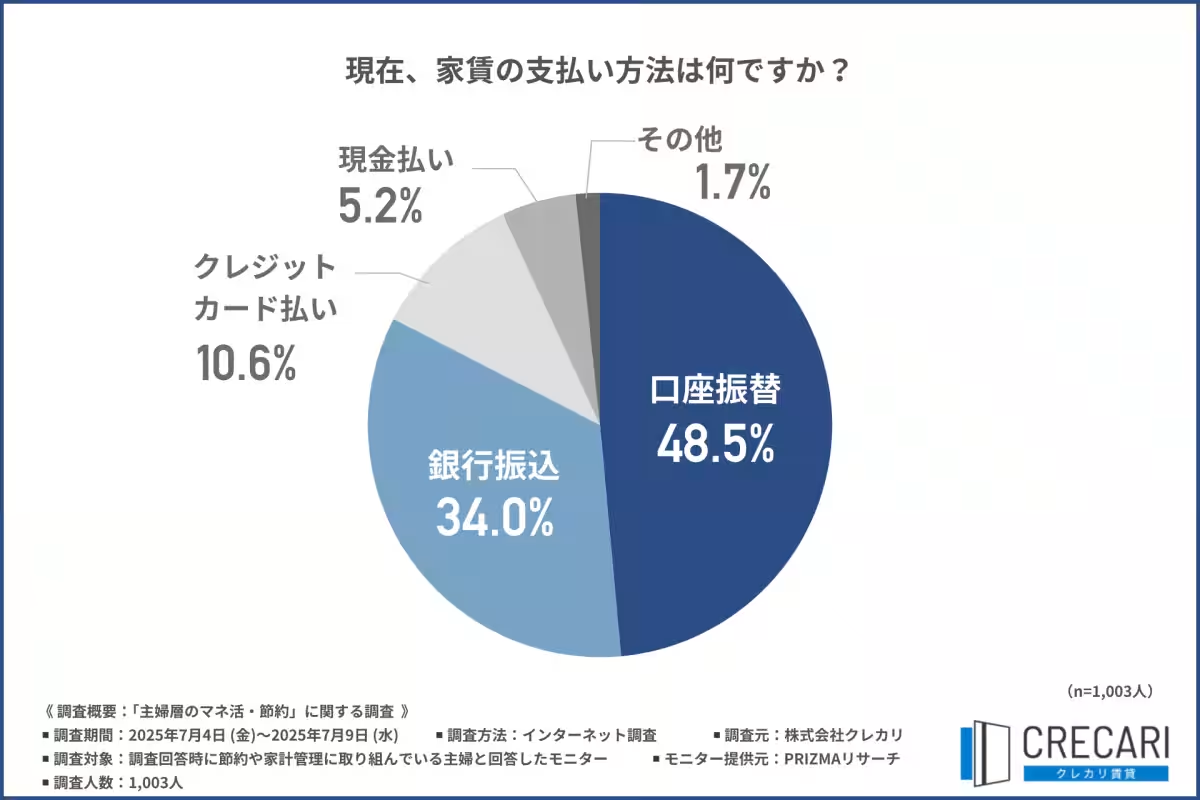
When examining current rent payment methods, most women opt to use automatic bank transfers (48.5%), while around 34.0% use bank transfers. The low adoption rate of credit cards for rent payments (around 10%) suggests a preference for traditional, reliable methods tied to habits and landlord preferences.
Interest in Credit Card Payments
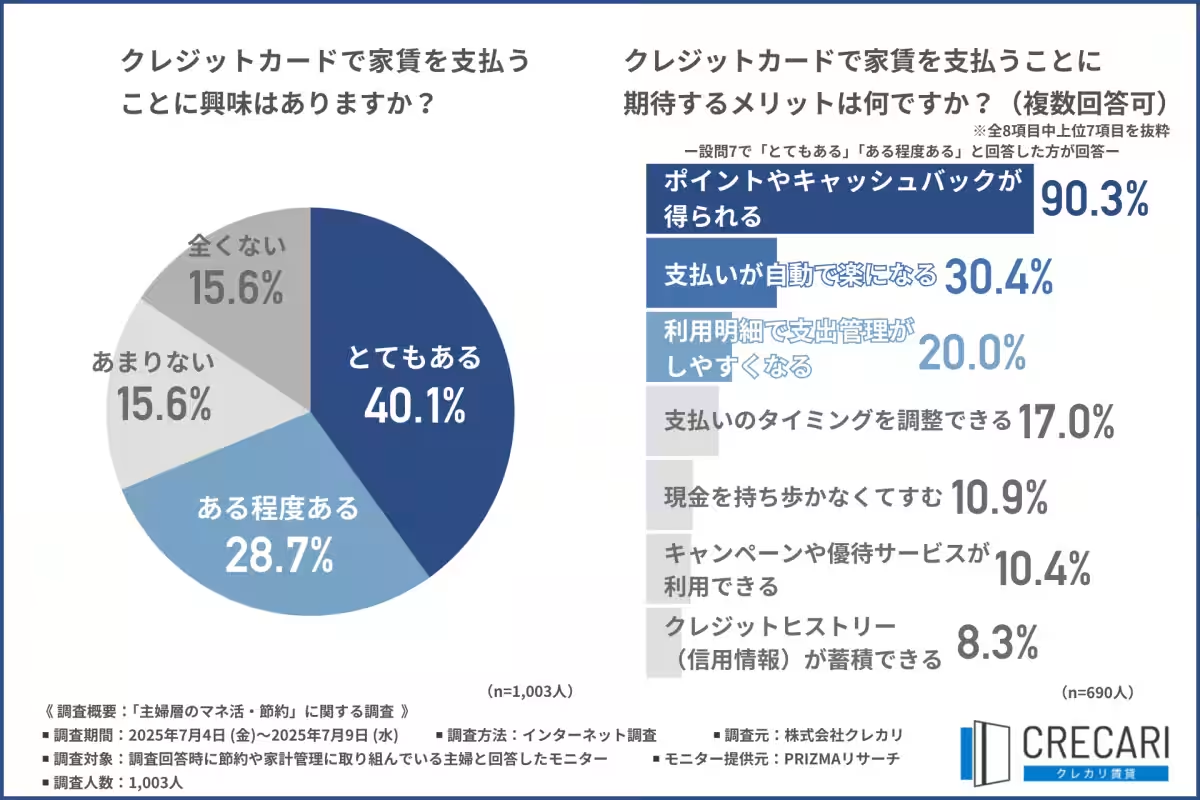
Interestingly, there is a keen interest in paying rent via credit card, with about 68.8% expressing significant or moderate interest in this method.
Housewives strongly resonate with the potential benefits of credit card payments, especially the possibility of earning points or cash back (over 90% indicated this as a key benefit). Other advantages highlighted were simplified payment processes and better expense tracking.
Alongside Benefits, Uncertainties Exist
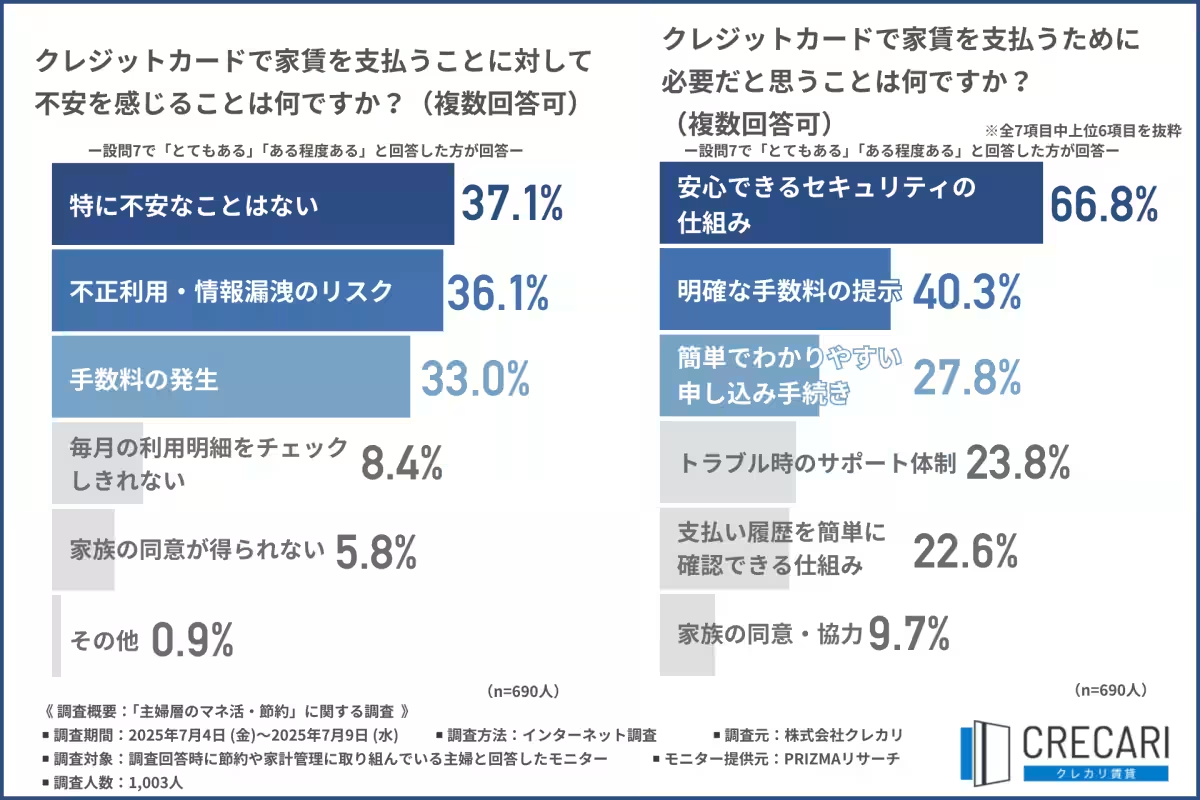
While enthusiasm exists around credit card payments, apprehensions remain concerning security and possible fees associated with credit transactions. 37.1% reported having no particular concerns, yet a significant number identified risks like unauthorized usage (36.1%) and extra fees (33.0%). These factors reflect a desire for trust and simplicity in payment processes, especially given the communal nature of managing household finances.
Conditions for Acceptance
The survey also explored what conditions housewives would require to consider switching to credit card payments for rent. Approximately 66.8% emphasized the necessity of robust security measures, while others pointed out the importance of clear fee structures (40.3%) and simple application processes (27.8%).
Conclusion
In summary, housewives are strategically navigating their finances amidst rising costs, demonstrating creativity and practicality by leveraging points and maximizing the efficiency of their spending. Their focus on controlling fixed costs, especially rent, sheds light on a critical area of household expenditure, paving the way for future innovations in payment methods.
For those looking to ease their financial pressures, Crecari offers a unique solution: allowing rent payments through credit cards—even for properties that typically do not accept them—providing a much-needed avenue for housewives to gain better control over their budgets while benefiting from rewards. For more information on this innovative service, visit Crecari.


Topics Consumer Products & Retail)
【About Using Articles】
You can freely use the title and article content by linking to the page where the article is posted.
※ Images cannot be used.
【About Links】
Links are free to use.