



Understanding Treatment Options for Axillary Hyperhidrosis: Insurance vs. Out-of-Pocket Choices
Exploring Treatment Options for Axillary Hyperhidrosis
Axillary hyperhidrosis, commonly known as body odor or excessive sweating, affects many individuals and can lead to significant distress and social anxiety. In a recent survey conducted by the IC Clinic, it was discovered that a staggering 91.3% of respondents lacked a clear understanding of the options between insurance-covered treatments and self-funded alternatives. This article delves into the findings and insights revealed by this survey, providing a comprehensive guide for those considering treatment.
Key Findings from the Survey
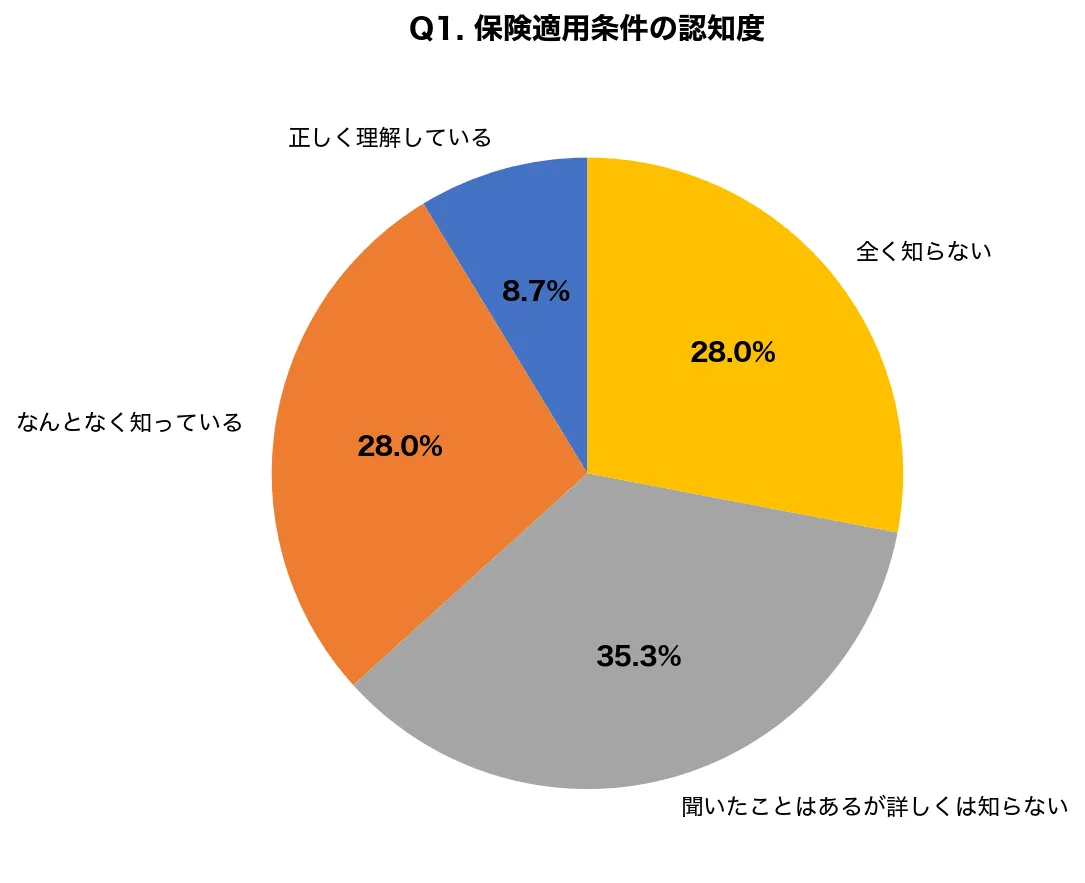
1. Few Understand Insurance Coverage: Only 8.7% of individuals responding to the survey correctly grasped the criteria under which treatments for axillary hyperhidrosis are covered by insurance. A medical diagnosis of 'axillary osmidrosis' is required for insurance to apply, which many are unaware of, particularly when it comes to the severity of their symptoms.
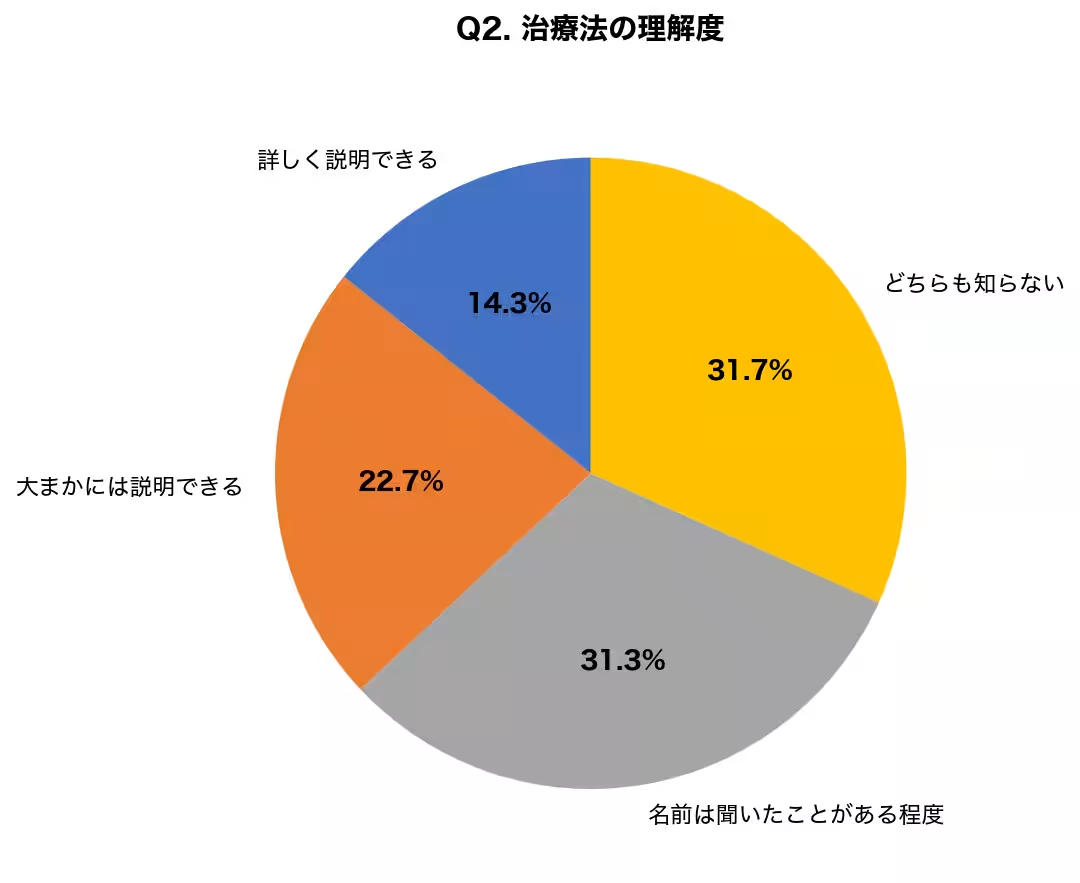
2. Limited Knowledge About Treatment Options: When asked about the differences between the two primary treatments—surgical excision (insurance-covered) and Miradry (out-of-pocket)—only 14.3% of participants could explain the distinctions. An overwhelming proportion relies on internet searches for information, which may contribute to the misconception surrounding these procedures.
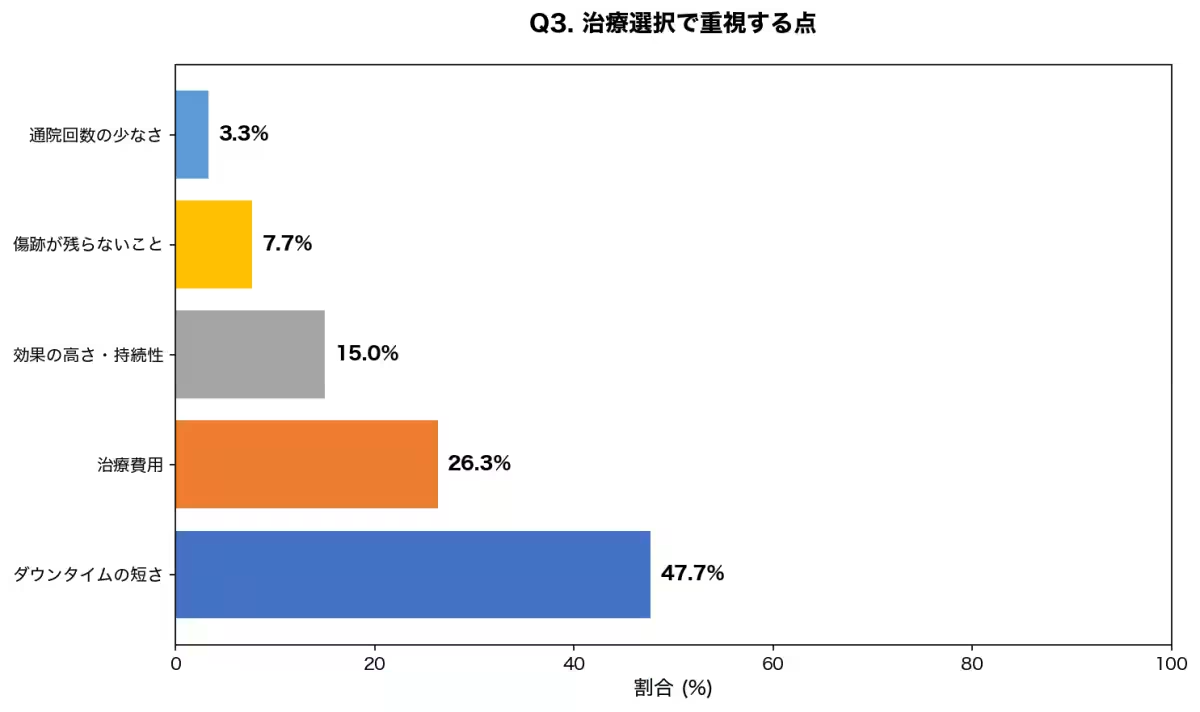
3. Preference for Shorter Downtime: The survey indicated a strong preference for shorter downtime options, with 47.7% ranking this as their top priority when selecting a treatment. However, only 15.0% prioritized long-term effectiveness and usability.
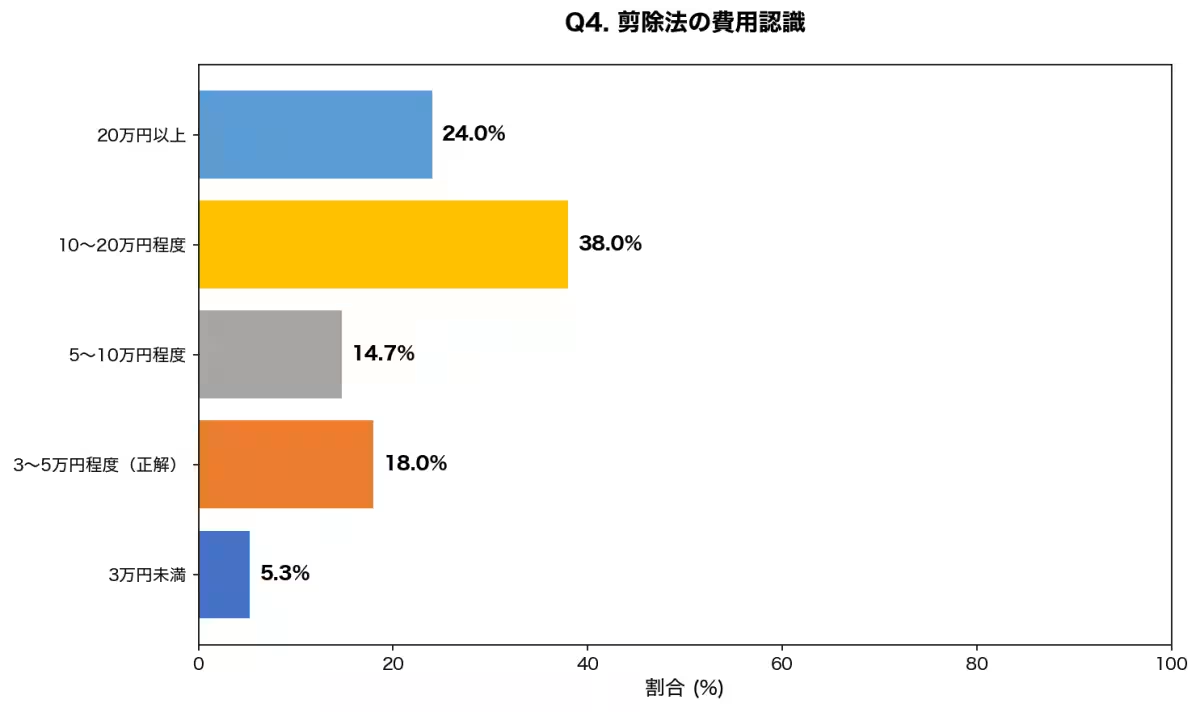
4. Misconceptions About Excision Costs: A misperception was noted where 62.0% of those surveyed believed that the patient cost for an insurance-covered excision was over ¥100,000, vastly overstating the actual typical expense of ¥40,000 to ¥50,000.
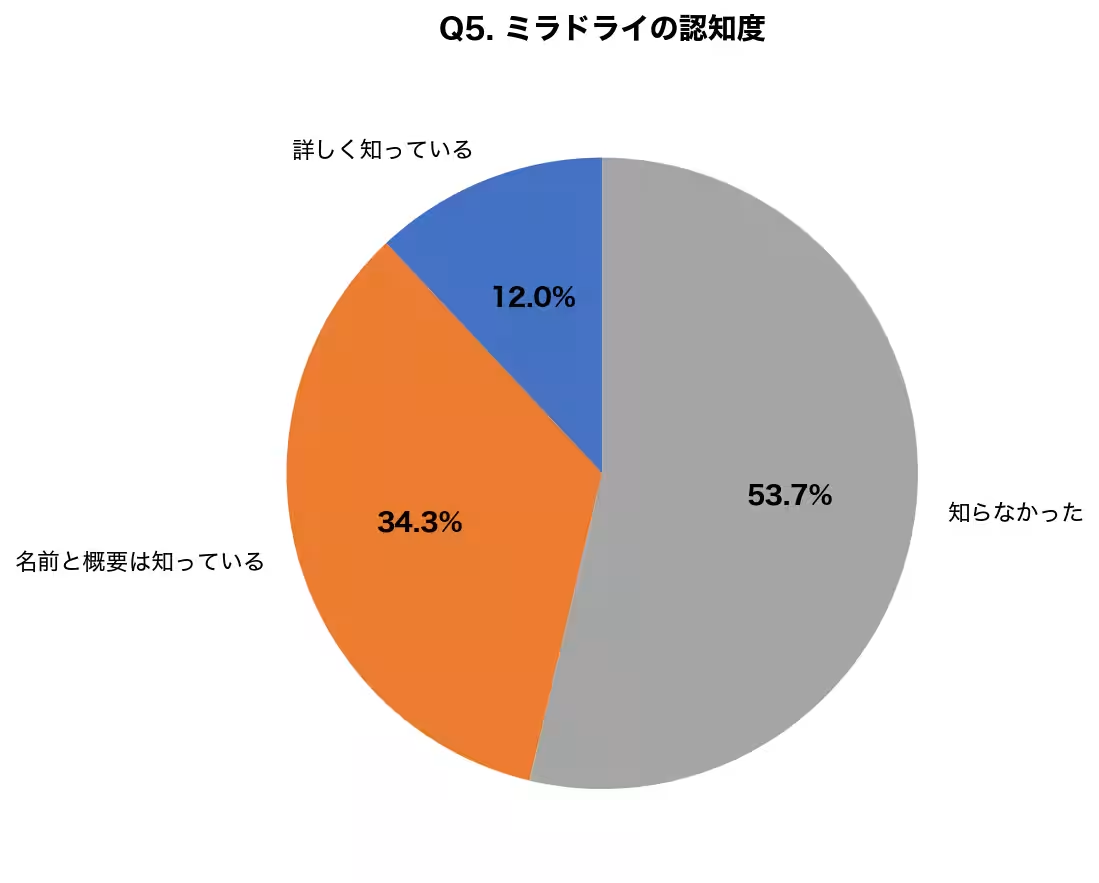
5. Lack of Awareness of Non-Invasive Options: Surprisingly, 53.7% of individuals were unaware of the Miradry treatment, which is a non-invasive technique utilizing microwave energy to destroy sweat glands without the need for incisions.
Detailed Comparison of Treatment Options
| Comparison Factors | Surgical Excision (Covered by Insurance) | Miradry (Out-of-Pocket) |
|---|---|---|
| ----- | --------- | -------- |
| Estimated Cost | ¥40,000 to ¥50,000 (30% copayment) | ¥300,000 to ¥400,000 |
| Insurance Coverage | Yes | No |
| Effectiveness | Over 90% sweat gland removal | 70% to 80% |
| Downtime | 2 to 3 weeks | 2 to 3 days |
| Scarring | 3 to 4 cm | None |
| Treatment Duration | 1.5 to 2 hours | About 1 hour |
| Follow-Up Visits | 3 to 5 visits | 1 to 2 visits |
| Bathing Restrictions | 1 week | Shower on the same day |
| Work Return | 1 week for desk work | Return next day |
| Recurrence Risk | Very low | 10% to 20% |
*sourced from over 2,000 axillary hyperhidrosis treatments conducted by the clinic's supervising physician.
Excision vs. Miradry
The choice between surgical excision and Miradry should be rooted in a clear understanding of individual conditions and lifestyle needs. Excision remains a proven method with a high removal rate. However, it comes with an extended recovery time and visible scarring. Conversely, Miradry offers a non-invasive solution with minimal downtime, appealing to individuals who need a quicker return to normal activities.
Conclusion
The survey underscores a significant knowledge gap regarding the treatment options available for axillary hyperhidrosis. Many are unaware of the costs associated with insurance-covered treatments or the existence of non-invasive options. It is crucial for potential patients to be informed about their conditions and accurately assess both treatment types. Consulting with a medical professional who specializes in such conditions is recommended to ensure the most beneficial decision is made, tailored to the individual’s unique symptoms and lifestyle preferences.
Medical insights from Dr. Kōta Takakuwa, an expert in dermatological surgery, suggest that regardless of the treatment type, a thorough evaluation of one’s symptoms and circumstances is essential for achieving optimal results. The key takeaway for those suffering from axillary hyperhidrosis is to seek information beyond fragmented sources and engage with healthcare professionals for a more accurate understanding of their treatment choices.
Topics Health)
【About Using Articles】
You can freely use the title and article content by linking to the page where the article is posted.
※ Images cannot be used.
【About Links】
Links are free to use.