



Understanding Guilt Around Sweets During Valentine's Day: A Call for Personalized Nutrition Advice
The Unseen Guilt of Sweets During Valentine's
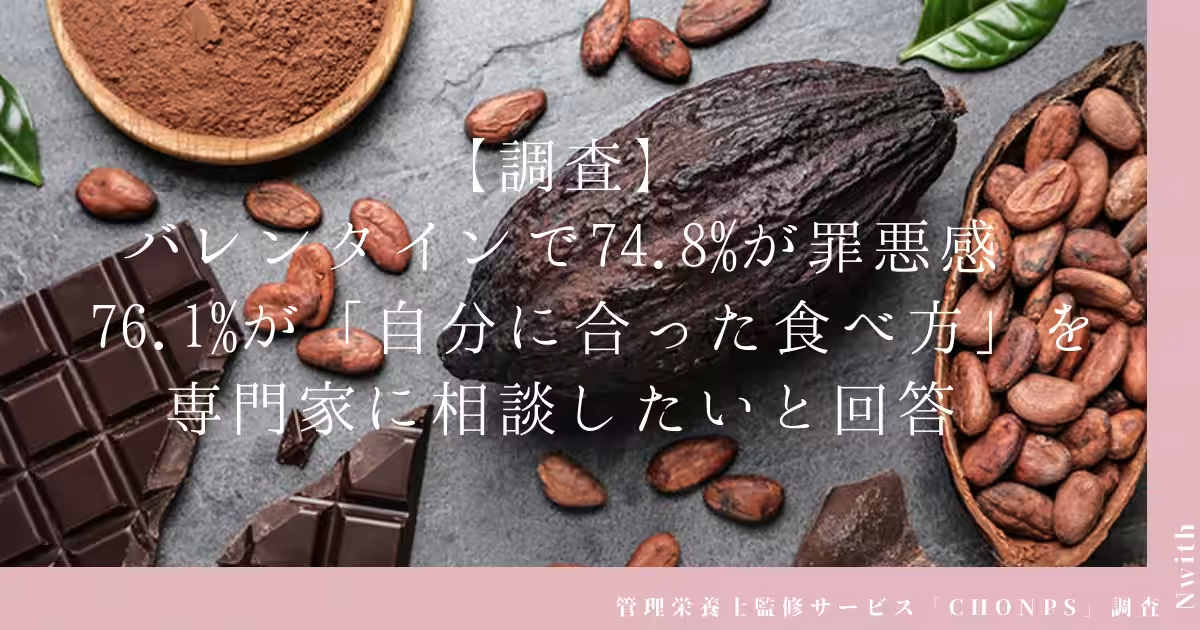
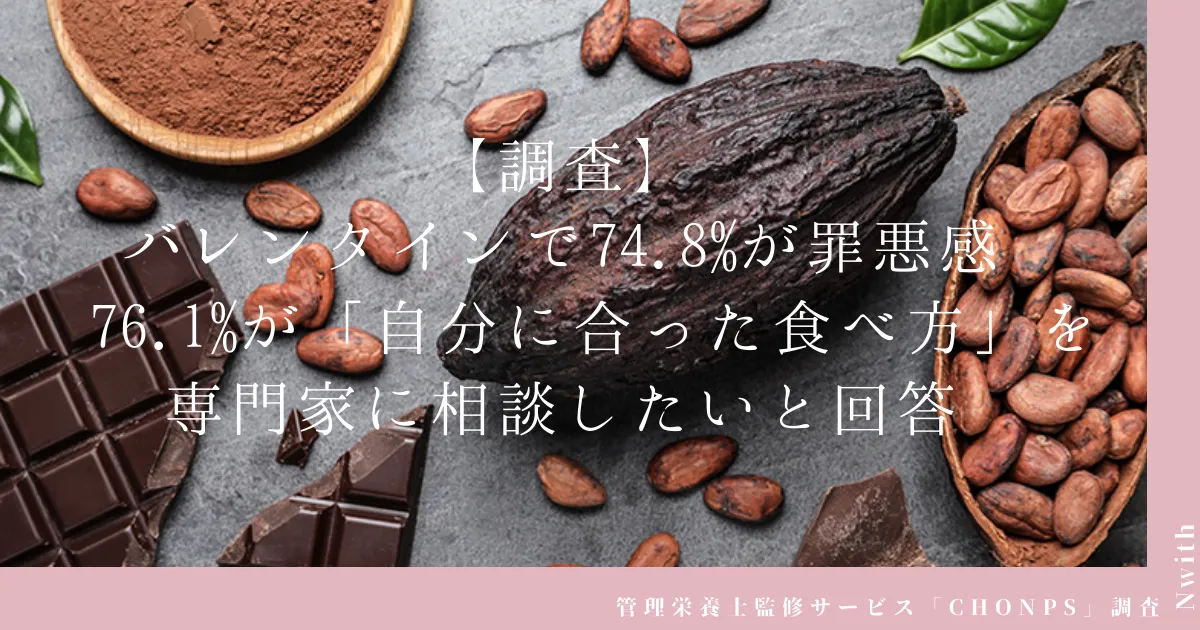
A recent survey conducted by Nwith has uncovered a notable concern among individuals aged 20 to 60 regarding their eating habits during the Valentine's season. With 74.8% expressing feelings of guilt surrounding sweets, it's evident that there's a growing need to address these emotions through personalized nutritional guidance. This article delves into the insights revealed by the survey and highlights the importance of understanding our relationship with food, particularly during this chocolate-laden time of year.
Survey Insights
The findings of the survey revealed that a significant 76.1% of participants desire to seek advice from experts on how to enjoy sweets in moderation. This indicates a burgeoning demand for tailored nutritional instruction, suggesting that many individuals are feeling overwhelmed by their eating choices. The context of enjoying sweets has shifted, with several participants acknowledging feelings of guilt associated with their sweet indulgences.
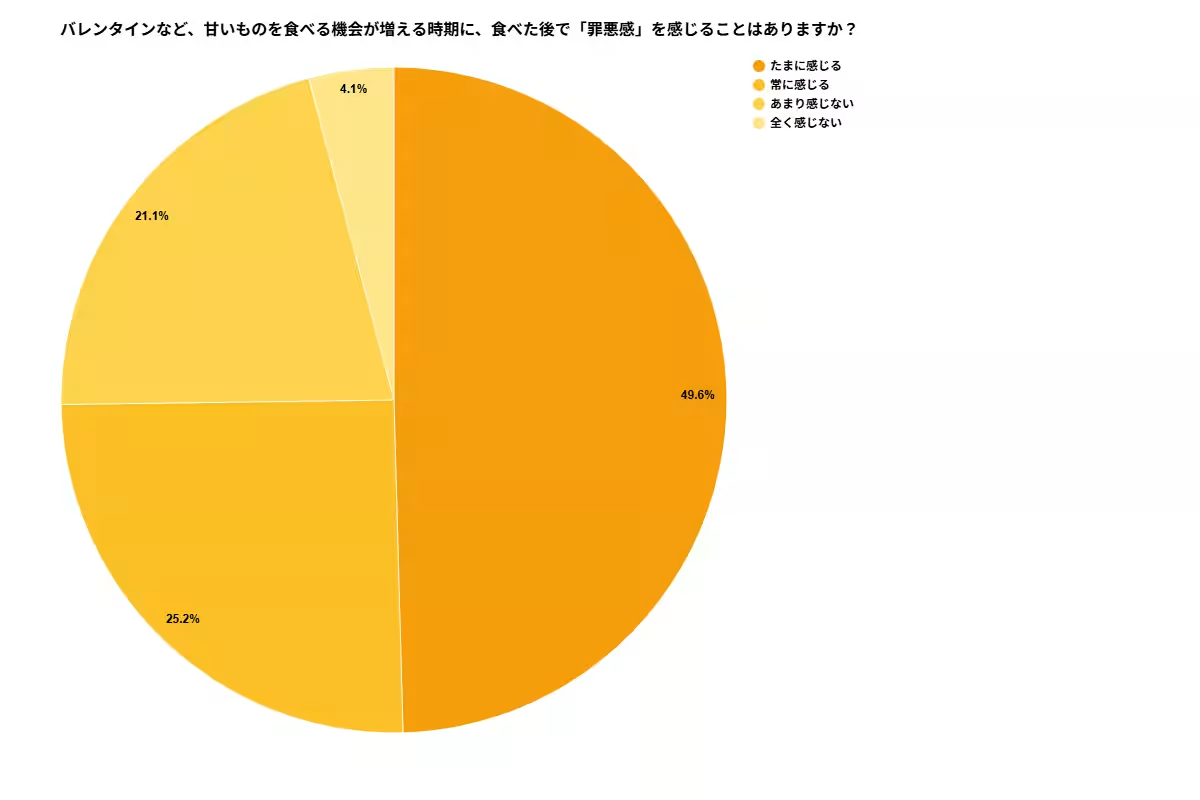
In fact, approximately 70% reported experiencing guilt, with almost half (49.6%) admitting to feeling guilty about sweets 'constantly'. This emotional weight adds pressure to what should be a joyful occasion—inferring that something is amiss in our understanding of nutrition and health.
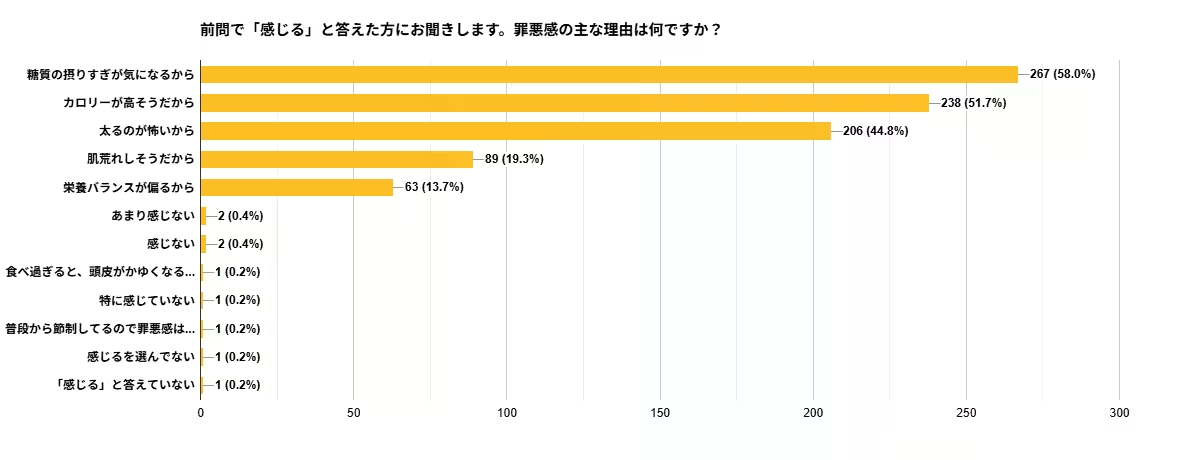
The reasons behind these feelings of guilt have evolved as well. Participants pointed to ‘excessive sugar intake’ as the leading cause of their anxieties, with 58% indicating that it’s now a more significant concern than traditional calorie counts. This shift reflects a broader awareness regarding blood sugar levels and carbohydrate consumption, moving away from merely worrying about calories. Other fears included gaining weight (44.8%) and the potential for skin blemishes (19.3%), demonstrating a multifaceted approach to health concerns.
The Need for Personalized Nutrition
The escalation of health consciousness is leading to a fundamental change in how we view food, transitioning from a calorie-centric mindset to one that prioritizes the quality of ingredients and their effects on blood sugar levels. Amidst this transformation, the positive aspects of sweets—such as cacao's polyphenols known for their antioxidant and blood-pressure-lowering properties—are not sufficiently recognized.
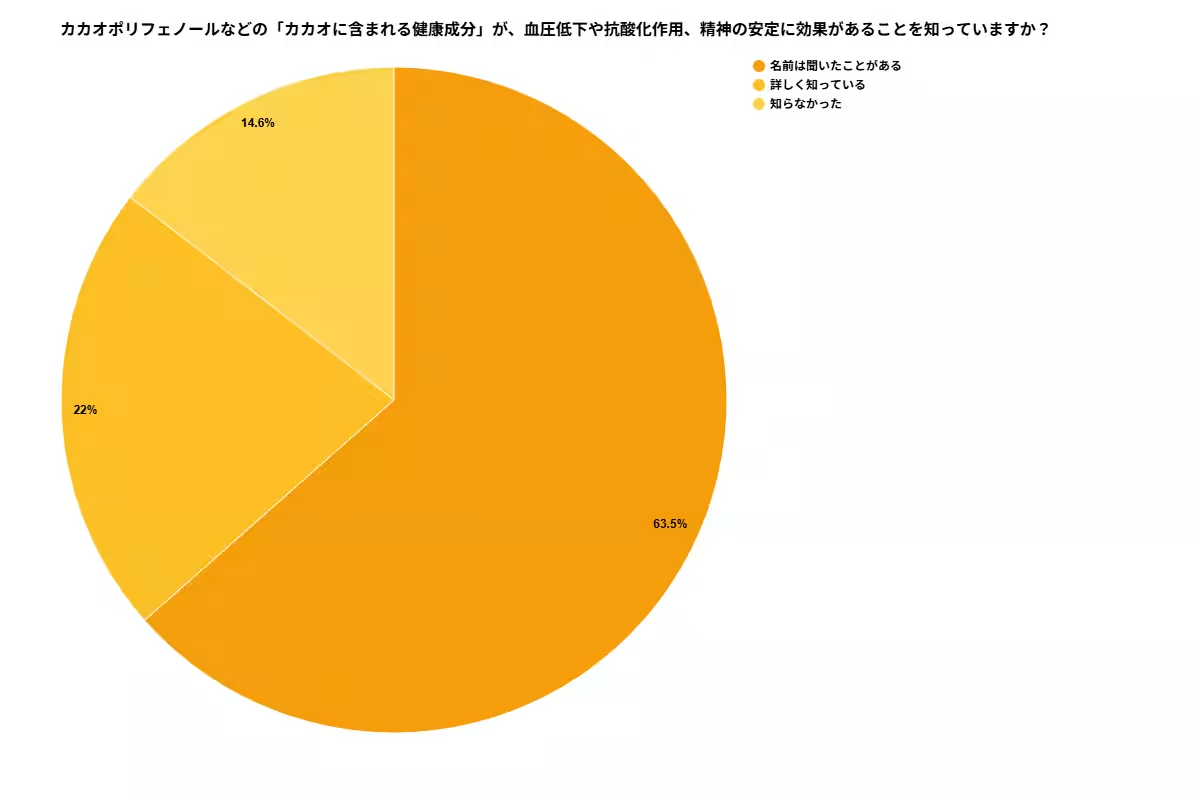
A significant knowledge gap persists; while many are cognizant that dark chocolate may be healthy, only 22% understand its specific benefits. Furthermore, most are only vaguely aware of the term 'antioxidant,' emphasizing a crucial disconnect in public understanding. This lack of knowledge fuels excessive guilt when indulging, leading many to believe that the answer is simply to abstain rather than to make informed choices when consuming sweets.
Expert Insights on Managing Sweet Cravings
To delve deeper into these concerns, we reached out to Saori Ogawa, a nutritionist from CHONPS, who provided valuable tips for enjoying sweets without the guilt. She emphasizes the importance of understanding that chocolate, derived from cacao, contains beneficial nutrients. For many, it is a delicate balance between the desire for pleasure and the anxiety about health.


Topics Health)
【About Using Articles】
You can freely use the title and article content by linking to the page where the article is posted.
※ Images cannot be used.
【About Links】
Links are free to use.