



Exploring the Current State of Agentic Commerce and Consumer Behavior in Japan
Understanding the Rise of Agentic Commerce in Japan
A recent study conducted by the NP Research Institute under Net Protections, Inc., has unveiled significant insights into the shopping behaviors and experiences of Japanese consumers regarding Agentic Commerce. The survey involved 1,000 individuals aged between 20 and 65 who engaged in online shopping over the last six months.
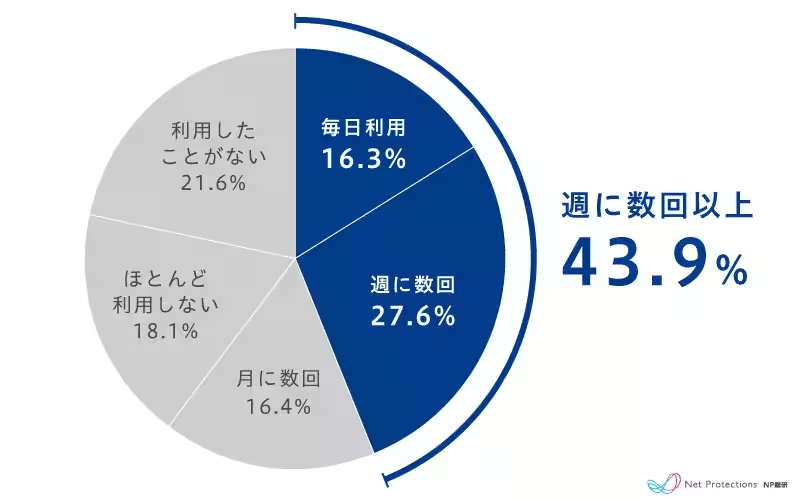
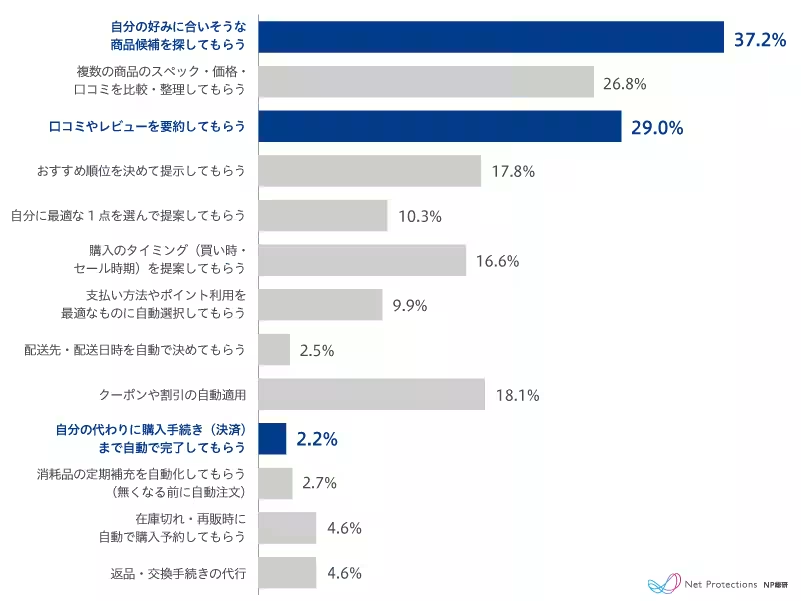
The results indicated that 43.9% of respondents utilize AI services multiple times a week, signifying a growing acceptance of AI as a tool for aiding product selection before making purchases. While there is notable engagement with AI during the pre-purchase phase, only a meager 2.2% are comfortable allowing AI to manage the entire purchasing and payment process. This stark contrast suggests that there are still psychological barriers when it comes to trusting AI with financial transactions.
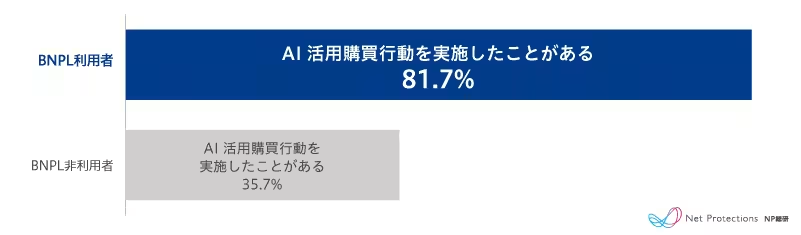
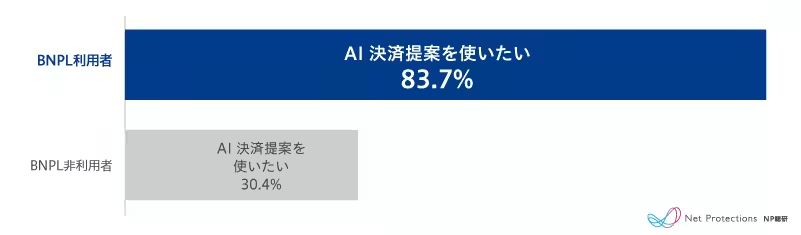
Moreover, users of Buy Now Pay Later (BNPL) services displayed a remarkable receptivity towards AI-driven purchasing actions, with 81.7% having engaged in AI-assisted shopping behaviors and 83.7% expressing interest in AI payment suggestions. This demographic appears to have a higher willingness to embrace new technologies compared to those who do not use BNPL, revealing a gap in adoption rates that could shape future trends in consumer behavior.
Key Findings from the Survey
1. Widespread AI Use: 43.9% of respondents use AI services regularly, with 16.3% using them daily. While this indicates a rising integration of AI into daily life, 39.7% reported minimal to no usage, highlighting a divide in consumption patterns.
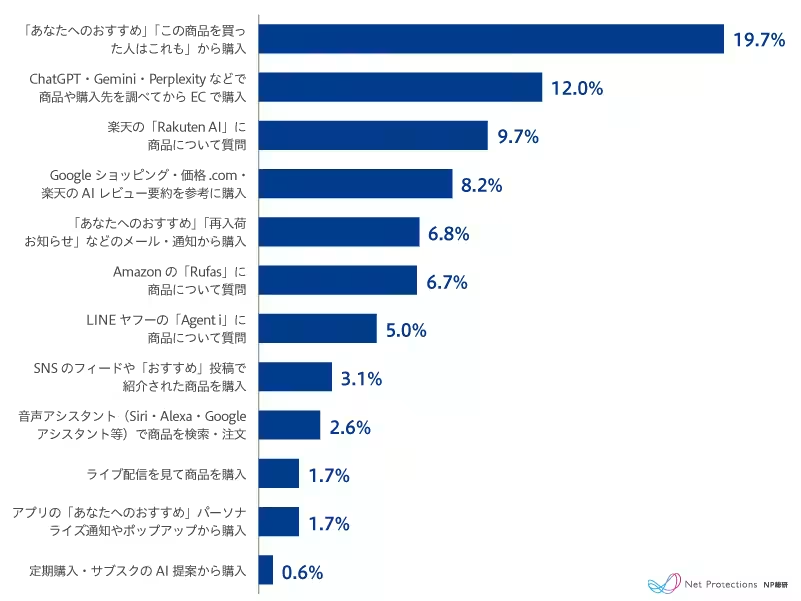
2. Product Recommendation Preferences: The most common AI-assisted shopping behavior is purchasing based on tailored recommendations (19.7%), such as “you might like this.” This demonstrates AI's role in facilitating product discovery and selection.
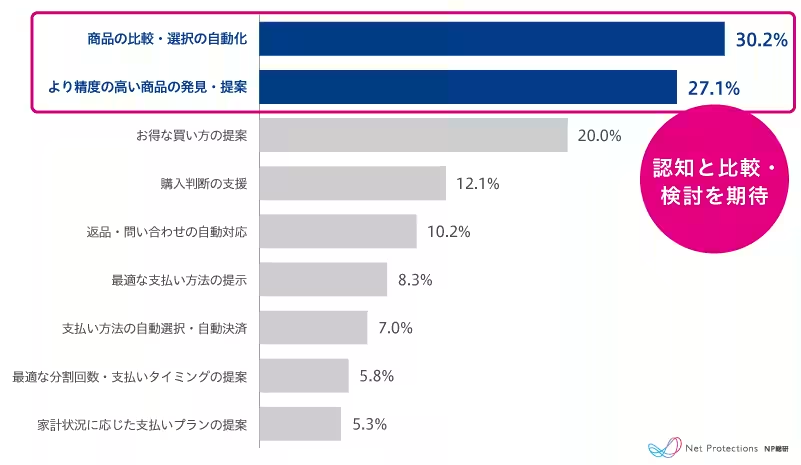
3. Perceived Roles of AI: Consumers predominantly view AI as a supportive tool for comparing and selecting products (30.2%), with less emphasis on automating payment processes.
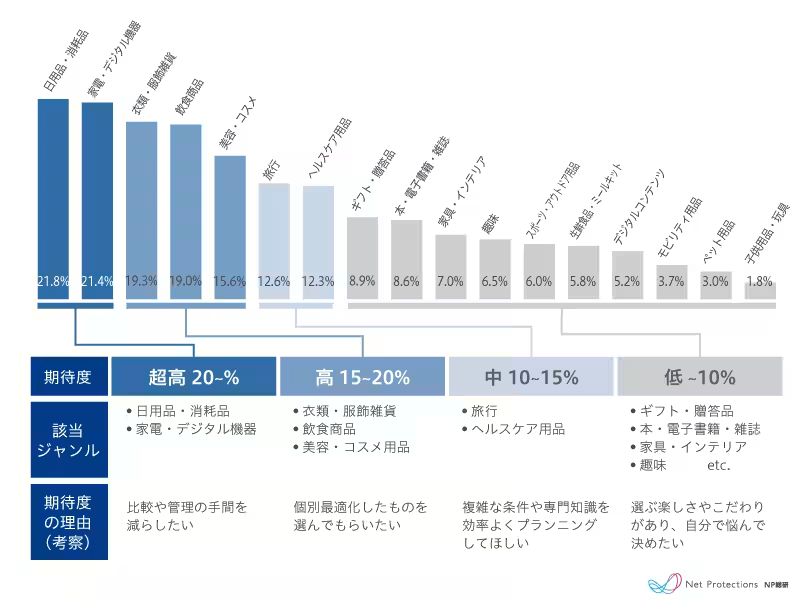
4. Preferred Product Categories for AI Assistance: Consumers are more inclined to seek AI assistance for everyday and consumer electronics items, indicating that frequent purchases attract attention to AI capabilities.
5. Skepticism Towards AI Payroll Automation: Only 2.2% are comfortable allowing AI to automate the purchase and payment process entirely, showing a strong preference for human oversight in financial decisions.
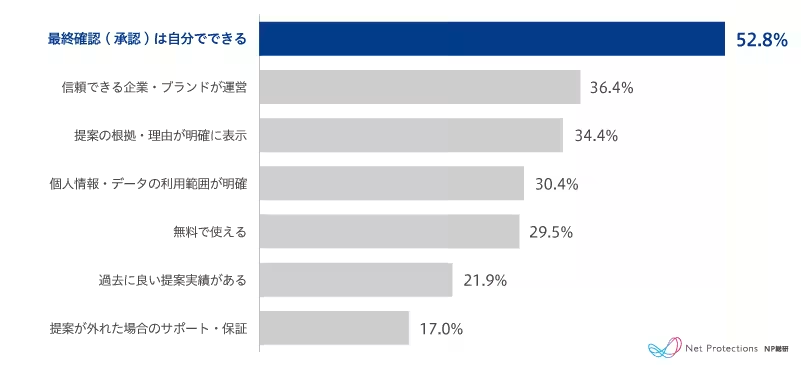
6. Expectations for AI Payment Solutions: Nearly 52.8% of participants emphasized the necessity for personal final approval when utilizing AI-based payment solutions, indicating demands for transparency and trust.
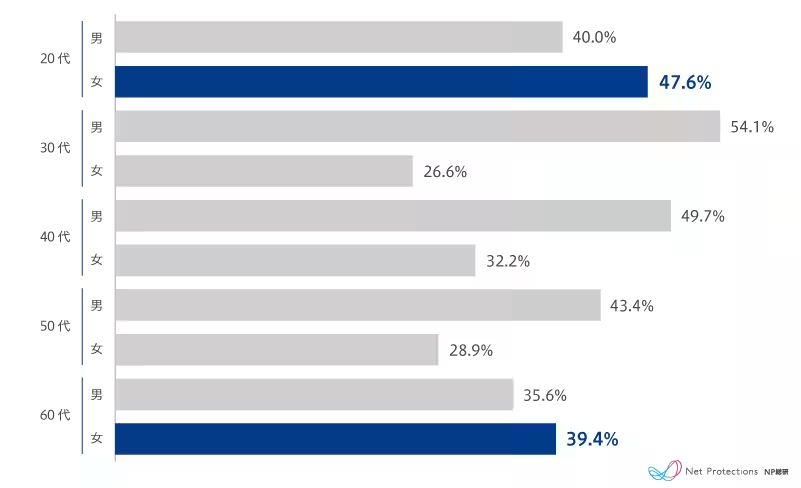
7. Older Women Embrace AI: Interestingly, around 40% of women over 60 showed interest in AI’s capacity to suggest optimal payment methods, suggesting broader acceptance across demographics.
8. BNPL Users and AI Engagement: A substantial 81.7% of BNPL users have engaged in AI-assisted purchasing behaviors, significantly outpacing non-BNPL users.
9. Acceptance of AI Payment Suggestions: A solid 83.7% of BNPL users are open to utilizing AI for payment suggestions, showcasing a readiness to embrace AI’s role in both shopping and payment processes.
Implications and Future Directions
The data portrays a nuanced perspective on Agentic Commerce, showcasing a burgeoning acceptance of AI for discovering and evaluating products while exposing a lingering reluctance towards allowing AI to manage monetary transactions completely. The insights from this survey reflect a transitional phase where potential not fully realized exists, particularly regarding AI’s capacity to streamline the purchasing process.
As consumers show high expectations for AI in assisting with product proposals, particularly in challenging categories like routine goods and electronics, the need for a balanced approach that combines AI efficiency and human judgment becomes apparent. Understanding the importance of a user-friendly interface that fosters trust remains vital. Consumers are seeking assurance that they have control over their purchasing decisions, particularly when financial implications are at stake.
In summary, as Agentic Commerce develops from mere product exploration to more integrated purchase and payment methods, the focus should shift toward establishing a framework that guarantees user comfort and confidence in AI systems. Net Protections aims to leverage insights from this survey to refine their practices and enhance the experience of AI-driven commerce for consumers by promoting a trustworthy transaction environment.
For more detailed information on the survey and its implications, please follow the links provided in the research overview.

Topics Consumer Products & Retail)


【About Using Articles】
You can freely use the title and article content by linking to the page where the article is posted.
※ Images cannot be used.
【About Links】
Links are free to use.