



The Gakken 2025 Survey Reveals Junior High Schoolers' Daily Lives and Perspectives
Insights from the Gakken Education Survey 2025
In a recent study conducted by the Gakken Education Research Institute from November 14 to November 19, 2025, significant insights into the daily lives and financial behaviors of students from elementary to high school were collected. The survey involved 1,200 parents of elementary school students, 600 parents of middle school students, and 600 high school students, providing valuable data on various aspects including allowances received, sleeping patterns, and leisure activities.
Key Findings
1. New Year’s Allowance
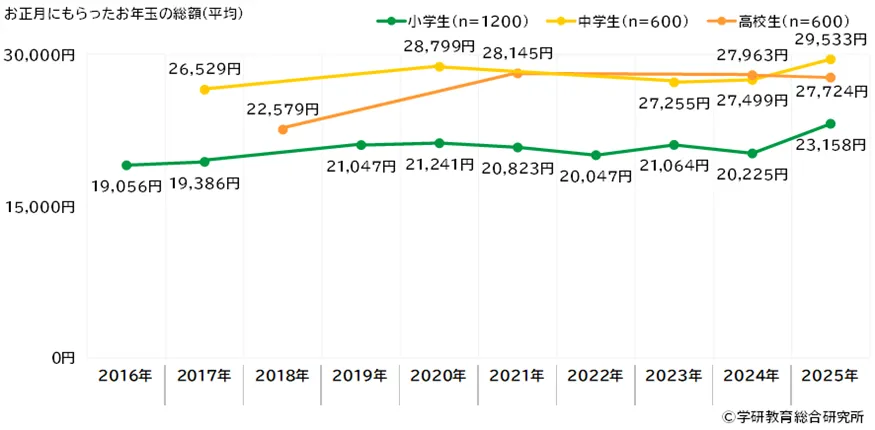
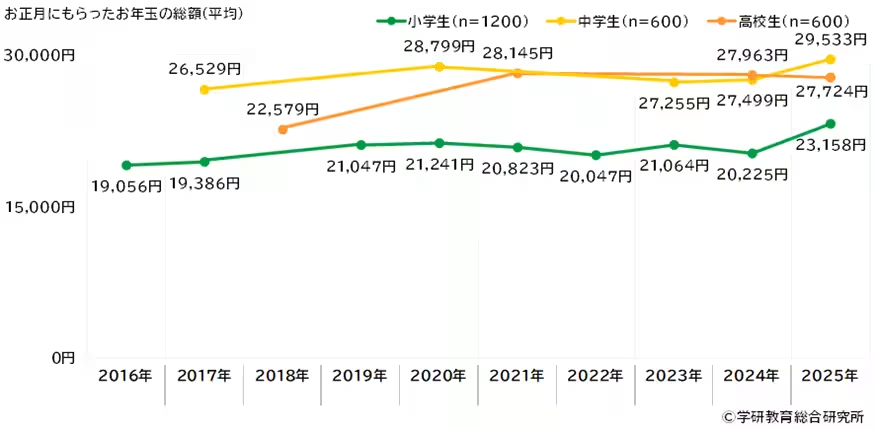
The survey reveals the typical amounts of New Year’s money received by students:
- - Elementary Students: ¥23,158 (up by ¥2,933 from the previous year)
- - Middle School Students: ¥29,533 (up by ¥2,034)
- - High School Students: ¥27,724 (down by ¥239)
2. Sleep Patterns
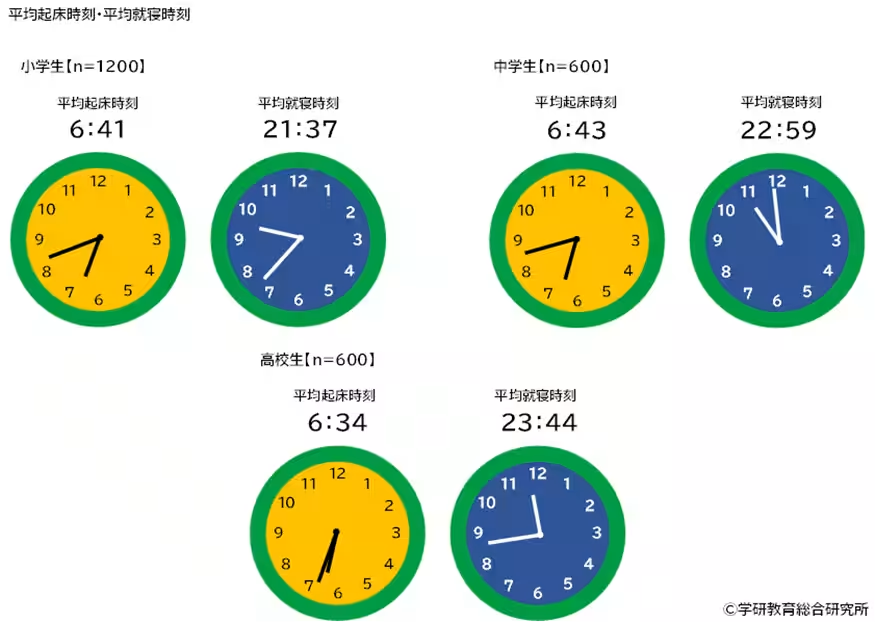
Sleeping habits varied significantly across different school levels:
- - Elementary School Students: Average wake-up time is 6:41 AM and average bedtime is 9:37 PM.
- - Middle School Students: Wake up at 6:43 AM and sleep by 10:59 PM.
- - High School Students: Rise at 6:34 AM and sleep around 11:44 PM.
3. Daily Activities
In terms of after-school activities, elementary students spend the most time watching television (averaging 77 minutes), while their preferred activities indicate a divide based on gender. Boys enjoy video games, whereas girls prioritize socializing with friends.
4. Value of Savings
Interestingly, the majority of elementary and middle school students express a preference for saving their New Year’s money, showcasing a growing financial awareness at a young age. The trend suggests that children are becoming more conscious of managing their finances and saving for future needs rather than spending impulsively.
Conclusion
The findings from the Gakken survey emphasize the diverse and evolving daily lives of students across different educational stages. Educational stakeholders, parents, and policymakers should consider these insights to better understand and cater to the needs of children in today’s fast-paced society. By focusing on trends such as savings, sleep behaviors, and leisure activities, we can support healthier and more balanced growth for our youth.
The insights gained from this survey can also serve as points of discussion amongst parents about how the changing times influence childhood experiences. Furthermore, the research aims to provide a comprehensive overview that can be utilized by educators, authors, and policy developers alike to foster environments that enrich the academic and social lives of students.
For further insights and detailed findings, visit Gakken White Paper Series.


Topics Other)
【About Using Articles】
You can freely use the title and article content by linking to the page where the article is posted.
※ Images cannot be used.
【About Links】
Links are free to use.