


Survey on Policy Themes Relevant to Japanese Middle and High School Students Utilizing Social Media in 2023
Survey on Policy Themes Relevant to Students
In an effort to understand the concerns and interests of Japanese middle and high school students, a recent survey was conducted in the fiscal year 2023. This survey specifically aimed at analyzing how social media can be effectively utilized to engage students in discussions about important policy themes.
The initiative was launched against the backdrop of increasing digital connectivity among youth. SNS (Social Networking Services) platforms are becoming more integral in the lives of students, shaping their views and understanding of various societal issues. As a result, the survey sought to identify which policy themes resonate most with this demographic and how they prefer to engage with these topics online.
Objectives of the Survey
The primary goal of the survey was to capture current trends and opinions on pressing issues such as climate change, mental health, education reform, and social justice. By leveraging social media's reach, the researchers hope to foster a more informed and involved youth who can contribute to policy discussions actively.
The survey comprised various methodologies including online questionnaires, focus group discussions, and interactive polls across popular social media platforms. By combining qualitative and quantitative approaches, the researchers aimed to achieve a well-rounded understanding of student perspectives.
Key Findings
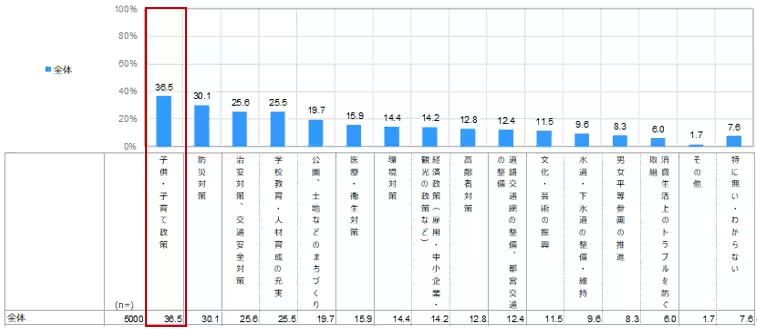
Initial findings from the survey indicate that a significant portion of middle and high school students are highly engaged in discussions around environmental policies, with many expressing concerns about climate change and its impact on their future. Additionally, mental health emerged as a predominant theme, where students shared their experiences and the necessity for enhanced support systems in schools.
The study also revealed that students prefer engaging with policy content that is interactive and visually appealing. This suggests a potential trend for policymakers and educators to consider: using infographics, videos, and discussions on platforms like Instagram and TikTok could enhance understanding and interest in important topics.
The Role of Educators
Educators are urged to take note of these findings and integrate social media into their teaching methodologies. By doing so, they can help students navigate through the complexities of policy issues, encouraging critical thinking and discussion. Since these platforms are often where students spend a significant amount of their time, it makes logical sense to use these channels for educational purposes.
Conclusion
The survey highlights the necessity for active engagement with students on social media, particularly regarding significant policy themes. As we move forward, it is essential for educators, policymakers, and community leaders to harness this digital landscape to cultivate a generation that is informed and ready to contribute to societal improvement. By aligning educational content with student interests, we can foster meaningful conversations that not only resonate with youth but also drive change in society.
This initiative represents just the beginning of a larger movement to bridge the gap between policy and the next generation through innovative use of social media.
Topics People & Culture)


【About Using Articles】
You can freely use the title and article content by linking to the page where the article is posted.
※ Images cannot be used.
【About Links】
Links are free to use.