



Unveiling the Realities of Young Combatants in Conflicted Regions
Investigating the Realities of Young Combatants
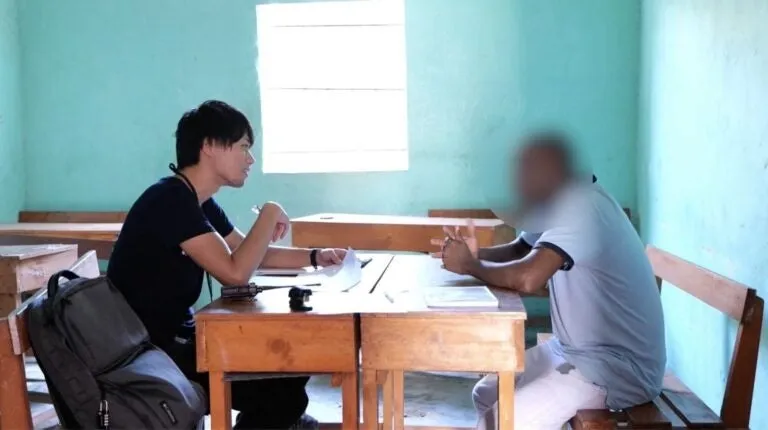
The turmoil around the world is daily highlighted by news on armed conflicts, yet a significant part of these crises involves non-state armed groups that operate outside traditional national structures. These groups complicate conflicts, making resolution very challenging. A Tokyo-based NGO, Accept International, has continuously worked on peacebuilding in conflict zones, particularly in Africa and the Middle East. Their recent report focuses on the voices of young individuals affiliated with these non-state armed organizations.
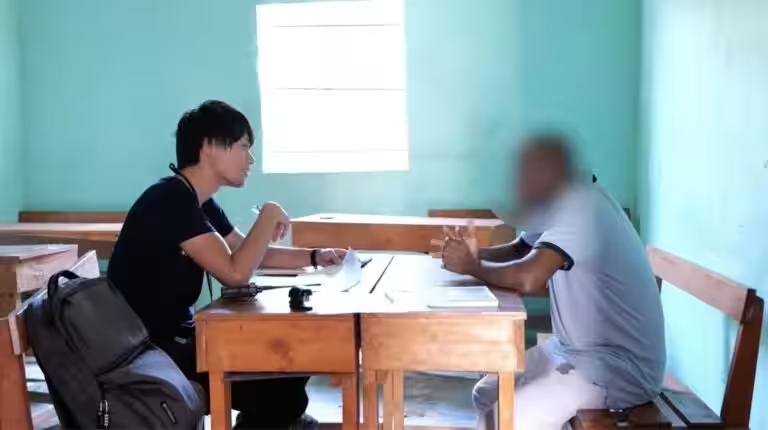
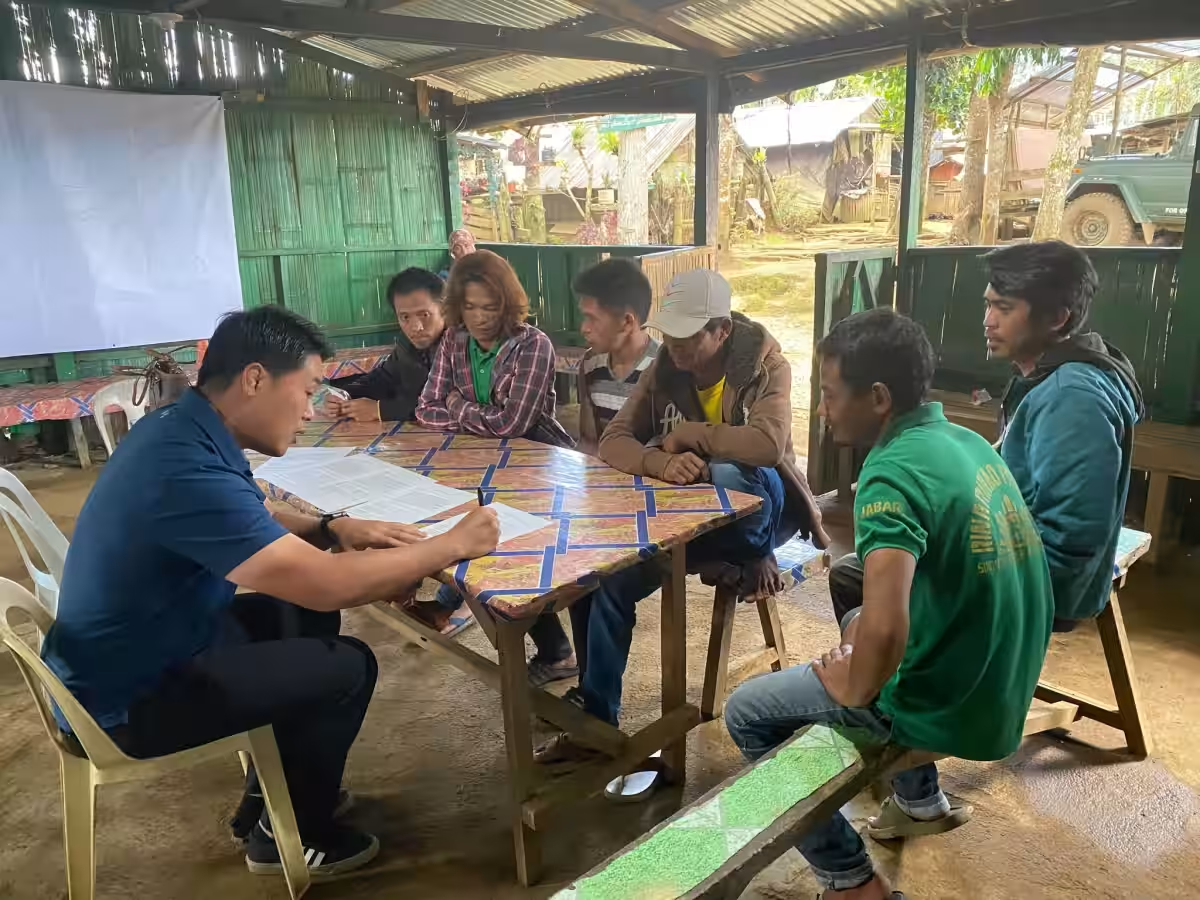
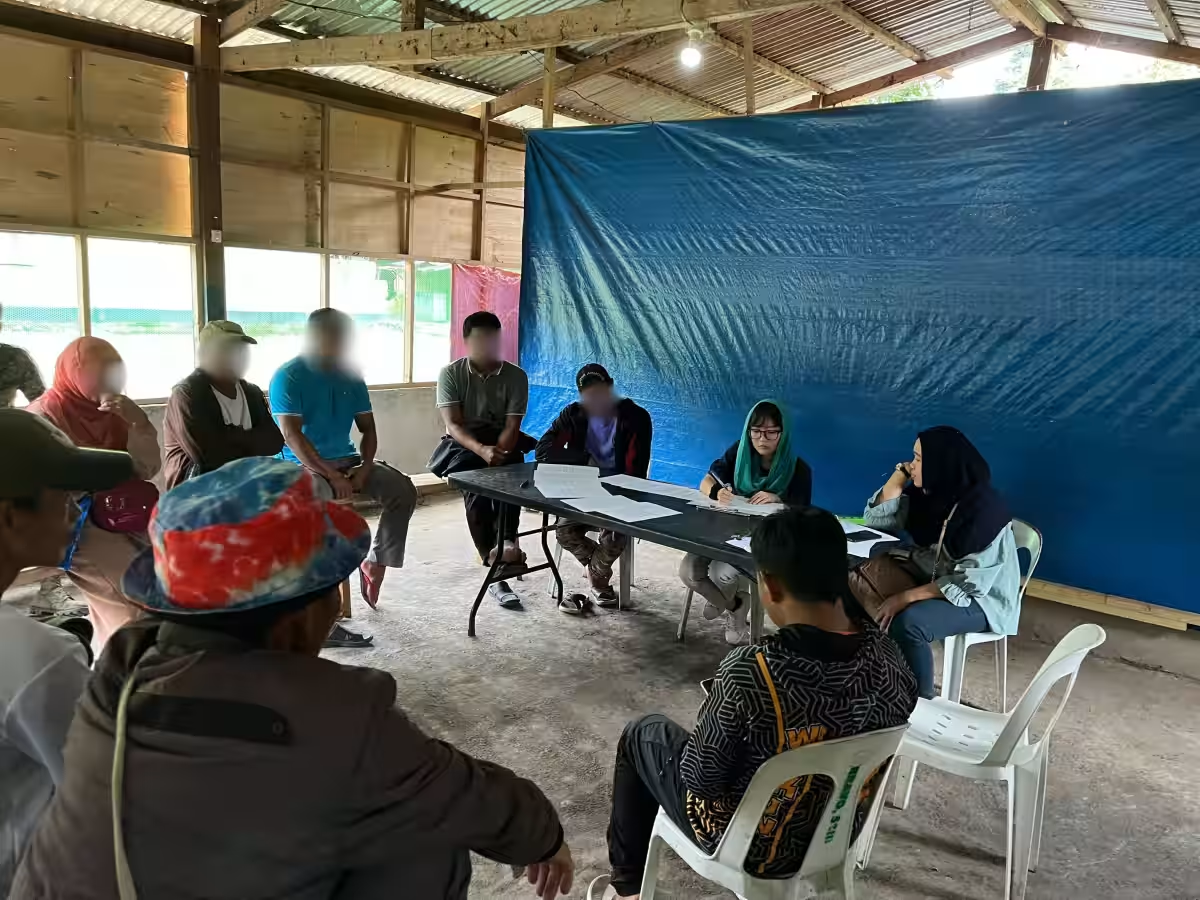
Accept International, along with their initiative, the Global Taskforce for Youth Combatants (GTY), conducted a substantial survey involving 450 young combatants across 15 countries—Somalia, Yemen, Kenya, Indonesia, Colombia, Mali, Sudan, Ethiopia, Mozambique, Uganda, Haiti, Pakistan, the Philippines, Sri Lanka, and Nepal. This investigation aims to illuminate the realities of those often overlooked in mainstream media accounts. In this article, we review nine key findings from their research.
Understanding YANSAG
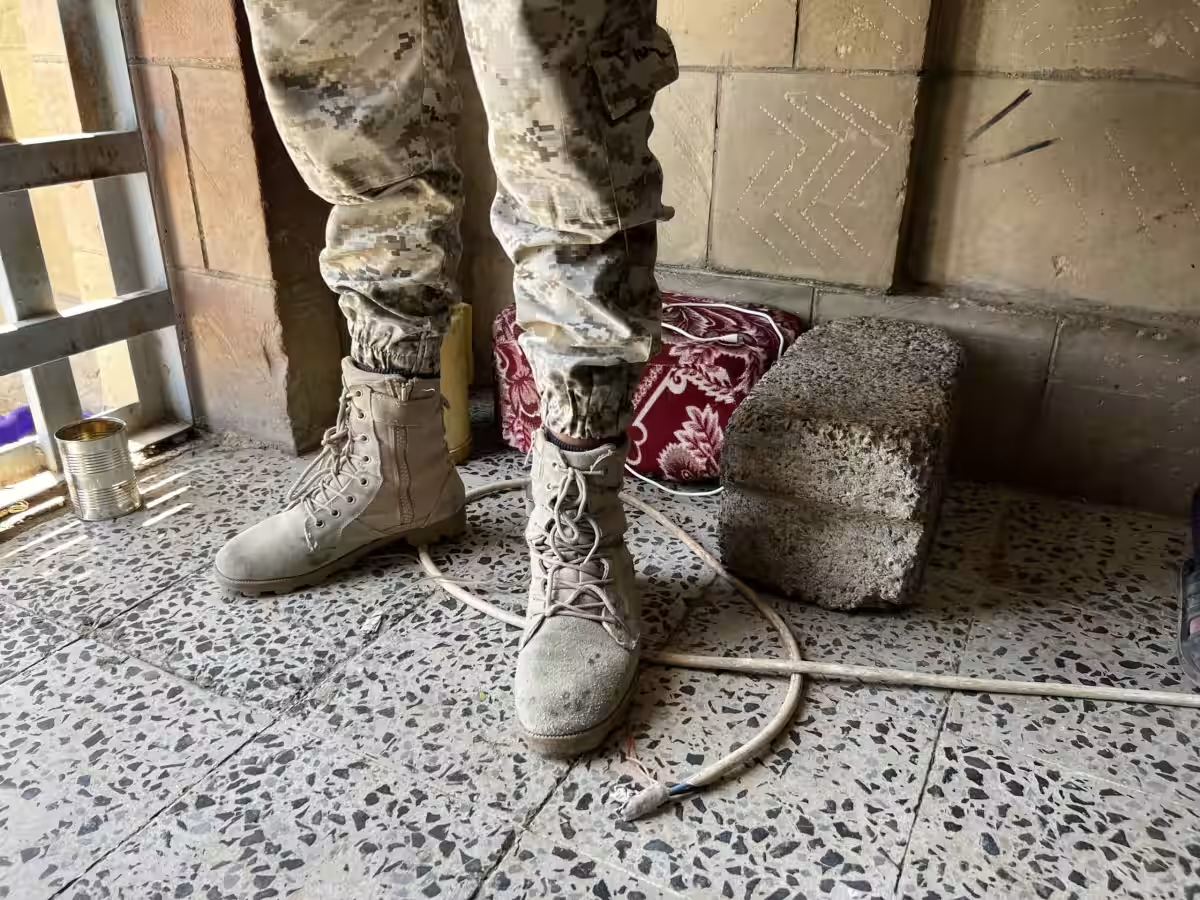
The term YANSAG (Youth Associated with Non-State Armed Groups) refers to individuals aged 18-35 who are or have been involved with non-state armed organizations, including terrorist groups.
Key Findings
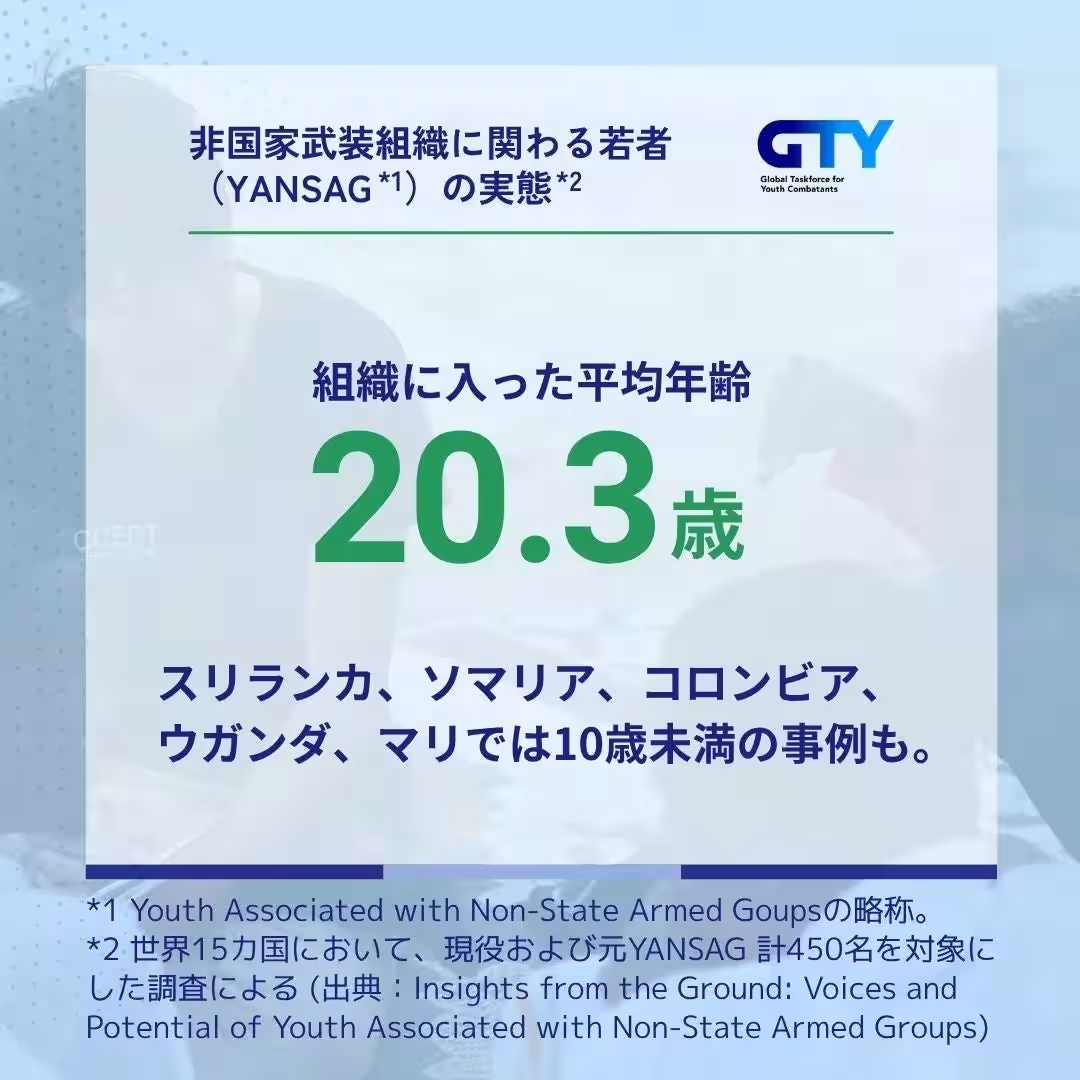
1. Joining Young: The average age when the surveyed individuals joined these groups was 20.3, with many reporting recruitment as early as age 11. Some joined as young as 10 in countries like Sri Lanka, Somalia, Colombia, Uganda, and Mali.
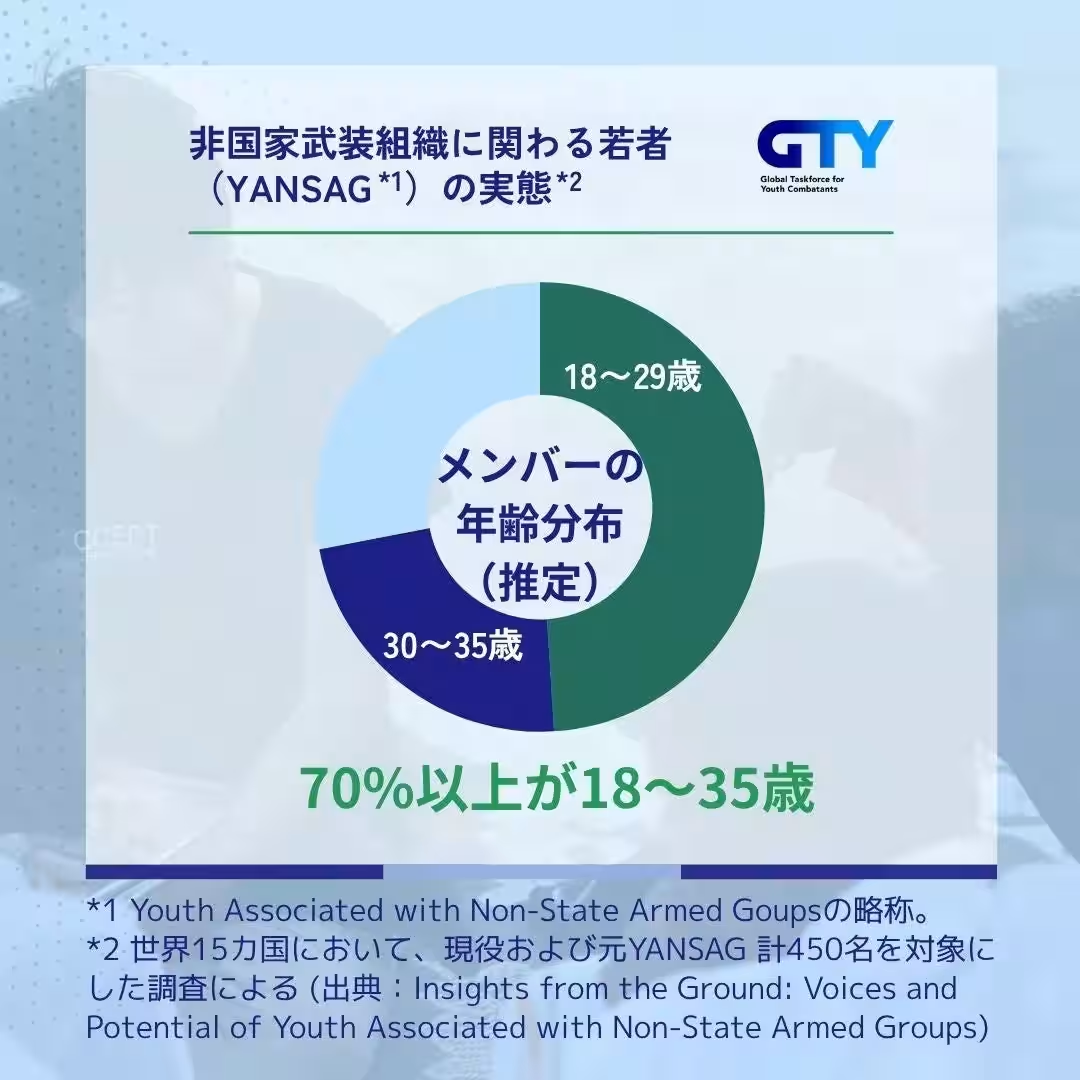
2. Youth Demographics: Over 70% of the membership within these armed organizations consists of individuals aged 18-35. Many respondents acknowledged the presence of minors among their ranks, highlighting the youthful demographic.
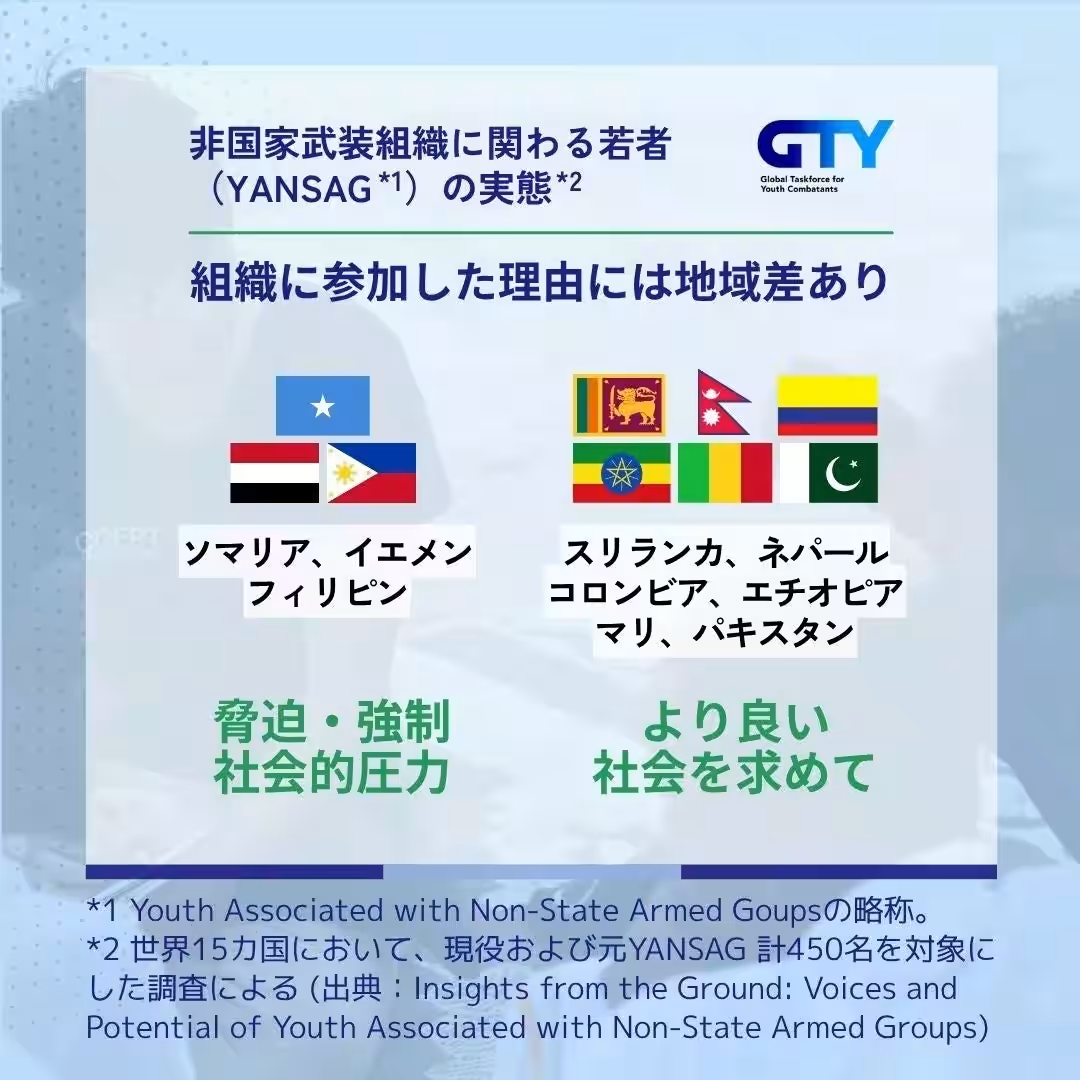
3. Complex Motives for Joining: The reasons for joining these organizations are multifaceted, often stemming from coercion or social pressures, as well as genuine desires for societal change in some regions. Understanding these individual backgrounds is crucial for effective support.
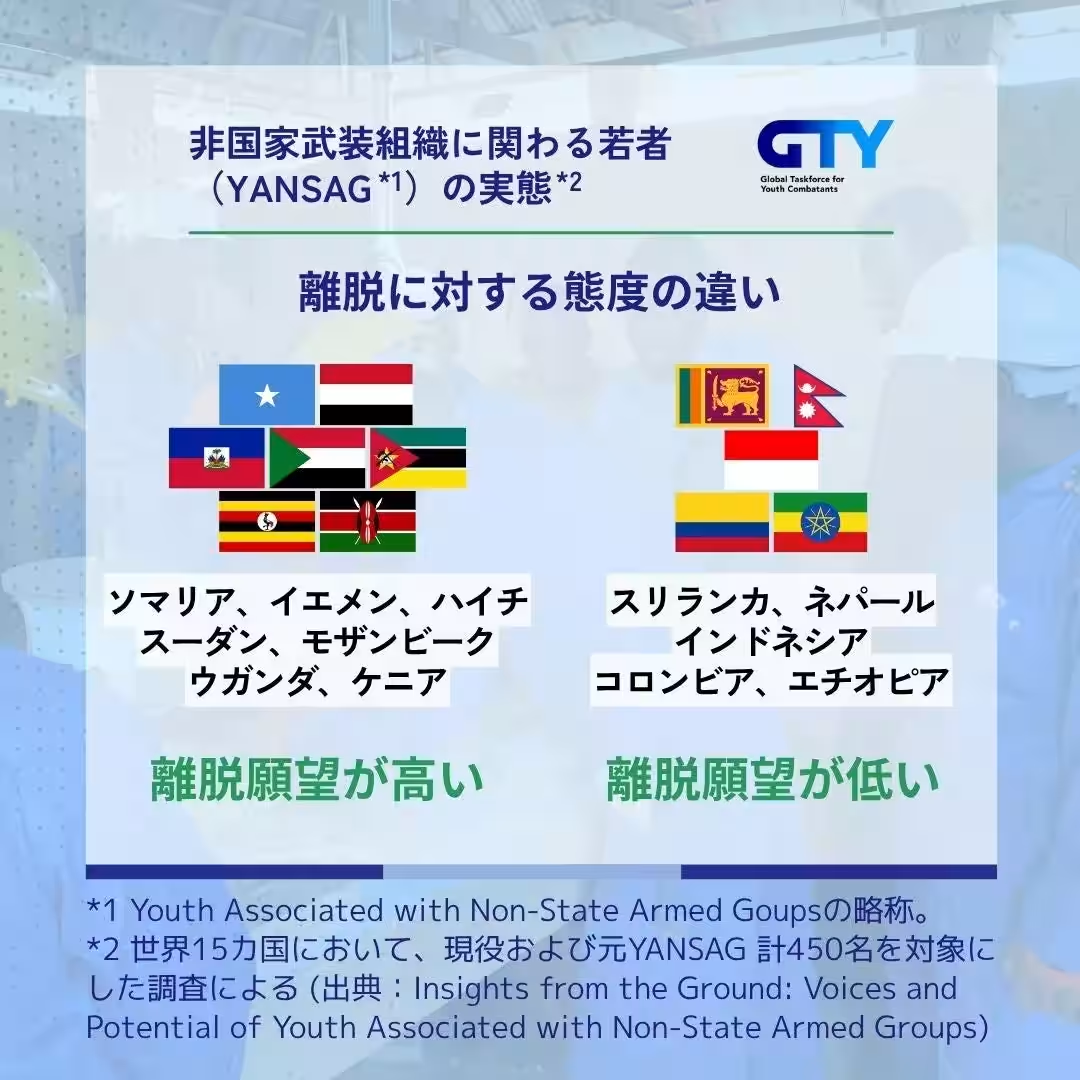
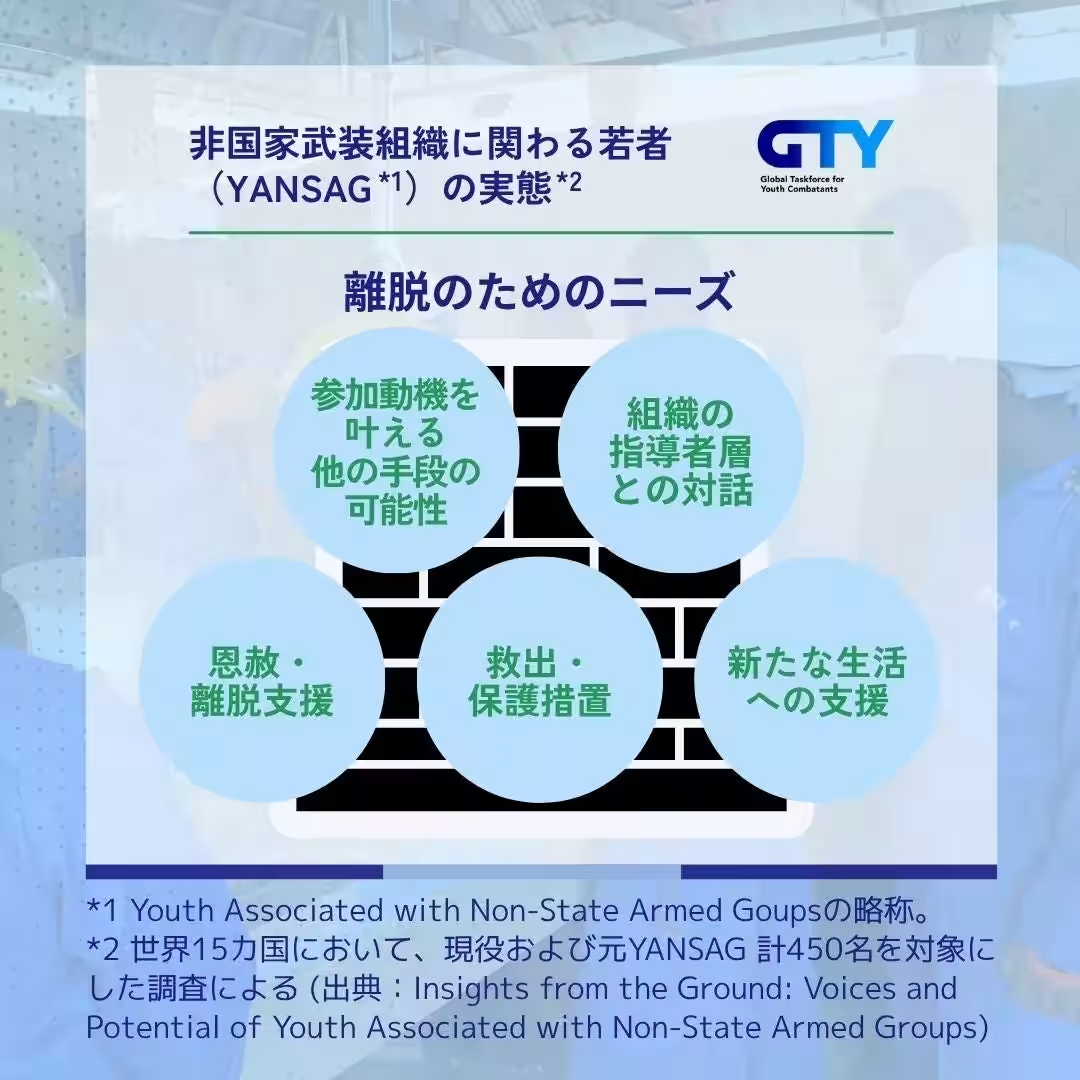
4. Desire to Disengage: The desire to leave these organizations varies widely, based on personal experiences within the groups and their psychological state. Programs tailored to individual needs are essential, particularly in conflict zones where the wish to reintegrate into society is high.
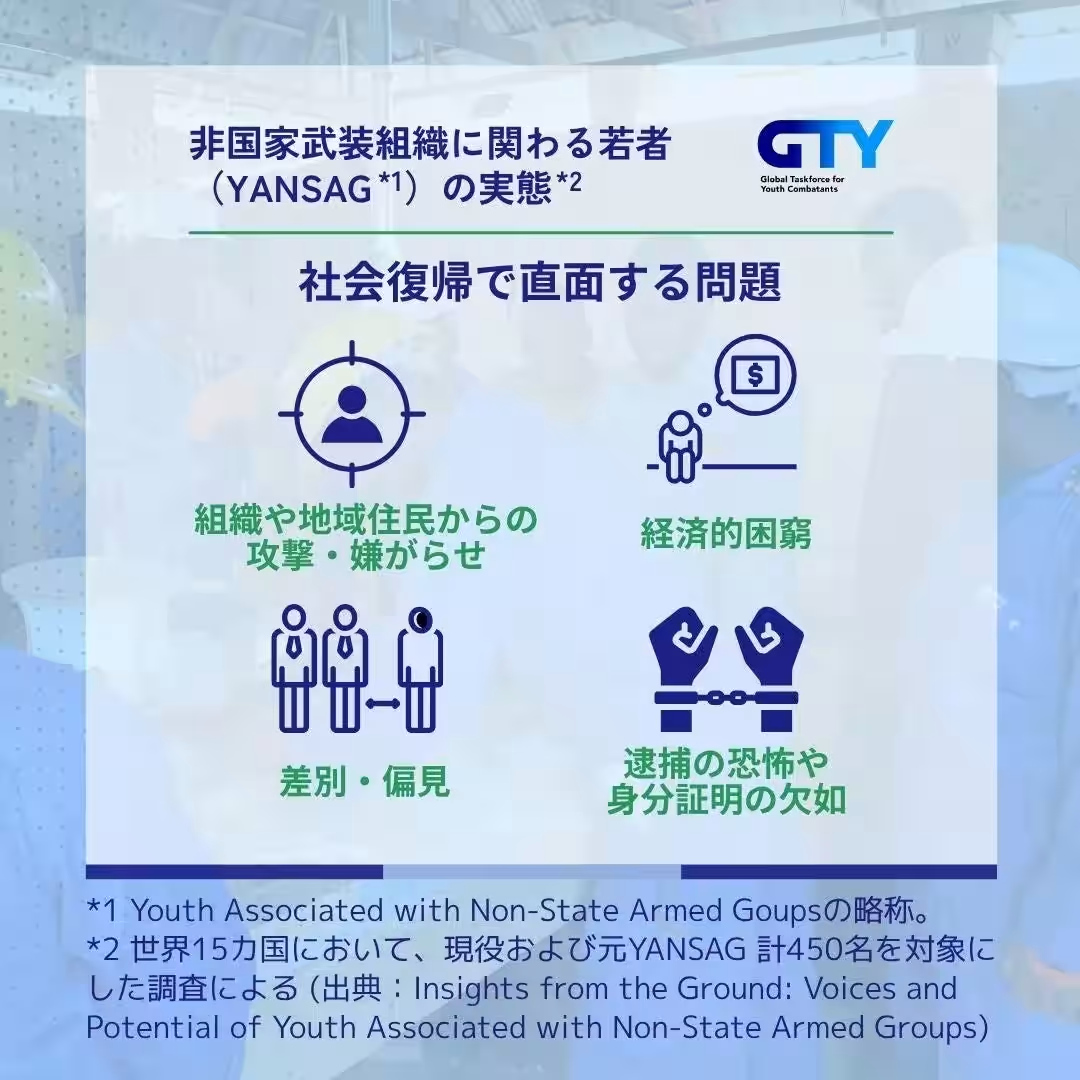
5. Challenges in Disengagement: Many face numerous obstacles when trying to leave these groups, such as prohibitive regulations or threats. In regions like Somalia and Yemen, where leaving is often punishable by violence, specific support mechanisms are urgently needed.
6. Feeling Voiceless: Many young combatants expressed frustration over their lack of representation in governmental and international discussions, which contributes to feelings of anger and despair, potentially driving them back towards violence.
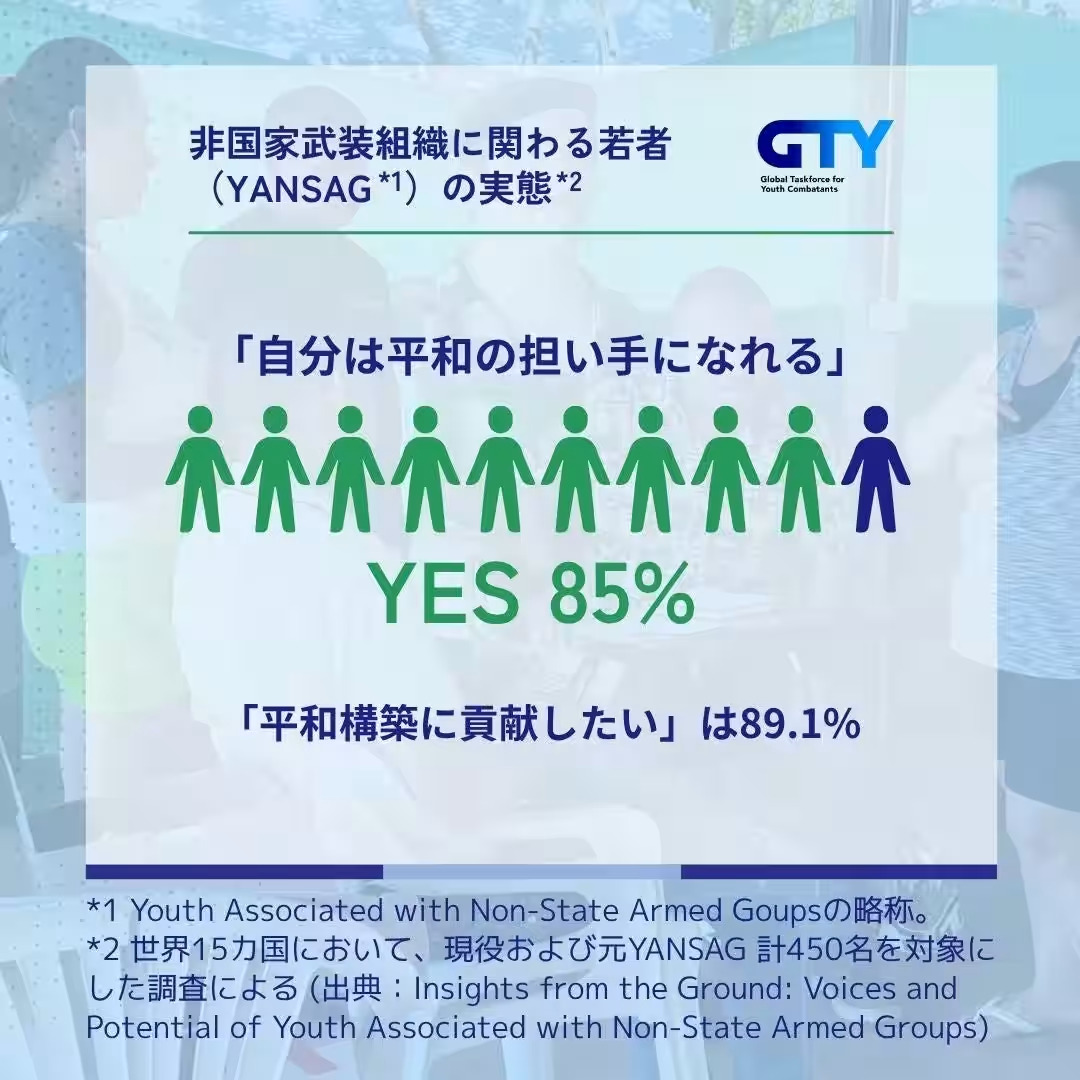
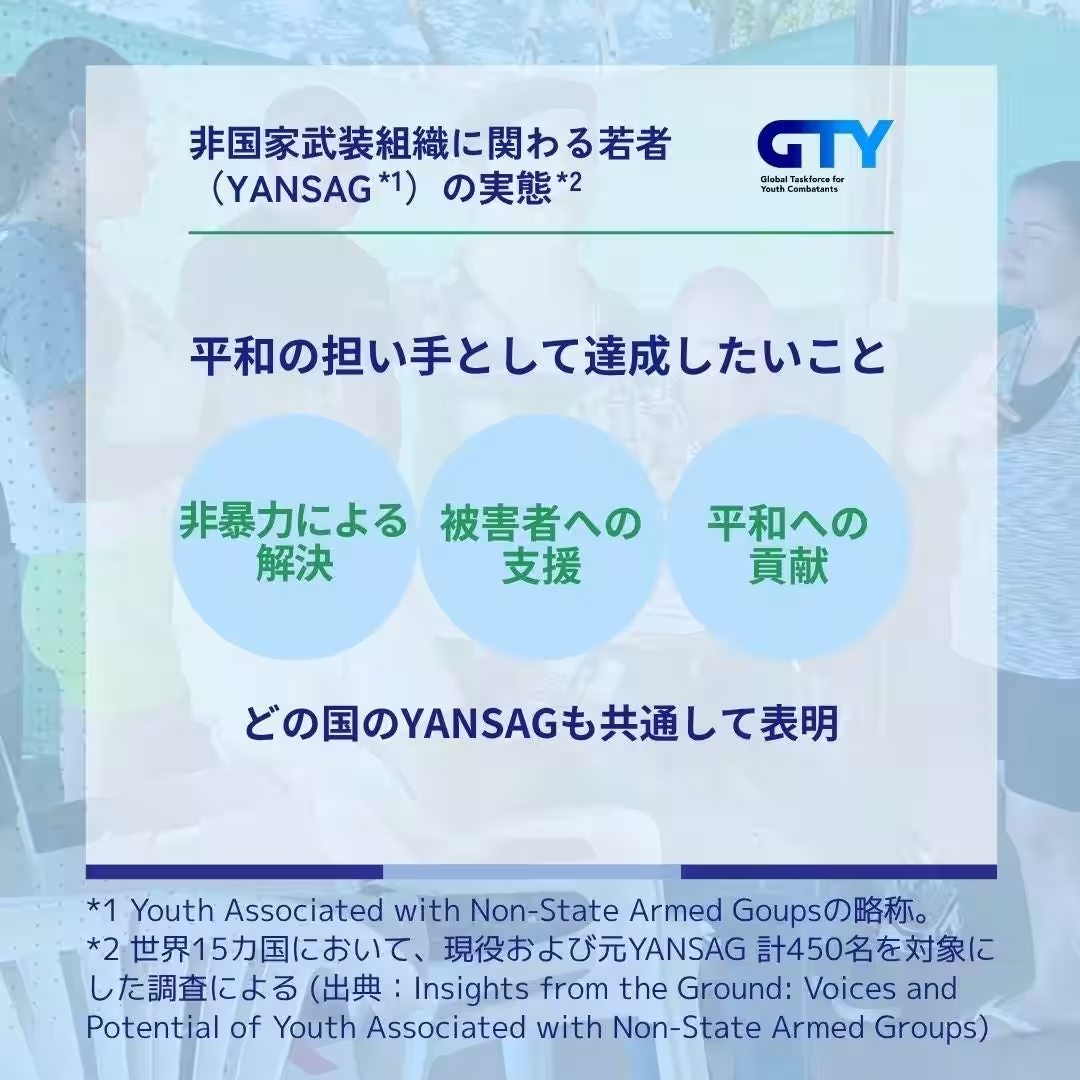
7. Aspiring for Peace: A majority expressed a strong desire to become agents of peace, believing in their capabilities to contribute positively to society. Recognizing and fostering this potential can be a key to conflict resolution efforts.
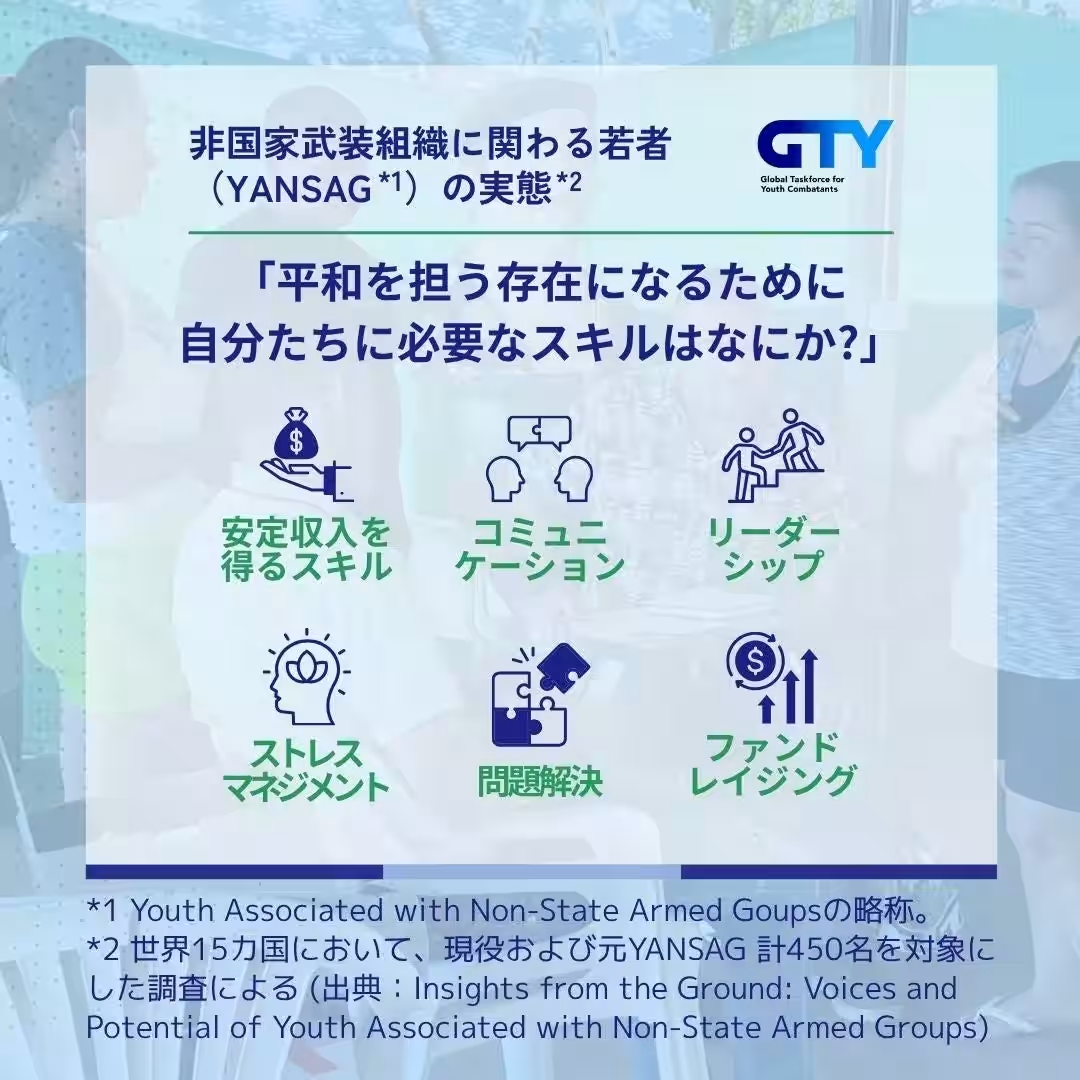
8. Diverse Skills Needed: Skills for peacebuilding transcend simple employment needs. Enhanced literacy, problem-solving capabilities, and emotional regulation are vital for sustained social involvement and development.
9. Messages for Change: The younger generation carries powerful messages essential for peacebuilding. Their unique experiences and insights must be heard and integrated into policies aimed at conflict resolution.
In conclusion, Accept International emphasizes that young combatants should not merely be viewed as threats; with appropriate support, they can emerge as robust advocates for peace, offering hope within protracted conflicts. Understanding their narratives and engaging them directly is crucial in addressing the root causes of modern armed conflicts.
The detailed findings can be found in the full report (available in English).
Accept International's Role
Having worked for nearly 15 years, Accept International is committed to providing suitable support to young individuals involved with non-state armed groups. In 2021, they coined the term YANSAG to aid advocacy efforts and create international norms for the rights and empowerment of these youths.
Accept International perceives YANSAG not merely as a challenge but as a source of potential, capable of transforming conflict landscapes. Their goal is to facilitate open dialogues that contribute to a peaceful societal transformation.
For further insights and to support this initiative, visit their official website.
Topics People & Culture)

【About Using Articles】
You can freely use the title and article content by linking to the page where the article is posted.
※ Images cannot be used.
【About Links】
Links are free to use.