



Exploring the Future Values of Generation Z Through Four Archetypes
Unveiling the Future: The Values of Generation Z
As we progress into a rapidly changing world, understanding the emerging ideals and lifestyle preferences of Generation Z (Gen Z) becomes ever more essential. Recently, Nippon Steel Kowa Real Estate Co., Ltd. unveiled a comprehensive research report titled "Future Style Agenda," which captures the essence of the values and aspirations of a generation projected to enter their 30s in ten years. This investigation focuses on four archetypes that characterize the diverse perspectives and lifestyles of Gen Z, shedding light on their expectations for the upcoming decade.
The Genesis of Future Style Research
Founded in April 2025, the Future Style Research Institute aims to proactively conceive the future and derive principles that will inform city planning and lifestyle choices based on reverse thinking from that future perspective. The recent study specifically targets the cohort that will be in their 30s by 2035, analyzing their values and decision-making frameworks across five key areas: family, work, residence, health, and ownership. By deeply exploring the myriad values and preferences which have emerged in a world marked by uncertainty, the report provides vital insights into how urban living and housing needs may evolve.
Methodological Framework and Approach
The core theme of the "Future Style Agenda" is to envision the ideal lifestyle of 30-year-olds a decade from now. Gen Z has grown up amidst economic stagnation and social unpredictability, yet this generation emphasizes diversity, well-being, and individuality in their lifestyle choices. Unlike previous generations marked by rigid life stages symbolized by the traditional housing game "Sakura-guroku," today's young adults showcase a rich tapestry of values and personal preferences. Thus, the study adopts a holistic approach that considers multiple interconnected issues, rather than isolating each life domain (e.g., family or work) in separate analyses.
To encapsulate the various patterns and experiences of this generation, the study categorizes their values and perspectives into four archetypes, derived from three assumptions and sixteen characteristics that relate to their enviable individuality.
Key Assumptions and Characteristics
The report is grounded in three main assumptions regarding the foundational beliefs and societal contexts that shape Gen Z:
1. The perception that they are a generation that struggles with achievement and possession.
2. An educational philosophy that posits the existence of individuality as a default premise.
3. The incorporation of social challenges and Sustainable Development Goals (SDGs) into their educational curriculum.
From these foundations, the researchers identified 16 distinct characteristics reflective of Gen Z's mindset. These include tendencies such as avoiding risks, fostering intense relationships within restricted circles, and feeling generally satisfied with their workplaces yet grappling with uncertainties. This multifaceted depiction helps to understand the complex individuality and values of the target generation, illustrating their unique responses to societal stimuli.
Defining the Archetypes
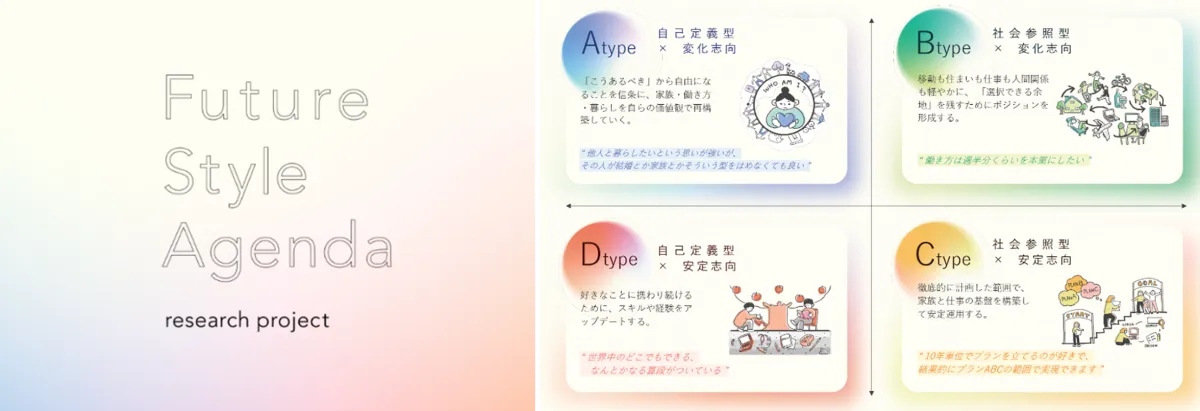
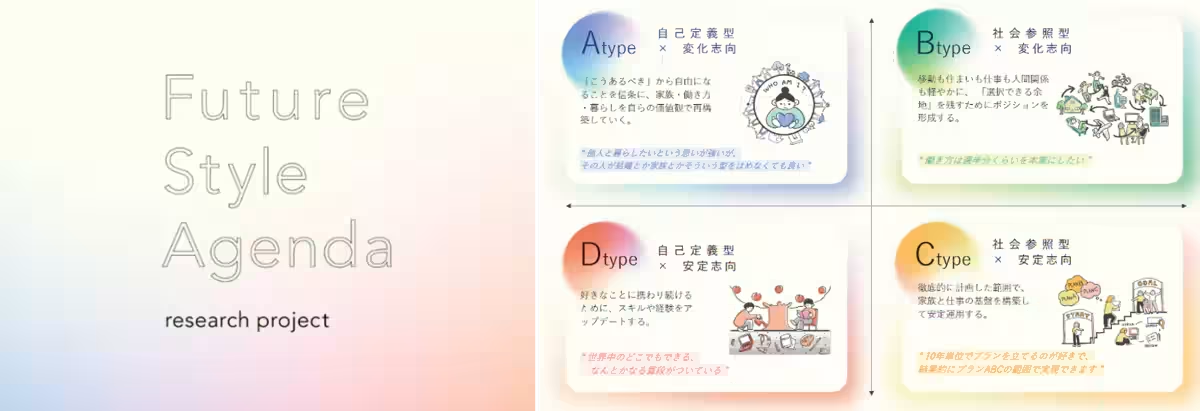
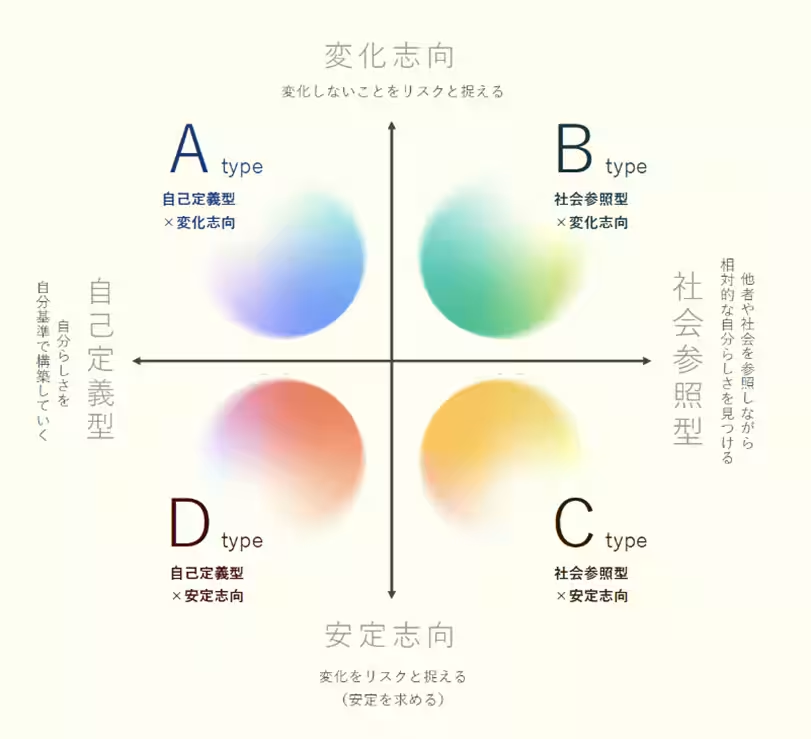
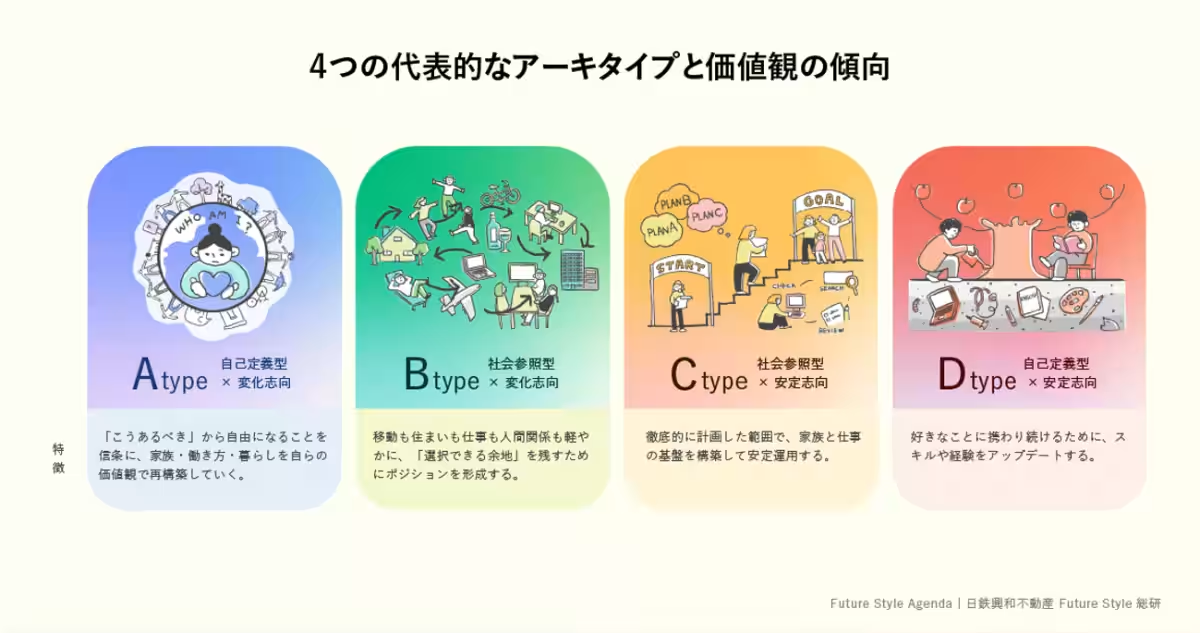
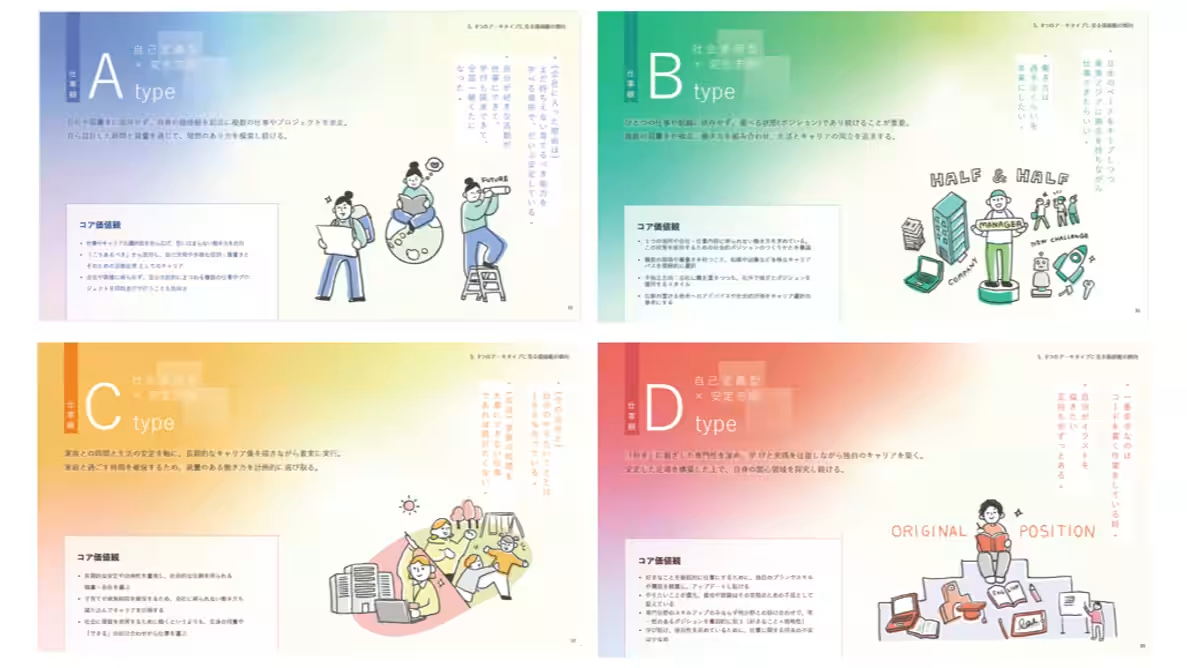
From the three assumptions and the resultant characteristics, the report delineates four representative archetypes for Gen Z:
- - Type A (Self-Defined, Change-Oriented): Individuals who prefer to redesign family and work structures based on personal values rather than conforming to rigid norms.
- - Type B (Social Reference, Change-Oriented): Those who find value in diverse social interactions while perceiving family and work as collaborative entities.
- - Type C (Social Reference, Stability-Oriented): People who centralize family in their lives while emphasizing long-term, planned stability.
- - Type D (Self-Defined, Stability-Oriented): Individuals who balance their authentic selves with a desire for stability and flexibility in their living arrangements.
These archetypes are thoroughly examined across essential domains, including perceptions of family, work, residence, health, and ownership.
Implications for Future Living
The insights gleaned from the "Future Style Agenda" underscore the evolving nature of lifestyle values that are influenced by demographic shifts, institutional changes, and technological advancements. Recognizing this evolution is critical for reimagining future living conditions that align with the ideals of the upcoming generations. As the Future Style Research Institute continues its exploration of life experiences that inform housing and urban design, it aspires to foster enriched lifestyles that resonate with individual sensibilities.
For further comprehensive insights, the complete report is available for download here: Future Style Agenda

Topics People & Culture)

【About Using Articles】
You can freely use the title and article content by linking to the page where the article is posted.
※ Images cannot be used.
【About Links】
Links are free to use.