



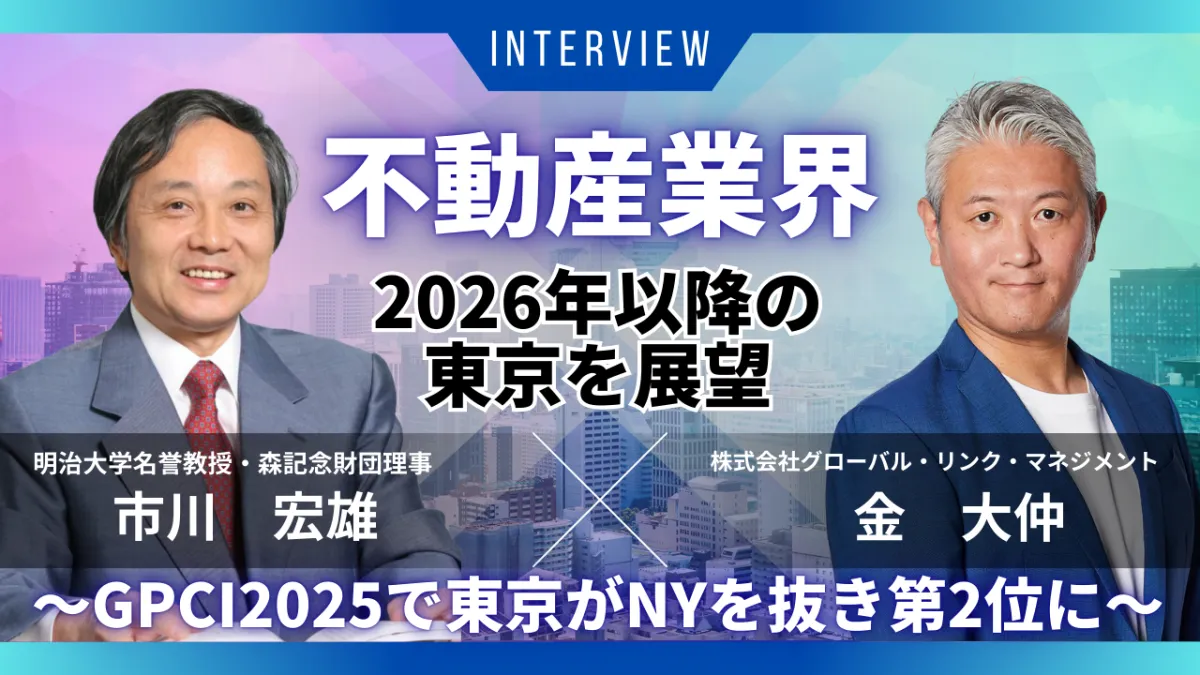
Tokyo Surges Past New York to Claim Second Spot in GPCI 2025 Ranking
Tokyo's Rise in the Global Power City Index
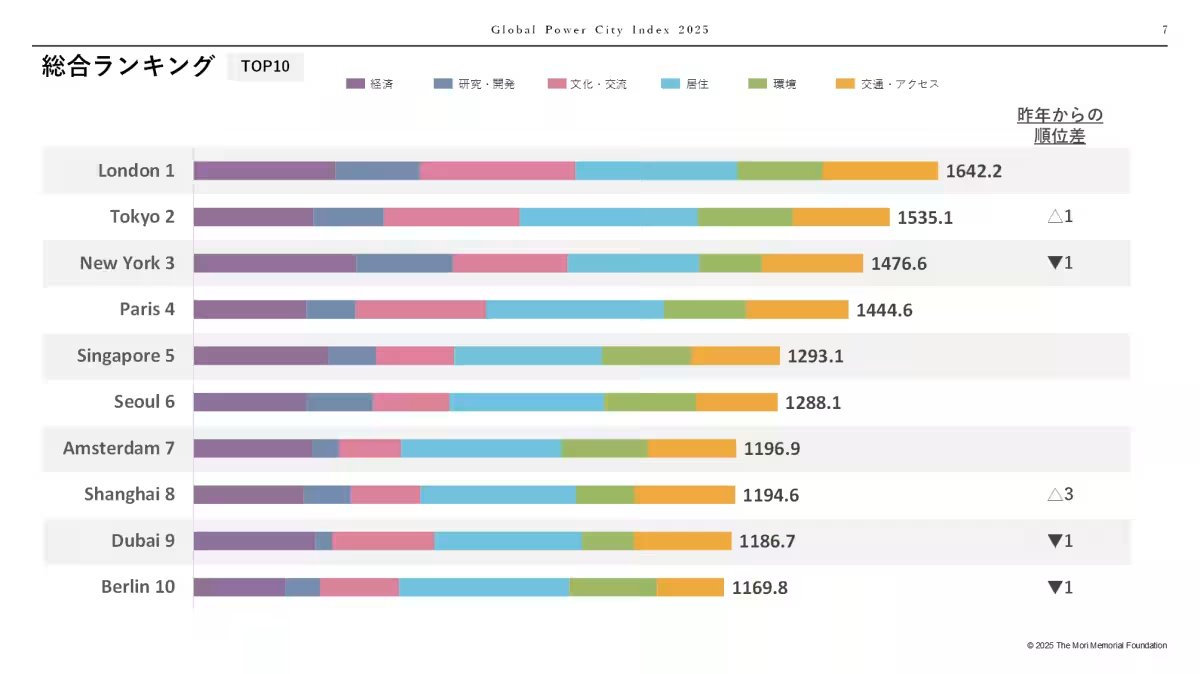
In a remarkable shift in the 2025 Global Power City Index (GPCI) rankings, Tokyo has achieved a significant milestone by overtaking New York to secure the second position. This announcement, made on December 17, 2025, by the Mori Memorial Foundation's Urban Strategy Institute, highlights Tokyo's evolving status as a global city. In a discussion with Dr. Hiroshi Ichikawa, the Director of the Global City Real Estate Institute established by Global Link Management (GLM) in 2019, the implications of this ranking were analyzed for future urban policy and real estate investments.
Tokyo's Global Standing
GLM CEO, Mr. Kan, opened the dialogue by recognizing the unstable global economy and expressing a desire to explore Tokyo's strengths and areas for improvement. Dr. Ichikawa emphasized Tokyo's strengths, notably its unique mega-city status, differentiated urban cores, and an impressive mix of efficiency and hospitality that remains unmatched by other cities. The director pointed out that Tokyo's rise to the second position resulted from its consistent score increase over the past two years and a decline in New York's score.
Tokyo's notable improvements were in the categories of 'Culture & Interaction' and 'Residential Environment.' In terms of culture, tourism and nightlife offerings have significantly enhanced the city's allure, contributing to an increase in foreign visitors. Meanwhile, the residential category benefited from flexible work methodologies and a high number of dining options, along with rising startup activity and environmental sustainability metrics.
Implications for Environmental Sustainability
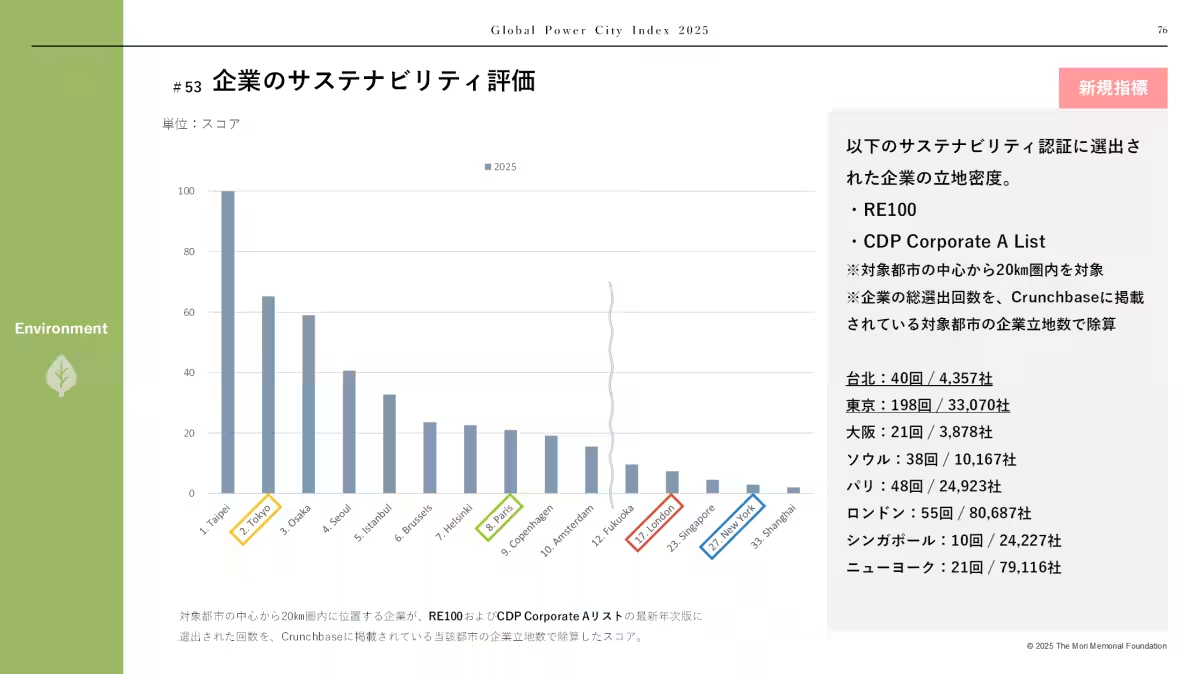
During the discussion, Mr. Kan raised the significant changes in environmental scoring metrics, which have garnered increased attention for sustainability efforts in Tokyo. GLM's commitment to developing environmentally certified properties aligns with this trend, having consistently achieved a CDP score of B over the past two years. Dr. Ichikawa noted that with the growing importance of environmental initiatives, investors are becoming more conscious of sustainability, yet he warned against prioritizing environmental issues at the expense of economic balance.
Expectations for Future Rankings
As Tokyo aspires to surpass London and capture the top position, Dr. Ichikawa pointed out the necessity for improvements in workplace infrastructure, specifically the scarcity of shared office spaces and the challenges faced in attracting skilled talent proficient in English. Furthermore, raising wage levels could enhance Tokyo's competitiveness in comparison to other metropolises.
Population Trends and Real Estate Market Landscape
The conversation shifted to Tokyo's post-pandemic population dynamics, which, according to recent estimates, has climbed back to over 14.2 million. Dr. Ichikawa recognized the ongoing trend of population centralization, particularly among young adults and foreign nationals. Despite a decline in natural population growth, social migration towards urban areas is projected to see the Tokyo 23 wards peak around 2035.
Furthermore, the influx of younger demographics, combined with an aging population, is anticipated to stimulate real estate transactions related to inheritance and land valuation across the city, stressing a need for attentive market analysis. Although potential risks from natural disasters such as earthquakes or volcanic eruptions remain concern, Tokyo's preparedness in disaster management is regarded as exemplary.
Future Outlook and Challenges in the Real Estate Market
Mr. Kan sought insights into noteworthy areas for real estate investment in Tokyo. Dr. Ichikawa affirmed that while central urban areas continue to show resilience, certain regions like Nakano have experienced project delays owing to rising development costs. Emerging demand is expected to shift towards eastern and northern districts, with specific attention to infrastructure developments in areas like Sumida and Koto.
Examining Tokyo's overall development trajectory, a southward shift is creating an axis of redevelopment from Nihonbashi towards Shinagawa and ultimately Haneda, with a particular emphasis on the growing importance of access to Haneda airport boosting the value of areas surrounding Shinagawa and Tennozu.
As per Dr. Ichikawa's analysis, the real estate market is likely to remain stable over the next four to five years, fueled by population growth and investment influx while maintaining political stability reinforces Tokyo's urban appeal. Mr. Kan agreed, reflecting on the noticeable investment activity from both domestic and foreign institutions, coinciding with low interest rates that facilitate profitable returns on investments amid an inflationary environment.
Addressing Challenges Ahead
The conversation culminated in an acknowledgment of ongoing challenges such as rising development costs instigating project delays, along with concerns about labor shortages and shifting global economic landscapes scheduled for post-2030. As the city adapts to these challenges, the incorporation of technological advancements, particularly from the burgeoning startup sector centered on AI, is acknowledged as crucial to enhancing urban productivity and sustainability.
In conclusion, today’s dialogue emphasized Tokyo's promising potential for continued growth within the real estate sector while alerting stakeholders to the evolving challenges that require adaptive strategies and vigilant oversight.





Topics Consumer Products & Retail)




【About Using Articles】
You can freely use the title and article content by linking to the page where the article is posted.
※ Images cannot be used.
【About Links】
Links are free to use.