



Survey Reveals How People Prepare for Unexpected Expenses in Japan
Understanding Financial Preparedness for Unexpected Expenses
In a society increasingly affected by rising costs and stagnant wages, it has become essential for individuals to manage their savings effectively. In August 2026, the Web3 media platform Mediverse, operated by For-IT, conducted a survey exploring how adults aged 20 and older perceive their ability to handle sudden financial emergencies. This article highlights the key findings of the survey, shedding light on the public’s financial preparedness, coping strategies, and differences across demographics.
Survey Overview
The survey targeted 500 adults across Japan, utilizing an online research method to gather insights on their experiences and strategies regarding unexpected expenses, specifically those exceeding 100,000 yen.
Experiences with Financial Emergencies
Key Findings
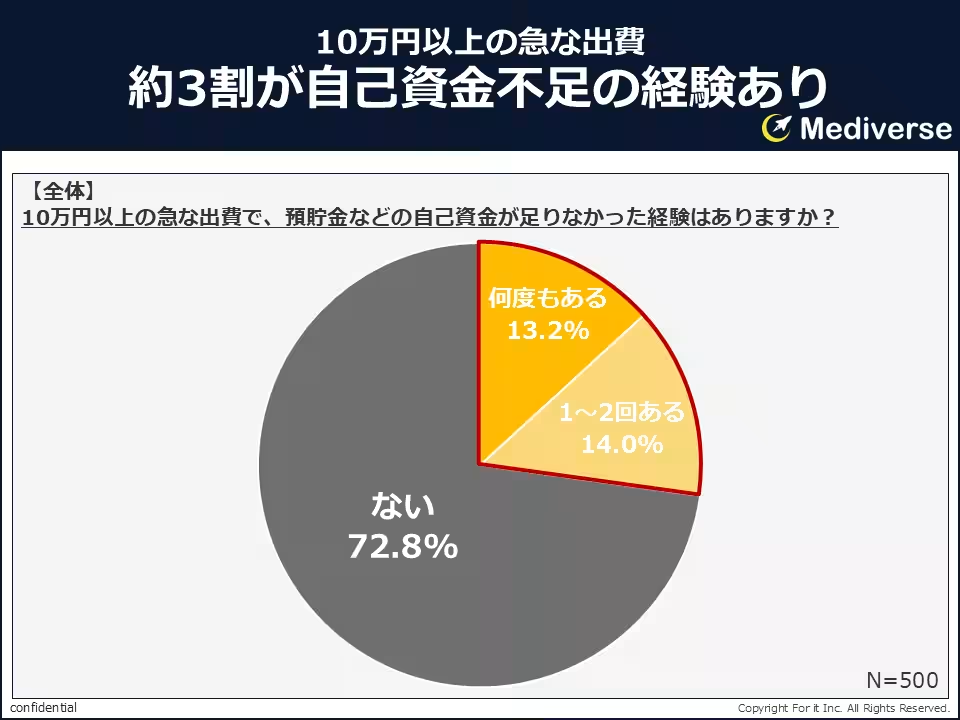
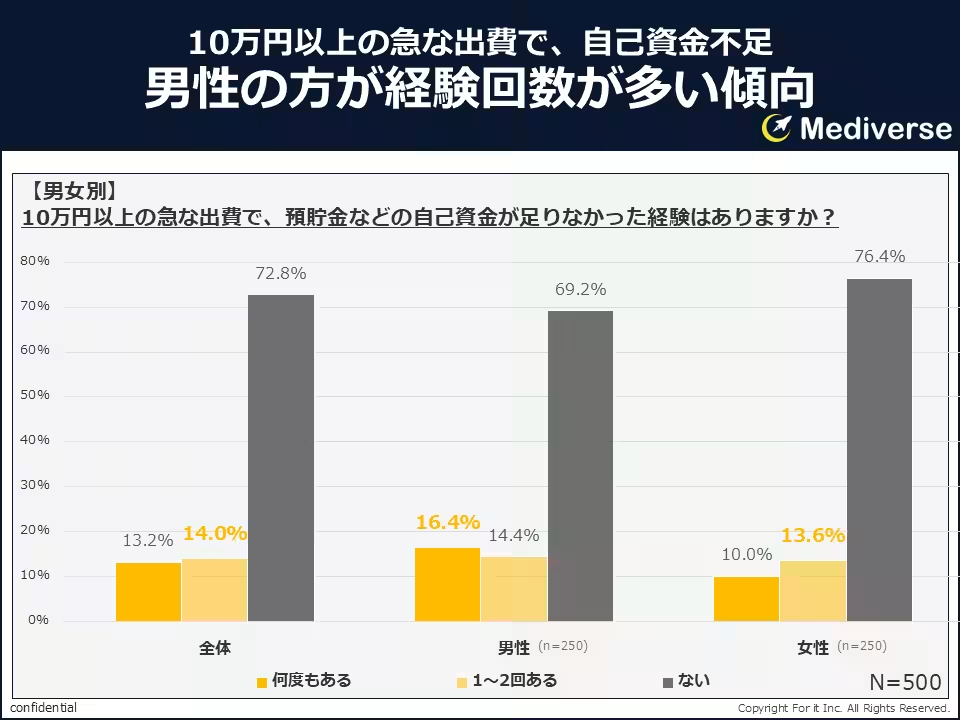
Approximately 27.2% of respondents reported instances where their self-funding fell short during unexpected emergencies, while a significant 72.8% affirmed they had not faced such a situation. A gender analysis showed that men (30.8%) reported more experiences of financial crises compared to women (23.6%). Notably, over 16.4% of men indicated they had encountered these issues multiple times, contrasting with 10% of women, suggesting men tend to face such emergencies more frequently.
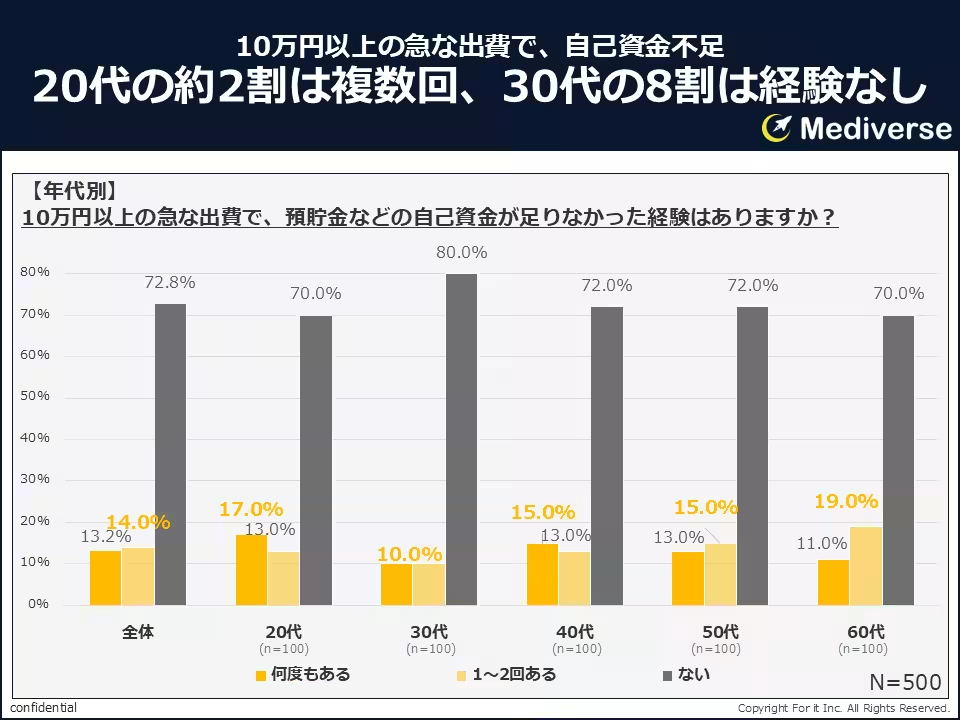
By age group, individuals in their 30s noted the lowest rates of financial distress (80.0% claimed no such experience), whereas those in their 20s and 60s reported the highest experiences at approximately 30% each. Interestingly, 17.0% of young respondents noted they had encountered these situations repeatedly, hinting at a pattern of recurring financial challenges among younger adults. In contrast, a notable 19.0% of older respondents indicated they faced financial crises once or twice.
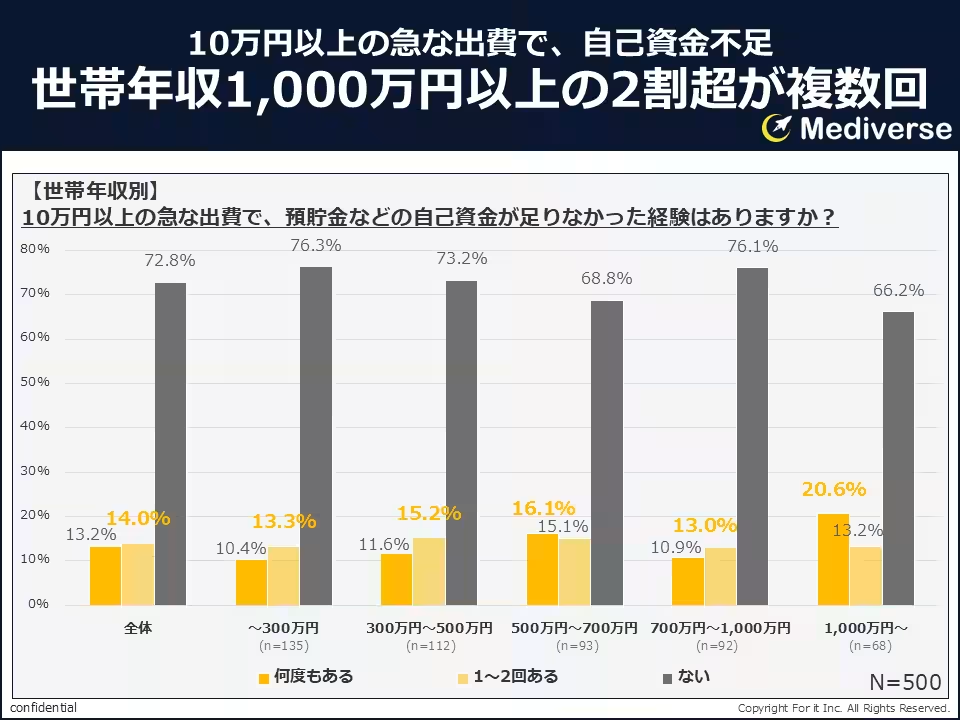
Looking at household income, the survey revealed that those in households earning over 10 million yen displayed the highest incidence of financial distress (33.8%), where 20.6% had encountered such situations multiple times. This contrasts with lower-income households (under 3 million yen), which exhibited a lower frequency of occurrences (23.7% and 10.4%, respectively). This data suggests that higher income doesn't necessarily shield individuals from financial emergencies.
Coping Strategies for Sudden Expenses
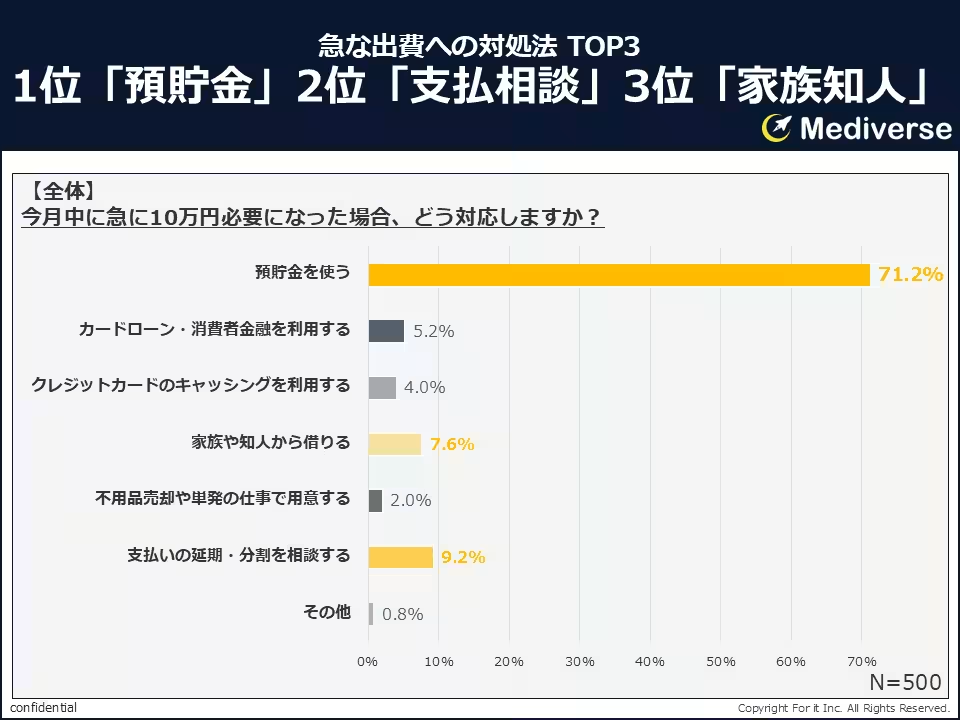
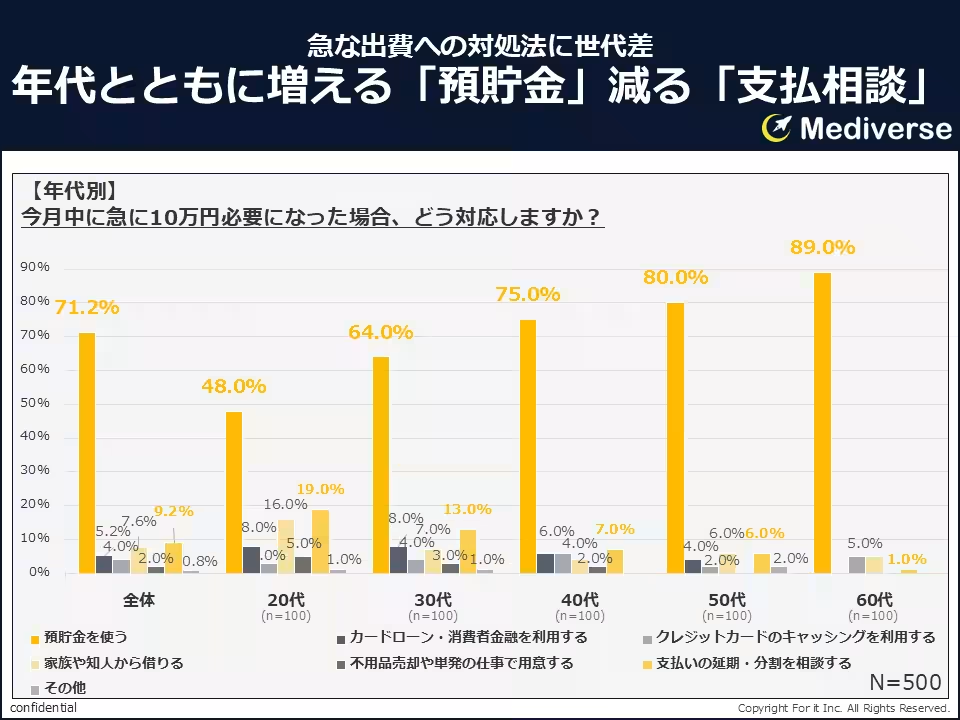
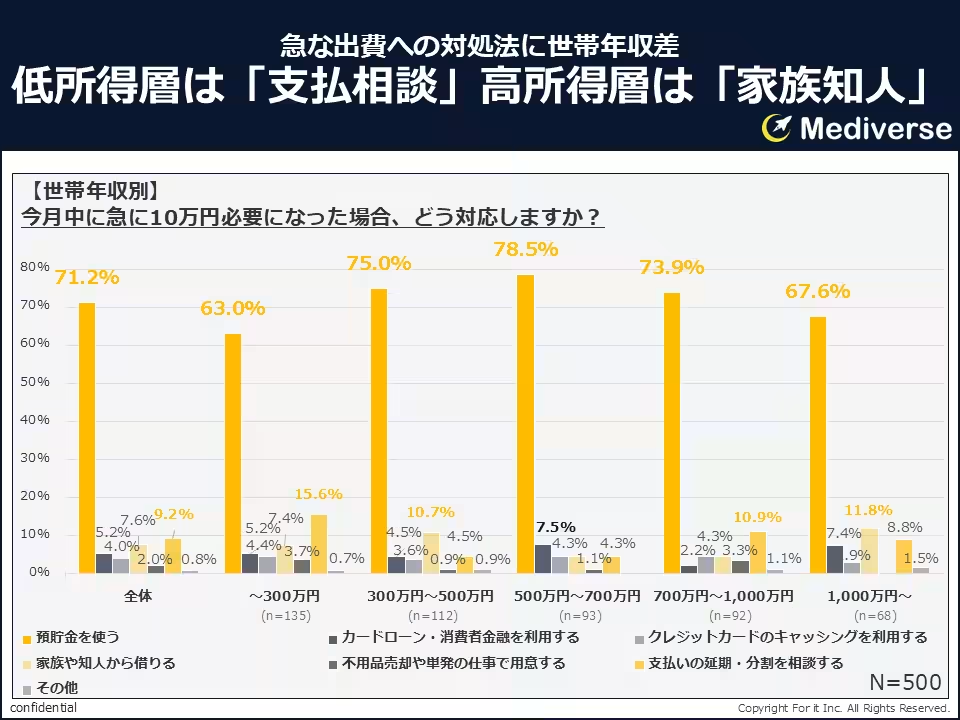
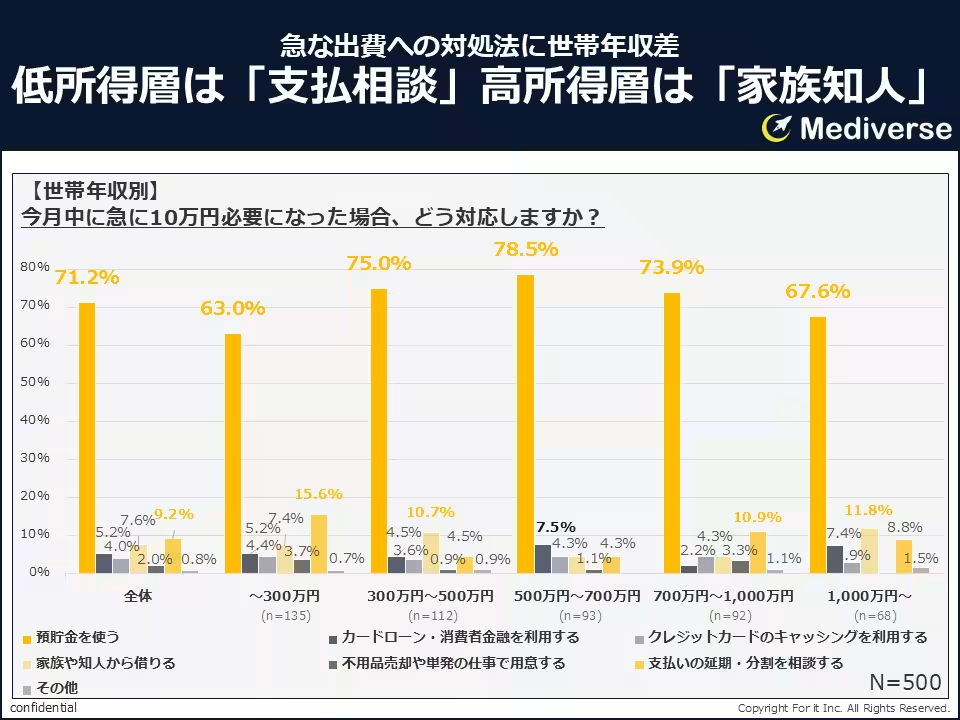
When asked how they would respond if required to find 100,000 yen immediately, an overwhelming 71.2% indicated they would use their savings. Other strategies included negotiating payment postponements (9.2%), borrowing from family or friends (7.6%), or utilizing card loans and consumer finance options (5.2%). While tapping into personal savings is the predominant approach, some individuals seem to lean on external sources when necessary.
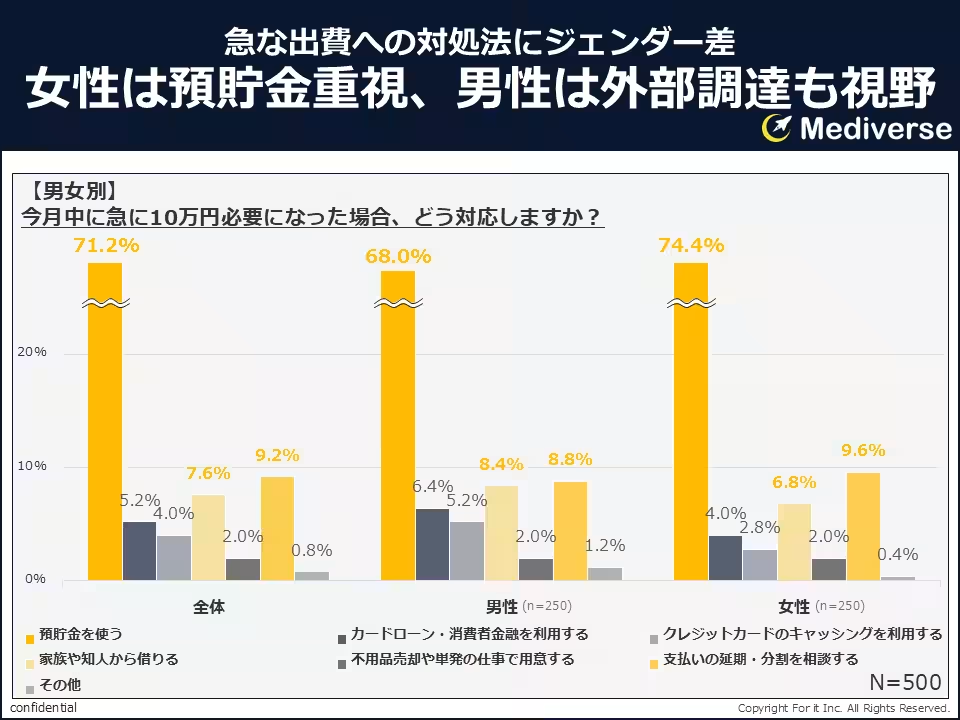
Analyzing by gender revealed that women (74.4%) were slightly more inclined than men (68.0%) to rely on their savings. However, men showed a stronger tendency toward external financing options, such as loans. Age-wise, the willingness to use savings increased significantly with age, with only 48.0% of respondents in their 20s choosing this route compared to 89.0% of those in their 60s. Younger individuals exhibited a greater inclination to negotiate payment flexibility or reach out to family for assistance, indicating a pragmatic approach to managing financial stress.
Availability of Savings for Unforeseen Expenses
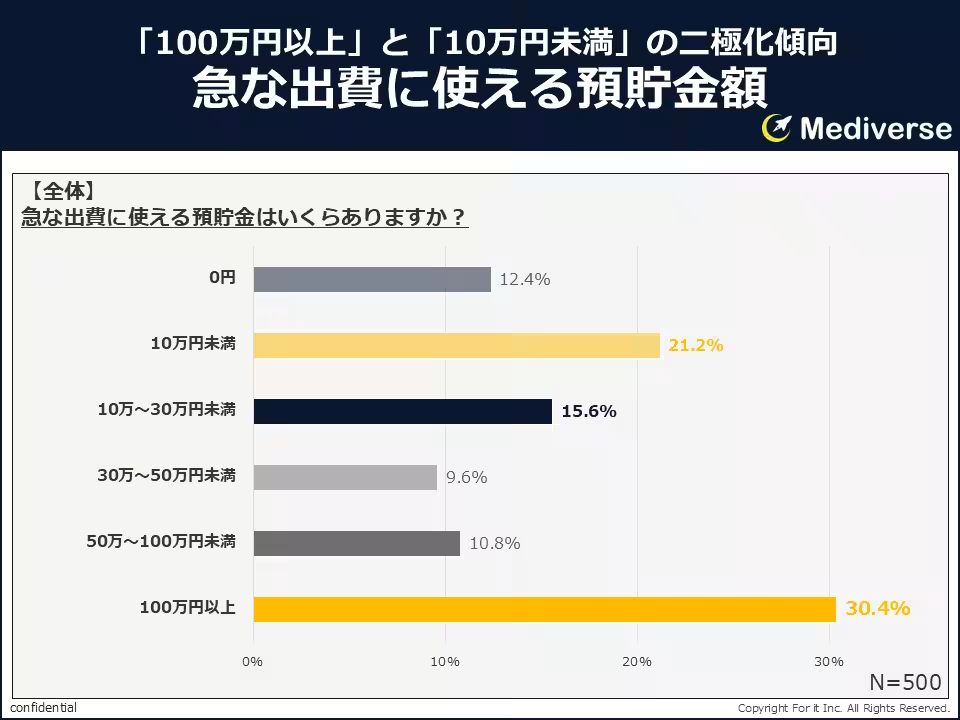
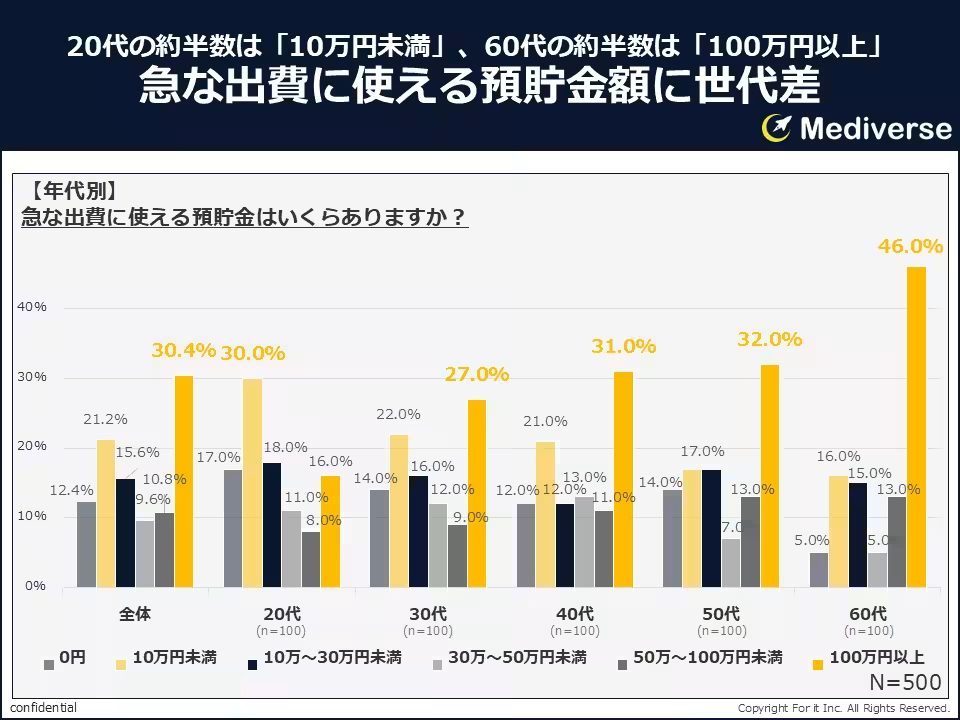
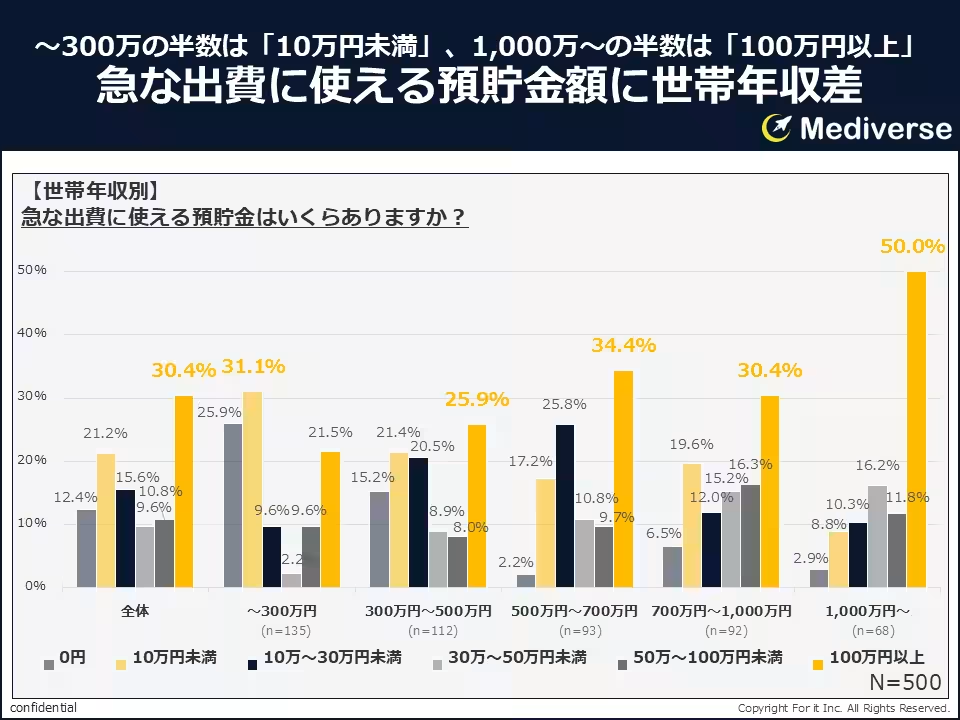
The survey explored the amount of savings available for emergencies, revealing that 30.4% of respondents had savings of over 1 million yen. In contrast, more than 33.6% of participants indicated they had less than 10,000 yen saved, showcasing a pronounced disparity in financial readiness.
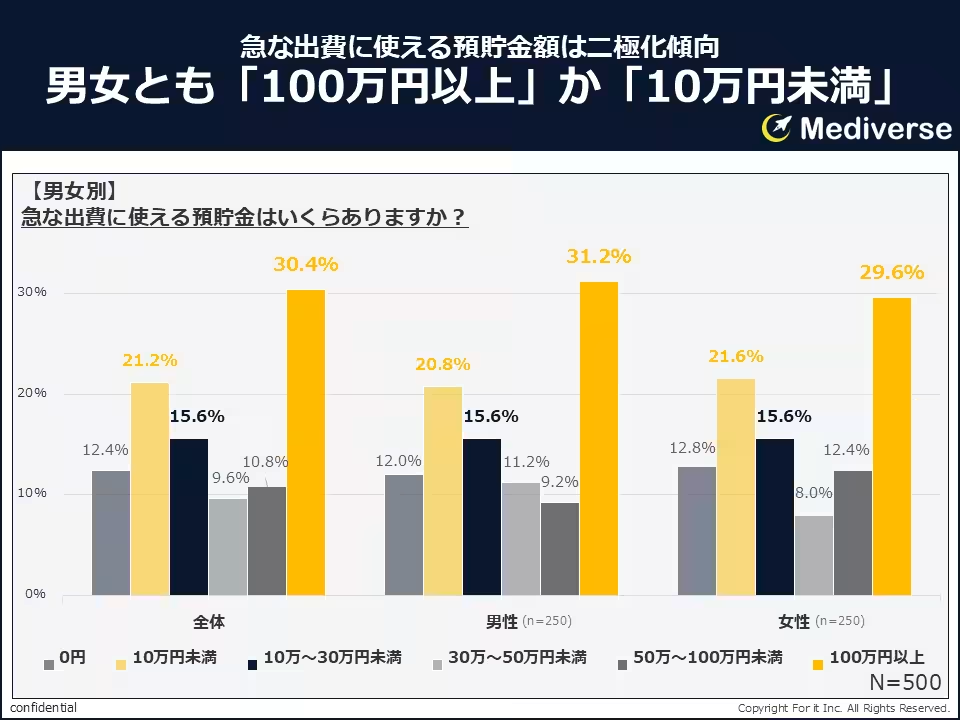
Both genders demonstrated similar patterns regarding their available resources, with a slight variance in those reporting over 1 million yen (men: 31.2%, women: 29.6%). However, a notable percentage from both genders (over 30%) indicated they had under 10,000 yen available for sudden expenditures.
Younger respondents, especially those in their 20s, represented a stark contrast with around 47.0% having less than 10,000 yen, whereas almost 46.0% of respondents in their 60s reported savings of over 1 million yen. This divergence emphasizes the financial struggles faced by younger individuals.
Preparation Strategies for Financial Crises
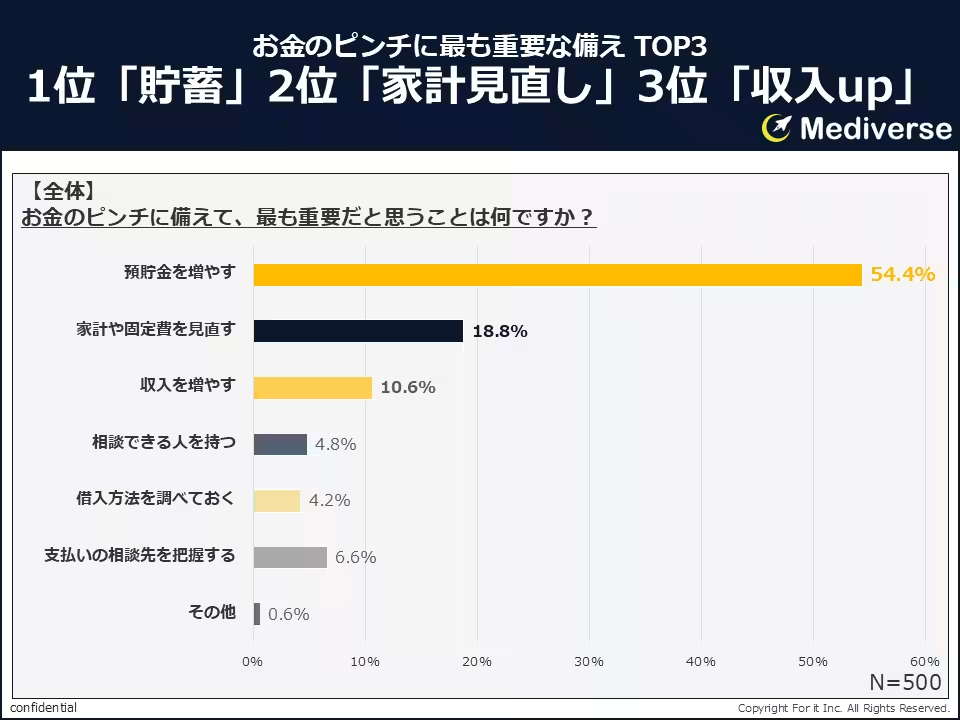
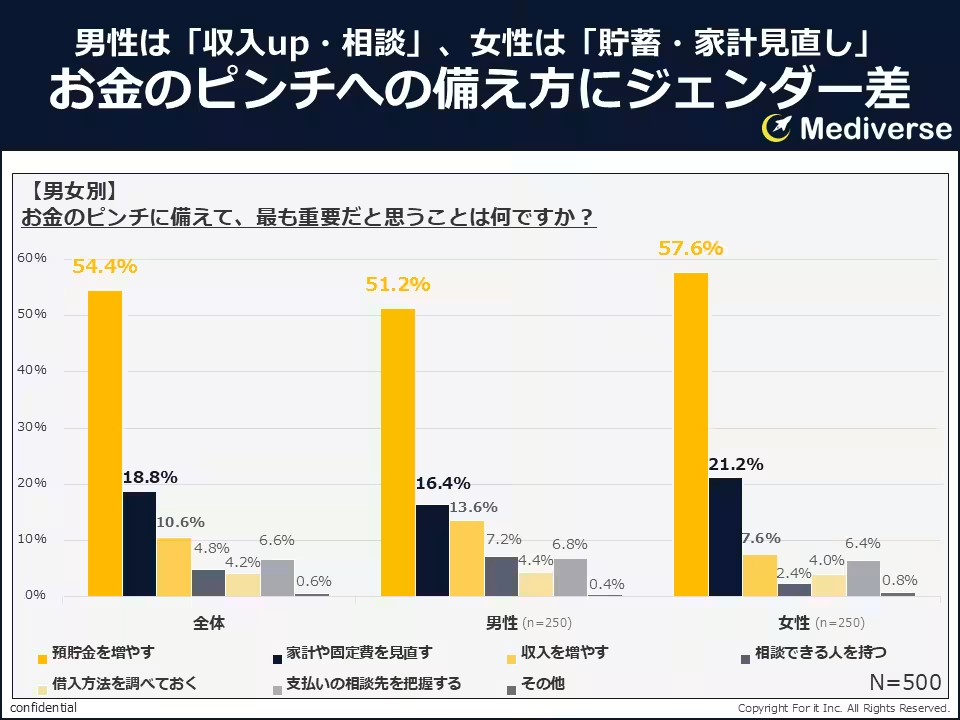
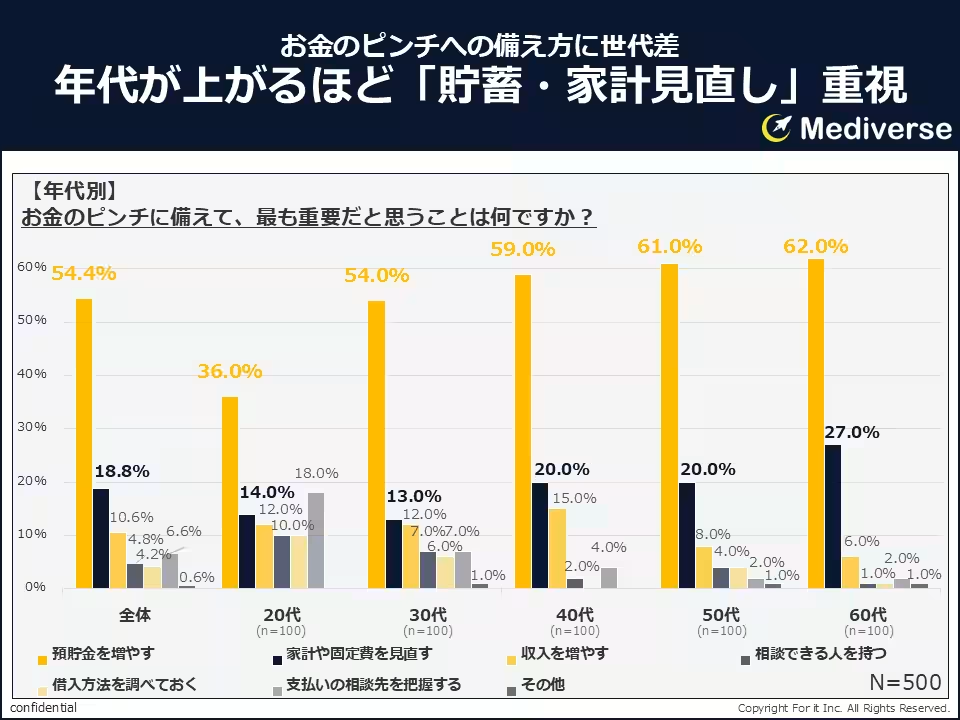
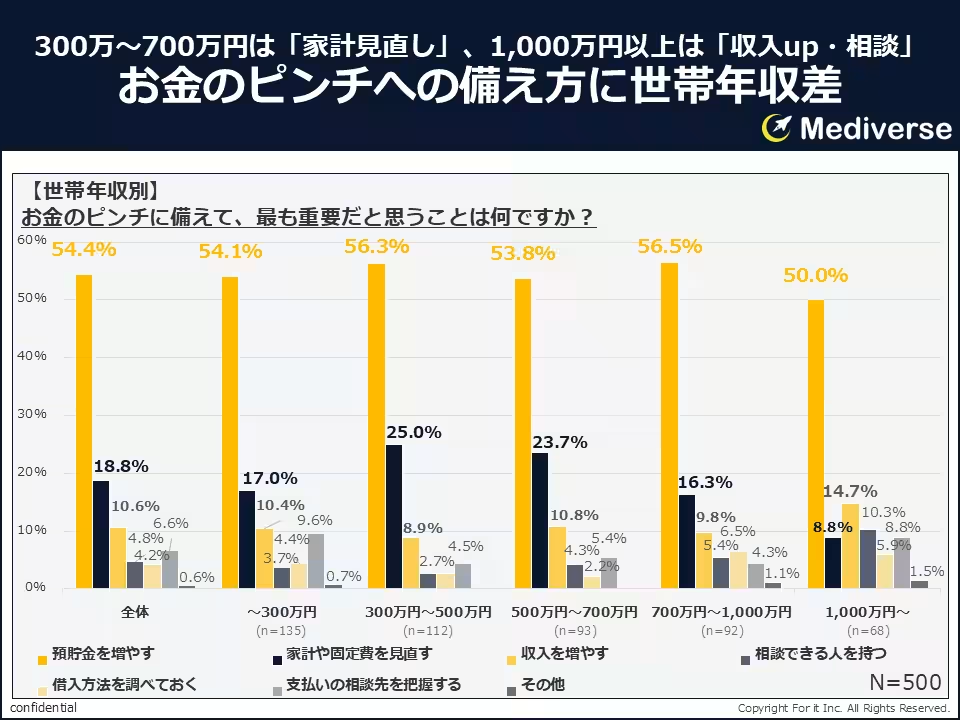
An overwhelming 54.4% of respondents prioritized increasing their savings as the most crucial preparatory action against financial emergencies. Other significant strategies included reviewing household budgets (18.8%) and focusing on increasing income (10.6%). Notably, very few preferred researching potential borrowing options or understanding where to seek financial help.
Gender analysis showed that women demonstrated a stronger focus on savings and budget reviews compared to their male counterparts. This proactive approach indicates an underlying tendency among women to emphasize financial security over income enhancements, as men displayed a notably higher interest in increasing income (13.6% compared to 7.6% for women).
Conclusion
The findings from this survey underscore how Japanese individuals perceive and manage unexpected expenses. The distinction between those with sufficient savings and those lacking financial buffers is distinctly highlighted by age, gender, and household income. The trend demonstrates growing vulnerabilities among younger demographics while revealing that a focus on increasing savings is prevalent among most groups. Despite this general priority, the strategies employed show a considerable divergence, particularly across different income brackets, stressing the importance of tailored financial literacy programs aimed at improving individual economic resilience against unforeseen financial emergencies.
As society continues to grapple with economic uncertainties, awareness and preparedness will be key to ensuring financial stability for all. The insights provided by Mediverse aim to broaden understanding and foster responsible financial planning among individuals navigating the complexities of modern economics.
Topics Financial Services & Investing)

【About Using Articles】
You can freely use the title and article content by linking to the page where the article is posted.
※ Images cannot be used.
【About Links】
Links are free to use.