



Sustainability in Travel: Japan's Changing Priorities for 2026
The Growing Importance of Sustainability in Japanese Travel
In a groundbreaking survey conducted by Agoda Company Pte. Ltd., a leading digital travel platform headquartered in Singapore, it was revealed that sustainability has become a vital factor for travelers in Japan. The 2026 Sustainable Travel Survey, aptly named 'Eco Deals', focused on travelers across Asia and highlighted the increasing significance of sustainable practices in their travel choices. Among the 1,036 participants surveyed from eight key Asian markets, a notable 54% of Japanese respondents indicated that sustainability plays a crucial role in their decision-making process when selecting travel destinations. This marks a substantial increase from the previous year’s figure of 39%.
Surging Awareness of Sustainable Travel
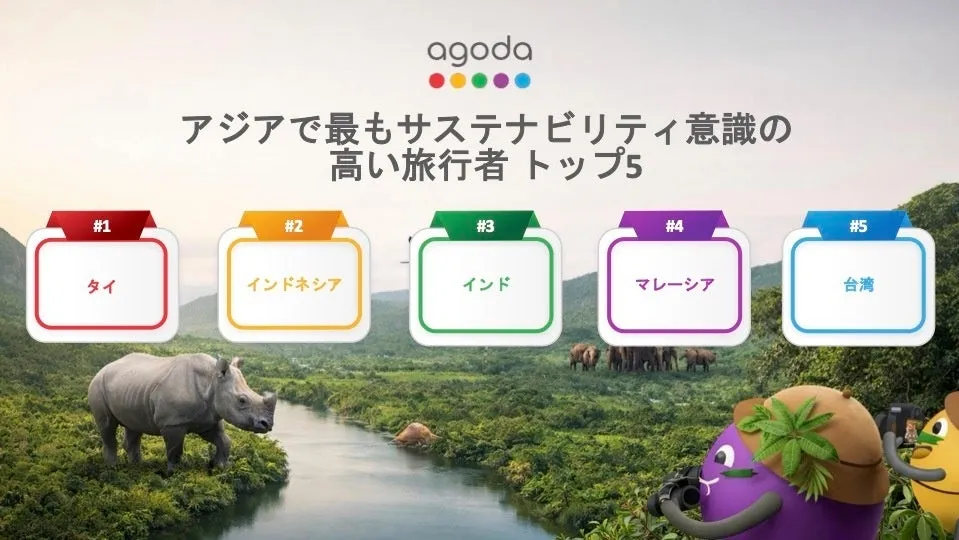
The survey found that, overall, 77% of Asian travelers now prioritize sustainability when planning their trips, an increase from 68% last year. Thailand demonstrated the highest level of commitment, with a remarkable 95% of participants emphasizing the importance of sustainability in their travel choices. Meanwhile, Japan showcased a growing consciousness regarding sustainable travel, reflecting a broader trend in leisure travel where environmental concerns transcend basic measures and encompass community engagement and cultural preservation.
What sets Japanese travelers apart is their focus on how their travel spending contributes back to local communities. Approximately 40% of respondents in Japan expressed that the most crucial outcome of sustainable travel is ensuring that their spending positively impacts the local economy. Additionally, building deeper relationships with destinations and protecting natural landscapes and wildlife for future generations garnered support from 24% of the participants, showcasing that sustainability is increasingly viewed not merely as an environmental concern but as a comprehensive approach that enriches travel experiences.
Seeking Sustainable Choices
The survey also unveiled a shift in travel behavior among Japanese tourists. About 27% of respondents showed interest in using low-impact transportation methods, indicating heightened awareness about the environmental footprint associated with travel. Furthermore, 22% are inclined to book accommodations that hold sustainability certifications, while 21% prefer tours and experiences that contribute to environmental conservation and community welfare.
These preferences illustrate the growing demand for more sustainable options across all phases of travel planning among Japanese travelers. The increasing interest in eco-friendly choices is evident, as travelers seek products and services that align with their principles of sustainability.
Practicing Sustainable Travel
Among the practical steps taken by Japanese travelers to promote sustainable tourism, 'off-peak travel' emerged as the most common action. This strategy, aimed at avoiding overcrowded popular tourist destinations, signifies a collective desire to lessen the burden on these sites. Additionally, many travelers are consciously supporting local economies by utilizing local businesses and engaging in community-driven tourism experiences. The preference for accommodations with sustainability certifications further highlights a growing appreciation for comfort combined with environmental responsibility.
Insights from Agoda's Senior Country Director
Masaru Ikai, Senior Country Director at Agoda International Japan, commented on the rising trend: 'Sustainable travel is gaining momentum across Asia as travelers are increasingly seeking options that yield positive impacts through their journeys. In Japan, the number of travelers who are mindful of the impact their travel has on destinations and communities is on the rise. Through our 'Eco Deals' program, Agoda responds to this demand by providing attractive accommodation offers while supporting wildlife conservation and habitat preservation initiatives in Asia.'
Eco Deals Program: Making a Difference
Agoda’s Eco Deals program, in partnership with the World Wide Fund for Nature (WWF), supports travelers in making environmentally and socially conscious choices. Launched in 2026, the initiative aims to transform everyday travel into opportunities for nature conservation by funding various environmental protection projects in 10 markets, with a commitment of $1.5 million through Agoda’s donations. Guests can benefit from discounts of up to 15% on participating properties until December 18, with $1 donated to WWF for every completed booking made through Eco Deals. Travelers can easily access Eco Deals listings via Agoda’s dedicated program page or property icons.
For more details, visit Agoda Eco Deals.
Conclusion
The latest findings underscore an essential evolution in Japanese travel attitudes towards sustainability. As more travelers prioritize eco-friendly options, the travel industry must continue to adapt and innovate to meet these emerging demands. Agoda's ongoing commitment to sustainability serves as a model for balancing enjoyable travel experiences with responsible practices, making a meaningful impact on both local communities and the environment.

Topics Travel)
【About Using Articles】
You can freely use the title and article content by linking to the page where the article is posted.
※ Images cannot be used.
【About Links】
Links are free to use.