



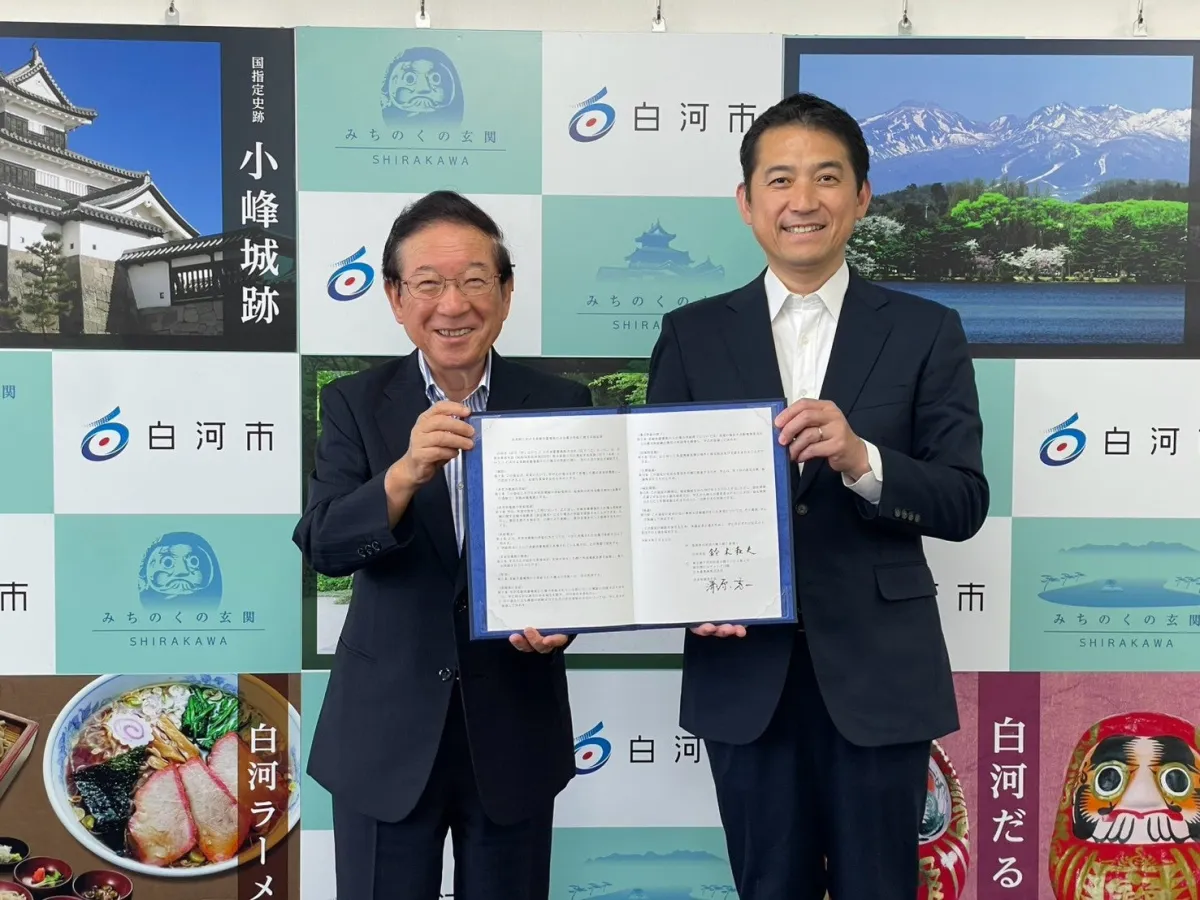
Agreement Between Shiraishi City and Nippon Storage Battery for Disaster Response Energy Supply
Shiraishi City Partners with Nippon Storage Battery for Disaster Preparedness
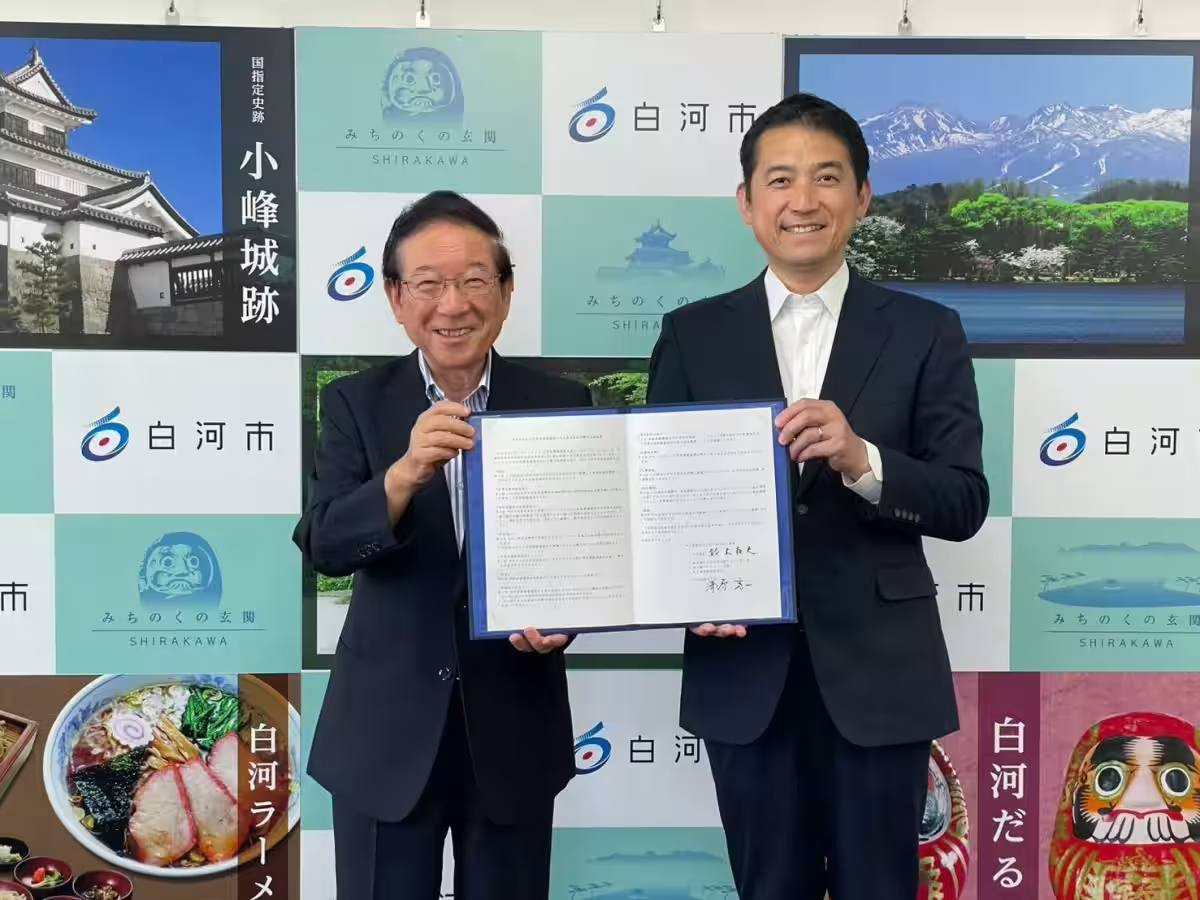
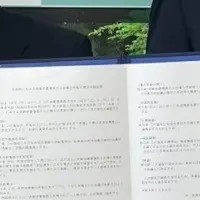
On July 22, 2023, Nippon Storage Battery Corporation, headquartered in Chiyoda, Tokyo, formally entered into a disaster response agreement with Shiraishi City in Fukushima Prefecture. This agreement aims to strengthen the city's disaster preparedness and ensure the continuity of essential services for residents.
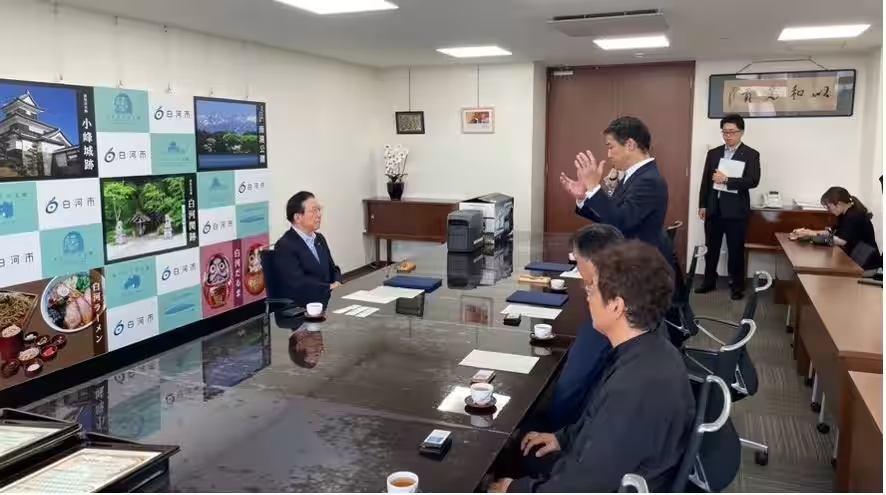
The Signing Ceremony
The signing ceremony was attended by prominent figures, including Shiraishi City Mayor Kazuhiro Suzuki and Nippon Storage Battery President Shuichi Urushihara. The agreement highlights a collaborative framework that focuses on energy supply support during emergencies, enhancing local disaster readiness and improving citizen services.
Understanding the Disaster Response Agreement
This type of collaboration agreement is designed to prepare for large-scale disasters and power outages by establishing a support framework between local governments and private enterprises. It ensures timely coordination for essential resources like supplies, personnel, and energy, establishing a structured response plan before emergencies occur.
The Role of System Battery Storage
System batteries are large-scale storage units designed to effectively utilize renewable energy and balance electricity supply and demand. These facilities are connected to the power grid and operate by charging during periods of surplus and discharging when needed. They play a critical role in stabilizing the operations of renewable sources, particularly solar and wind energy, which are subject to fluctuations in output.
Emergency Usage of System Battery Storage
Equipped with external power outlets, the system battery storage can supply electricity under emergency circumstances. Qualified personnel can operate these outlets onsite, enabling the distribution of stored energy to power portable batteries, smartphones, laptops, and other essential communication devices during crises.
Capacity for Power Supply
It is estimated that a two-person household requires about 17 kWh of electricity over 72 hours (approximately 5.6 kWh per day) during emergencies. The planned capacity of the storage facility is about 8 MWh (8,146 kWh), sufficient to provide power to approximately 470 households over three days. Such installations are expected to play a crucial role as part of disaster response infrastructure.
About Nippon Storage Battery Corporation
Nippon Storage Battery Corporation is primarily engaged in the promotion of system batteries that support energy adjustments and power functionality. The company operates in three main areas:
1. Development of Storage Facilities: Identifying appropriate sites for installations while liaising with power companies for operational setup. Ensuring that the selected site complies with construction requirements to establish trustworthy battery facilities.
2. Operation and Maintenance: They monitor and conduct standard inspections to ensure stable operation over extended periods. Given that the battery projects demand operational longevity of 20 years, sustained reliability is paramount. Their operational know-how allows for fruitful partnerships that guarantee a safe usage environment.
3. Market Creation: They strive to establish a sustainable market for system batteries, facilitating an entry point for businesses and investors, ultimately contributing to Japan's stable energy supply.
Future Initiatives
Currently, Japan relies on fossil fuels for more than 70% of its power generation. Transitioning to renewable energy sources is vital for reducing CO2 emissions and fostering a sustainable society. The company plans to extend the installation of battery storage facilities, targeting operations for 70 sites by 2028 to address these critical challenges.
Company Overview
- - Name: Nippon Storage Battery Corporation
- - CEO: Shuichi Urushihara
- - Location: 13th Floor, Kasumigaseki Building, 3-2-5 Kasumigaseki, Chiyoda, Tokyo
- - Business: Development and operation of system storage facilities
- - Website: Nippon Storage Battery
Topics Other)



【About Using Articles】
You can freely use the title and article content by linking to the page where the article is posted.
※ Images cannot be used.
【About Links】
Links are free to use.