



Explore the Historical Significance of Horses in Japan at the National Archives Exhibition
Discovering Horses in Japanese History
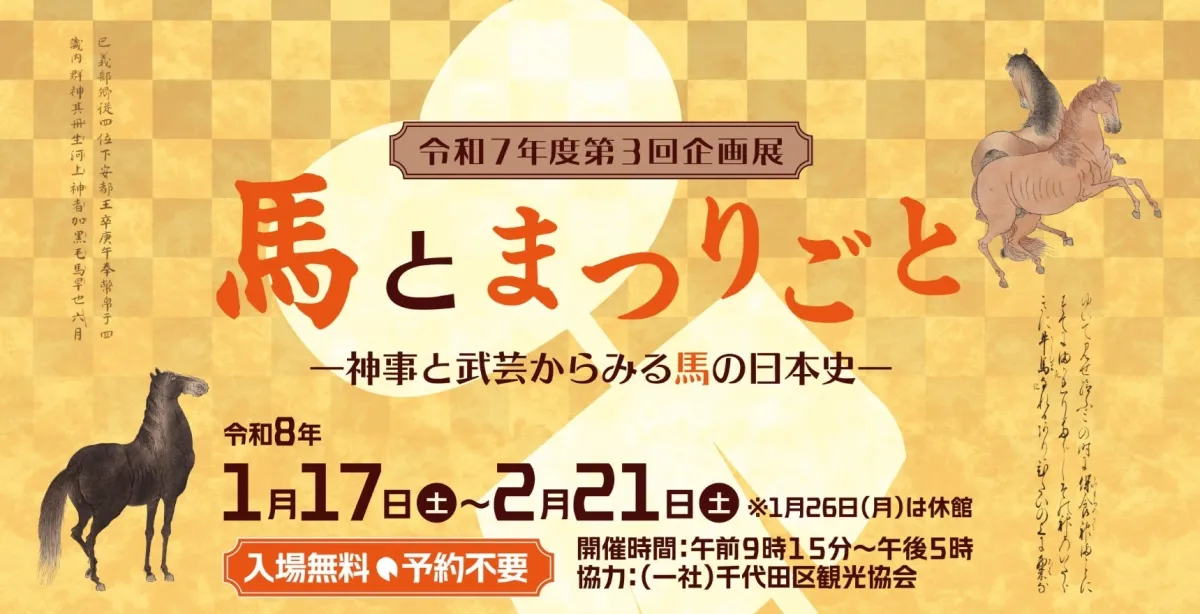
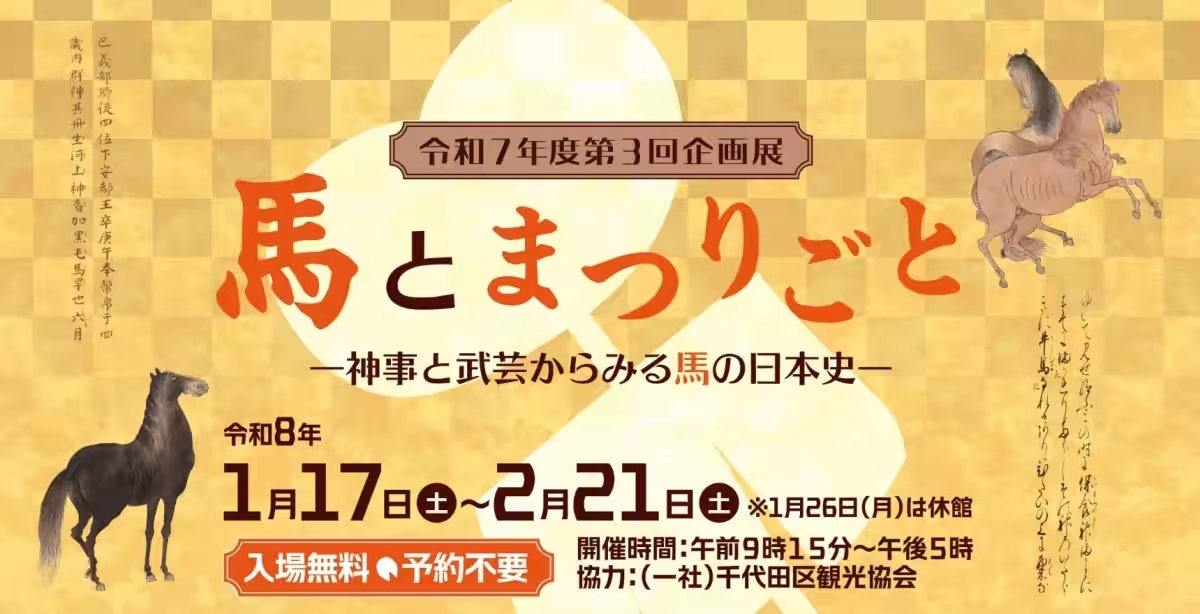
In 2026, Japan celebrates the Year of the Horse, and the National Archives of Japan will mark this occasion with a captivating exhibition titled "Horses and Governance: Understanding Japan’s History Through Divine Rituals and Martial Arts." Scheduled from January 17 to February 21, the exhibition offers a unique look at the profound relationship between horses and the Japanese people throughout history.
Prologue: The Encounter with Horses
Historically, horses have played a significant role in Japan's culture and society. Although horses were not native to Japan, they were introduced from the continent around the late 4th century to early 5th century. From their initial introduction to their evolution as symbols of power and grace in battles, artistic representations, and esteemed figures, horses have undoubtedly left a lasting imprint.
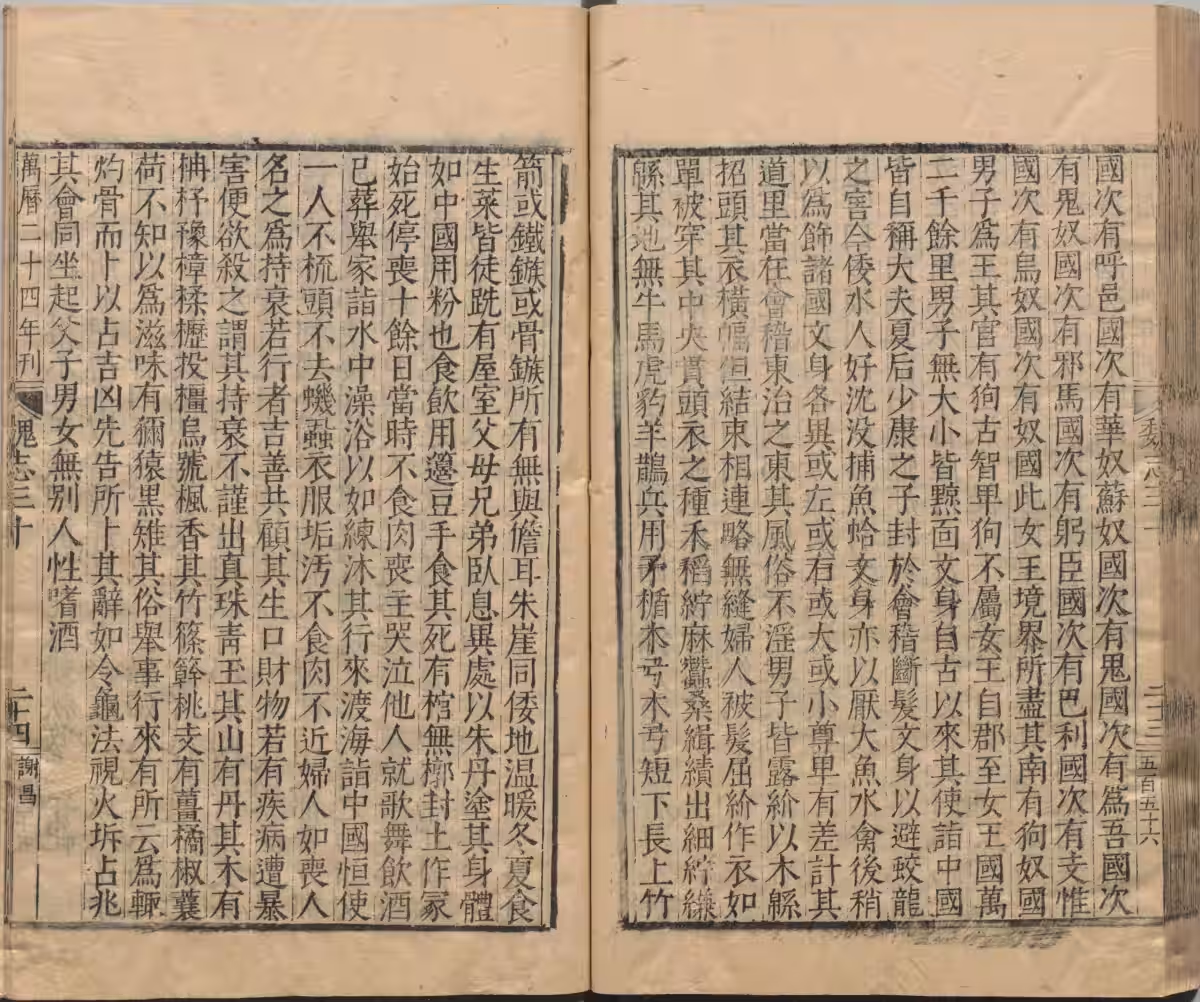
This exhibition presents archival materials that document the arrival of horses in Japan, illustrating the pivotal moments that shaped their integration into socio-political practices.
Chapter I: Horses and the Divine
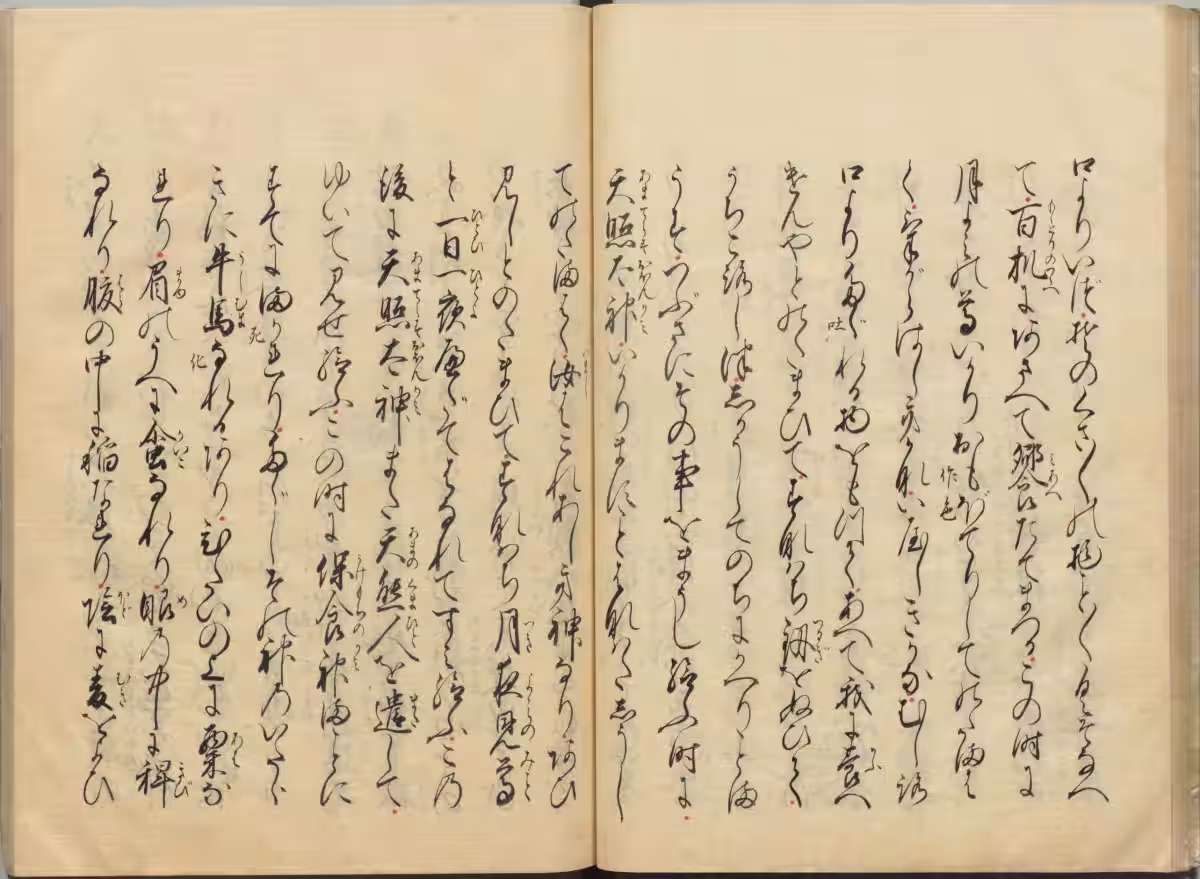
Japan’s oldest historical texts date back to the era of gods, where the connection between divine beings and horses is vividly chronicled. The exhibition delves deep into how these majestic creatures were not just companions but also offerings to gods. It examines what the people wished for and how horses were involved in these meaningful dedications, offering insights into the societal hopes and spiritual practices of ancient Japan.
Chapter II: The Imperial Court and Horses
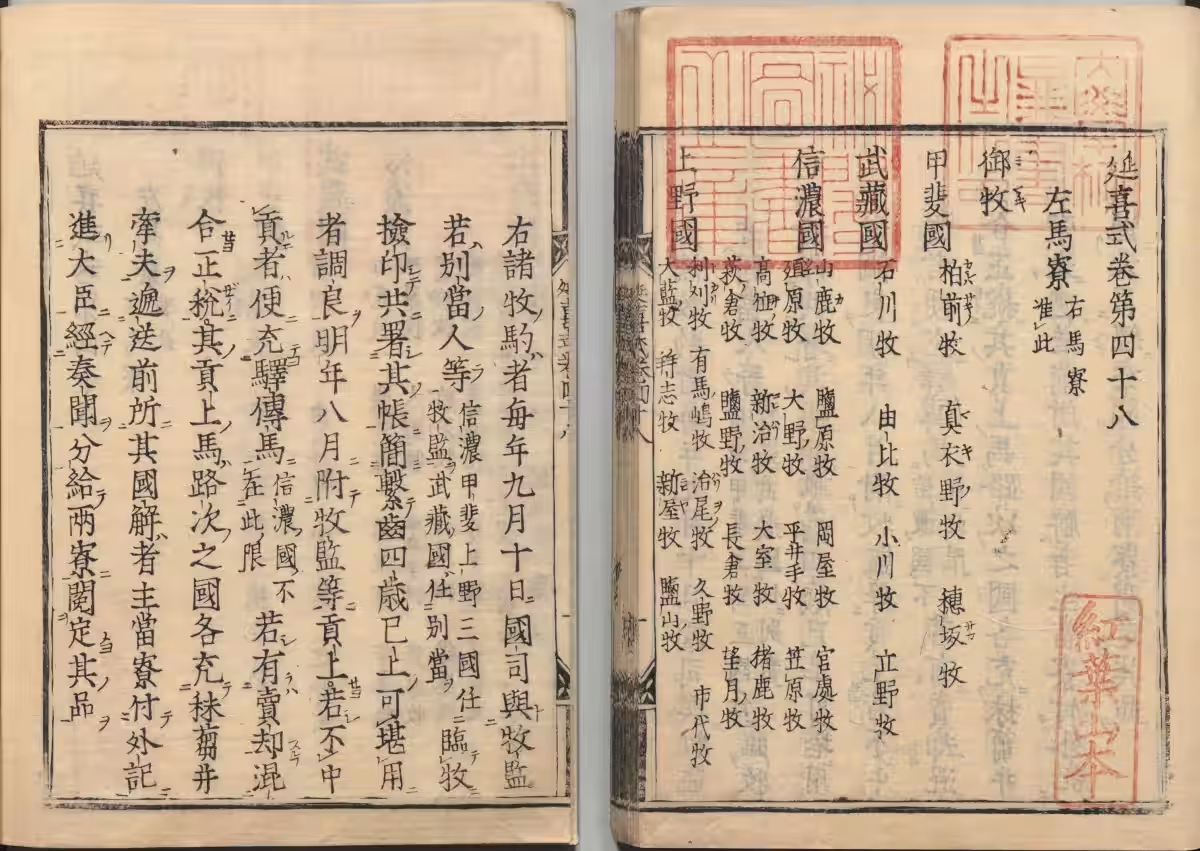
The term 'imperial court' refers to the political sphere governed by the emperor, where numerous traditional ceremonies and rituals occurred. Such events are intrinsically linked to horse presence, with some court ceremonies being impossible without these noble animals. The exhibition reveals how the imperial system established processes for horse procurement and details how essential horses were in maintaining the rituals that upheld the court’s political and cultural life.
Chapter III: Samurai and Horses
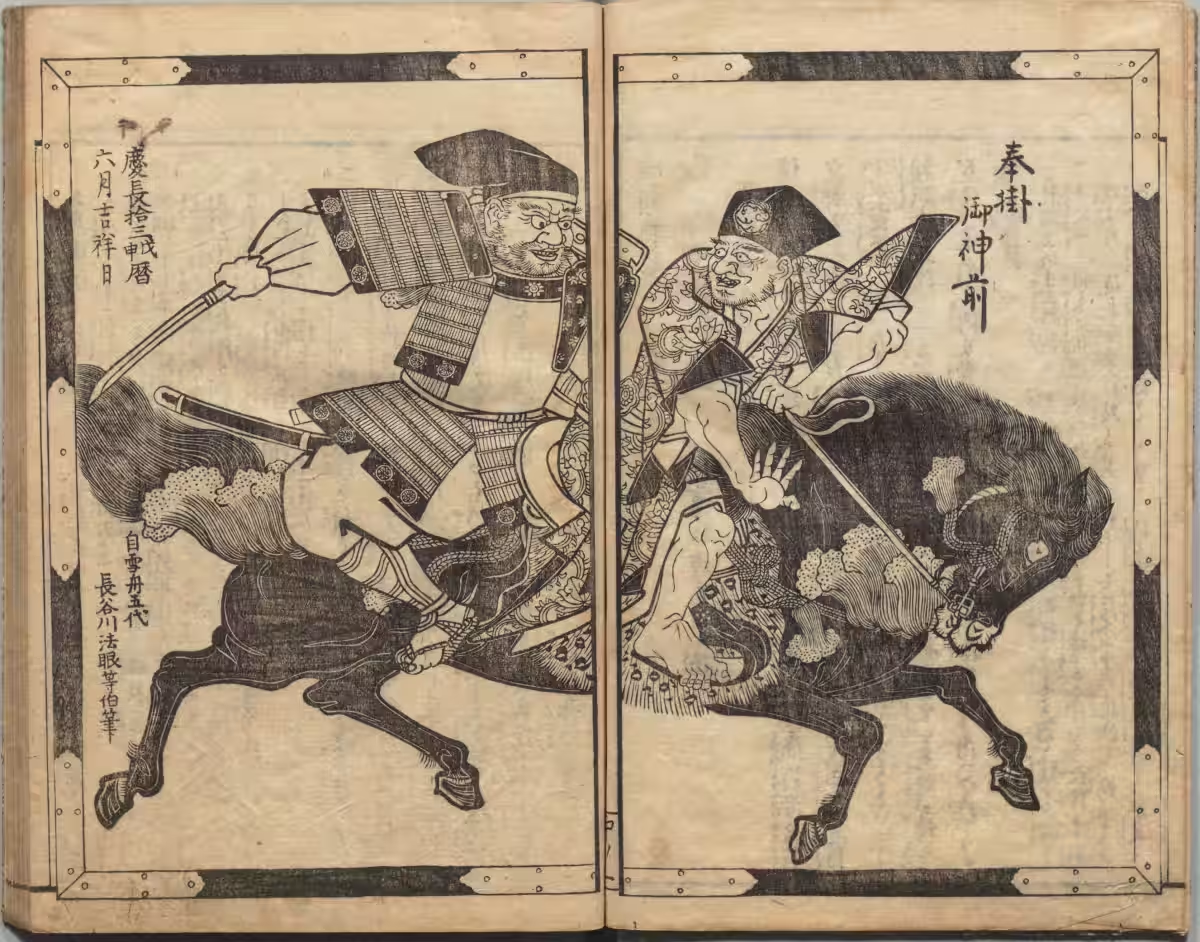
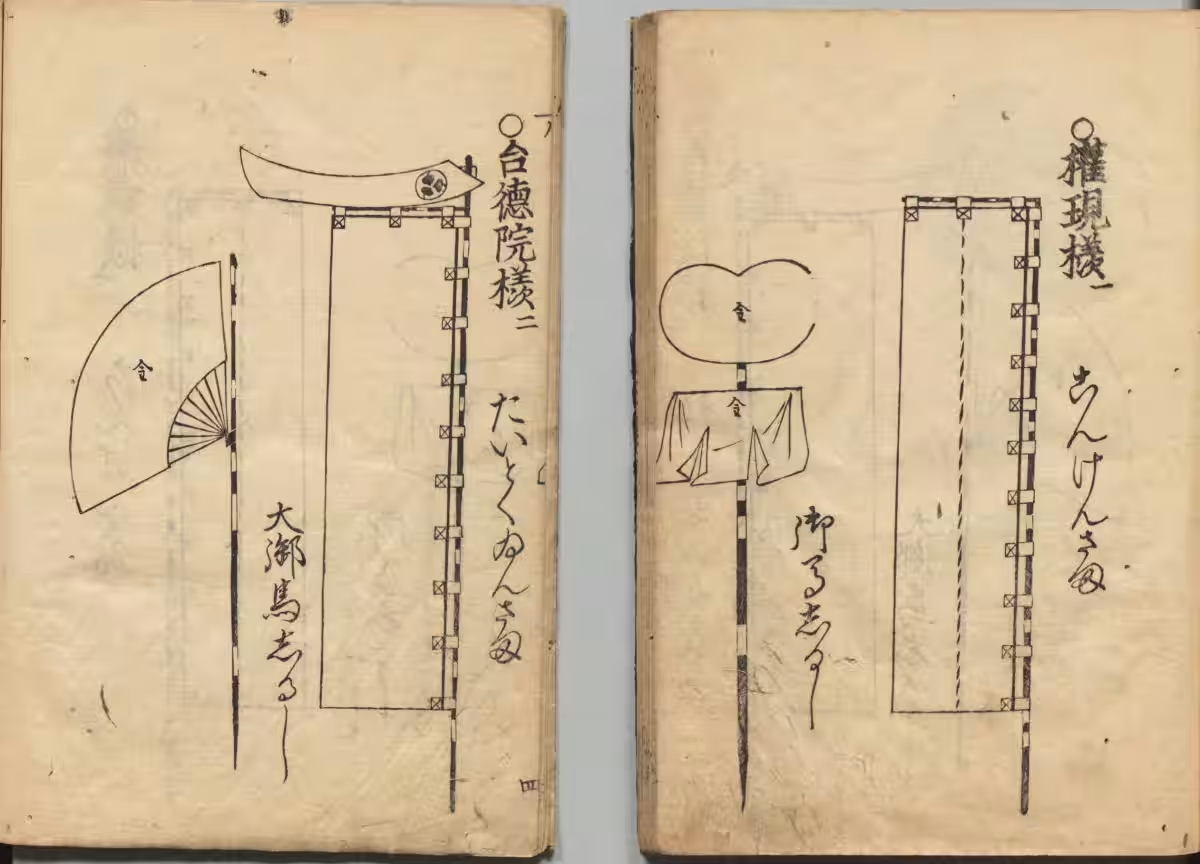
The samurai, Japan's warrior class, revered horses as central to their martial discipline, often referred to as the path of bow and horse. After the establishment of the Kamakura Shogunate, samurai not only trained for battle but also became stewards of government rituals where horses played a vital thematic role. The exhibition showcases artifacts related to horse fittings and the various military practices tied to these noble steeds, illuminating the deep connections formed between samurai warriors and their horses.
Epilogue: Horses in Everyday Life
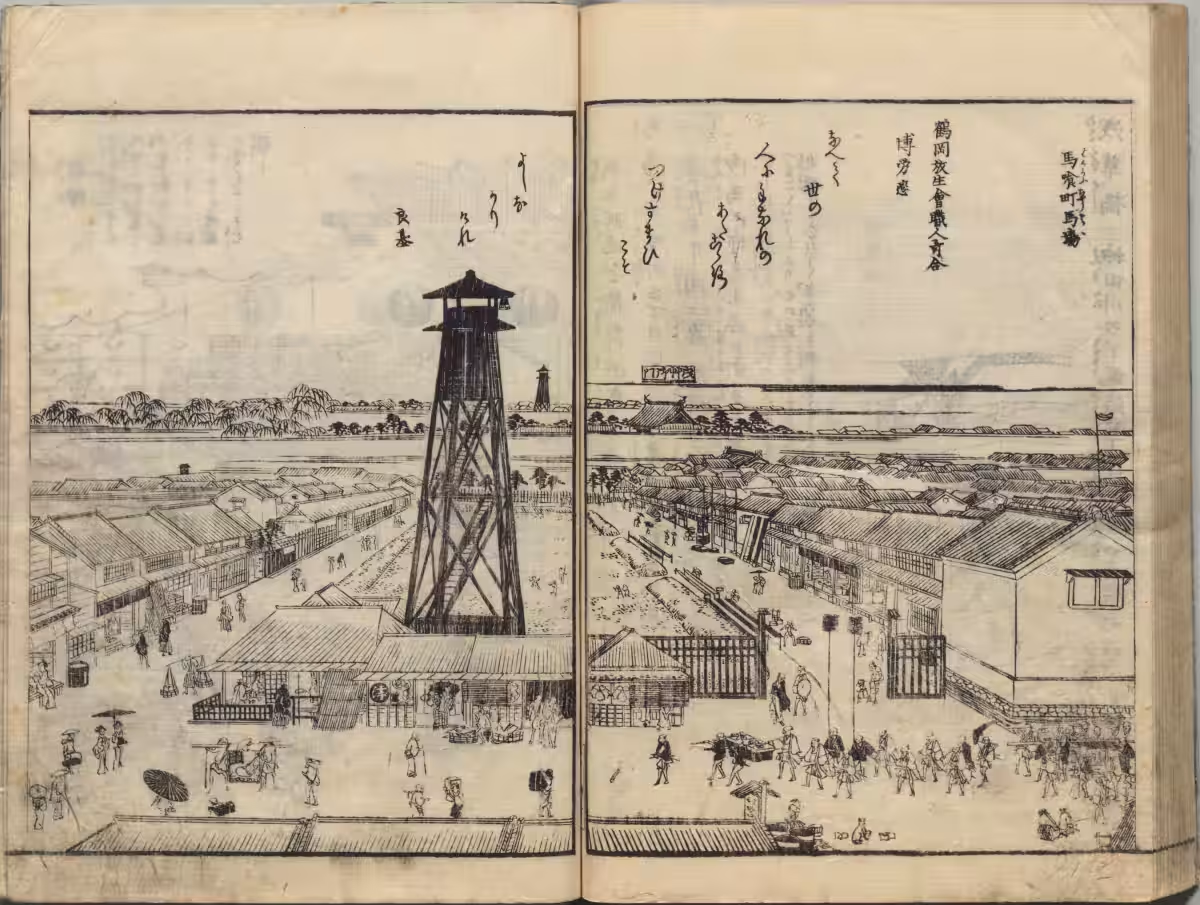
Over centuries, horses became deeply ingrained in the daily lives of the Japanese people, particularly visible during festivals and in martial practices. The exhibition explores the legacy of horses through accounts from Edo-period townsfolk and records from foreigners visiting Japan during the late Edo era. These narratives underscore the universal admiration for horses, making them an integral part of Japan's identity.
Related Events
To enhance your experience, the National Archives will host guided tours led by the exhibition curators on January 24 and February 10, at 2:00 PM each day, lasting approximately 40 minutes. These free sessions are designed to provide deeper insights into the exhibition’s key themes. Attendance is limited to 40 participants per session, with prior registration required through the National Archives' official website.
Exhibition Details
- - Title: Horses and Governance: Understanding Japan’s History Through Divine Rituals and Martial Arts
- - Collaboration: Chiyoda City Tourism Association
- - Dates: January 17 - February 21, 2026 (Closed on January 26)
- - Location: National Archives of Japan, Tokyo Main Building, 1st Floor Exhibition Hall
- - Address: 3-2 Kitanomaru Park, Chiyoda-ku, Tokyo 102-0091
- - Access: 5-minute walk from Takebashi Station (Tokyo Metro Tozai Line) Exit 1b
- - Opening Hours: 9:15 AM - 5:00 PM
- - Website: National Archives of Japan
Topics Other)
【About Using Articles】
You can freely use the title and article content by linking to the page where the article is posted.
※ Images cannot be used.
【About Links】
Links are free to use.