



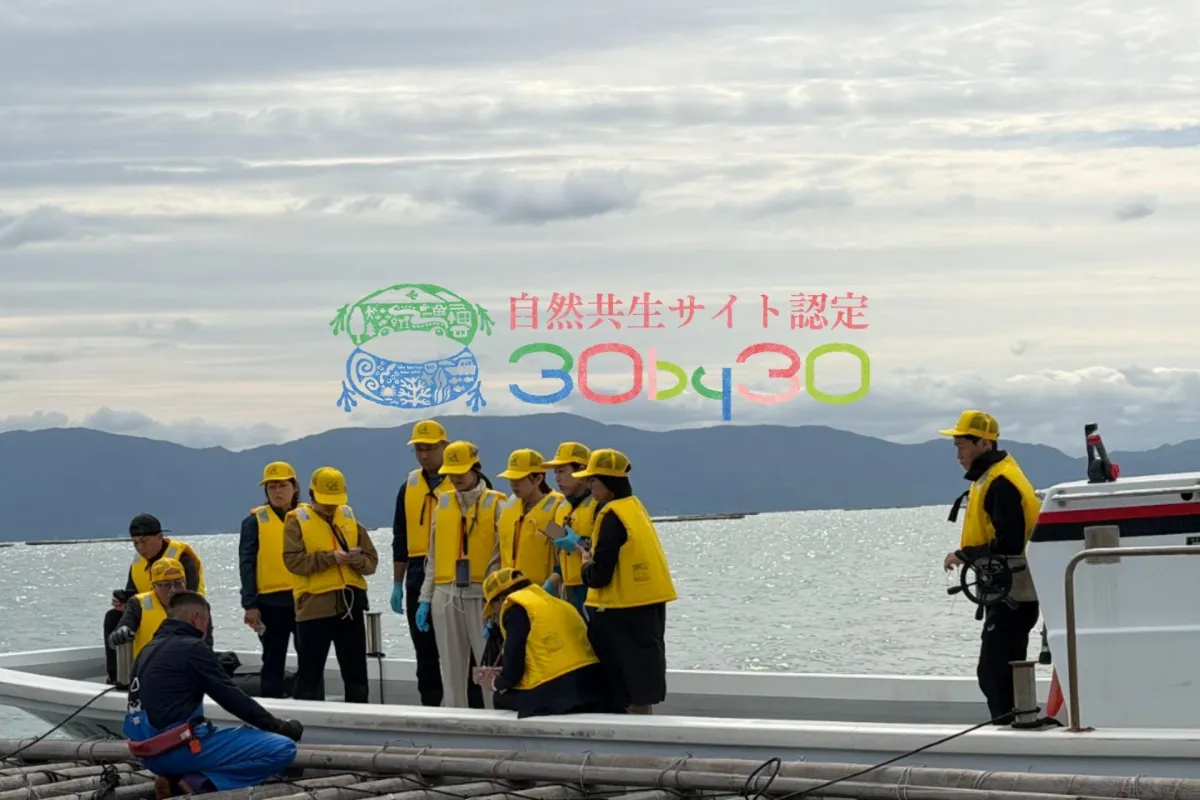
The Registration of Okayama Prefecture's Oyster Cultivation as a Natural Coexistence Site
The Registration of Okayama Prefecture's Oyster Cultivation as a Natural Coexistence Site
The coastal region of Okayama, known for its esteemed oyster production, has recently achieved a significant milestone by having its oyster cultivation area recognized as a 'Natural Coexistence Site' by the Ministry of the Environment. This initiative, led by UMITO Partners, aims to foster a positive connection between humanity and the ocean, reinforcing sustainable practices in marine activities. The Okayama Prefecture Setouchi City Oysters' 'Harvest and Future Marine Preservation Plan' will span from March 2026 to March 2031 and has seen the collaborative efforts of the Okayama Prefecture Okayuma Fishing Cooperative, which has worked diligently to obtain and maintain MSC (Marine Stewardship Council) certification since 2019.
Background and Purpose of the Natural Coexistence Site Application
Setouchi City, located along the historically-rich coastline of the Seto Inland Sea, has faced challenges such as an aging population and a lack of successors in its fishing industry. In 2019, the Maruto Suisan Co., Ltd. spearheaded a certification acquisition project in cooperation with the Okayuma Fishing Cooperative, which has led to the world’s first MSC certification for suspended oyster farming within approximately seven months, rather than the usual 18 months. Their focus on science-based management and continuous monitoring has ensured the sustainability of this harvest.
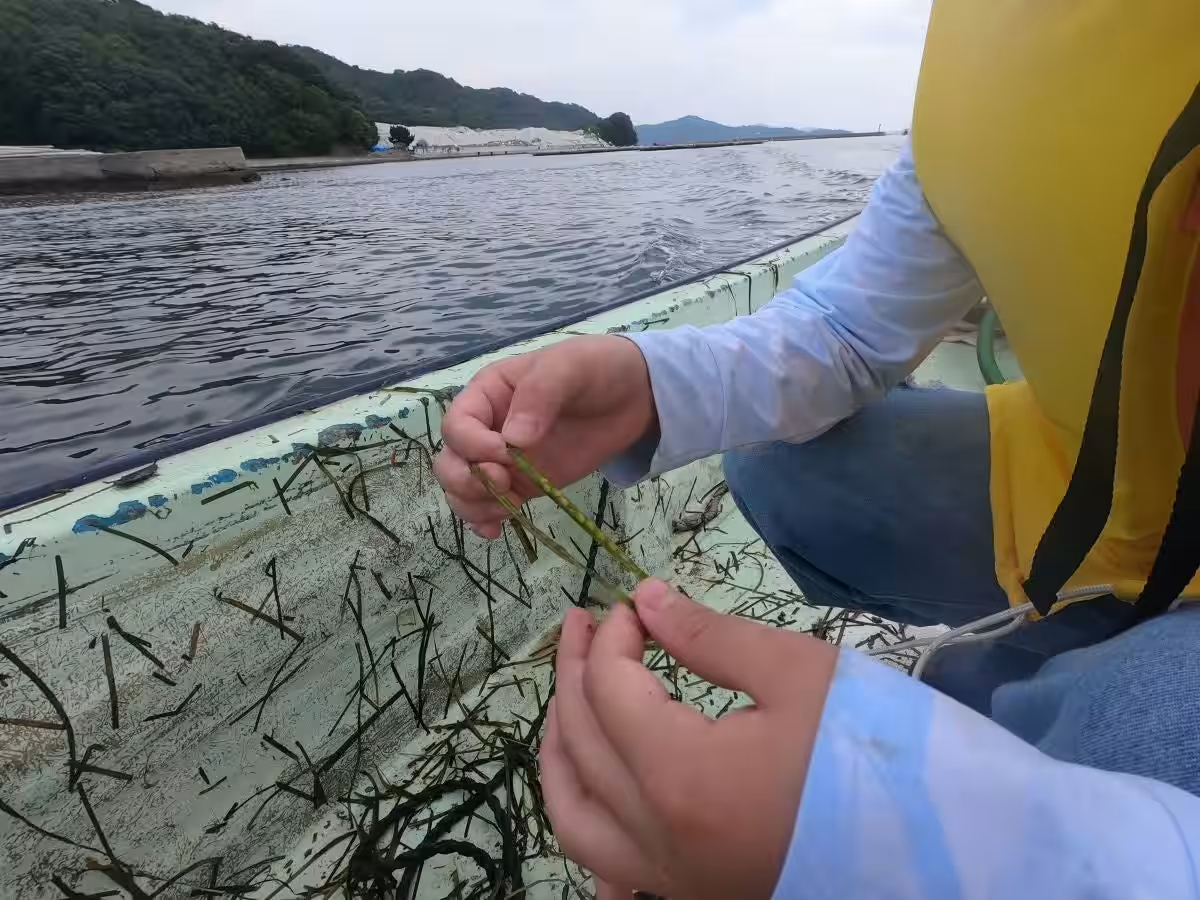
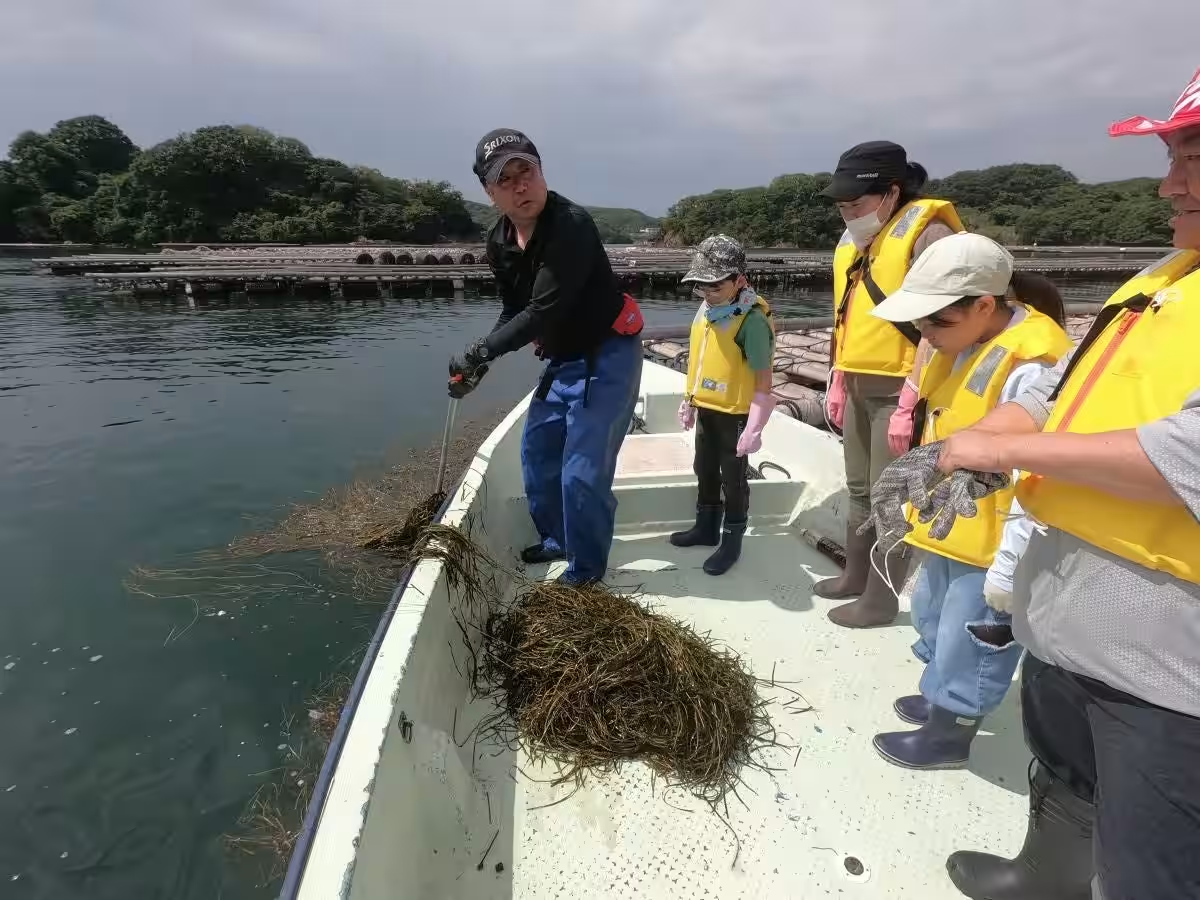
The registered area is also part of the Setouchi National Park and is marked as significant from a biodiversity perspective. Notably, it shelters the rare sunameri (Indo-Pacific humpback dolphin) as well as seagrass beds that have been increasingly threatened due to land reclamation activities in the region. Despite these pressures, the cooperative has been engaged in preservation and restoration activities for seagrass since 2012, which plays a vital role in maintaining marine biodiversity, providing habitat for fish, and creating an environment conducive to successful oyster cultivation.
The decision to apply for the designation of a Natural Coexistence Site aims to visualize the ongoing efforts of fishermen in ecosystem conservation and pool resources with various stakeholders, including companies and consumers, to further enhance marine area preservation.
Key Initiative Components
This plan focuses on maintaining a balanced and thriving ecosystem that supports local marine life, including native species like oysters and seagrasses. It involves a range of activities such as:
- - Seagrass Preservation and Restoration: Collecting drift seeds, ensuring seed maturation, and sowing them.
- - Ecosystem Conservation: Managing raft density and water quality, adjusting raft positions seasonally, and conducting bottom cultivation.
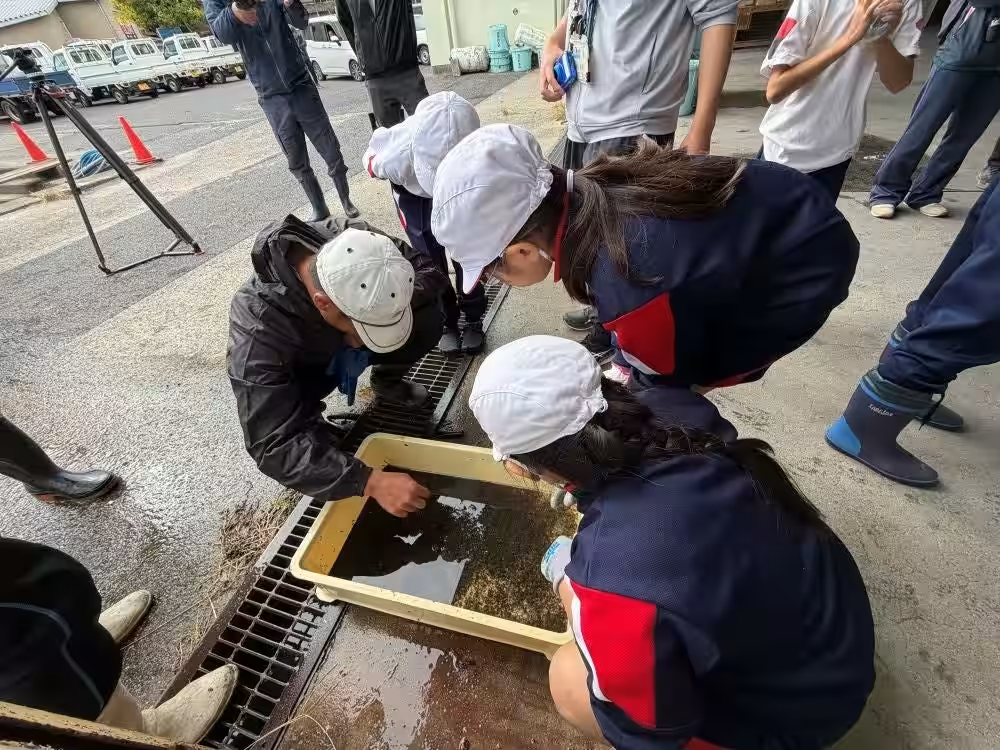
- - Environmental Education: Involving stakeholders, such as consumers and educational institutions, through workshops and exhibitions.
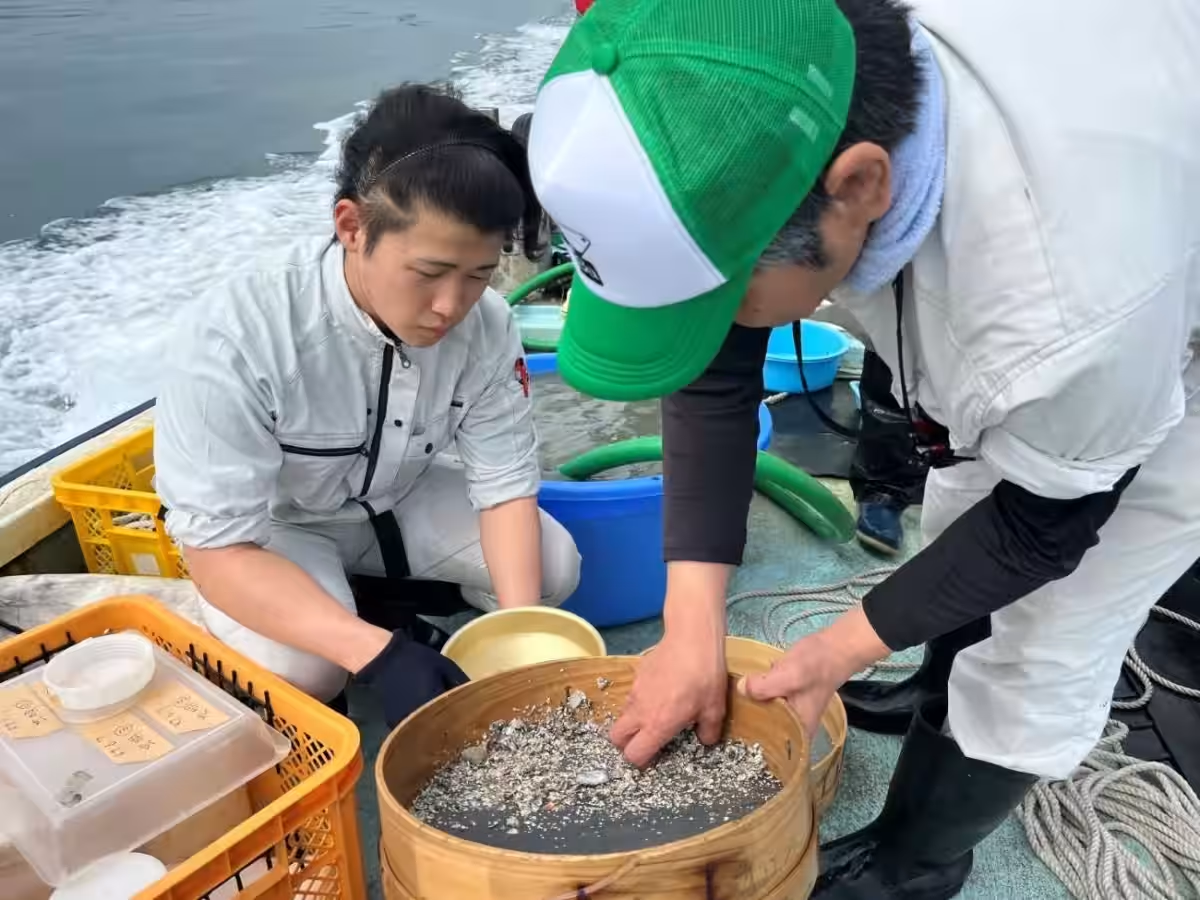
Monitoring efforts encompass scientific evaluations of seagrass growth through sub-surface dives and drone technology, adhering to MSC certification standards regarding water quality, oyster growth, and surveys of benthic organisms and rare species observations like the sunameri and sea turtles.
The cooperative aims to incorporate active engagement across various sectors, including local governments and businesses, to bolster seagrass restoration projects and draw in seafood distribution partners as well as consumers consistently. Collaborative projects involving education and conservation efforts address both oceanic and terrestrial ecosystems, illustrating a commitment to comprehensive environmental care.
Messages from Key Stakeholders
Masaki Matsumoto, the Chairman of the Okayuma Fishing Cooperative, expressed excitement over the designation as one of Japan's leading natural coexistence areas. He credited dedicated fishermen and historical efforts toward sustainable fishing practices as pivotal in attaining this recognition. Matsumoto emphasized the importance of continuing stewardship of this vital marine environment for future generations.
Setouchi City’s Mayor, Kenta Kuroishi, expressed his gratitude for the fishermen's long-standing contributions to environmental preservation and assured ongoing support for these initiatives, hoping they inspire a nationwide appreciation for coexistence with nature.
Springing from a deep consciousness of rapid environmental changes, UMITO Partners’ President, Haruji Murakami, reflected on the need for partnerships that ensure sustainable practices benefiting local economies and addressing challenges such as labor shortages in the fishing industry. He anticipates shared efforts to create a positively evolving cycle in the region.
Introduction to Natural Coexistence Sites
Natural Coexistence Sites are areas certified by the government where biodiversity conservation is actively pursued through the cooperative efforts of local communities, businesses, and NGOs. The initiative aims to promote harmony between people and nature, extending beyond protected regions like national parks. This program aligns with the international target to conserve 30% of land and ocean by 2030, known as '30 by 30'.
About the Registration
- - Registered Title: Setouchi City Okayama Oysters - Harvest and Future Marine Preservation Plan
- - Project Duration: March 2026 - March 2031
- - Primary Applicant: Okayuma Fishing Cooperative
- - Collaborating Applicants: Setouchi City, Okayama Co-op, Pal System Co-op, Maruto Suisan, UMITO Partners, No Suisan, Mitsubishi Foods, and Ube Sangyo
- - Implementation Area: Full marine rights of the Okayuma Fishing Cooperative in Setouchi City, Okayama Prefecture.



Topics Environment)




【About Using Articles】
You can freely use the title and article content by linking to the page where the article is posted.
※ Images cannot be used.
【About Links】
Links are free to use.