



Support for Small and Medium Enterprises In Japan: Harnessing Expert Guidance for Sustainable Growth
Introduction
The landscape of small and medium enterprises (SMEs) in Japan is a crucial component of the country’s economy, representing a staggering 99.7% of all corporate entities and employing approximately 70% of the workforce. However, these companies often navigate a labyrinth of challenges due to limited resources and the fast pace of change in market conditions. This article explores the latest findings from FORVAL GDX Research Institute regarding the importance of expert support, known as “accompanying support,” for SMEs in Japan.
The Importance of Expert Support
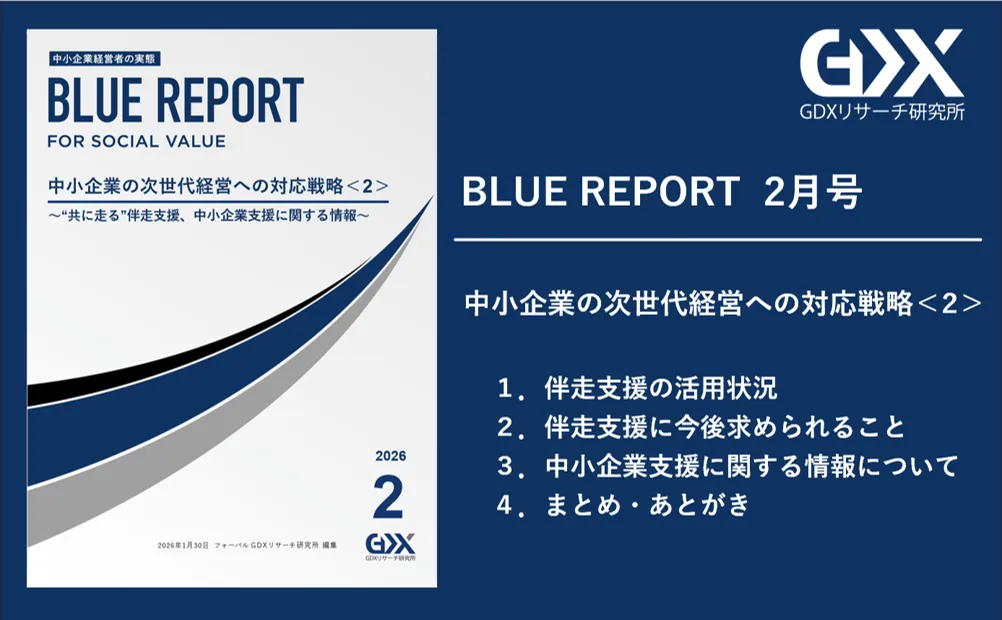
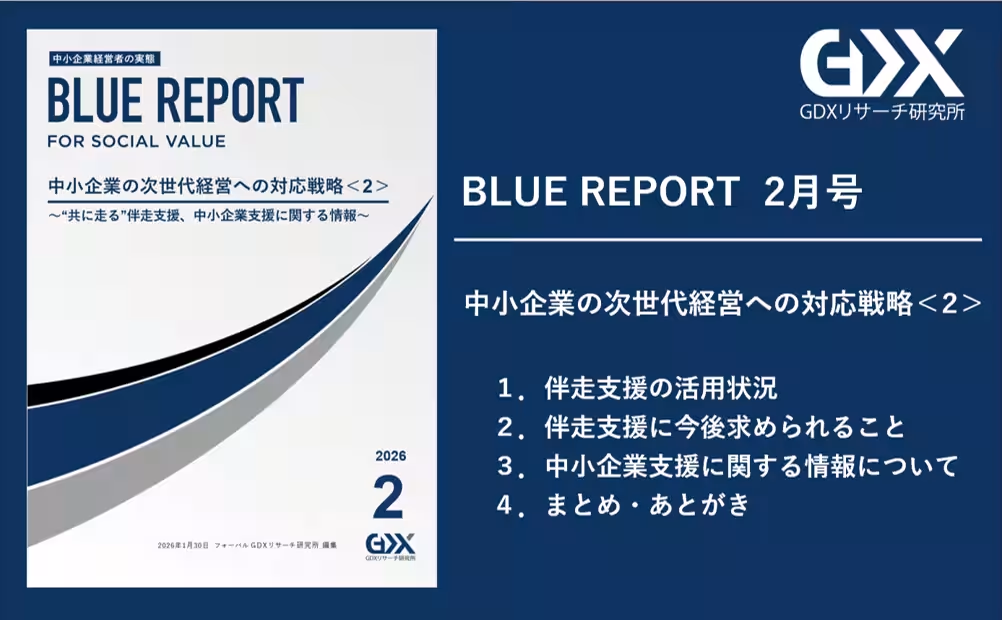
The concept of “accompanying support” refers to a model in which external experts collaborate closely with business owners to tackle challenges and achieve organizational goals. A recent report titled "BLUE REPORT" published by the FORVAL GDX Research Institute sheds light on how SMEs leverage this form of support and the impact it has on their operational health.
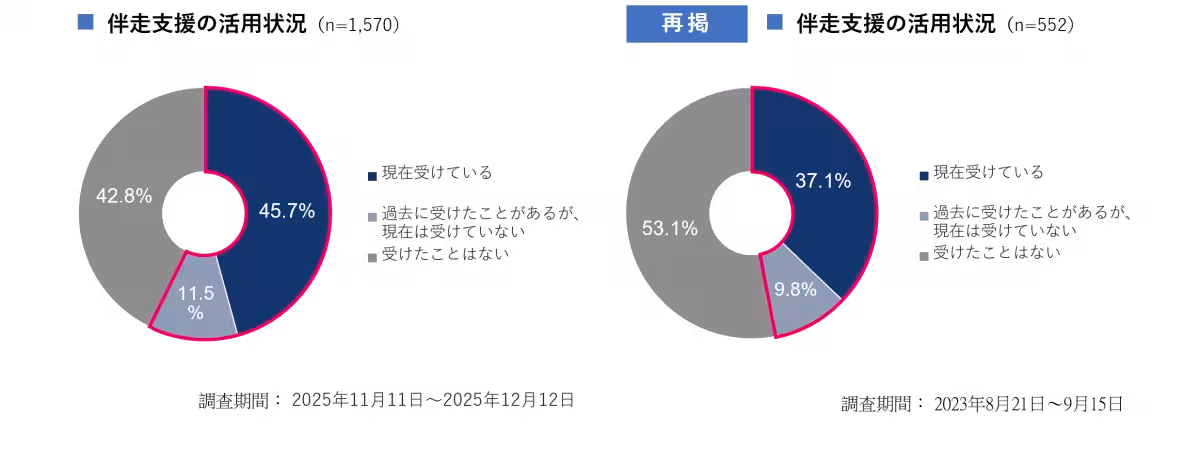
The survey highlighted that 57.2% of SMEs have utilized accompanying support at some point—45.7% currently receiving support, while 11.5% had previously benefitted from such assistance. This significant percentage underlines the growing recognition of the value that external expertise brings to resolving business challenges.
Impact of Accompanying Support
One of the most compelling findings from the report is that over half (53.3%) of SMEs that engaged in accompanying support believe that their current challenges would have worsened without this assistance. This demonstrates a clear understanding among business owners regarding the effectiveness of the support they received. However, juxtaposed against this positive sentiment is the fact that 37.8% of respondents felt that they would not have experienced significant changes without the support, indicating a disparity in perceived value among businesses.
This discrepancy may stem from varying levels of alignment in the support process—successful accompanying support requires both parties to be fully engaged in a collaborative effort, from planning through execution and evaluation.
Challenges with Information Access
Despite the apparent benefits of accompanying support, the survey revealed a substantial gap in awareness of available resources. Only 13.9% of responding SMEs found information regarding subsidies and grants to be clear and accessible. This poses a significant barrier, as nearly 47.4% of respondents described the information as confusing or very unclear. The complexity of available assistance programs can deter SMEs from seeking the help they so desperately need.
Conclusion
This report emphasizes the necessity for a more straightforward communication strategy regarding SME support programs. Improved clarity in how SMEs access assistance can facilitate better engagement and utilization of resources. As more businesses look to innovative methods for growth, such as Green and Digital Transformation (GDX), the role of experts will become increasingly vital in guiding them through complexities and optimizing their operations for sustainable success.
Encouragingly, the findings suggest that many SMEs are beginning to recognize and embrace the benefits of accompanying support—a trend that could vastly improve their resilience and growth potential in an ever-evolving economic landscape. Therefore, SMEs that have yet to consider external expertise should seriously evaluate the potential advantages comparable support could bring to their operations.
About FORVAL GDX Research Institute
The FORVAL GDX Research Institute is dedicated to investigating the current state of GDX initiatives within SMEs and disseminating findings through various reports and papers. By focusing on the transformative potential of Green and Digital strategies, the Institute aims to support the growth journey of enterprises that form the backbone of Japan's economy.
For more information, please visit the following link: FORVAL GDX Research Institute.



Topics Business Technology)
【About Using Articles】
You can freely use the title and article content by linking to the page where the article is posted.
※ Images cannot be used.
【About Links】
Links are free to use.