



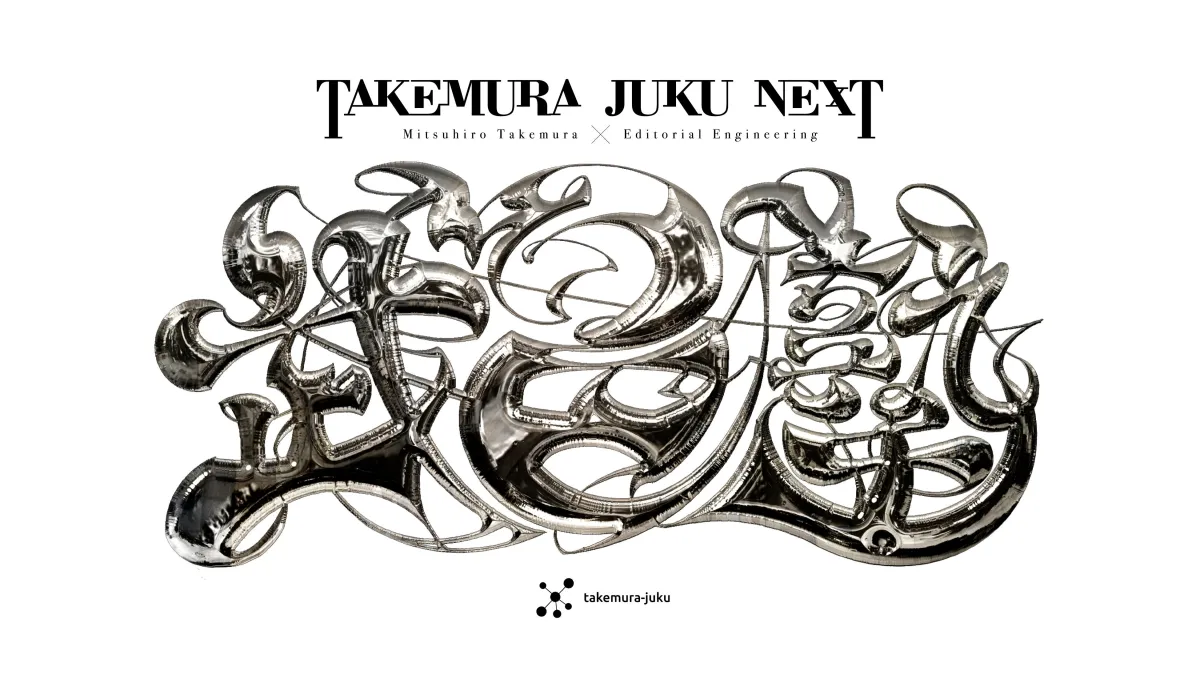
Exploring the 'New Middle Ages' in the Context of AI and Social Media
Unraveling the 'New Middle Ages' in Our Digital Era
In June 2026, the Editing Engineering Institute in Setagaya, Tokyo, will launch a five-part lecture series titled '武邑塾NEXT' (Takemura School NEXT), led by media aesthetics scholar Takemura Mitsuhiro. This course will delve into societal structures shaped by advanced digital technologies like AI and social media, framed through Umberto Eco's concept of the 'New Middle Ages' that he first introduced in his notable works.
Takemura reflects on how the current era appears to be regressing to a medieval-like structure rather than progressing toward a more advanced future. With the foundational concepts of 'truth' and 'consensus' increasingly unstable due to digital technology's pervasive influence, this series aims to provide new frameworks for understanding our present context through a historical lens.
Background of '武邑塾NEXT'
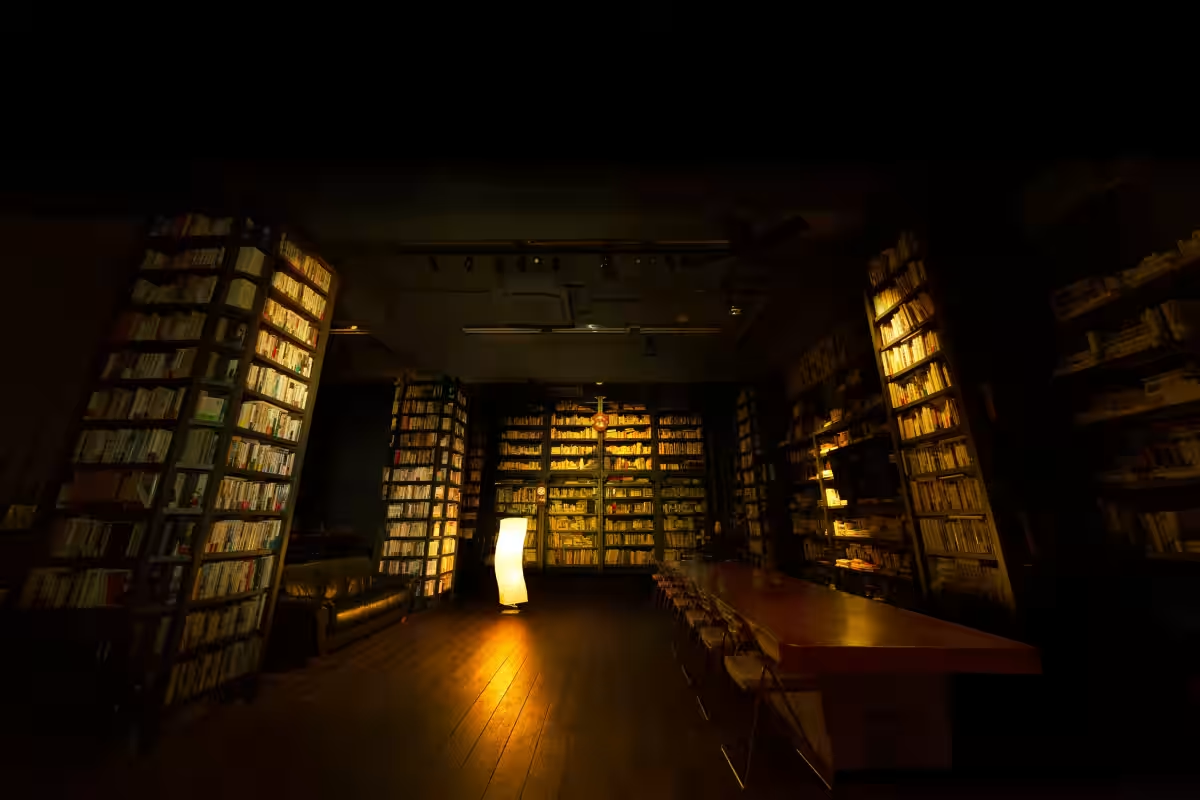
Founded in 2013, the original '武邑塾' has covered numerous contemporary topics such as transmedia, artificial intelligence, and crypto-anarchy. Although the series took a temporary hiatus after 2023, it will now reemerge enriched and refreshed as '武邑塾NEXT'. Hosted in the '本楼' (Honro) space, which houses around 30,000 books, the series aims to deepen discussions on the complexities of modern life through a combination of Takemura’s insights and the methods of editing engineering.
The jump into this 'New Middle Ages' perspective feels especially timely. Eco's observations from the 1970s about micro-societies and opaque struggles echo within today’s fragmented societal norms and shifting value systems.
Takemura Mitsuhiro's Insight
Takemura believes that the ongoing evolution of AI and social media starkly alters how we generate and circulate information. In this light, he seeks to reassess and redefine contemporary changes from the viewpoint of the 'New Middle Ages.' He invites participants to critically engage with these transformations and consider what our futures might hold.
Decoding Modern Society through Medieval Templates
The lecture series intends to connect modern phenomena with historical parallels that Eco explored. By drawing contrasts between the medieval world and the digital landscape, the course will highlight the complexities of how technology influences perception and consensus. Some intriguing comparisons include:
- - Theological disputes and algorithmic decisions
- - Monastic traditions and platforms
- - Scolastic debates and online discourses
- - Manuscripts and databases
- - Heresy and misinformation
- - Witches and cancel culture
- - Public executions and internet backlash
- - Pilgrimages and fandom
- - Gossip and podcasts
By exploring these intersections, the lecture will paint a comprehensive picture of how reality is reconceived in light of today’s technologies.
Features of the Course
Unlike traditional historical or technological courses, '武邑塾NEXT' seeks to equip participants with a new lens for interpreting modernity. The five-part series will include discussions and online assignments to foster deep engagement and practical thinking alongside theoretical insights.
Special Sessions
Throughout the series, there will be special sessions emphasizing the crossing of thought, body, and culture. The first session will feature a dialogue with Kei Wakabayashi from Kurotori-sha and a performance by the traditional Japanese dancer Tokutaro Hanayagi. At the conclusion of each session, social gatherings will encourage interactions among participants.
Schedule
- - First Session: June 27 (Saturday) 14:00-18:00 - On-site
- - Second Session: July 24 (Friday) 20:00-22:00 - Online
- - Third Session: August 28 (Friday) 20:00-22:00 - Online
- - Fourth Session: September 25 (Friday) 20:00-22:00 - Online
- - Fifth Session: October 31 (Saturday) 14:00-18:00 - On-site
Venue for On-site Sessions
Editing Engineering Institute Book Salon Space '本楼', Setagaya, Tokyo.
Required Readings
Participants must acquire the following texts ahead of the series:
1. Booklet from Kurotori-sha (to be announced)
2. 'The Name of the Rose' by Umberto Eco
3. 'Foucault's Pendulum' by Umberto Eco
4. 'The Cultural History of Outlying' by Takemura Mitsuhiro (rn press)
5. 'History of Information 21 Revised Edition' supervised by Masaaki Matsuoka
Costs
- - In-person Participation (All Five Sessions): ¥200,000 (tax excluded), with limited availability of 15 seats.
- - Online Participation (All Five Sessions): ¥100,000 (tax excluded), with special pricing for past participants and students.
Registration
Everyone is welcome to apply. To register, please follow the link provided.
About the Editing Engineering Institute
Founded by Masaaki Matsuoka in July 1987, the Editing Engineering Institute is a collective of creators and directors engaged in branding, consulting, educational initiatives, and spatial production. Our mission is to transform Japan's cultural heritage and historical wisdom into tools for impactful and constructive thinking, helping individuals navigate modern complexities.


Topics People & Culture)





【About Using Articles】
You can freely use the title and article content by linking to the page where the article is posted.
※ Images cannot be used.
【About Links】
Links are free to use.