



2025 Trends: Tokyo Land Prices Surge Affecting Neighboring Areas
Rising Land Prices in Tokyo: 2025 Analysis
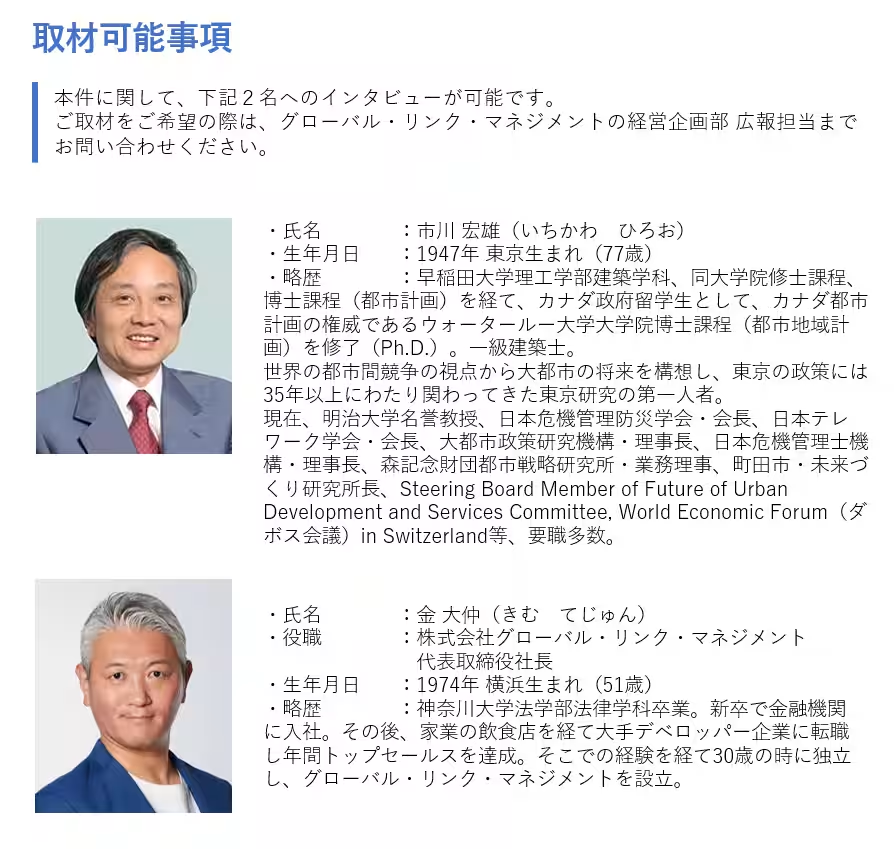
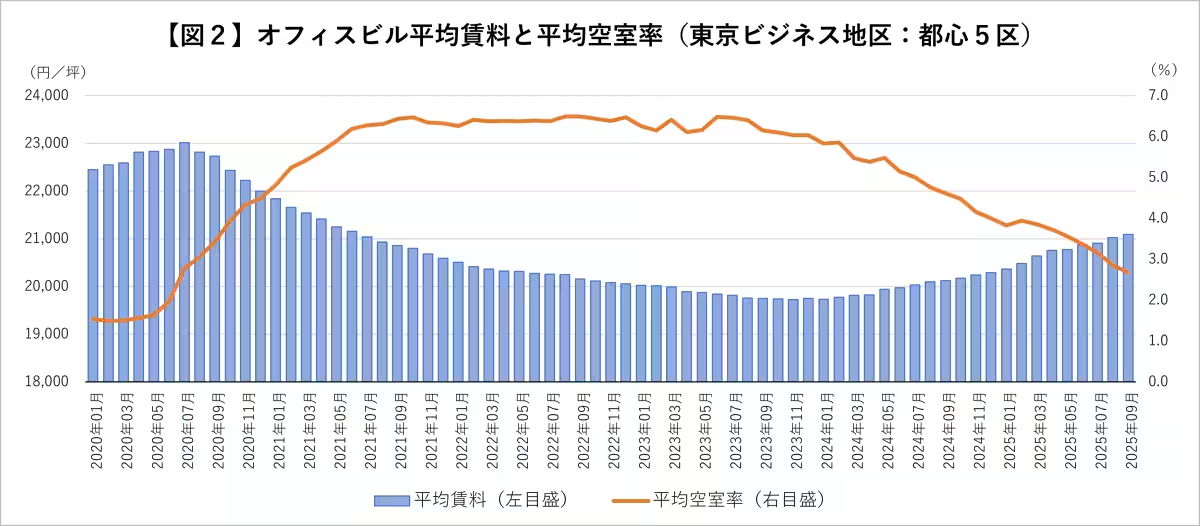
As of September 2025, Tokyo has experienced a notable increase in land prices, with trends extending into its neighboring areas. Global Link Management, a real estate investment company based in Shibuya, Tokyo, has established the Global Urban Real Estate Research Institute, led by Professor Hiroo Ichikawa, to analyze city dynamics and deliver cutting-edge research on real estate. Their recent report discusses the influences of office demand and residential supply on the land value trends.
Nationwide Land Price Trends
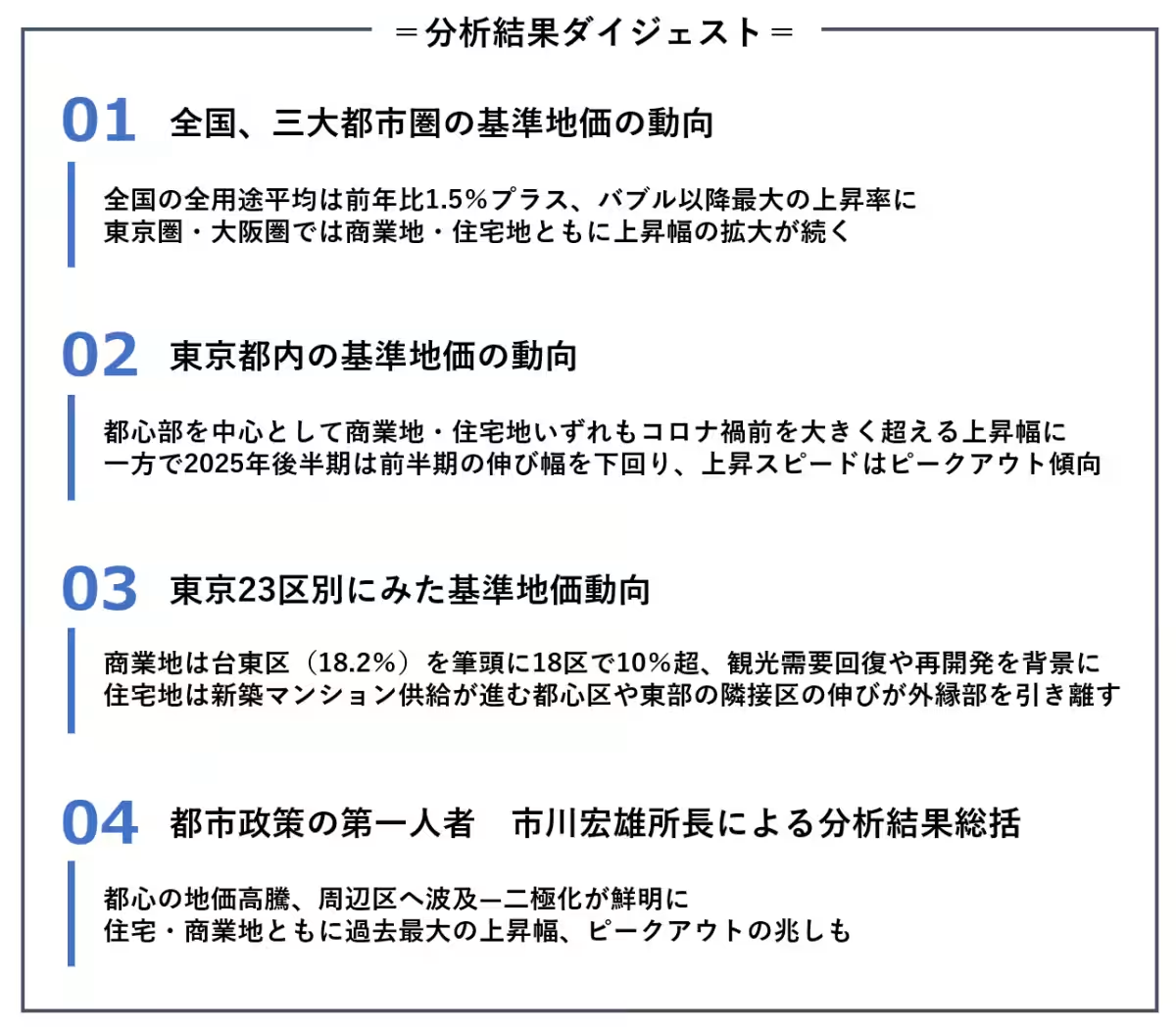
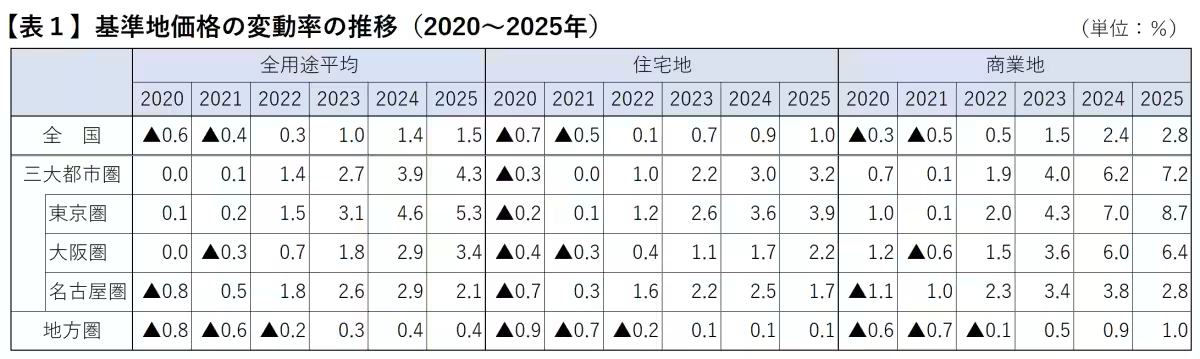
At the national level, land prices across all uses averaged a 1.5% increase compared to the previous year, marking the highest rise since the economic bubble era. Specific regions like Tokyo and Osaka have seen significant expansions in commercial and residential sectors. As of July 1, 2025, land prices released by the Ministry of Land, Infrastructure, Transport and Tourism showed an increase in the average commercial land price by 2.8%. The robust demand for services and renewed tourist activities in central areas like Nagano's Hakuba village led to astonishing surges, with prices jumping as much as 29.3%. Meanwhile, residential areas also recorded a rise of 1.0%. The demand for vacation homes and condominium developments in location-rich regions is also boosting valuations significantly.
Moreover, neighborhoods like Chitose City in Hokkaido, benefitting from new semiconductor factory establishments, reported staggering increases of up to 31.4% in certain commercial zones.
Tokyo’s Land Price Developments
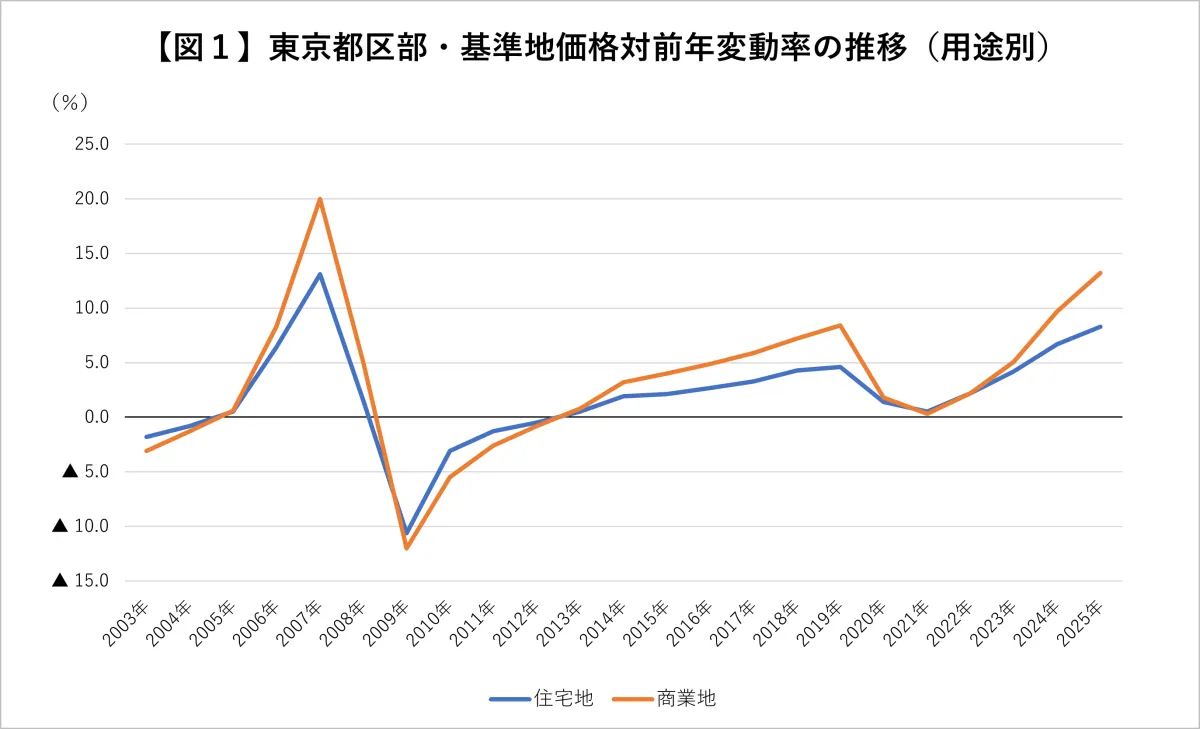
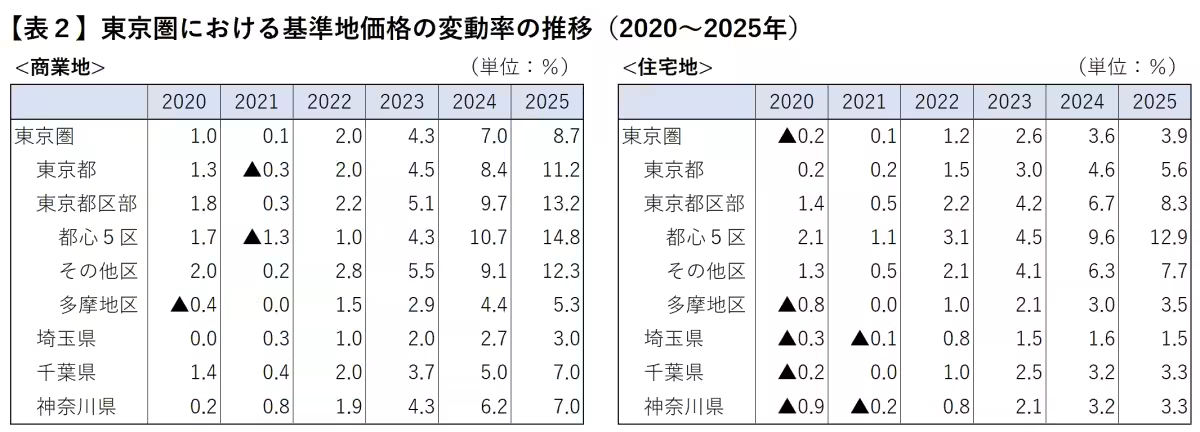
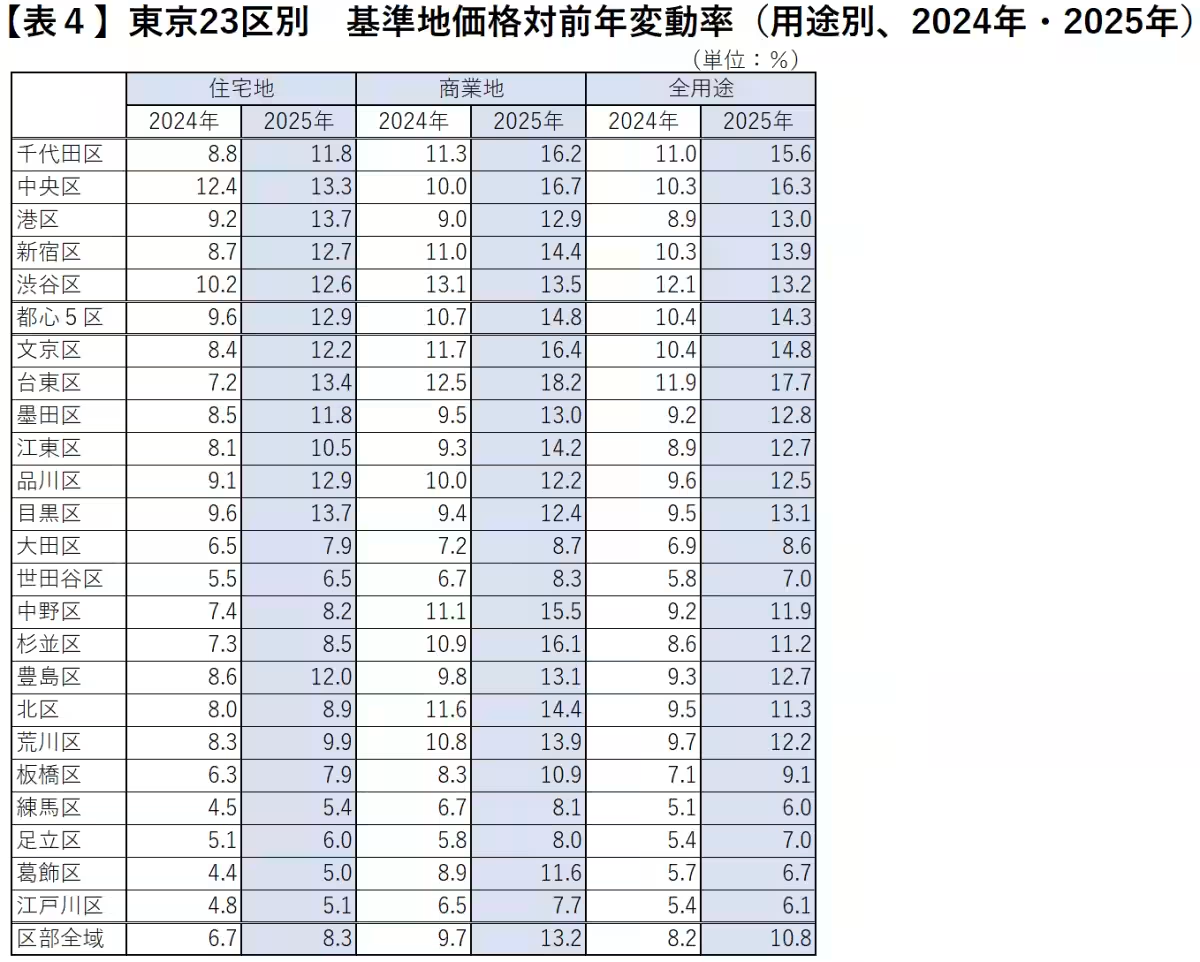
Tokyo’s urban landscape displays a distinct upward trend, especially within the central business district. The analysis revealed impressive growth driven by commercial and residential activities. For instance, the commercial land in the core five wards surged by 14.8%, while residential property climbed by 12.9%. This dramatic growth follows a three-year recovery from the challenges posed by the COVID-19 pandemic.
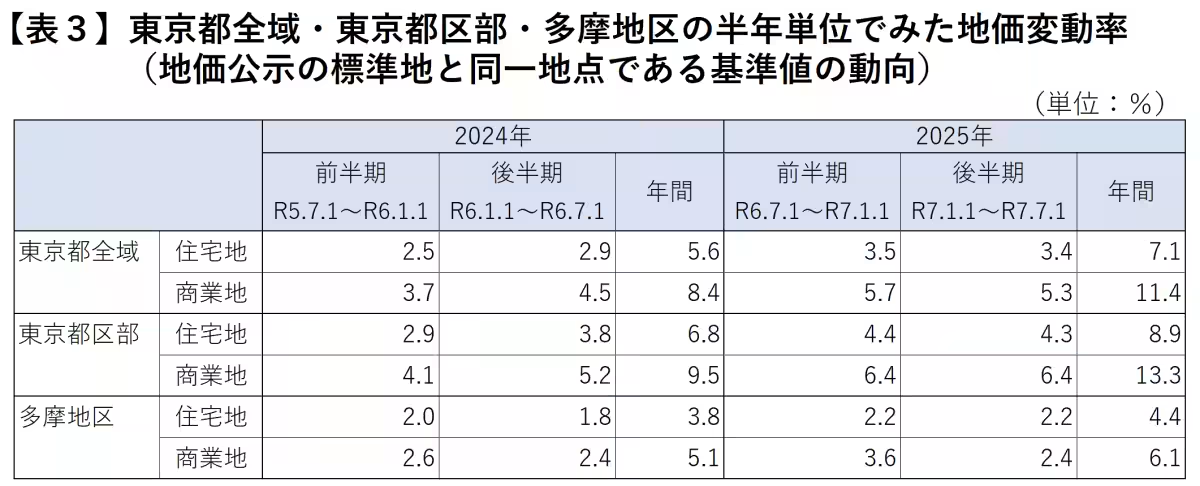
Despite this momentum, forecasts for the latter half of 2025 signal a cooling period with the rate of increase expected to retract slightly. Initial assessments reflect that the commercial sector will see an uptrend of about 5.3% in the latter half, down from the 5.7% in the first half. Similar patterns emerge in the residential sector, as well, suggesting a mild plateau may be at hand.
Outlook by Districts in Tokyo
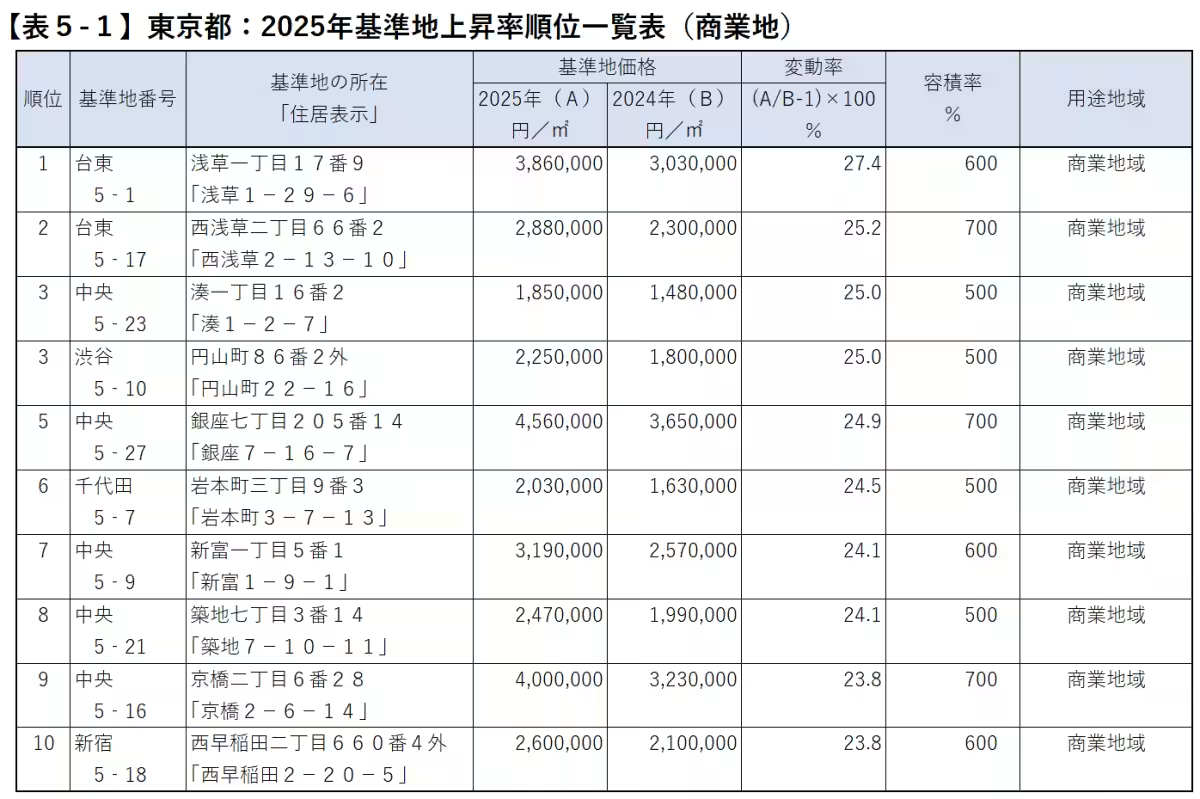
The city’s 23 wards tell an illuminating story of land value movements. Notably, districts like Taito see unprecedented commercial growth at 18.2%, influenced by tourist activities and ongoing redevelopment projects. With 18 districts now showcasing increases exceeding 10%, urban regeneration and revitalization efforts ensure potent land appreciation. Interestingly, areas surrounding central Tokyo are gradually being lifted alongside, indicating a percolation of the city’s growth.
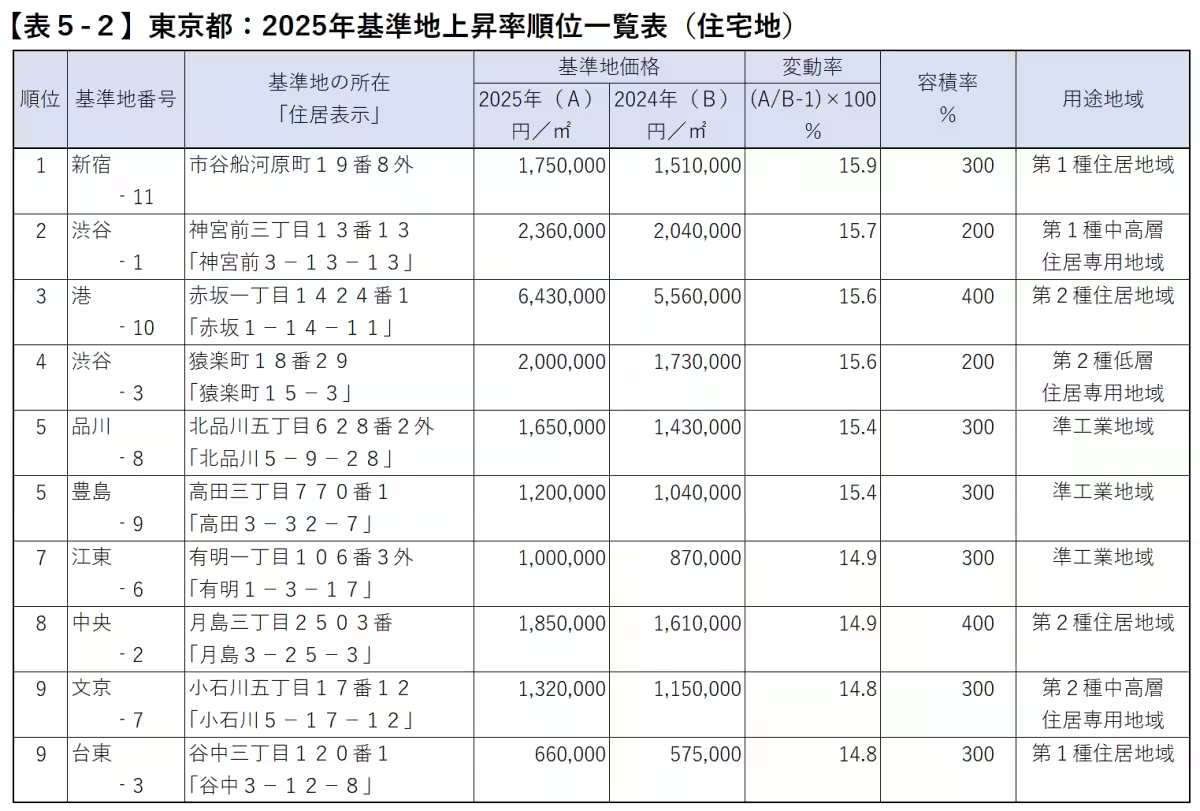
Residential prices are equally on the rise, driven by strong demand for new apartments in central as well as adjoining districts. Regions that offer favorable living conditions, like Meguro and Shinagawa, are surpassing price growth expectations due to rising household demand.
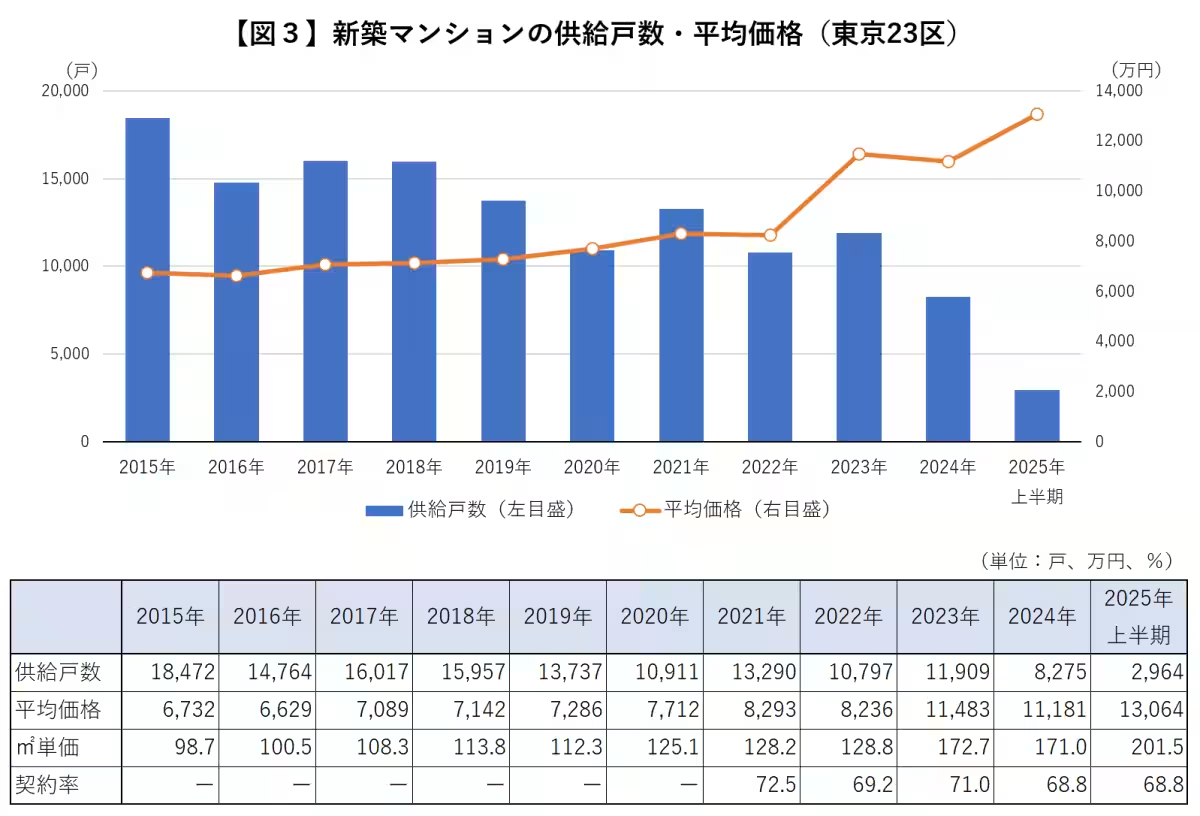
As for neighboring districts, while areas like Katsushika and Edogawa reflect modest increases ranging from 5.0% to 6.5%, they remain significantly behind compared to their affluent central counterparts, signaling a growing dichotomy within the property market. Furthermore, the buzz surrounding property development is evident as the average sale price for newly developed condominiums hit a staggering ¥103.64 million in the first half of 2025, up significantly as supply dwindles.
Conclusion: Transitioning Land Dynamics
The comprehensive analysis of Tokyo’s land prices showcases a robust urban economy navigating through unprecedented optimizations and strategic infrastructure developments. Looking forward, attention is required to monitor this evolving dynamic, especially as property availability tightens and growing populations gravitate toward central urban centers. Ultimately, the rising prices reflect the enduring allure of Tokyo, but the implications of such increases—particularly potential market corrections—warrant cautious observation.
- ---
With Tokyo solidifying itself as a key player in the real estate market, the trends analyzed in this piece invite critical dialogue on sustainable urban growth and investment opportunities moving forward.
Topics Consumer Products & Retail)
【About Using Articles】
You can freely use the title and article content by linking to the page where the article is posted.
※ Images cannot be used.
【About Links】
Links are free to use.