



Is AI Really Enhancing Efficiency in Businesses? Insights on Challenges and Benefits
Exploring AI Implementation in Business: Efficiency vs. Challenges
Introduction
In recent years, the implementation of Generative AI has gained immense traction among businesses, particularly small and medium-sized enterprises (SMEs). The pressing question remains: Is AI genuinely enhancing operational efficiency? Idex Business Service conducted a survey to address this concern, focusing on SMEs currently considering or already employing Generative AI. This article delves into the findings of their research, highlighting both the barriers and the benefits of AI integration.
Survey Overview
The survey, conducted from July 10 to July 12, 2025, gathered insights from 1,047 respondents, including 502 individuals who are contemplating AI adoption and 545 who have already implemented the technology. The aim was to understand the barriers (referred to as the "walls of AI implementation") that SMEs face, along with their expectations regarding the technology.
Rising Expectations and Concerns
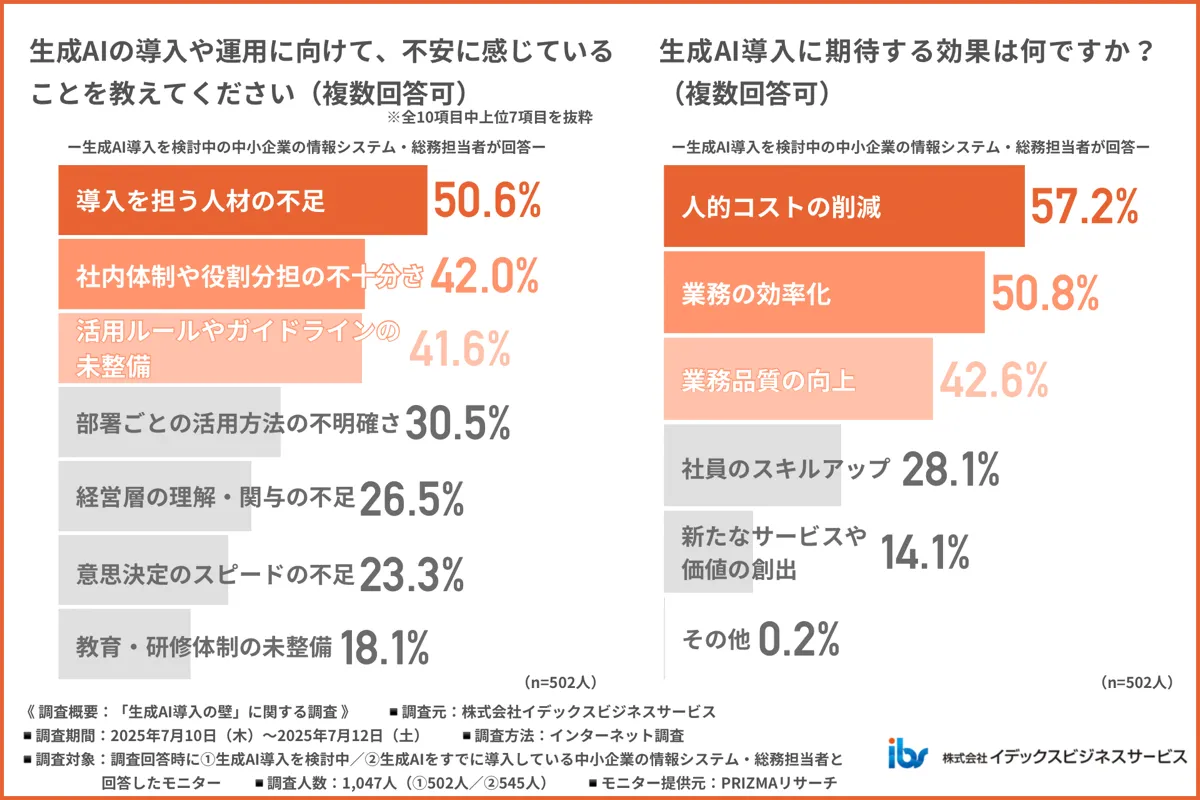
As anticipation for AI integration among SMEs grows, apprehensions surrounding security and operational aspects appear to hinder its widespread adoption. While many desire to utilize Generative AI, numerous hurdles, including talent shortages and insufficient internal structures, impede progress. The survey highlighted key expectations from AI adoption, namely cost reduction, enhanced operational efficiency, and quality improvements.
Main Concerns
Respondents identified various areas of concern regarding AI implementation:
1. Lack of Personnel: A significant 50.6% expressed anxiety about insufficient personnel capable of managing AI adoption.
2. Internal Structures: 42.0% indicated that inadequate organizational frameworks could impede effective implementation.
3. Guidelines and Rules: 41.6% noted the absence of clear usage rules and guidelines as a crucial barrier.
Considering these barriers, it is evident that businesses require a structured approach for successful AI integration.
Desired Benefits of AI Implementation
When asked about their expectations from Generative AI, respondents pointed to the following potential advantages:
- - Reduction in Human Costs (57.2%): Automating routine tasks is anticipated to lead to significant labor cost savings.
- - Operational Efficiency (50.8%): Enhanced efficiency in workflows and data processing is a major goal.
- - Improved Quality (42.6%): With AI, accuracy and quality in outputs are expected to increase, allowing employees to focus on higher-value tasks.
The emphasis on these benefits strongly correlates with a potential increase in productivity and competitive edge for the companies.
Implementing AI: Current Stages and Barriers
The survey aimed to also gauge the current stage of AI adoption within SMEs. The findings revealed:
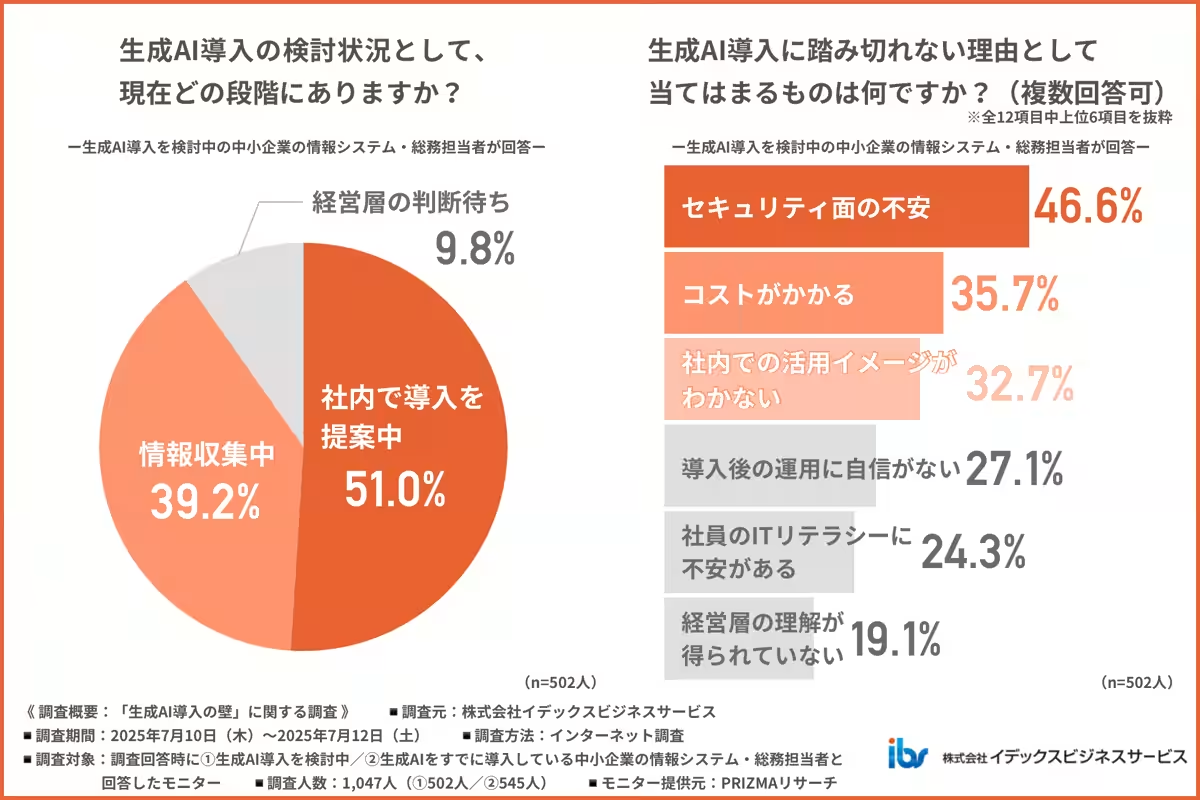
- - Proposal Stage (51.0%): Many organizations are still at the proposal stage, acknowledging the necessity of adoption but yet to finalize decisions.
- - Information Gathering (39.2%): A considerable segment is actively seeking information about AI technology.
The most considerable barrier preventing full-fledged adoption remains security concerns, cited by 46.6% of respondents. The fear of data leaks and breach of sensitive information looms large in their minds. Complementarily, 35.7% expressed worries about the costs involved, while 32.7% struggled with forming a clear picture of how AI could fit into their operations.
Essential Support for AI Implementation
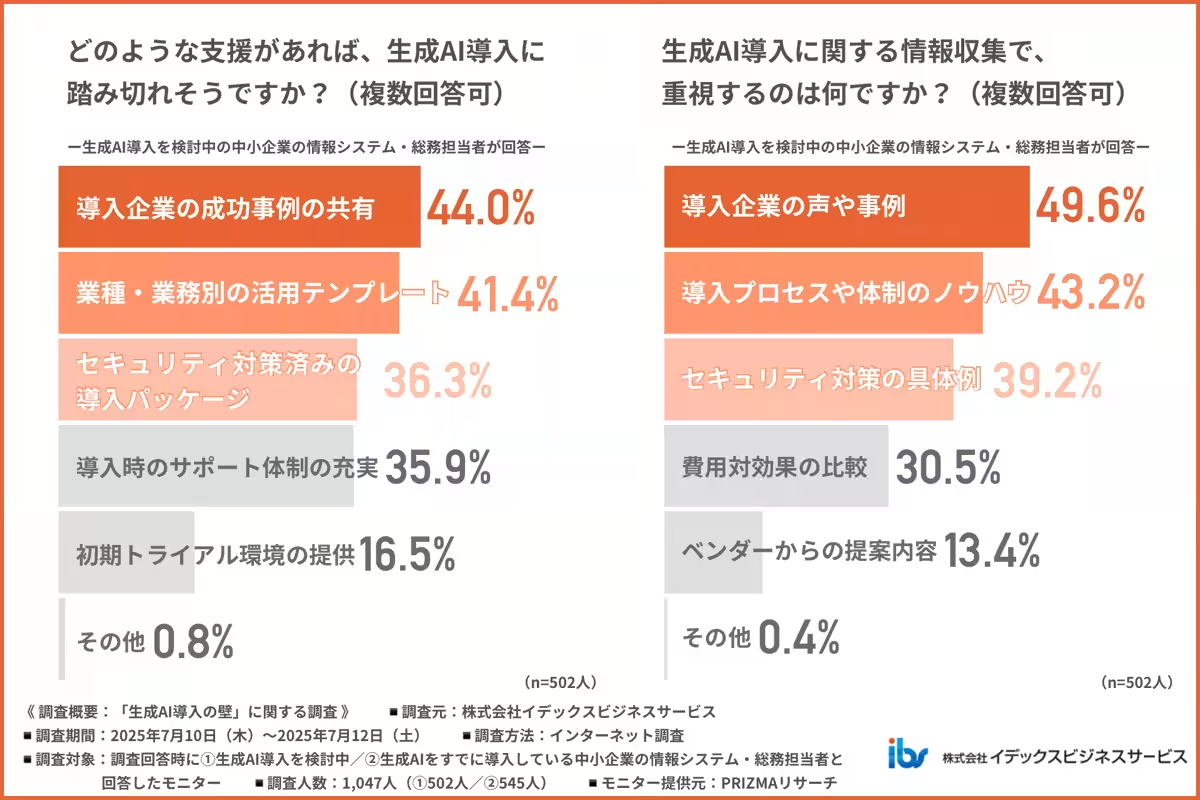
Respondents provided insights into what types of support could encourage them to adopt AI:
- - Sharing Success Stories (44.0%): They emphasized the need for successful case studies from businesses that have effectively integrated AI.
- - Industry-Specific Templates (41.4%): Detailed action plans tailored to various sectors would be beneficial.
- - Security-Focused Packages (36.3%): Ensuring robust security measures within the AI tools themselves is seen as pivotal to overcoming adoption hesitations.
The ability to alleviate concerns surrounding security and provide actionable insights on potential use cases would drastically increase SMEs’ willingness to invest in AI.
Insights from Implementers
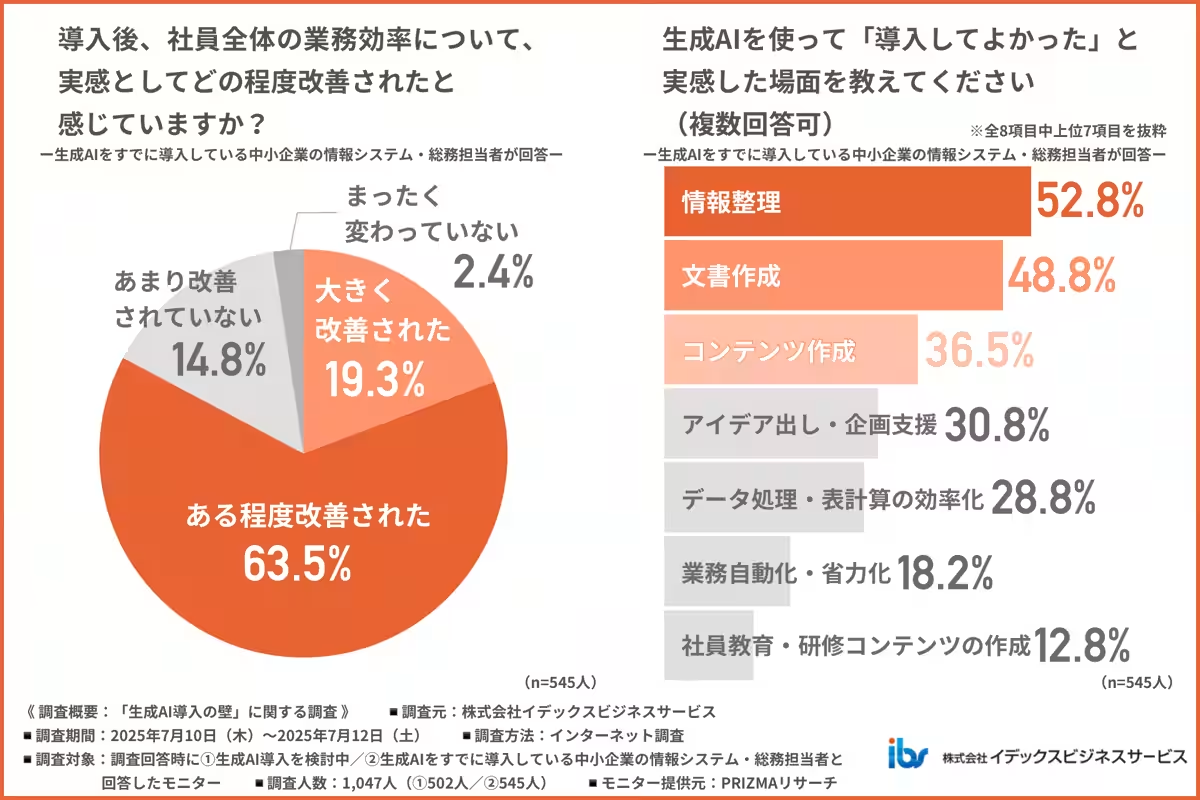
Conversely, the survey's final segment engaged with SMEs that have already adopted Generative AI. Around 82% reported significant improvements in overall operational efficiency. When specific tasks were evaluated, the respondents overwhelmingly noted positive experiences in three primary areas:
1. Information Organization (52.8%): This includes streamlining documents like meeting notes and FAQs.
2. Document Creation (48.8%): The efficiency in crafting emails and reports has markedly increased.
3. Content Production (36.5%): The speed and quality of content creation, such as social media posts and internal newsletters, have seen substantial improvements.
Such positive feedback highlights the feasibility of AI tools in handling repetitive and data-intensive tasks, enabling staff to focus on more strategic roles.
Conclusion
In conclusion, the findings from the Idex Business Service survey reveal a complex landscape regarding Generative AI adoption among SMEs. While there exists a shared anticipation for enhanced operational efficiency and reduced costs, significant barriers continue to hinder broad implementation. The fears surrounding security, costs, and the ambiguity of AI's utility in specific contexts are pivotal concerns that require attention.
To facilitate a smoother transition towards AI integration, businesses need tangible examples of success, clearly defined frameworks for implementation, and dedicated support on security measures. Only then can SMEs unlock the full potential of Generative AI, allowing them to thrive in an increasingly competitive marketplace. Alias "The Path to AI Revolution: Bridging the Gap in SMEs".
For insights and assistance in adopting AI tailored to your company’s needs, Idex Business Service stands ready to help. Visit their website for more information.

Topics Business Technology)

【About Using Articles】
You can freely use the title and article content by linking to the page where the article is posted.
※ Images cannot be used.
【About Links】
Links are free to use.