



The Launch of The Second Phase of Linn Co-Creation Program Set to Begin in July 2026
The Linn Co-Creation Program's Phase Two Launching Mid-2026
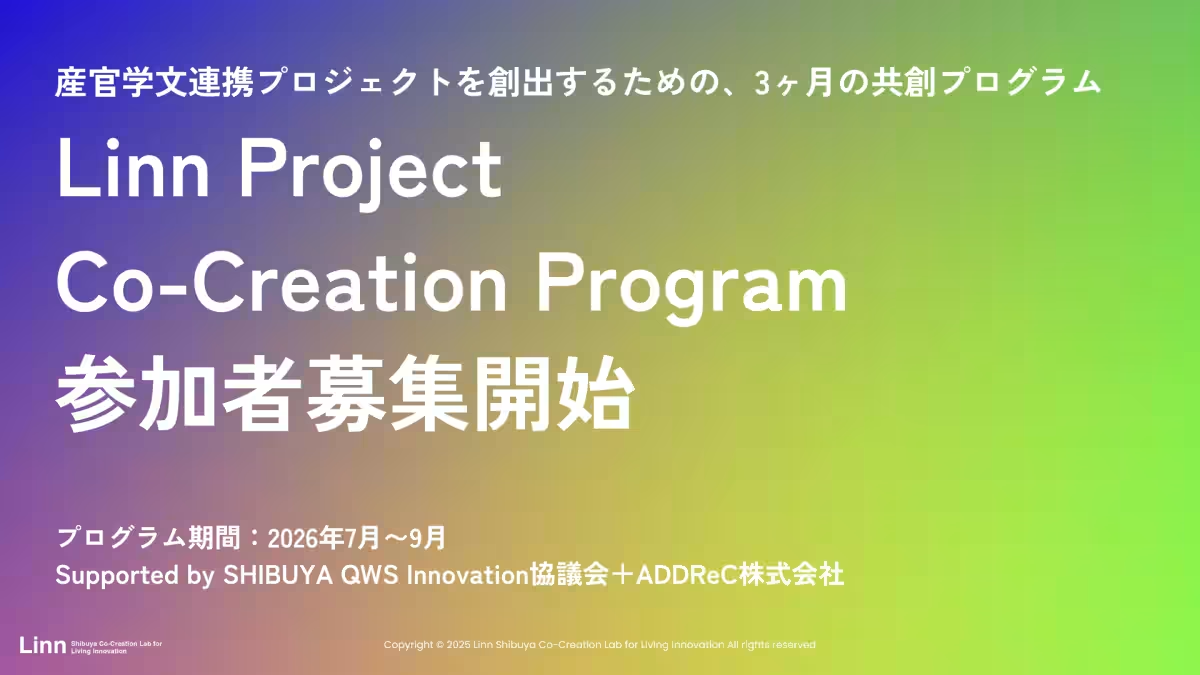
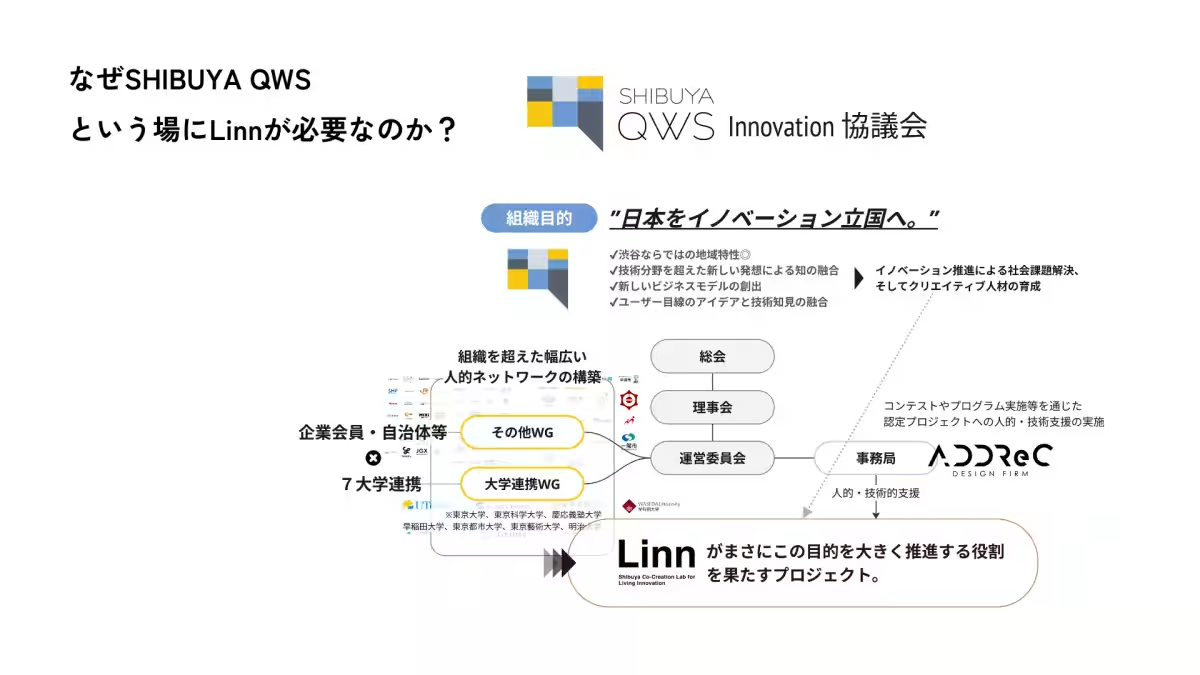
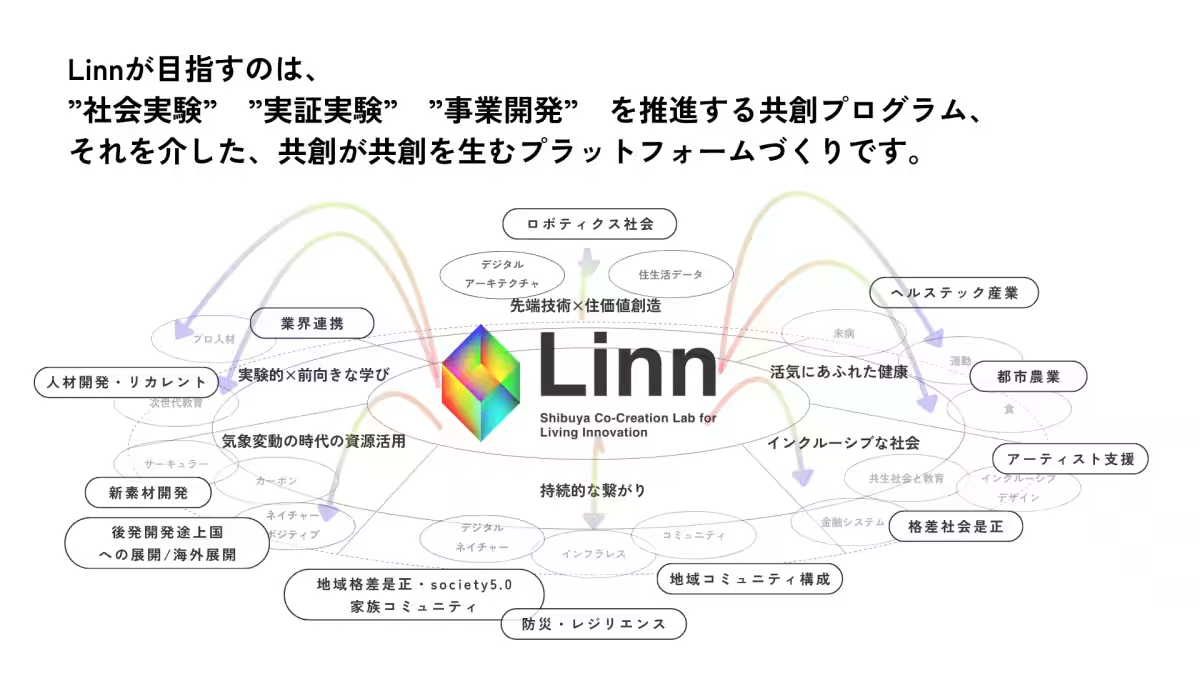
The SHIBUYA QWS Innovation Council, led by Chairman Yukio Nomura, has announced that the second phase of the Linn Co-Creation Program, known as the SHIBUYA Co-Creation Lab for Living Innovation, will commence on July 6, 2026. Following the successful debut phase, this program aims to inspire innovation in living environments through collaborative efforts involving universities, research institutions, local governments, businesses, creators, and artists.
Overview of the Second Phase
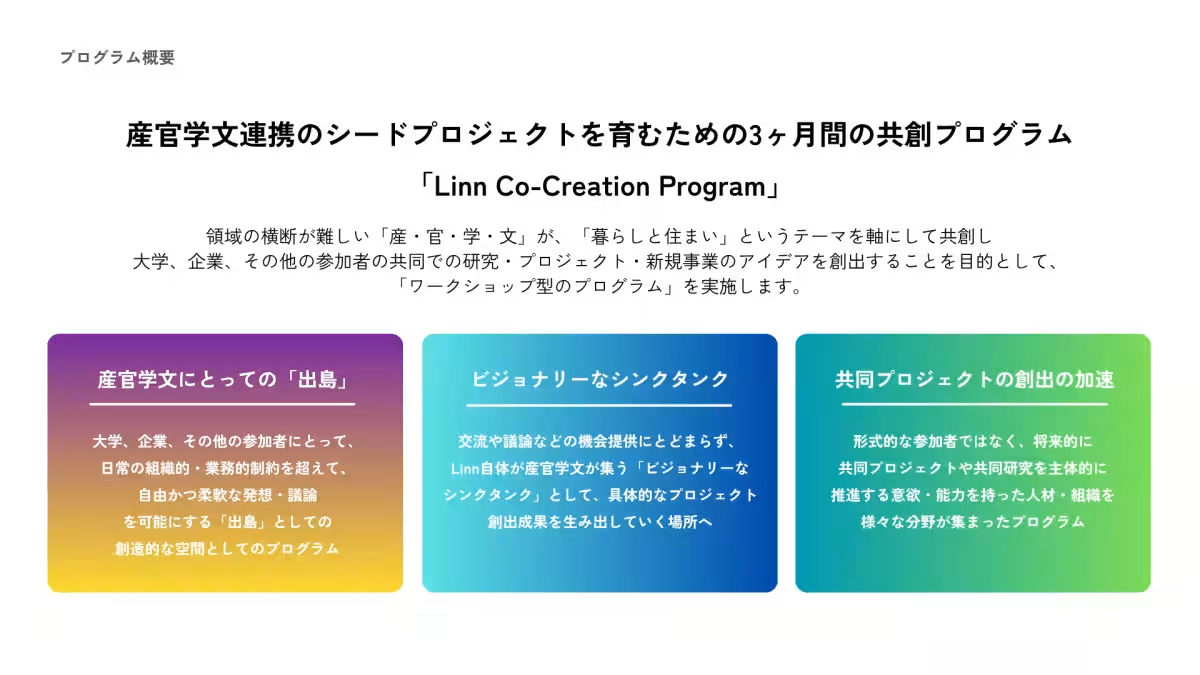
This co-creation program is set to last three months, during which participants will explore the central theme of “Living Innovation.” The goal of Linn is to conceptualize and implement new ways of living and housing through interdisciplinary collaboration. Applications for participation are currently open and will be accepted until June 29, 2026.
Reflection on Phase One Achievements
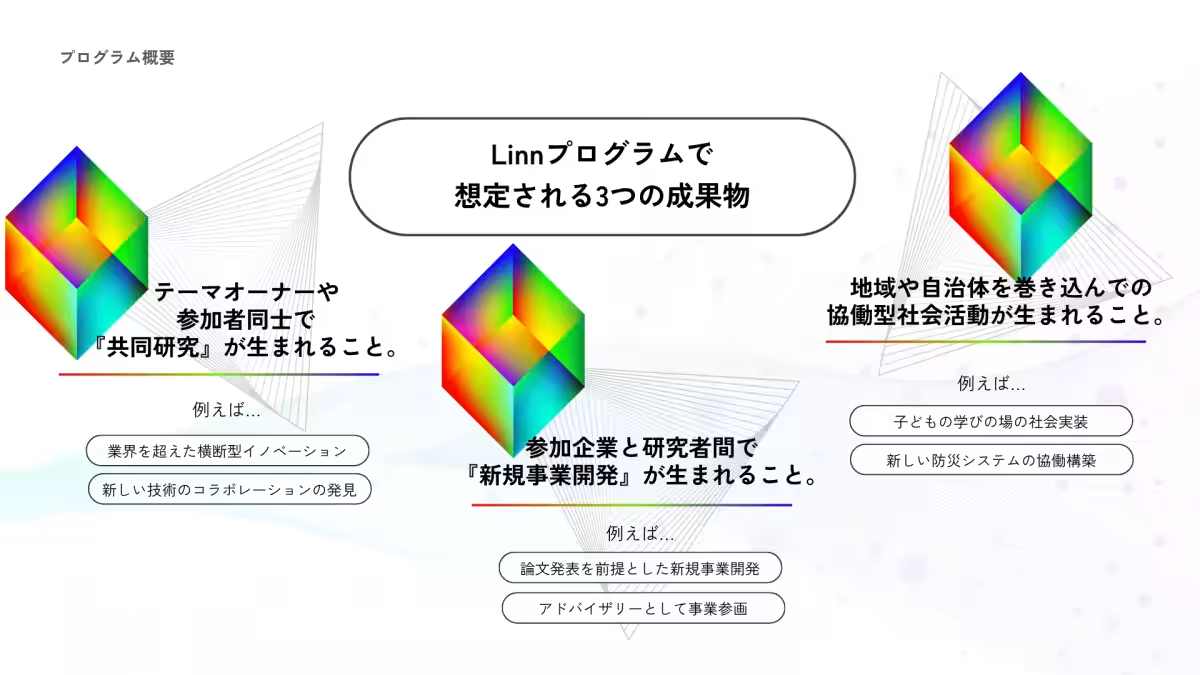
During its initial phase from August to October 2025, the program saw an impressive turnout of 23 participants from various sectors, including businesses, universities, local governments, and QWS projects. The three-month collaboration resulted in around 40 innovative ideas and several collaborative projects between academia and industry. The satisfaction rates were notably high, with an average score of 4.3 out of 5 for overall satisfaction and a stunning 4.8 out of 5 for the desire to continue. Building upon this momentum, the second phase will enhance support structures, reinforcing the co-creation and implementation framework.
Structuring the Linn Program
The Linn Co-Creation Program distinguishes itself as a dynamic collaborative initiative, not just an idea generation workshop or training session. Participants are encouraged to bring their unique resources and expertise, working together to develop seeds of innovation and establish new projects. The program culminates in a structured workshop designed to foster active collaboration and tangible outcomes, backed by the Linn secretariat's ongoing support.
The Role of PMO Function
The secretariat of Linn is equipped with a PMO (Project Management Office) capability, designed to ensure that the ideas generated during workshops do not stall at the implementation stage. By bridging the language and practices of diverse sectors—businesses, universities, and local governments—the PMO offers continuous support throughout the project lifecycle. Key functions include matching businesses with research labs and local governments, coordinating joint research contracts, facilitating proof-of-concept trials, and helping secure funding for implementation.
Meet the Facilitators
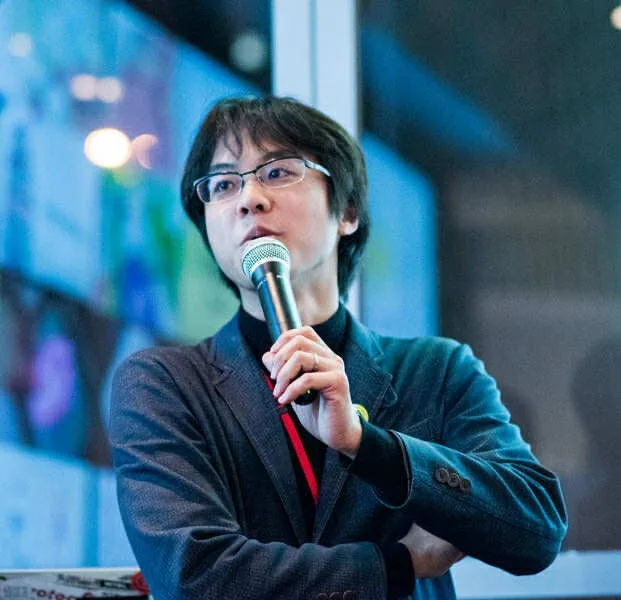
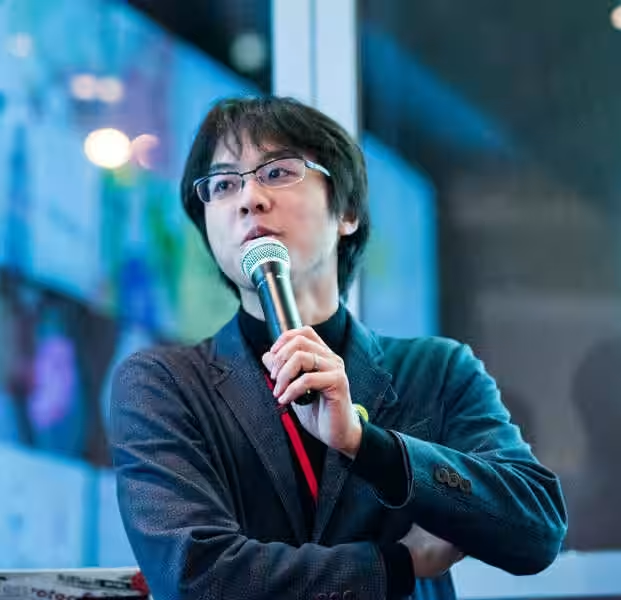
The lead facilitator for the second phase remains Yukinobu Yokota, who brings rich experience as the Director of the Innovation team at ADDReC, an Executive Fellow at i.school, and an adjunct lecturer at Waseda University. Over the past decade, he has supported numerous innovation projects and has authored a book that provides insights into managing successful innovation projects.
Sub-Themes and Theme Owners
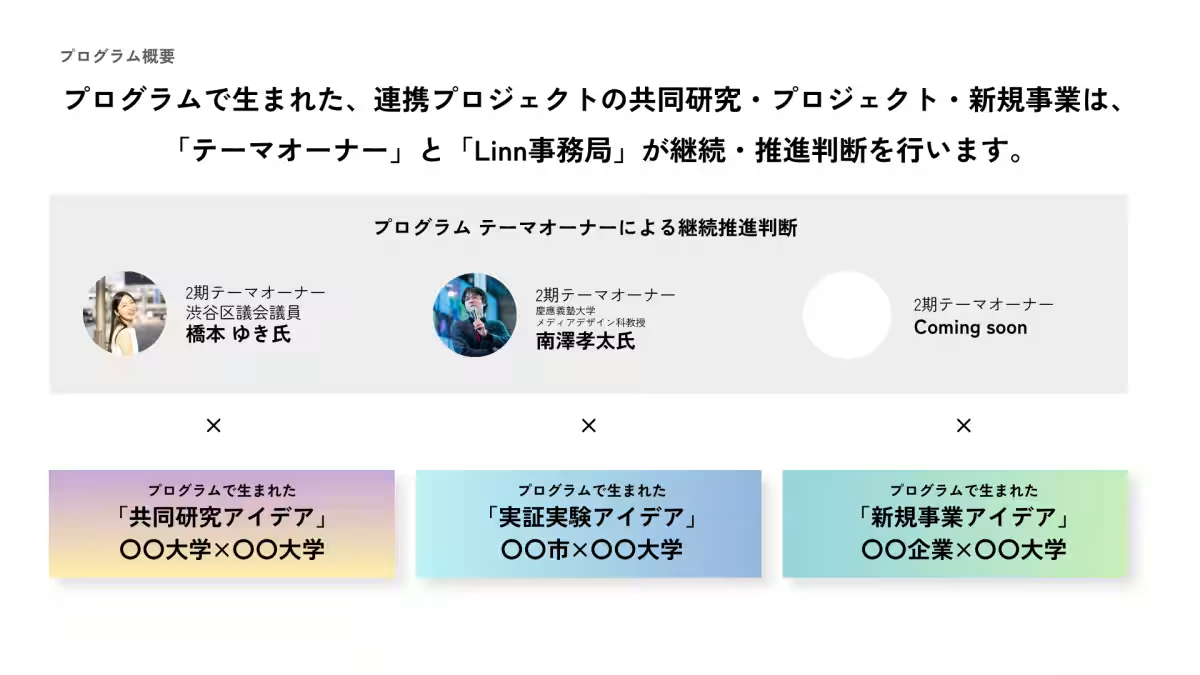
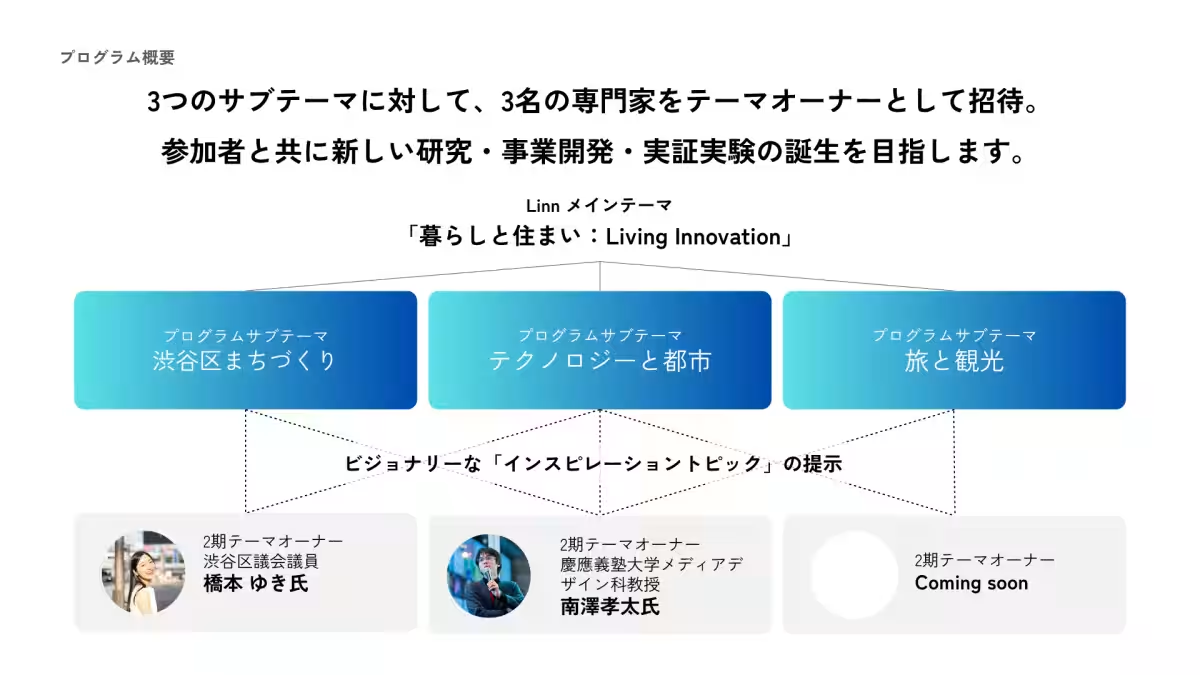
Participants will engage under the main theme of “Living and Housing” while exploring subtopics introduced by theme owners based on their research interests and visions:
1. Technology and Cities
Lead by Kota Minazawa, Chairperson and Professor at Keio University’s Graduate School of Media Design.
2. Community and Urban Development in Shibuya
Led by Yukie Hashimoto, member of Shibuya City Council.
3. Travel and Tourism
Owner: Coming soon.
Participants will have the opportunity to delve into various sub-themes and collaborate with theme owners to generate actionable ideas and potential joint projects.
Value for Participants
The second phase emphasizes increasing diversity among participants. It aims to attract experts from local governments and research institutions while fostering meaningful collaboration across sectors. For researchers, the program provides a platform for practical research and engaging discussions with diverse stakeholders. For businesses, it presents opportunities to develop new ventures through cross-sector collaboration. Meanwhile, local government officials can gain insights from private and academic perspectives to build sustainable solutions for community challenges.
Participation Details
Program Name: Linn Co-Creation Program Phase Two
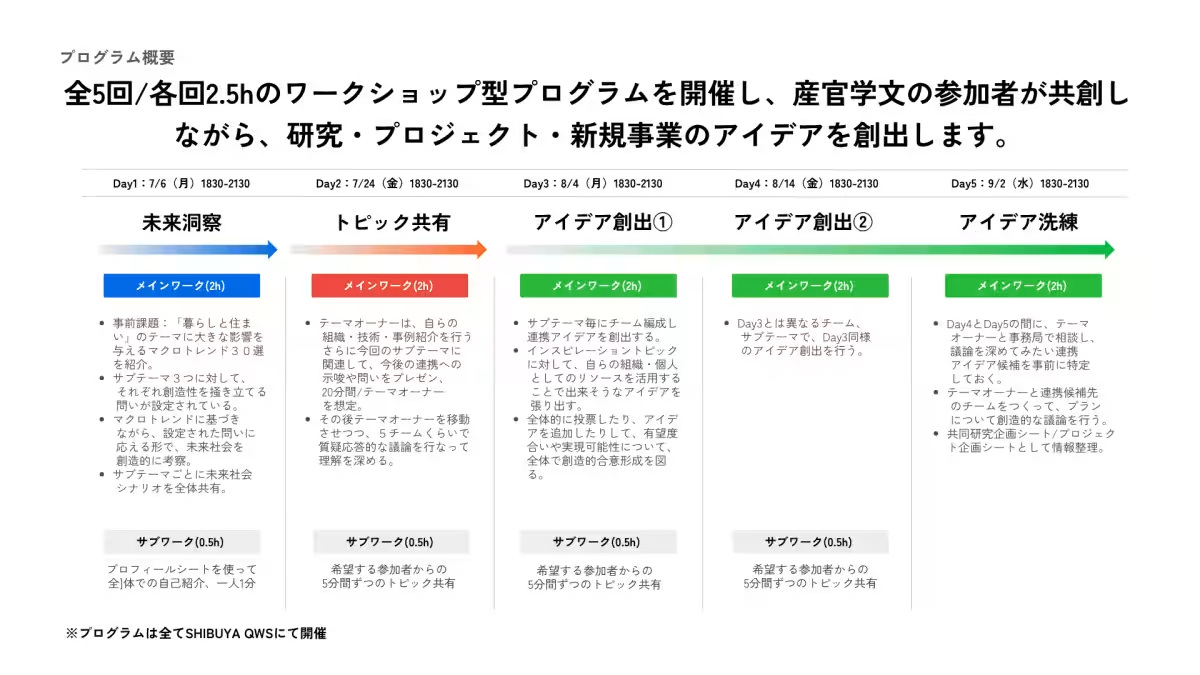
Duration: July to September 2026 (Five sessions, each lasting 2.5 hours, held at SHIBUYA QWS)
- - Day 1: July 6, 2026, 18:30-21:30
- - Day 2: July 24, 2026, 18:30-21:30
- - Day 3: August 4, 2026, 18:30-21:30
- - Day 4: August 14, 2026, 18:30-21:30
- - Day 5: September 2, 2026, 18:30-21:30
Cost: Free for local and university officials (including students), ¥100,000 for QWS corporate members, and ¥200,000 for general corporations.
Further Information: Application Details
Pre-Event Activities
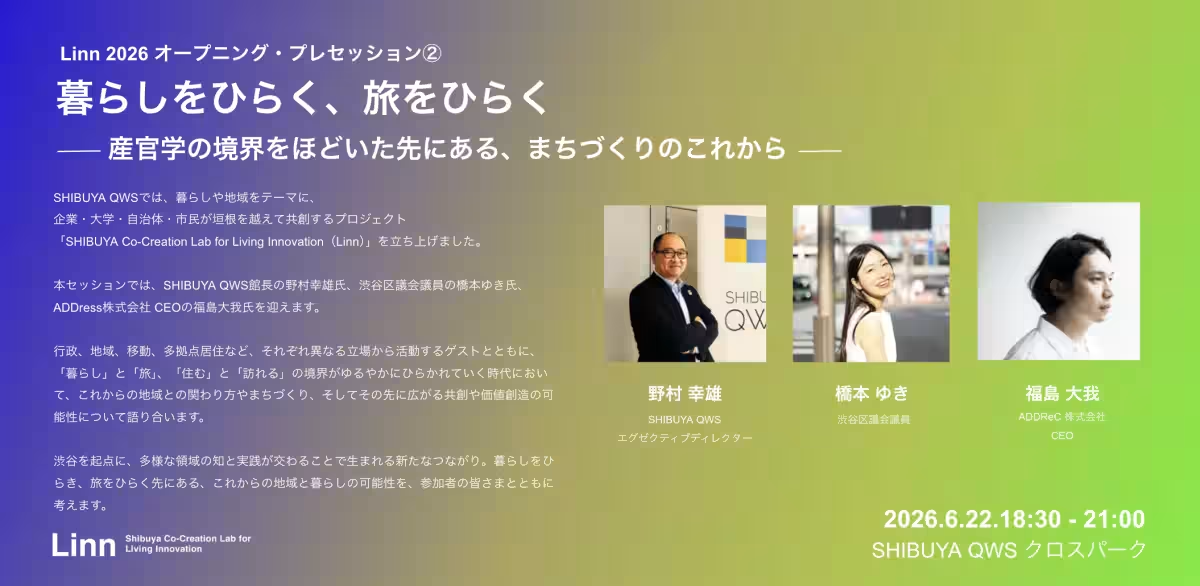
A pre-event titled “Opening Pre-Session 2026: Unlocking Living and Travel” will take place on June 22, 2026. This event will focus on urban development and community formation through collaborative engagement.
Organizer: SHIBUYA QWS Innovation Council
Support: SHIBUYA QWS
For Inquiries: Contact the Linn secretariat at [email protected].
This article highlights the announcement of participation for the Linn Co-Creation Program’s second phase, emphasizing opportunities for innovation through cross-sector collaboration.

Topics Other)
【About Using Articles】
You can freely use the title and article content by linking to the page where the article is posted.
※ Images cannot be used.
【About Links】
Links are free to use.