



Rising Electricity Bills This Winter Stress Households in Japan, with 98.8% Feeling Concerned
Rising Electricity Bills This Winter Stress Households in Japan
The concern over skyrocketing electricity rates this winter is palpable among many households in Japan. A survey conducted by WAVE Corporation, which runs the renewable energy consultation platform "Eco × Energy," revealed that a staggering 98.8% of respondents living in single-family homes feel anxious about their winter electricity expenses. This anxiety is critical given that around 30% of those surveyed reported paying electricity bills exceeding ¥20,000, while the average sum hovers around ¥15,000 to ¥20,000.
Survey Background
As winter settles in, the surging electricity costs coupled with freezing temperatures weigh heavily on household budgets. This is particularly problematic during a season when the demand for electric heating and hot water increases, leaving many families to grapple with the challenge of balancing savings and comfort.
WAVE's survey targeted 500 individuals residing in standalone homes, gathering insights into their perspectives on winter electricity expenses. It highlighted a growing awareness of energy-saving methods yet revealed a predominant tendency towards "endurance savings," where households prefer to cut back on comfort rather than seek efficient solutions.
Key Discoveries from the Survey
When Do Electricity Bills Peak?
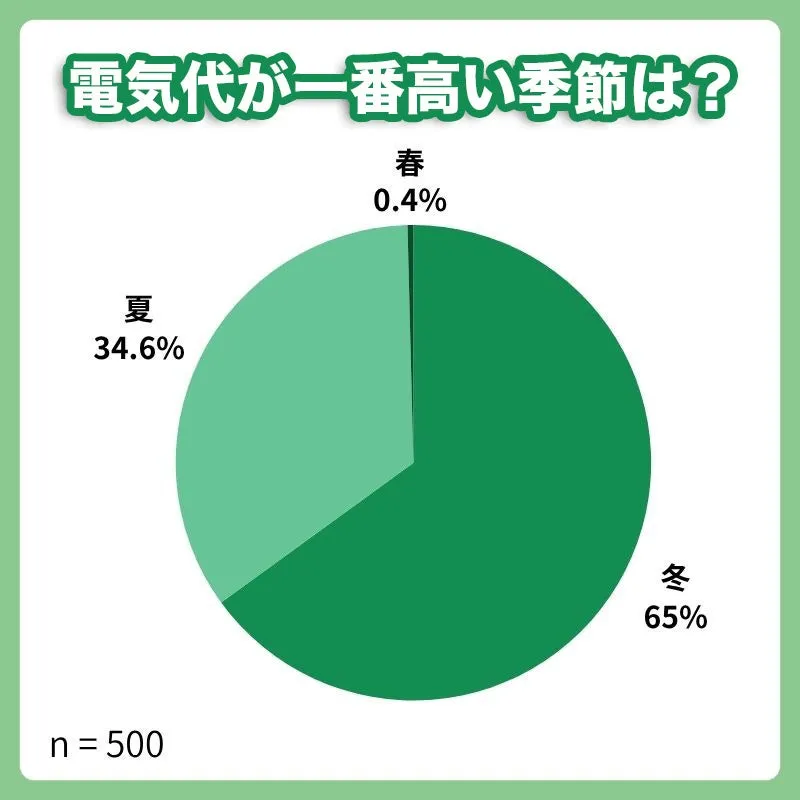
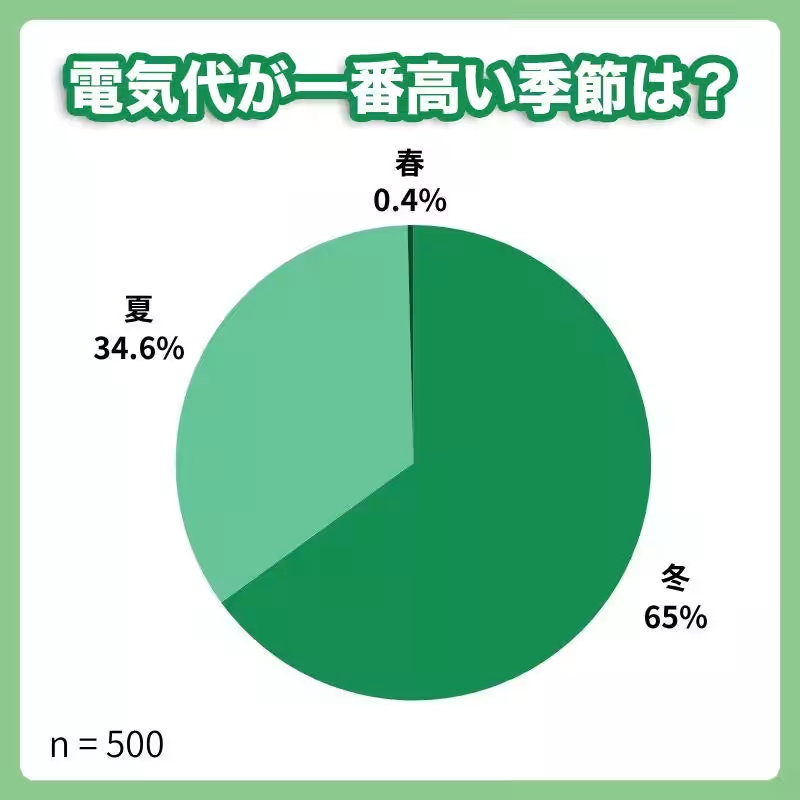
Recognizing patterns in energy consumption, 65% of respondents acknowledged that winter is the time when electricity bills reach their highest. Only 34.6% pointed to summer as a peak season, underscoring that heating, rather than cooling, chiefly contributes to escalating costs. The increased usage of heating devices and appliances combined with shorter daylight hours exacerbates this issue, particularly for dual-income and child-rearing families who often experience significant energy consumption during evening hours.
Average Household Utility Costs
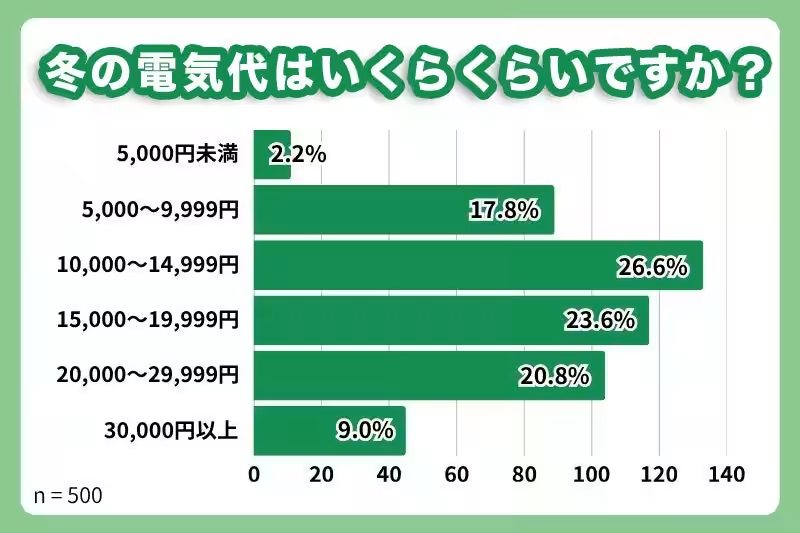
When questioned about their winter electricity expenses, responses clustered heavily around the ¥15,000 to ¥20,000 range, with 26.6% reporting bills between ¥10,000 and ¥15,000, and another 23.6% stating between ¥15,000 and ¥20,000. Nevertheless, a notable segment—20.8%—is faced with expenses between ¥20,000 and ¥30,000, while 9% reported exceeding ¥30,000. The financial burden varies widely among households, raising concerns as many reported feeling that inflation and rising prices have increased their expenses since last year.
Electricity Bill Anxiety
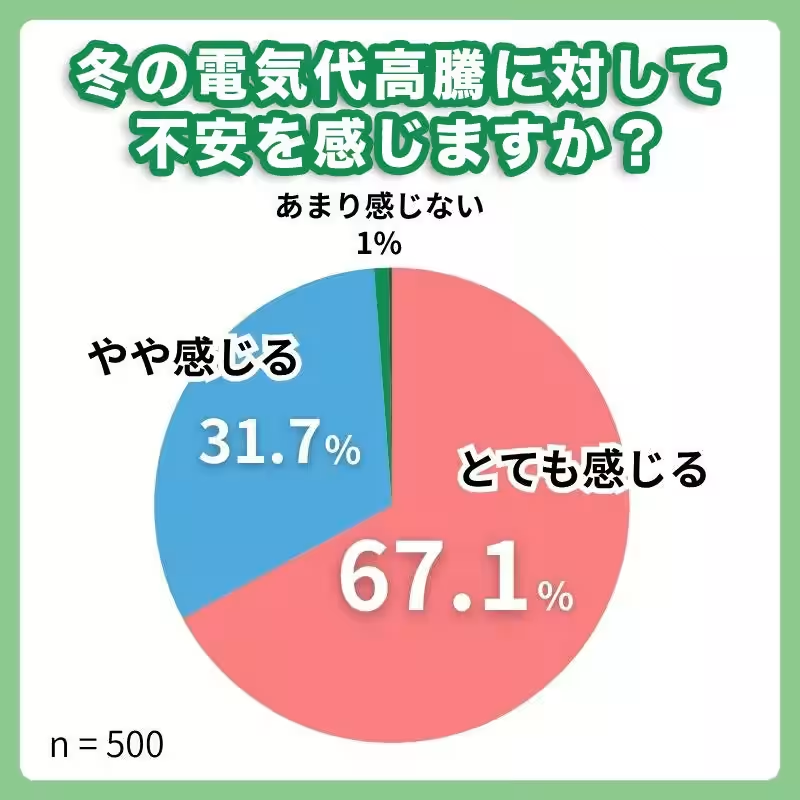
When asked about their feelings towards the rising electricity rates, 98.8% expressed worry, with 67.1% stating that they felt highly anxious and 31.7% mildly so. Only 1% reported not feeling any apprehension, emphasizing that electricity bill hikes are a pressing worry for nearly all families. The sentiment is particularly intense among working parents in their 30s and 40s, as nighttime heating needs collide with their family routines.
Energy Saving Practices
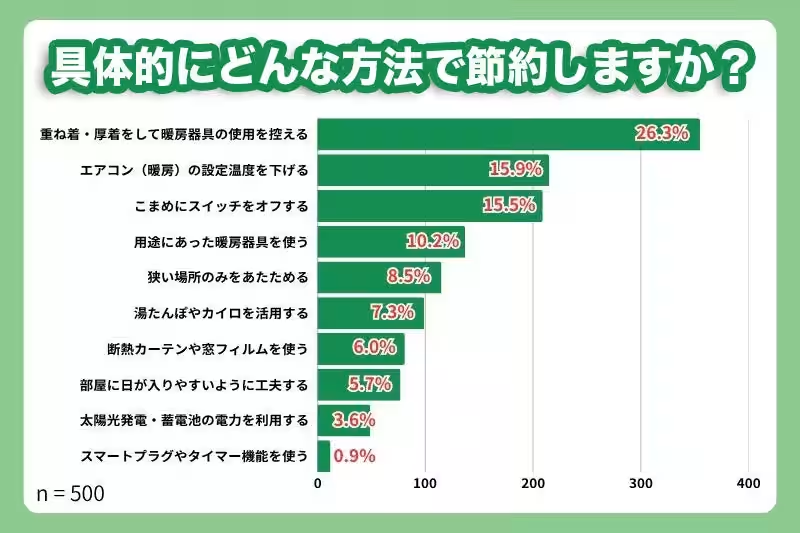
In terms of saving energy, 89% of participants reported making conscious efforts to lower their bills. The most popular strategy was wearing warmer clothing, with 26.3% opting to rely on layered clothing instead of turning up the heat. Following closely were temperature adjustments on heating units at 15.9% and using power-saving switches and methods, represented by 15.5%. Although awareness of solar power and battery systems exist, only 3.6% addressed this in their energy-saving methods, showing that most methods remain focused on short-term sacrifices rather than long-term solutions.
Forward-Thinking Solutions
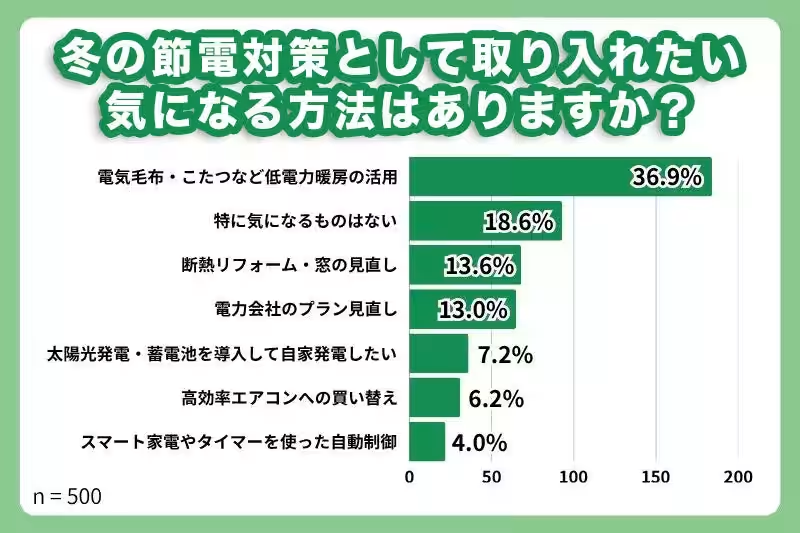
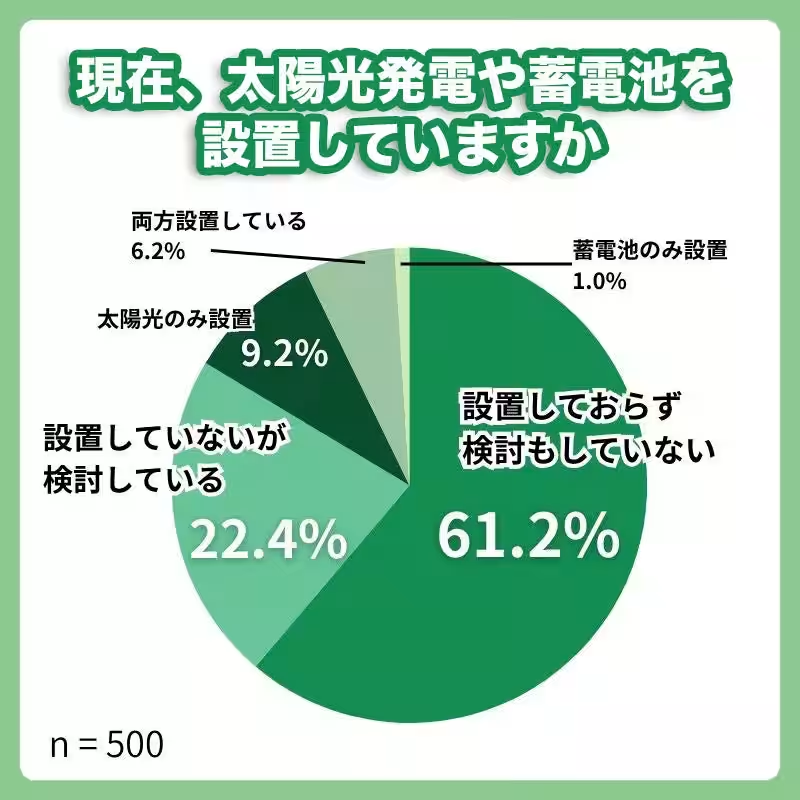
Looking to effective solutions, 36.9% of respondents expressed interest in utilizing low-power heating options like electric blankets and heated tables, indicating a shift towards energy-efficient comforts. On the other hand, the concept of installation of solar systems or battery backups is being considered by 25% of households, illustrating a significant pivot from simply purchasing energy to generating it internally.
As the trend continues, supporting systems like subsidies for solar panel installations will become increasingly vital for families. Overall, there's an observable drive within households to engage creatively in energy-saving practices. Families are exploring methods to both save energy and enjoy the process, demonstrating a cultural shift in how they perceive and approach household energy usage.
To learn more about WAVE Corporation and its offerings, visit their website Eco × Energy.
Topics Consumer Products & Retail)
【About Using Articles】
You can freely use the title and article content by linking to the page where the article is posted.
※ Images cannot be used.
【About Links】
Links are free to use.