



Azoop's Survey Reveals Compliance Gaps in Transport Industry Regulations
Insights into Implementation of Transport Compliance Regulations
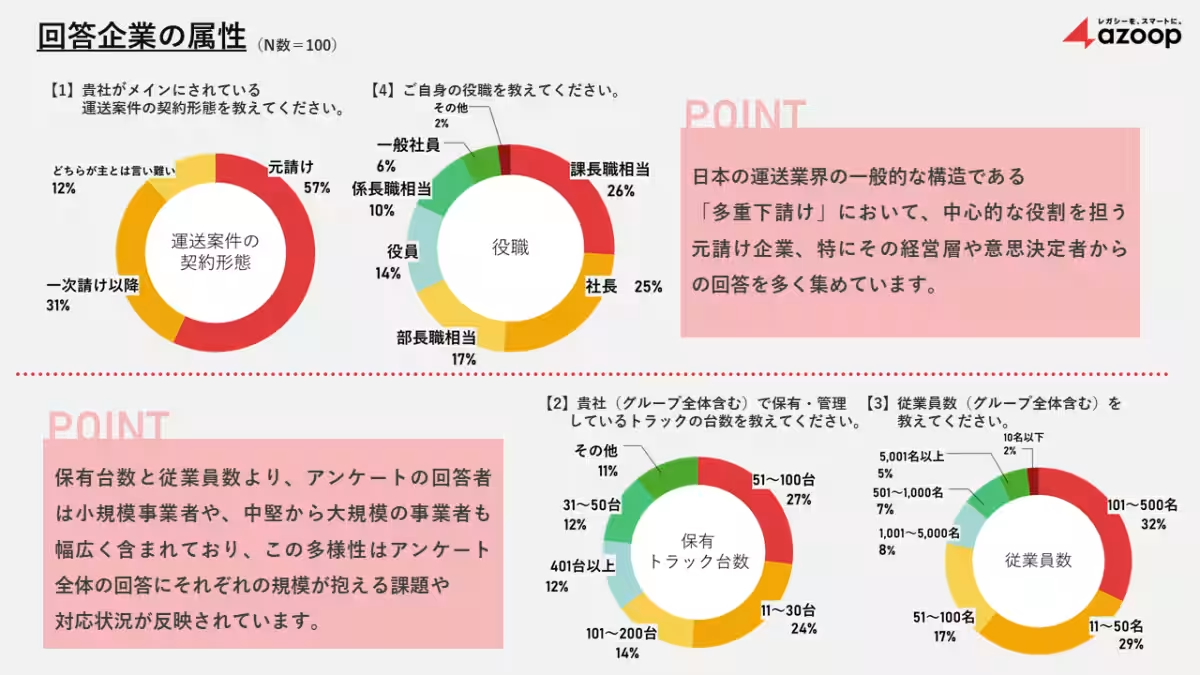
Azoop, based in Minato, Tokyo, has conducted a survey targeting 100 transport companies to assess the current state of compliance with the newly mandated Practical Transport System Management Ledger. The regulation has been in effect since April 2025, aiming to address the industry's multi-tier subcontracting issues that lead to long working hours, low wages, and a shortage of drivers.
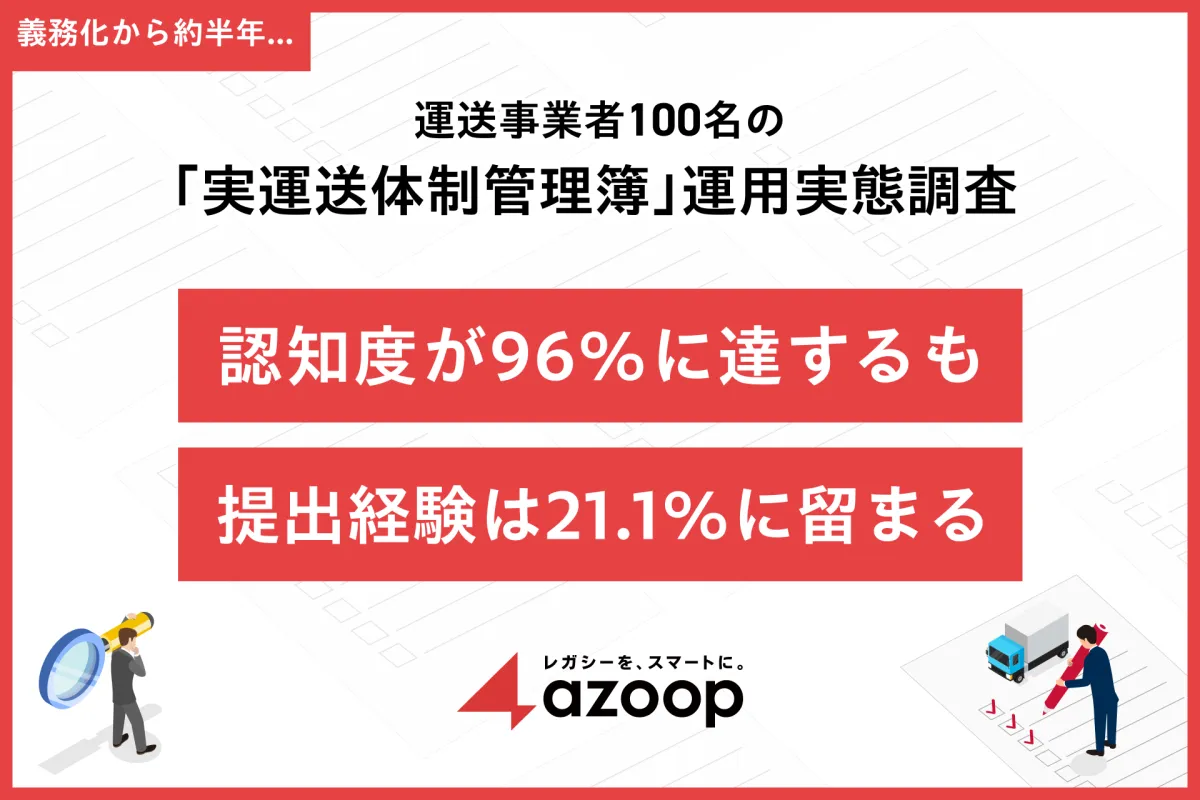
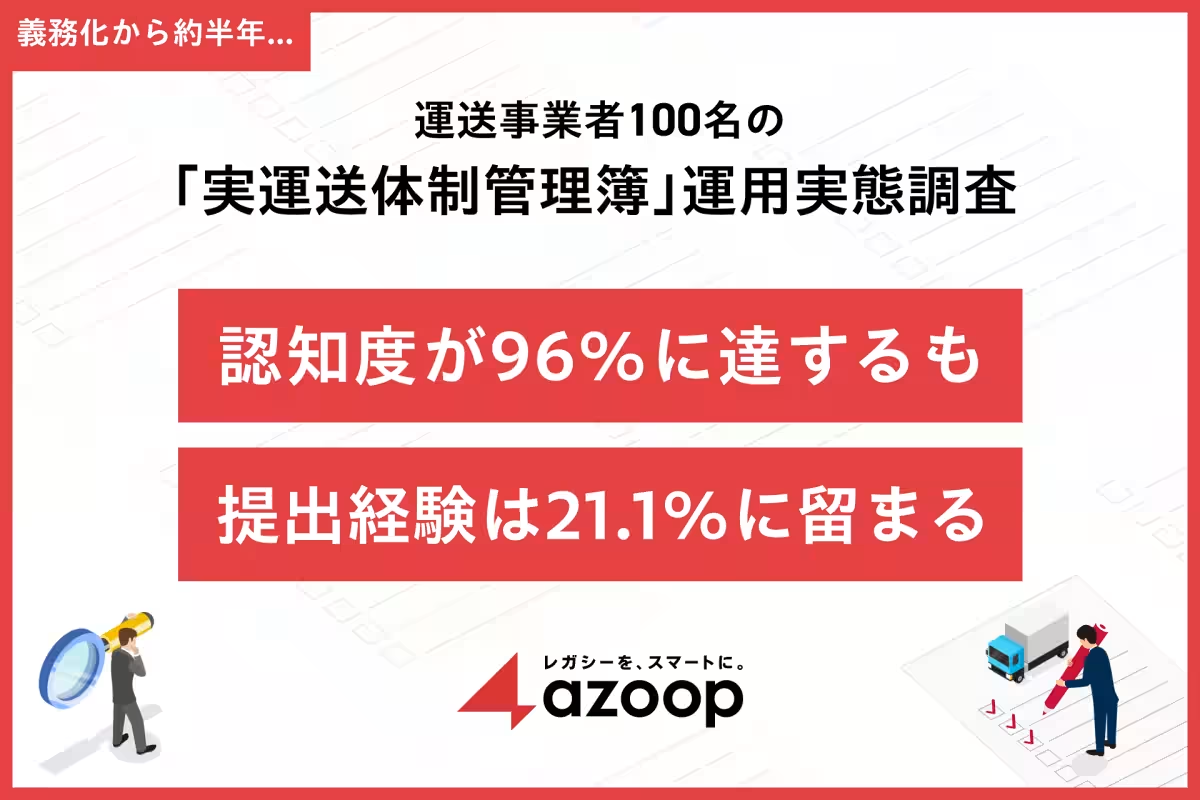
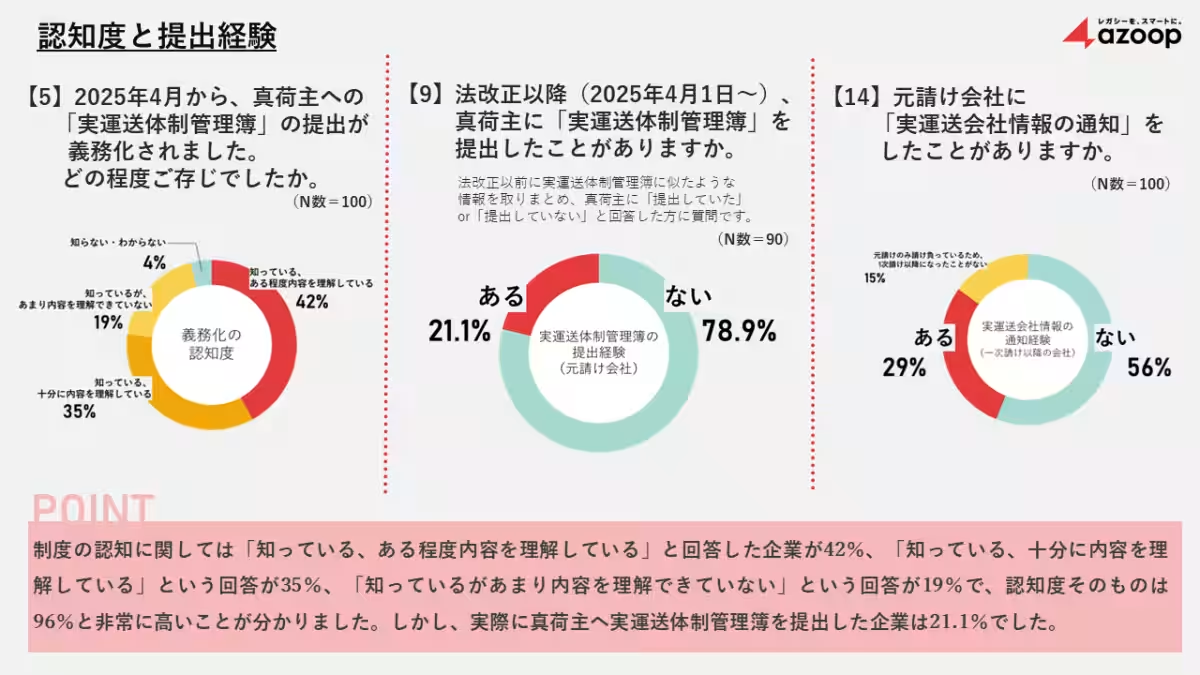
Despite a high awareness rate of 96%, a staggering 21.1% of companies have reported actual submission of the required documentation. This stark contrast suggests that while many businesses recognize the regulation, significant barriers to effective implementation persist, including inadequate information sharing and increased administrative tasks.
Purpose and Background of the Regulations
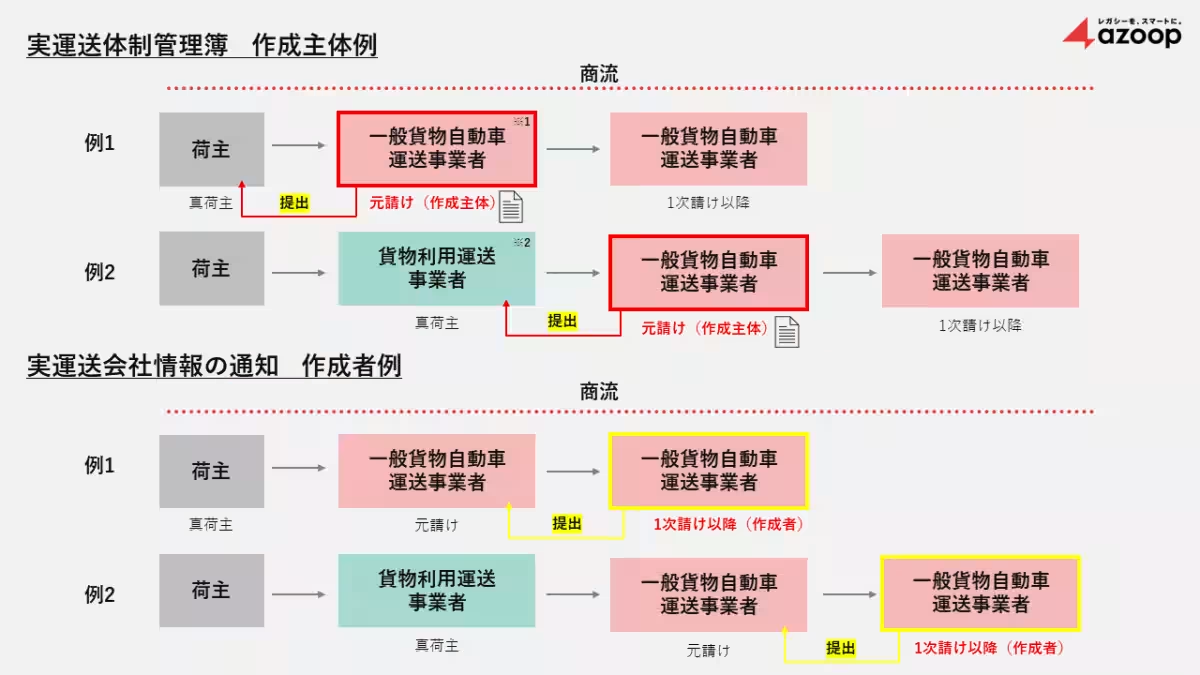
The Practical Transport System Management Ledger was introduced to provide transparency in the transport chain, from contractors to subcontractors, and to eliminate prevailing issues within the sector. Companies are required to document how freight requests are managed from clients, ensuring traceability down the subcontracting hierarchy. The ledger can be created using paper, Excel, or specialized systems, with electronic submissions encouraged for efficiency.
As six months have passed since the regulation came into effect, understanding its impact on the logistics industry through this survey has been crucial.
Summary of Survey Findings
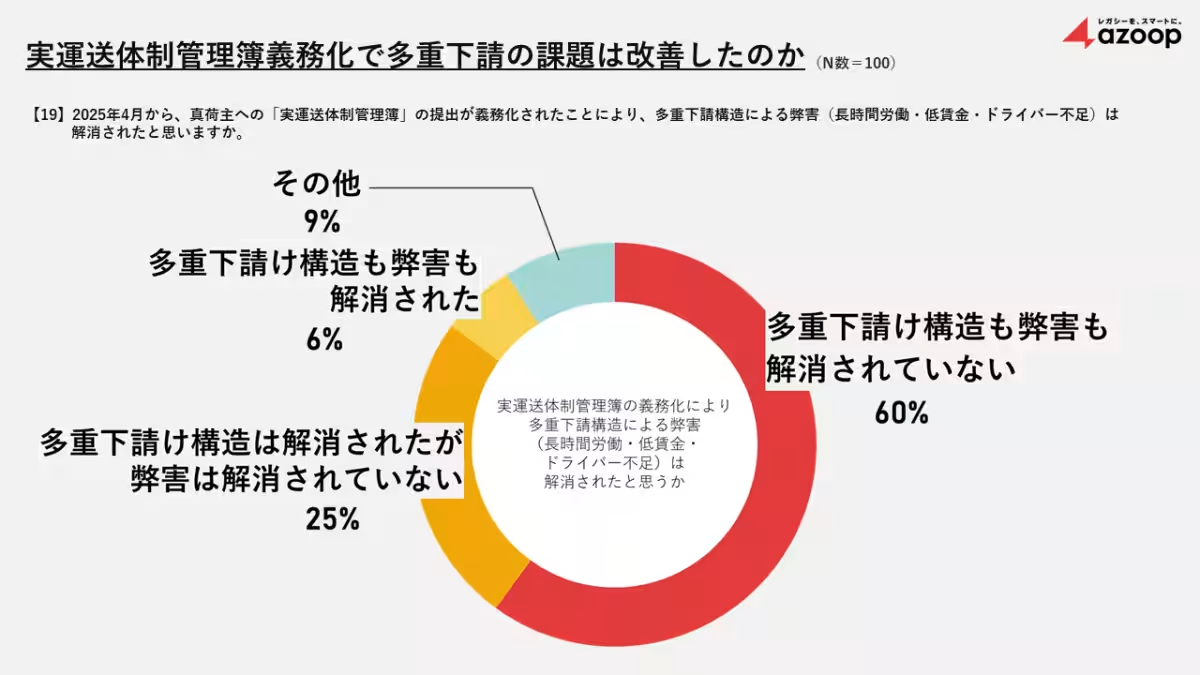
The survey has revealed both positive indications and significant hurdles in the compliance process. Approximately 30% of companies reported feeling that the multi-tier subcontracting issues have improved, suggesting some effectiveness of the regulations. However, the findings also point out overwhelming challenges:
1. High Awareness but Low Submission: While 96% of respondents are aware of the regulation, actual submission remains at a mere 21.1%. Many companies seem to adopt a reactive approach, indicating a low urgency to comply until facing direct requests.
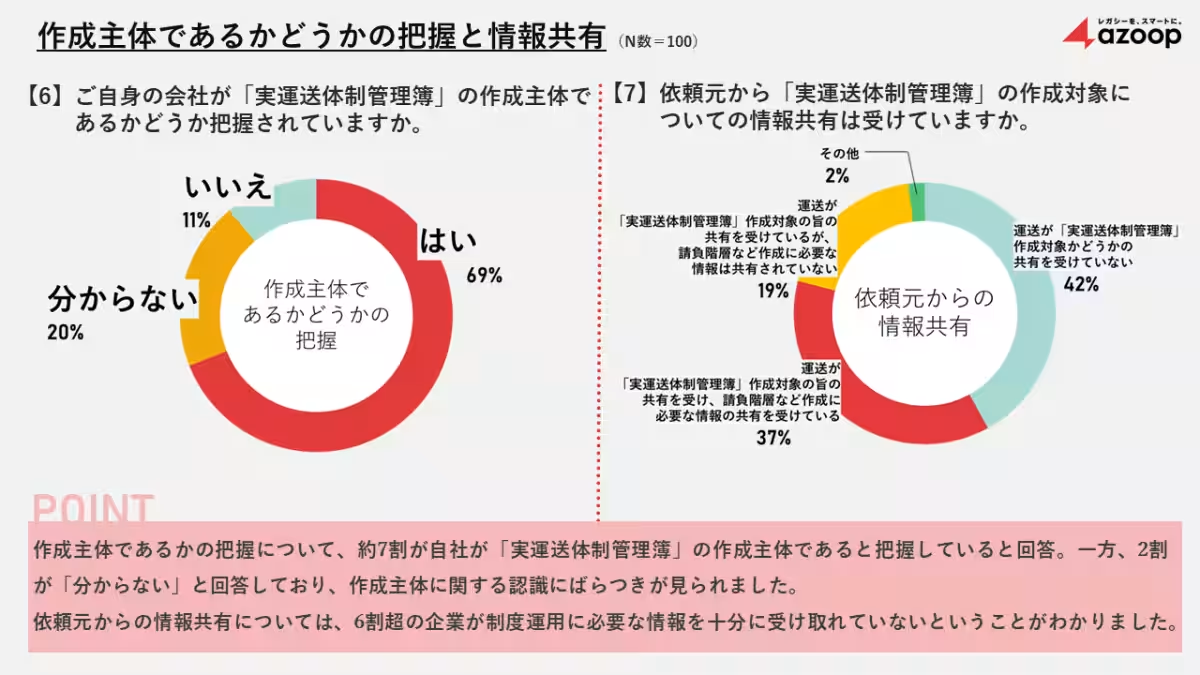
2. Information Sharing Deficiencies: Over 60% of the surveyed companies reported insufficient information from their clients to complete the compliance ledger. Key data such as whether a transport task falls under the new regulation and necessary details regarding subcontracting levels were often not adequately communicated.
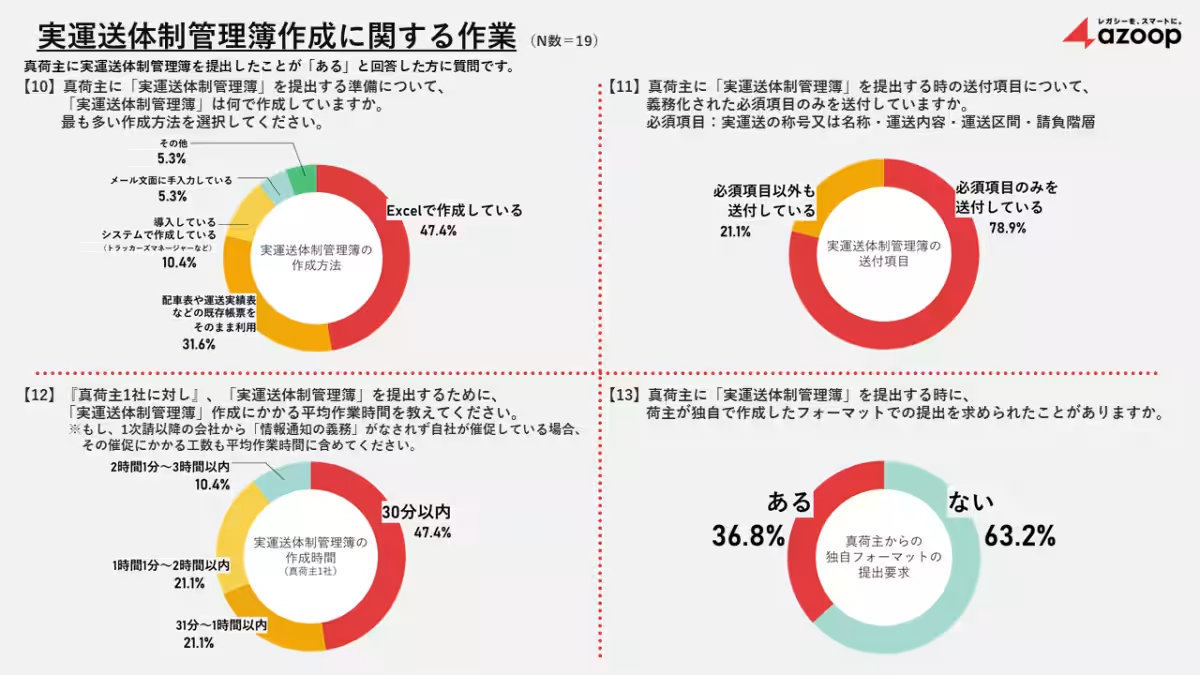
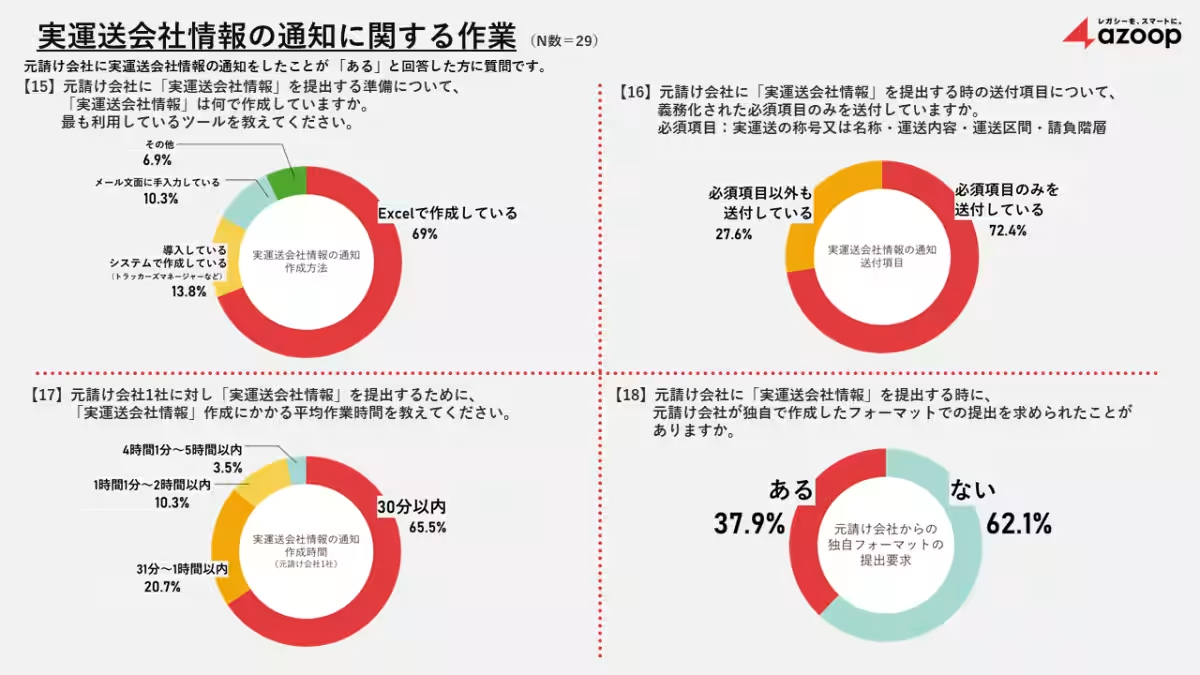
3. Rising Administrative Burdens: Many companies noted that the regulation resulted in increased paperwork. About 40% indicated that clients required submissions in varied formats, complicating the process and amplifying the overall administrative load.
4. Continuing Multi-Tier Subcontracting Issues: The survey found that around 60% of respondents felt that the multi-tier subcontracting issues persist, despite the regulation’s intent. An alarming 85% of respondents who believe some improvement has occurred also reported that the inherent problems remain unaddressed, illustrating a disconnect between regulatory compliance and on-ground realities.
Challenges Faced
One noteworthy aspect highlighted is the perception of the regulations as merely an additional administrative burden, leading to skepticism about their overall purpose and benefits. The majority of companies still view the initiative primarily as extra paperwork rather than a meaningful attempt at improving labor conditions.
The commitment from contractors to streamline information sharing is vital for overcoming these challenges. Establishing effective communication channels from clients to subcontractors will ease the burdens and accelerate compliance.
A Call to Action
As the transport sector grapples with adaptation to this new regulatory environment, the collective response is crucial. Stakeholders need to work together to create efficiencies in compliance processes, ensuring both better communication and support for all involved parties. Only then can the benefits intended by the Practical Transport System Management Ledger be fully realized.
About Azoop
Azoop specializes in digital transformation services tailored for transport companies. Their product, Truckers Manager, automates the generation of the Practical Transport System Management Ledger using operational data inputted into their management platform. This aims to simplify compliance for carriers, enabling them to focus on their core business operations while meeting regulatory demands effectively.
For more information on Azoop and its services, visit their official website: Azoop.
Topics Business Technology)
【About Using Articles】
You can freely use the title and article content by linking to the page where the article is posted.
※ Images cannot be used.
【About Links】
Links are free to use.