



Exploring Post-Divorce Financial Realities Among Women With and Without Children
Understanding the Economic Impact of Divorce on Women
In a recent study conducted by Agoora, a leading portal for divorce lawyers, insights into the post-divorce financial conditions of women were gathered. The survey targeted 50 women who divorced within the last two years, analyzing their economic shifts after separating from their spouses. Of these participants, approximately half had children, providing a valuable comparison between mothers and those without kids regarding their financial situations and reliance on public support.
Overview of the Study
The purpose of the survey was to extract information about the monetary changes experienced by women who divorced within a specified timeframe (2023-2025). The data collection occurred via a web-based questionnaire conducted from May 12 to 15, 2025.
The survey sampled 4000 women aged between 20 and 59 across the nation, with 50 respondents directly answering regarding their financial adjustments following divorce—22 were mothers, and 28 did not have children.
Explore More Here
Key Findings
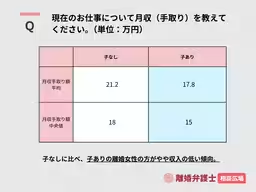
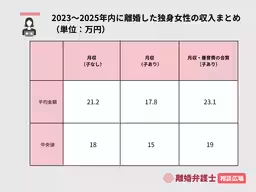
- - Income Levels: The average income for divorced women overall was around 200,000 yen monthly, with noticeable differences based on parental status. Childless women reported an average of 212,000 yen, whereas mothers indicated an average of 178,000 yen. Such discrepancies highlight the financial hurdles confront mothers, often due to employment limitations exacerbated by childcare responsibilities.
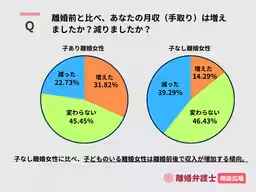
- - Income Changes Post-Divorce: Nearly 32% of mothers reported an increase in their income following their separation compared to just over 14% of childless respondents, suggesting that having children may motivate mothers to seek higher earnings immediately after divorce, often through part-time or full-time employment opportunities.
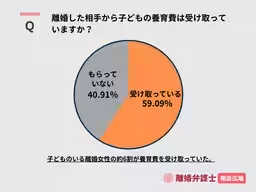
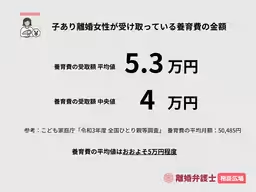
- - Child Support: Approximately 59% of mothers received child support, averaging 53,000 yen monthly. This financial boost plays a critical role in stabilizing their economic conditions post-divorce.
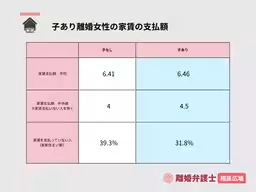
- - Monthly Living Costs: House rent for both childless women and those with children was relatively similar, around 64,000 yen. However, it's important to note that many childless women opted to return to their parental homes, reducing their housing costs significantly.
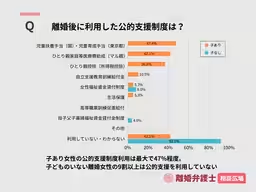
- - Utilization of Public Support: Nearly half of the mothers utilized governmental assistance programs, such as childcare allowances and healthcare support. In contrast, more than 90% of childless women either did not use such services or were unaware of their availability. This stark dichotomy emphasizes the need for better access to information regarding public assistance for women without children post-divorce.
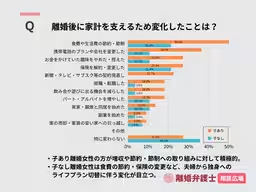
- - Adaptations and Budget Management: Women with children generally made more proactive adjustments to their financial habits, reducing expenses and finding new income sources to navigate their financial situations. On the other hand, many childless respondents noted that their living conditions did not shift significantly post-divorce, leading to a sense of apprehension about their financial stability.
Reflections on Satisfaction Post-Divorce
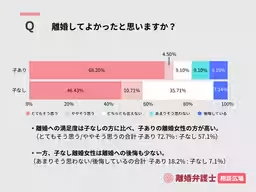
The survey also delved into the emotional aftermath of divorce. When asked whether they were glad to have divorced, a higher proportion of mothers expressed satisfaction compared to their childless counterparts. The reasons varied, including the necessity to escape troubled marriages involving infidelity or domestic abuse. The presence of children adds a different dynamic to the post-divorce experience, as mothers often perceive their new situation as a chance for a fresh start, leading to fulfillment in their new roles beyond mere financial recovery.
For childless women, the satisfaction level was more nuanced. While they generally did not harbor regrets, many reflected ambivalence about their choices, with over one-third expressing neutrality regarding their divorce experience.
Conclusion
Through this study, it has become evident that the financial realities of divorce significantly diverge based on whether the individual has children. While mothers face specific challenges regarding income and employment flexibility, they may benefit from support systems that aid in their transition back to financial stability. In contrast, childless women enjoy increased freedom but often miss out on public resources, which can lead to feelings of isolation while navigating their paths post-divorce.
It is crucial for individuals contemplating divorce to prepare beyond emotional considerations—planning for their financial future through savings, understanding available public support options, and having clarity on post-divorce expenses can facilitate a smoother transition into single life. Additionally, seeking legal advice can help ensure their rights and financial positions are secured throughout this transformative journey.
Further Reading
For more detailed insights and other findings from the survey, visit Agoora's official website which continues to provide valuable resources for those facing divorce-related challenges. Learn More
About Agoora
Agoora is a portal connecting individuals seeking legal counsel regarding divorce with top attorneys across Japan, aiming to support clients with diverse needs and enhance awareness of their rights and available resources.
Topics Other)
【About Using Articles】
You can freely use the title and article content by linking to the page where the article is posted.
※ Images cannot be used.
【About Links】
Links are free to use.