



Exploring the Growing Use of Employee Apps in Beverage and Retail Industries
The Growing Use of Employee Apps in the Beverage and Retail Industries
In a world increasingly shaped by technological advancements, the significance of employee apps in the workplace, especially in the food, retail, and service industries, has become a focal point. A recent survey conducted by iRidge, whose headquarters is located in Tokyo, Japan, sheds light on the current state of employee app utilization among businesses within these sectors.
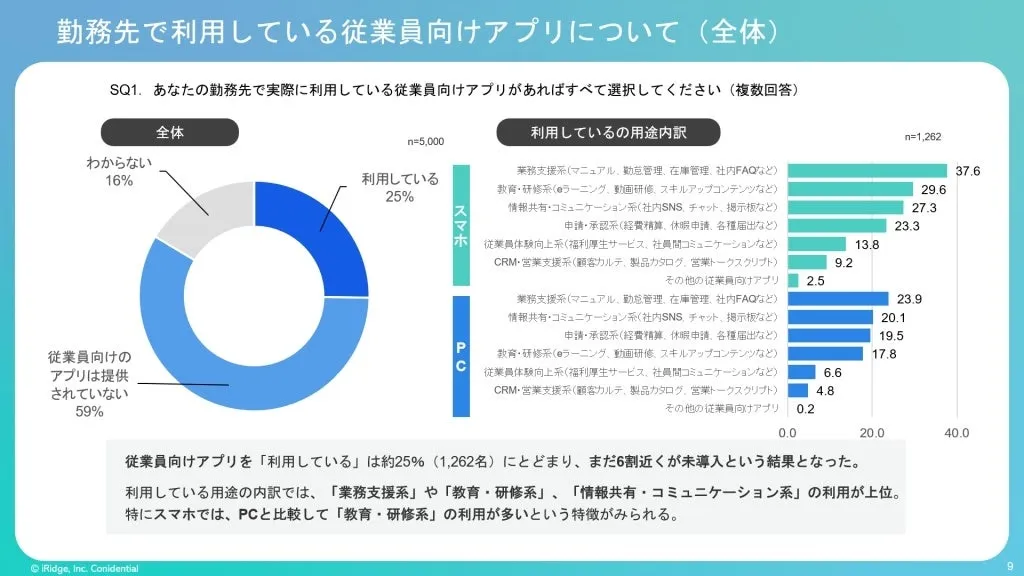
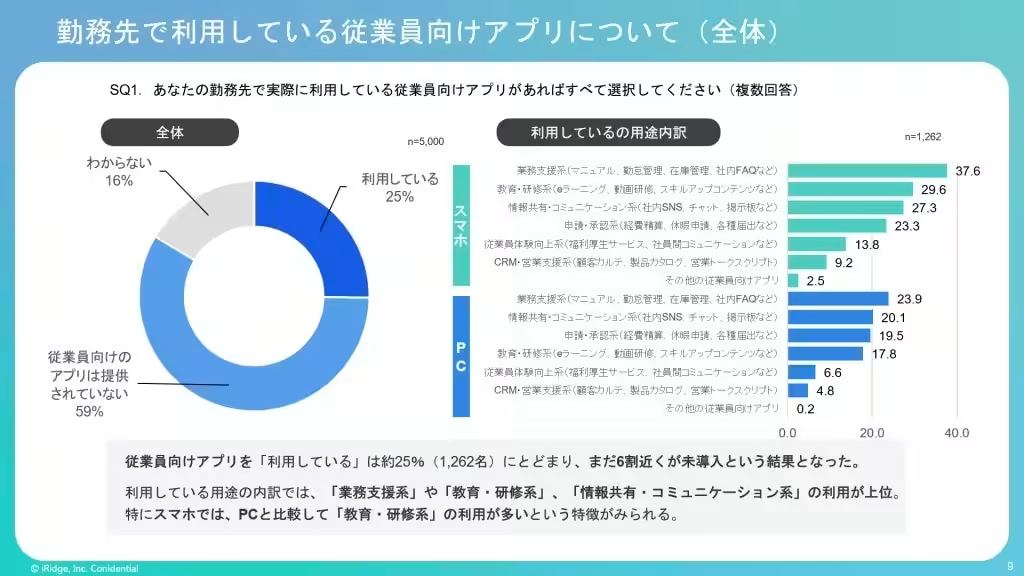
The survey targeted 5,000 adults across Japan and captured responses from 308 individuals currently using employee-focused smartphone applications. The findings reveal that despite only about 25% adoption of these apps, those that have integrated them into their operations are reaping notable benefits. Here's a closer look at some of the survey results:
Key Findings of the Survey
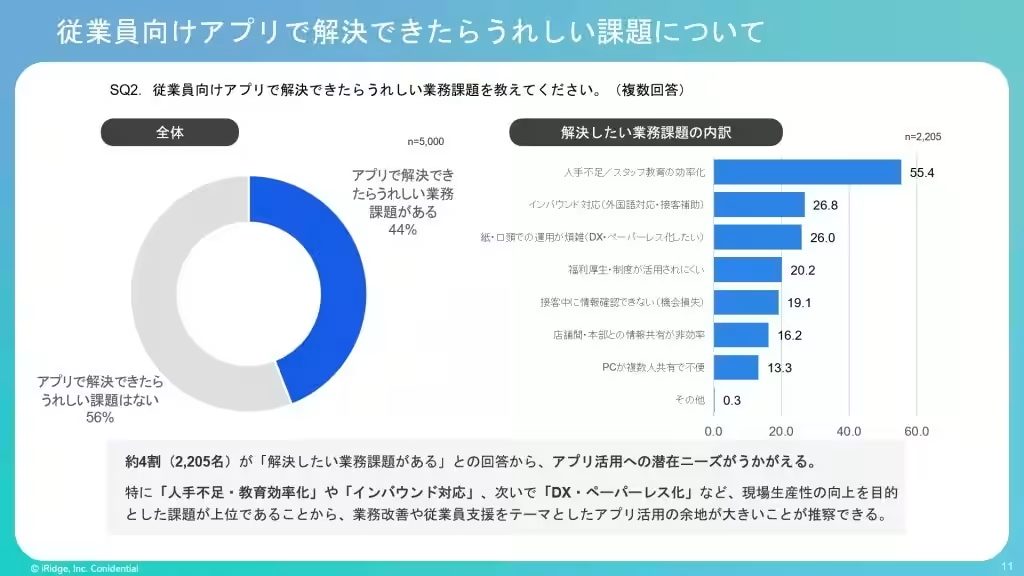
- - Top Business Challenge Addressed: Among the most pressing issues employees wish to resolve via these apps is the ongoing struggle with labor shortages and the need for effective training processes. Approximately 40% of respondents indicated they have challenges they would like these apps to solve, primarily emphasizing efficiency in staff education.
- - Significant Adoption in Certain App Types: The most popular category of employee app reported was the business support apps, including those for manual management and attendance tracking. This highlights a strong preference for applications that streamline daily operational tasks. Interestingly, smartphone usage is more prevalent in education and training apps compared to PC usage, indicating a shift toward mobile-first experiences for staff learning.
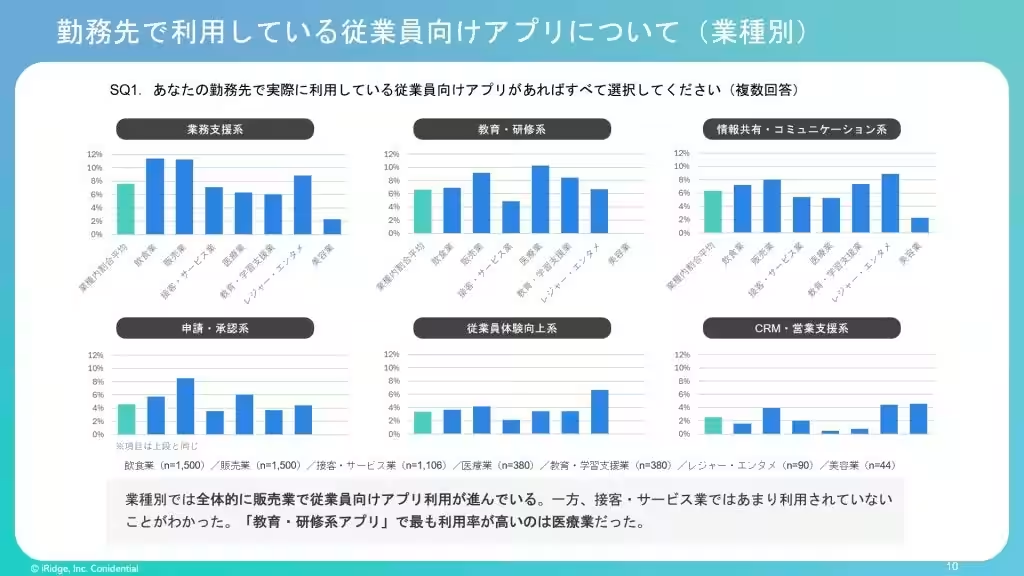
- - Industry-Specific Insights: While the data suggests a robust adoption of apps within sales and food services, other sectors, particularly customer service, are lagging behind. This disparity calls for a deeper understanding of specific industry needs and app capabilities.
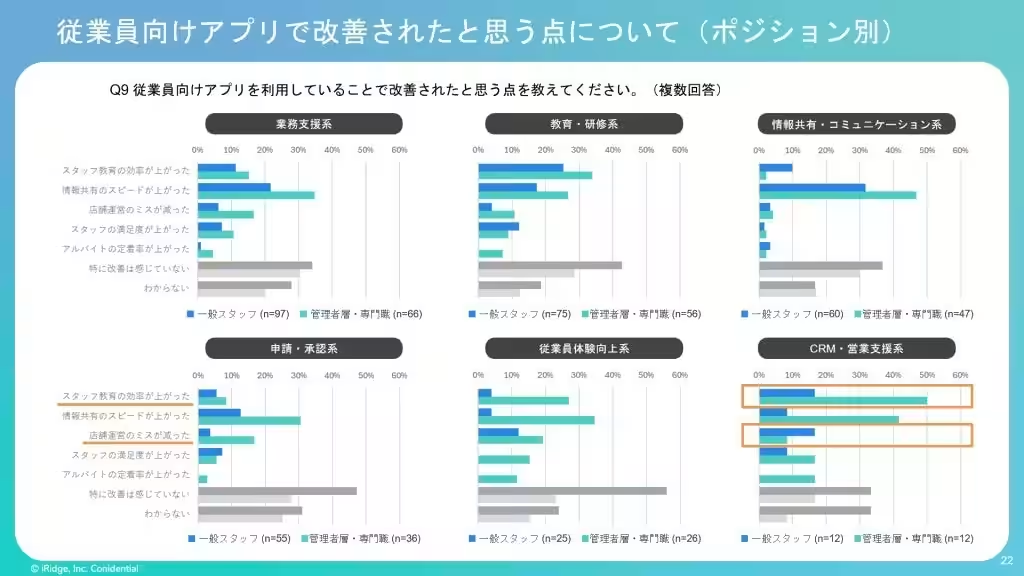
- - Diverse Perceptions of Effectiveness: Employees' perceptions of the apps' effectiveness vary notably based on their positions. For instance, within the CRM and sales support categories, around 50% of management roles felt positively about the apps' contributions to improving training efficiency and information sharing speed. Conversely, one-third of employees reported not experiencing significant benefits from the applications, indicating potential under-utilization.
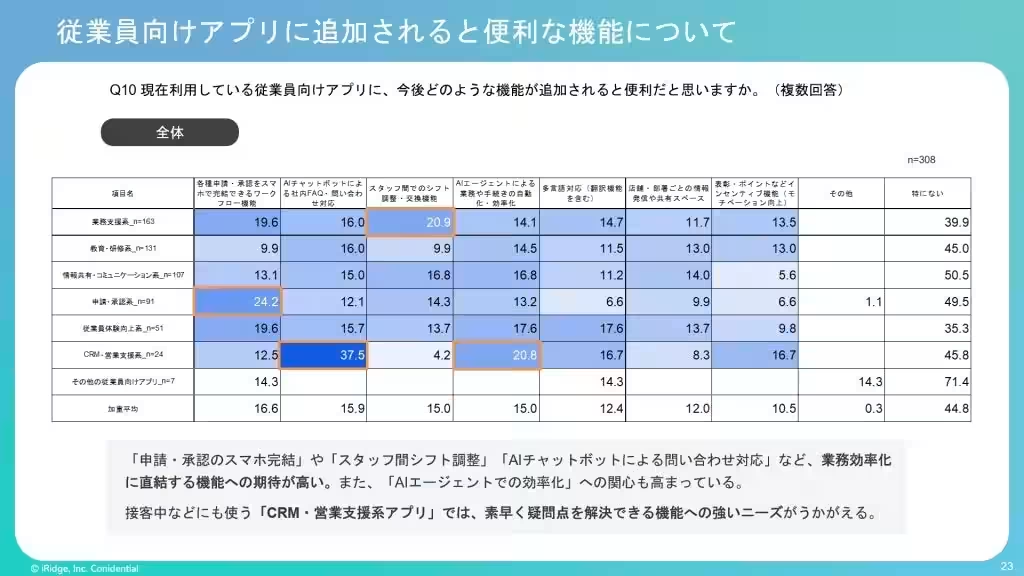
- - Desired Features for Improvement: When asked about additional features that would enhance their app experience, respondents showed interest in functionalities that directly improve operational efficiency, such as mobile application-driven shifts adjustments and AI-driven support systems.
Conclusion and Future Insights
The insights garnered from this survey echo the necessity for companies in the beverage and retail sectors to adapt to a digital-first approach, particularly through effective employee app integration. As businesses deal with shrinking workforce numbers and evolving work styles, the ability for employees to access information and complete tasks seamlessly from their smartphones becomes imperative.
The research by iRidge aims not only to evaluate current usage rates but also to guide future applications toward better meeting the latent needs of employees. As workplace dynamics continue to change, embracing technology designed to empower employees will be key to helping organizations remain competitive. Ultimately, the future of employee apps seems promising as they evolve to cater to the diverse needs of staff across various industries, notably through enhanced features that promote seamless interaction, educational support, and operational efficiency.
In summary, organizations must prioritize embedding fluid, adaptable app solutions that can effectively address the chosen challenges in the workplace, enhancing both employee satisfaction and business outcomes.

Topics Consumer Products & Retail)
【About Using Articles】
You can freely use the title and article content by linking to the page where the article is posted.
※ Images cannot be used.
【About Links】
Links are free to use.